Woman’s Emotional Breakdown Turns a Routine Police Encounter Into Chaos
Woman’s Emotional Breakdown Turns a Routine Police Encounter Into Chaos
A roadside encounter that begins with officers trying to understand a confusing situation quickly becomes dominated by emotion, conflicting explanations and repeated commands. The supplied body-camera footage shows how fast a seemingly ordinary police contact can become difficult when a person is overwhelmed and officers are simultaneously trying to establish what happened.
A Confusing Scene From the First Minutes
The video opens with police already dealing with a situation involving a woman, a vehicle and questions about her husband. The setting appears to be a small downtown or roadside area near water, with traffic signs, parked vehicles and businesses nearby. Rather than beginning with a dramatic pursuit, the footage drops the viewer into the aftermath of an event that officers are still trying to piece together.
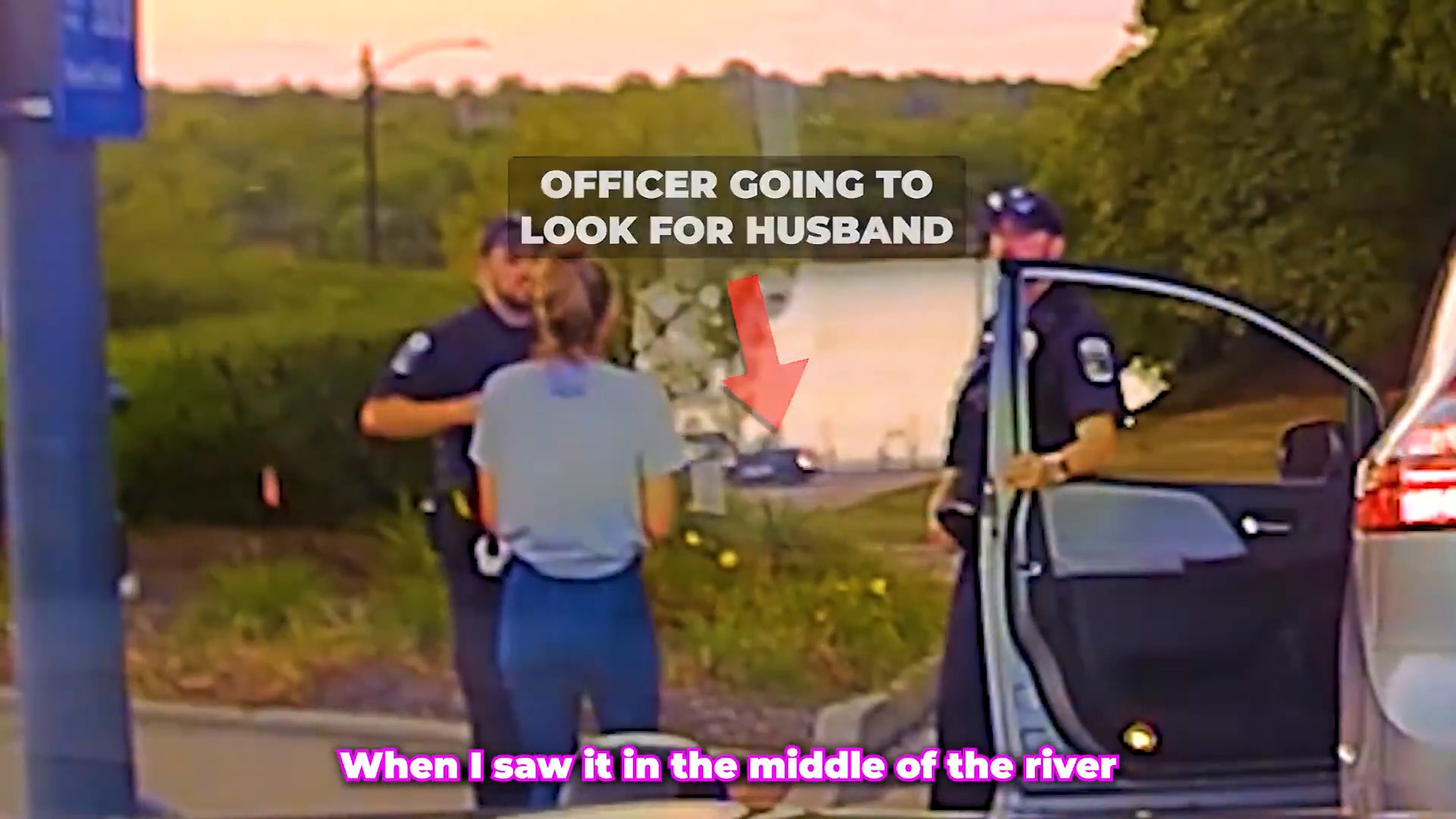
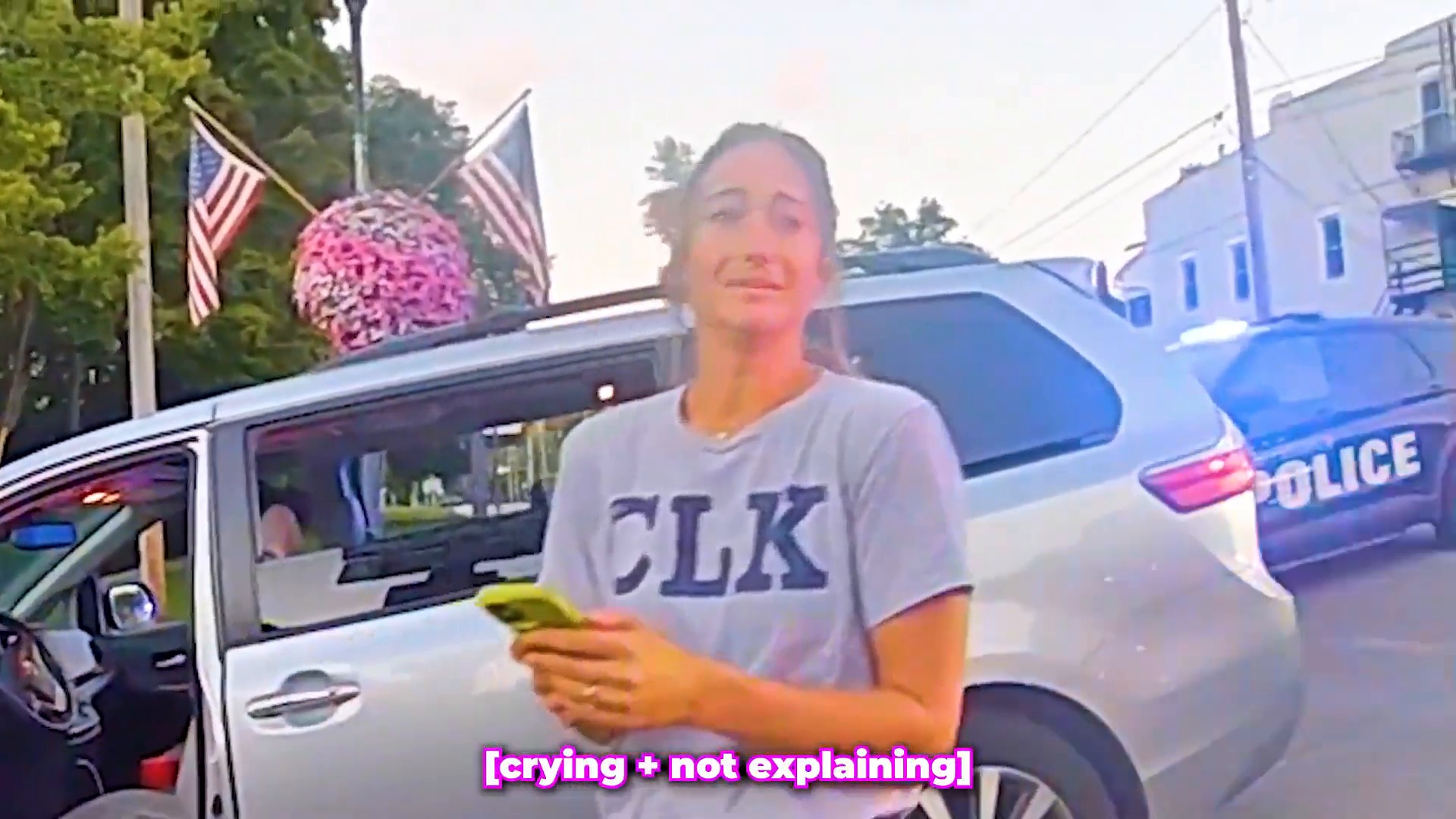
The woman is visibly emotional. Her speech, body language and reactions change throughout the encounter, and officers repeatedly try to slow the situation down enough to obtain clear answers. One officer can be heard directing her to calm down and remain where she is. At another point, an officer goes to look for her husband, indicating that police are dealing with more than a simple traffic violation.
The footage carries a Motorola Solutions body-camera overlay dated June 30, 2024. That is one of the strongest objective clues visible in the recording. However, a search of public reporting did not produce a police release or local-news report that could be matched to this exact woman, location and sequence with sufficient confidence. For that reason, this account does not assign a name, department, city, criminal charge or court outcome that cannot be independently verified.
Officers Try to Establish What Happened
Police encounters often look straightforward only after the facts are known. At the scene, officers may have several incomplete accounts arriving at once. A person involved may be upset, witnesses may have seen only part of an event, and another involved person may be somewhere else entirely. Body-camera footage captures that uncertainty in real time.
Here, officers appear focused on locating the husband and understanding the events that brought the woman into contact with police. The woman repeatedly attempts to explain herself, but the conversation becomes increasingly emotional. At times she appears frustrated that officers are not immediately accepting her version of events. From the officers’ perspective, however, confirming information independently is a normal part of an investigation.
An officer does not necessarily accuse someone of lying merely by asking the same question more than once. Repetition can be used to clarify chronology, resolve contradictions or compare one account with information provided by another person. The same technique can feel confrontational to someone who is already distressed. That gap in perception is visible throughout this recording.
Emotion Begins to Drive the Encounter
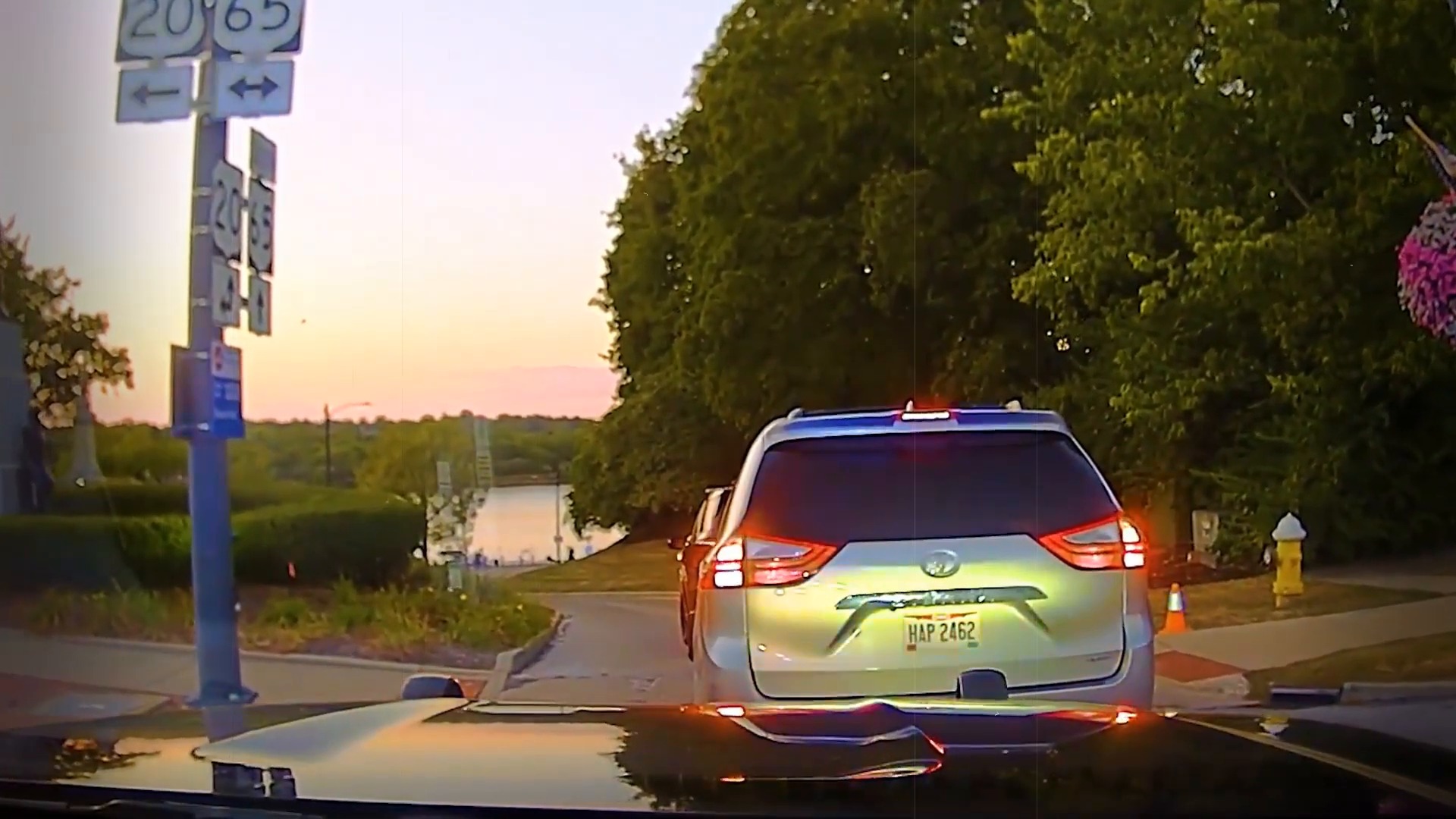
The turning point is not a single spectacular act. Instead, the woman’s emotional state becomes the dominant feature of the contact. She raises her voice, gestures and struggles to remain composed while officers continue giving instructions. One portion of the footage shows an officer physically controlling her arms as the interaction escalates.
That moment is important because it illustrates how police decision-making can shift. During a cooperative conversation, officers can generally maintain distance and rely primarily on verbal direction. When a person begins moving unpredictably, ignoring commands or physically pulling away, officers have to consider whether the encounter is about to become a safety problem.
The video alone does not establish the woman’s mental state, medical condition or level of intoxication, and none should be inferred merely from her behavior. Strong emotional reactions can arise from fear, anger, confusion, stress or many other causes. A body camera records appearance and conduct, not a diagnosis.
The Search for Her Husband Adds More Uncertainty
At several points, the husband becomes central to the officers’ questions. The footage includes an edited caption indicating that an officer is going to look for him. The woman also refers to events near a river. Those fragments suggest that police are attempting to determine where he is and what occurred before they arrived.
This creates two simultaneous responsibilities for officers. They must manage the person directly in front of them while also determining whether another person may need assistance or may possess information relevant to the investigation. That can make officers appear distracted or unwilling to engage in a long argument about one detail, because their attention is divided across the broader scene.
For viewers, it is tempting to build a complete story from a few lines of dialogue. That would go beyond what the recording proves. The footage does not provide a verified incident report explaining exactly what happened at the river, why the husband was being sought, or what officers ultimately learned from him. Those unknowns are therefore left as unknowns.
Why Repeated Police Commands Matter
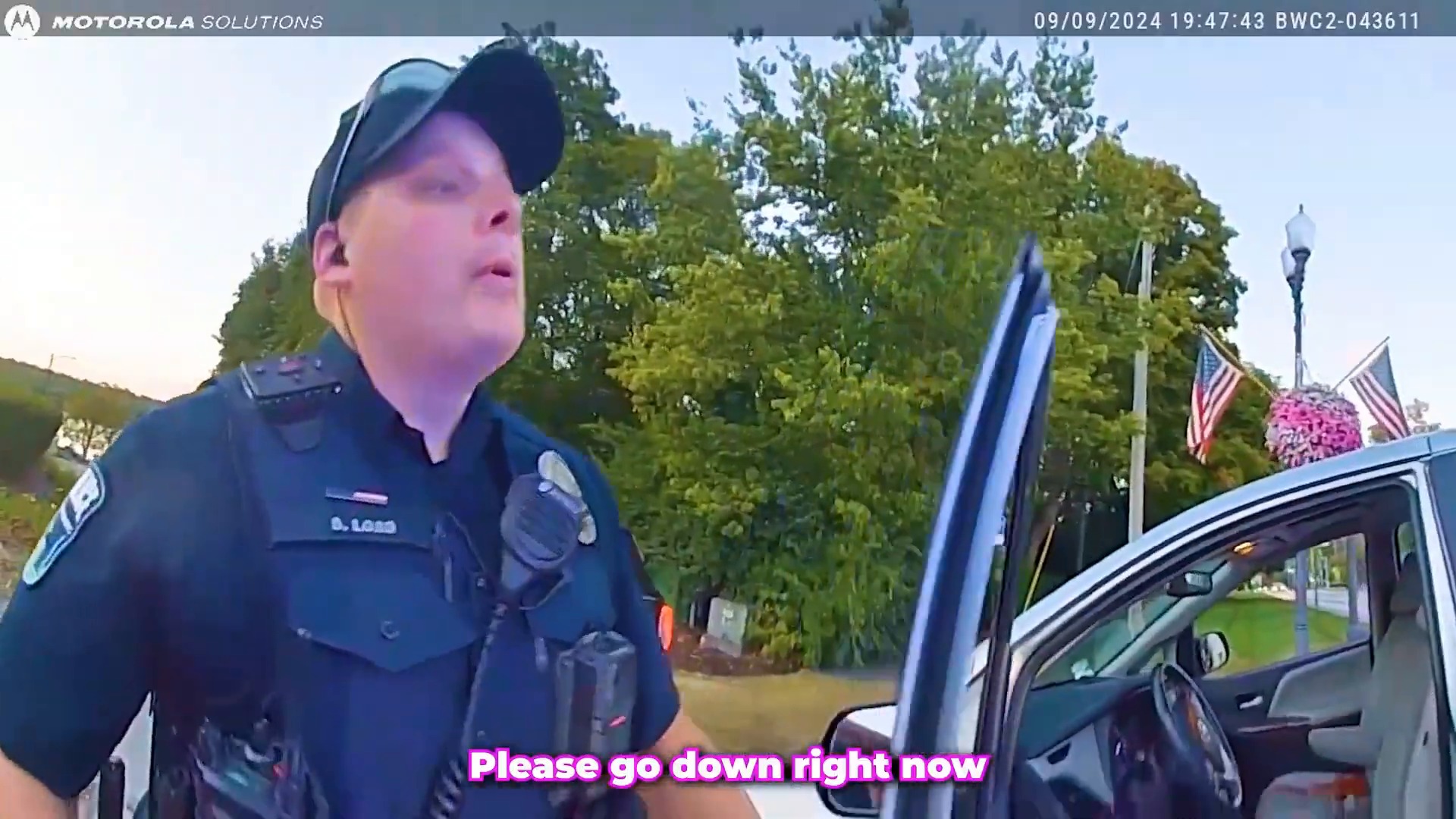
As the woman becomes more animated, the officers’ language becomes shorter and more directive. This is common when police believe a scene is becoming harder to control. Instructions such as staying in one place, keeping hands visible or stopping a particular movement are designed to reduce uncertainty.
From a viewer’s perspective, repeated commands can sound unnecessarily forceful. From an officer’s perspective, they also create a clear boundary. If the person complies, the encounter can often return to conversation. If the person continues resisting the instruction, officers may escalate to physical control.
Body cameras are especially useful here because they preserve sequence. A still photograph might show only an officer holding someone’s arm. The video can show what happened immediately beforehand, including commands, movement and attempts to communicate. That does not automatically determine whether every police action was legally justified, but it provides more context than a single image.
The Moment the Situation Becomes Physical
Later in the recording, the woman is physically restrained while officers work to control her. Her distress remains obvious, and the scene becomes the most intense portion of the footage. The escalation appears to come after an extended period of conversation rather than at the opening contact.
Police use of force is governed by the circumstances officers reasonably perceive at the moment, not by what viewers learn later. Relevant factors can include resistance, attempts to leave, threats, access to vehicles or other hazards, and the seriousness of the suspected offense. The precise legal analysis depends on facts and jurisdiction that are not fully established in this public clip.
It is therefore more accurate to describe what the camera records than to declare a legal conclusion the available evidence cannot support. The footage shows officers moving from verbal direction to hands-on control after the encounter has become increasingly difficult. It also shows the woman continuing to express strong emotion during that transition.
A Patrol Car Changes the Dynamic

Once the woman is placed in or near the patrol vehicle, the encounter changes again. The open roadside scene becomes a controlled environment. Officers no longer have to worry as much about her moving into traffic, returning to her own vehicle or walking away while they continue investigating.
This is often why officers secure a person before every question has been answered. Detention is not necessarily the final judgment about what happened. It can be a temporary measure that allows officers to stabilize a scene while gathering information. Whether a detention becomes an arrest depends on the facts, probable cause and applicable law.
The footage does not provide enough verified information to state confidently what offense, if any, ultimately resulted in charges. It would be misleading to infer a charge simply because the woman is physically restrained or placed in a police vehicle.
What the Video Shows and What It Does Not
The strongest facts are those directly visible or audible. The encounter occurred during daylight. The body-camera overlay shows June 30, 2024. Multiple officers are involved. A woman becomes highly emotional during the contact. Police discuss locating her husband, and the interaction eventually involves physical restraint and a patrol vehicle.
What remains unverified is equally important. The woman’s identity is not established here. The police department has not been confidently identified from an official source. The precise location, initial call for service, allegations, arrest charges and later court disposition have not been matched to a reliable public record.
Online body-camera channels frequently add subtitles, narration and titles. Those editorial elements can make footage easier to follow, but they are not substitutes for an incident report or court document. A responsible retelling should therefore distinguish the original recording from text added later by a publisher.
Why This Encounter Escalated So Quickly
The footage is compelling because the escalation is psychological before it is physical. The woman appears increasingly unable or unwilling to communicate in the controlled manner officers are demanding. Officers, meanwhile, become more focused on compliance as her behavior becomes less predictable.
That creates a feedback loop. The more distressed she becomes, the more direct the officers become. The more direct the officers become, the more pressured she appears to feel. Eventually, the encounter reaches a point where conversation alone is no longer controlling the scene.
This pattern appears in many real police encounters, but each case remains fact-specific. De-escalation can involve time, distance, calm speech and reduced stimulation, yet officers may not always have the luxury of waiting indefinitely if they believe someone may flee, enter traffic, access a vehicle or interfere with an ongoing investigation.
The Value and Limits of Body-Camera Footage
Body cameras provide an unusually close view of police work, but they do not provide omniscience. The lens points wherever the officer’s torso points. Important events may happen outside the frame. Wind, traffic and overlapping voices can obscure dialogue. A recording may also begin after dispatch has already provided critical information.
That limitation is particularly relevant here. The viewer does not hear the entire 911 call, dispatch history or every conversation between officers. We see the confrontation, but not necessarily every event that caused it. That is why the video should be treated as important evidence rather than a complete case file.
The recording nevertheless preserves something valuable: the progression. It shows the difference between the early attempts to communicate and the later physical intervention. That progression is essential to understanding why the scene feels as though it changes so dramatically within only a few minutes.
From an Argument to a Controlled Scene
By the later portion of the video, the immediate confrontation has largely been contained. The woman is no longer moving freely around the scene, officers have greater control over the environment, and the frantic energy of the earlier exchange begins to subside.
The final result visible in the footage is not enough to establish the entire legal aftermath. Being detained or restrained on camera does not tell viewers whether prosecutors later filed charges, whether a case was dismissed, or whether another explanation emerged after officers completed their investigation.
What the recording does show is how quickly a police contact can change when emotion overwhelms communication. A scene that begins with questions about a husband and an unclear sequence of events becomes a physical encounter because officers and the woman are no longer operating on the same expectations about movement, compliance and control.
Watch the Full Encounter in Sequence
Short excerpts can make the physical confrontation appear to come out of nowhere. The complete footage is more revealing because it shows the gradual buildup: the first questions, the effort to locate the husband, the woman’s rising frustration, repeated police instructions and the eventual decision to physically control the scene.
See how the encounter changes from tense conversation to physical restraint by watching the complete footage here:
Comments (0)
Loading comments...
May You Like

🚨🚗 One Mistake Changes Everything During a DUI Arrest | Bodycam Footage US

UCF Student’s Pronoun Dispute With Campus Police Escalates Into an Arrest

Her Dad Is a Lawyer — Then He Shows Up After Her Arrest | Bodycam US