
Woman Found Asleep Behind the Wheel Turns a DUI Investigation Into a Bigger Scene
Woman Found Asleep Behind the Wheel Turns a DUI Investigation Into a Bigger Scene
What begins as a welfare check on a woman asleep behind the wheel develops into a DUI investigation and an increasingly tense police encounter.
A Sleeping Driver Draws Police Attention
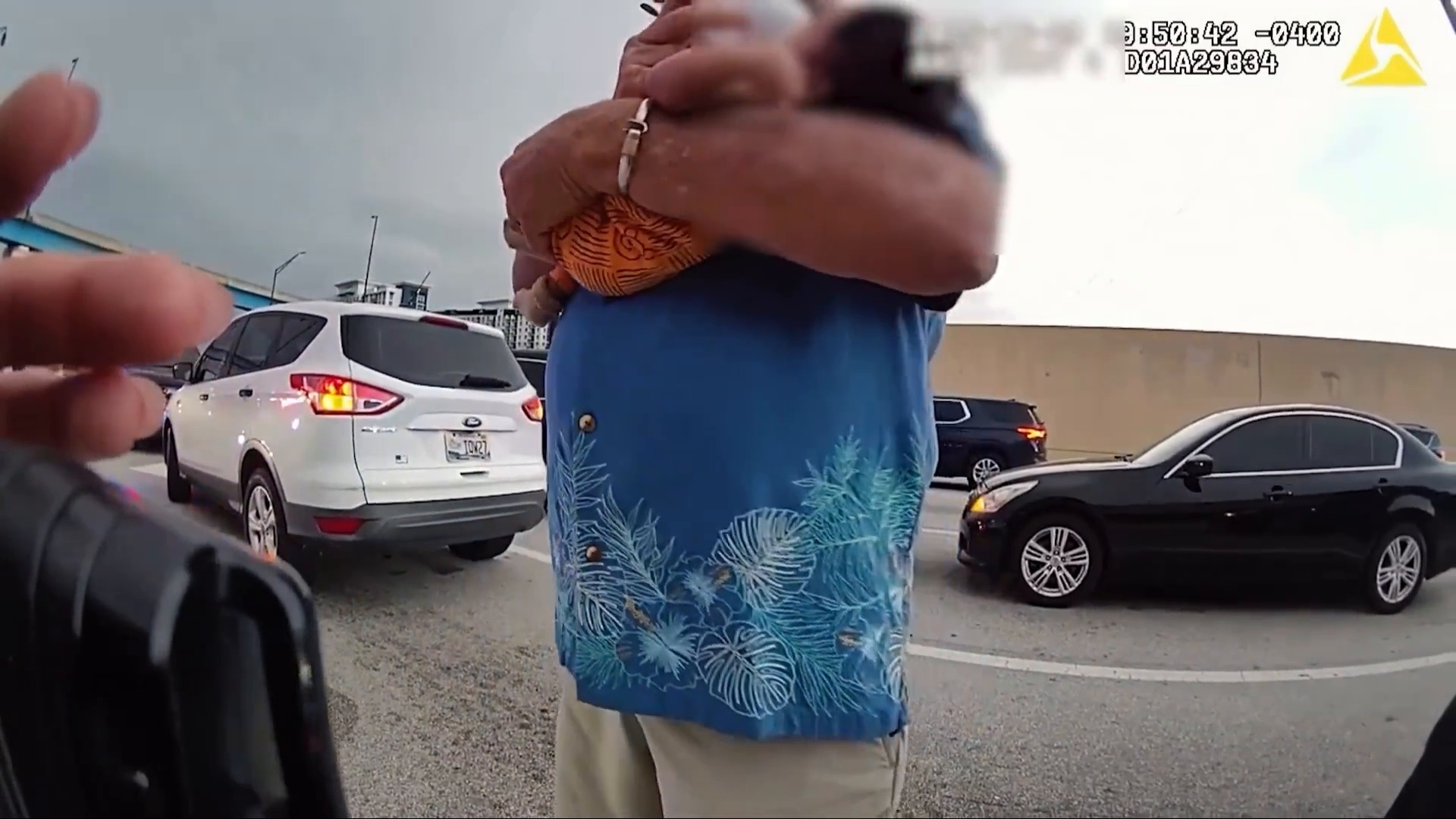
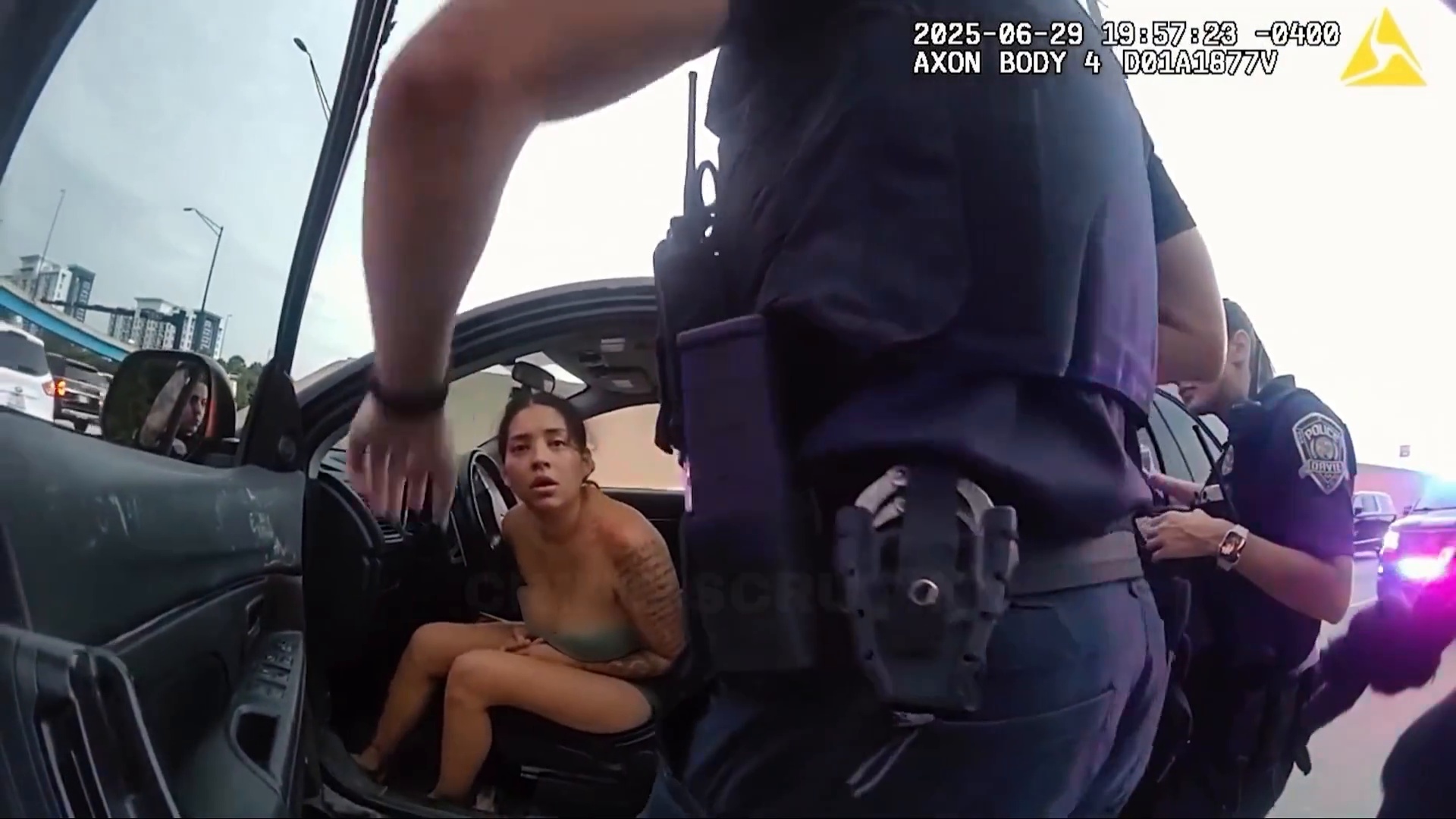
The supplied body-camera footage begins with officers dealing with a woman found asleep or passed out behind the wheel. That immediately creates two questions: whether she needs medical help and whether she may be impaired. Officers also have to make sure the vehicle cannot move unexpectedly while they are standing beside it.
Waking a Driver Safely Comes First
An apparently unconscious person can be asleep, impaired, ill or experiencing another emergency. Officers therefore begin by gaining the woman's attention and assessing her condition. What she says and how she responds become part of the information used to decide whether the encounter remains a welfare check or becomes an investigation.
The Encounter Shifts Toward Possible Impairment
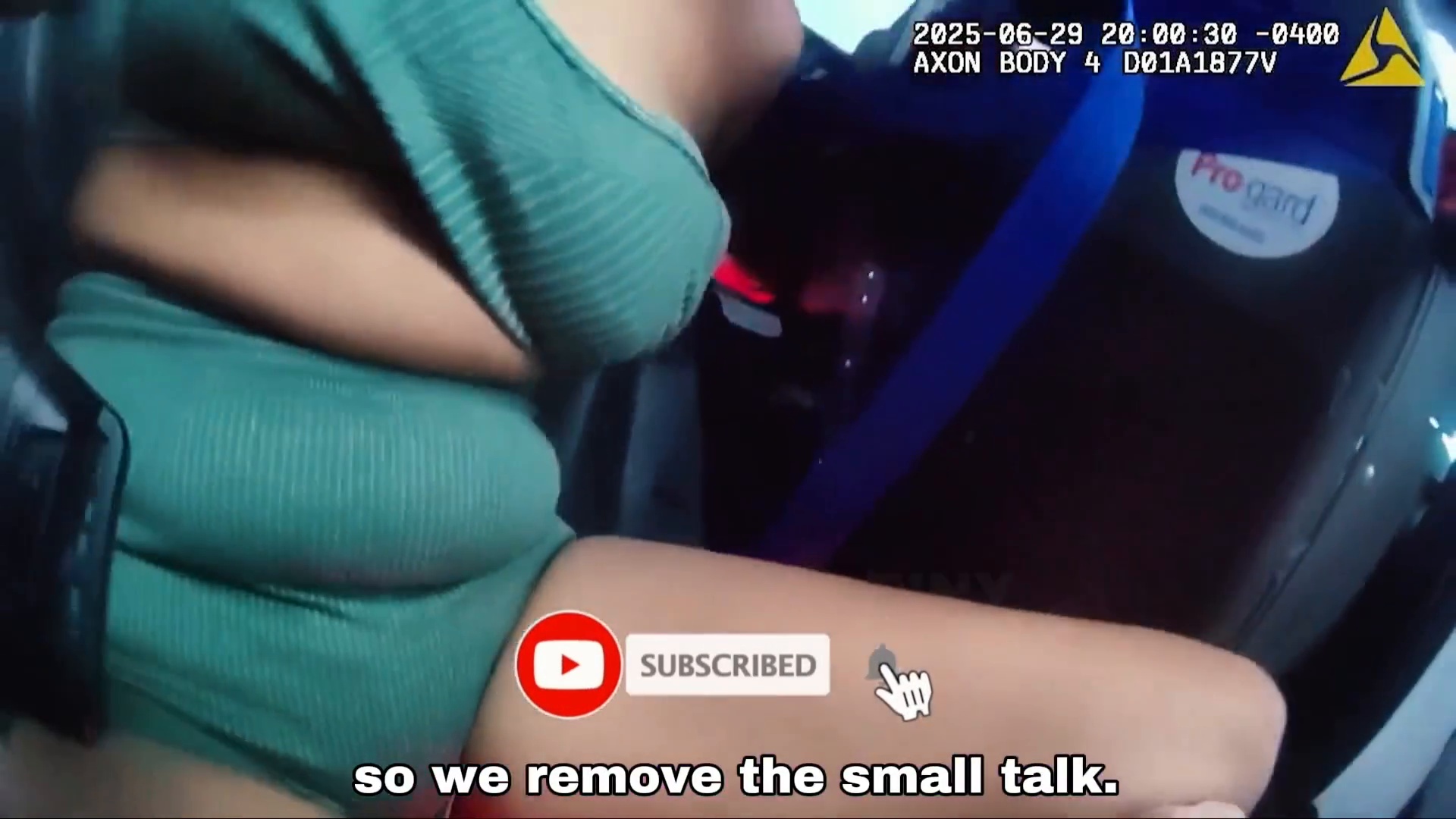
Once the woman is awake, the interaction develops into an impairment investigation. Officers can consider the circumstances in which a driver was found along with speech, coordination, statements and other observations. No single sign proves DUI, and the recording is more useful when viewed as a sequence rather than as one viral moment.
Why Being Asleep Behind the Wheel Matters
DUI and physical-control laws vary by jurisdiction. The position of the vehicle, whether it was running and evidence of recent driving can all matter. Because the exact jurisdiction and case record for this footage could not be independently verified, this article does not invent a statute or claim a particular legal definition applies.
The Driver Pushes Back
The woman's responses become increasingly confrontational as officers continue the investigation. The original title emphasizes that she effectively challenges police to arrest her. A provocative statement is not proof of impairment, but it can become one part of an encounter in which officers are already evaluating other circumstances.
Field Sobriety Testing Adds Observations
When appropriate, officers may use standardized field sobriety exercises to collect additional observations involving divided attention, balance and eye movement. These exercises are not a simple guilt test. Their evidentiary use depends on the jurisdiction and on how they were administered.
An Argument Does Not End the Investigation
Strongly disagreeing with an officer does not require the officer to end a DUI investigation. Officers generally continue gathering the evidence they believe is relevant. At the same time, verbal disagreement by itself is not the same as a criminal offense, which is why the full context matters.
When Investigation Becomes Arrest
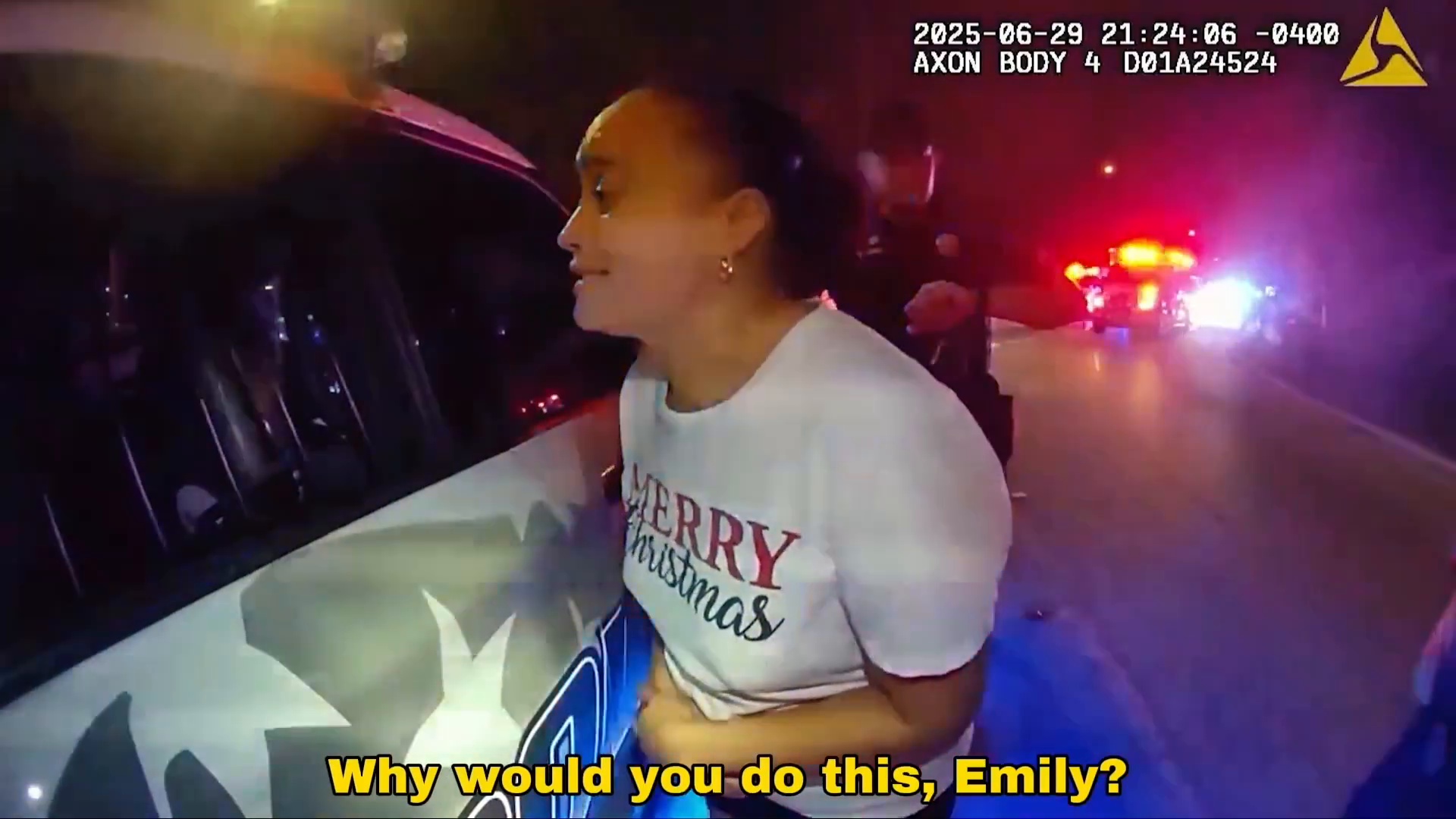
If officers believe probable cause exists, an investigation can become an arrest even when the driver disagrees. An arrest is not a conviction. It begins another stage of the legal process in which evidence can be challenged and charges can be amended, dismissed or resolved in court.
Why No BAC Number Is Added
A blood-alcohol concentration or breath-test result should come from the actual case, not from a similar online story. Searches surfaced numerous unrelated cases involving people found passed out in vehicles. None could be matched to this recording confidently enough to borrow its BAC or chemical-test result.
The Same Rule Applies to Names and Charges
Similar DUI encounters occur frequently. Without a reliable match across the woman, vehicle, officers and sequence, attaching a name or charge list from another case would risk misidentifying the person in this footage. Those details are therefore intentionally left unverified.
Bodycam Preserves More Than the Viral Line
A short edit might focus only on the woman's most confrontational statement. The complete bodycam preserves the quieter moments that explain why officers approached, what they asked, how she answered and how the investigation developed.
Impairment Cases Rely on Multiple Pieces of Evidence
Officers may consider driving behavior, vehicle position, physical presentation, statements, odor, coordination and test performance. A responsible account should describe only observations actually visible or reliably documented rather than importing details from an unrelated DUI arrest.
What the Footage Establishes
The supplied recording establishes the broad sequence: police encounter a woman found asleep behind the wheel, wake and question her, investigate possible impairment and deal with increasingly defiant responses. The situation moves beyond a simple welfare check.
What Research Could Not Verify
Public research did not locate an official police release, local-news report or court record that matched this exact footage closely enough. The driver's identity, exact department and location, BAC, final charge list and court disposition are therefore not stated as facts.
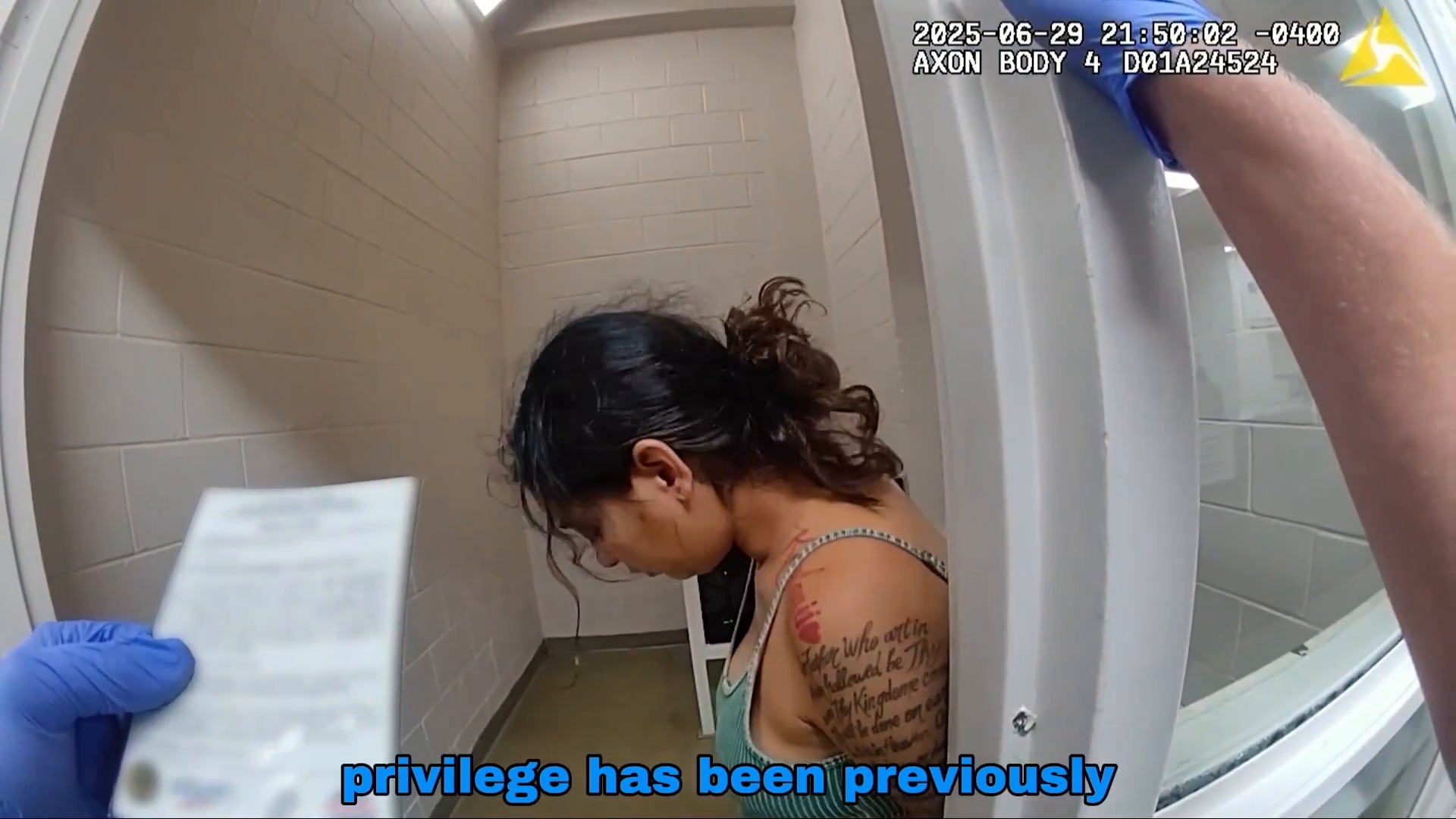
How a Welfare Check Becomes a Larger Scene
At the beginning, officers need to determine whether the woman needs help. Soon they are investigating possible impairment, and the driver's reactions add tension. That progression is the central story captured by the bodycam.
Watch the Full Encounter
The later confrontation makes more sense after seeing the first contact and the observations that led officers to continue investigating.
Comments (0)
Loading comments...
May You Like
Officer Stops to Help but the Situation Quickly Escalates
After Dad’s Arrest, One Emotional Moment With an Officer Stands Out

Her Dad Is a Lawyer — Then He Shows Up After Her Arrest | Bodycam US















