
Warrant Arrest Escalates After Man Refuses to Surrender to Florida Deputies
Warrant Arrest Escalates After Man Refuses to Surrender to Florida Deputies
A Florida property dispute turned into a prolonged warrant arrest after deputies learned that Elroy Clarke was wanted for failure to appear. Body-camera footage and later federal court records document repeated commands, multiple less-lethal tactics and a confrontation that ultimately ended in gunfire.
A 911 Call Brings Deputies to a Punta Gorda Property
On October 23, 2024, Charlotte County deputies Brad Stender and Mitchell Palmer responded to property in Punta Gorda, Florida. Federal court records say Elroy Clarke owned the property and had called 911, or had someone call on his behalf, seeking to have another man removed. What began as a dispute-related call changed after deputies learned that Clarke himself had an outstanding warrant for failure to appear in a trespass case.
The Conversation Changes When Deputies Confirm a Warrant
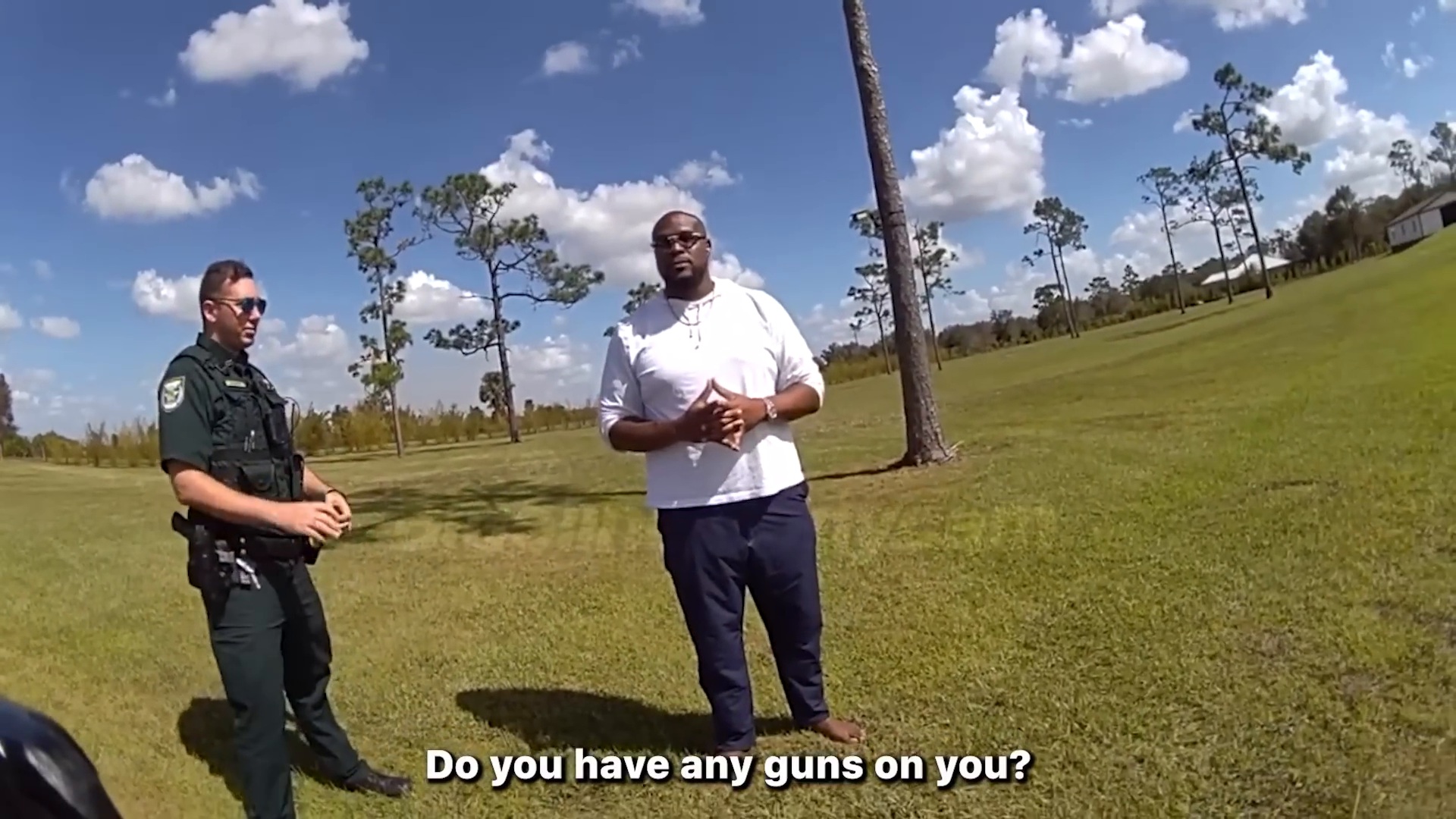
For a substantial portion of the body-camera recording, Clarke talks with deputies in the open grassy area around the property. The atmosphere is tense but initially conversational. Court records state that once Deputy Stender confirmed the warrant and told Clarke he was under arrest, Clarke disputed his identity, claimed he was Ben Dey and rejected the deputies' attempts to take him into custody.
Repeated Commands Do Not Produce a Surrender
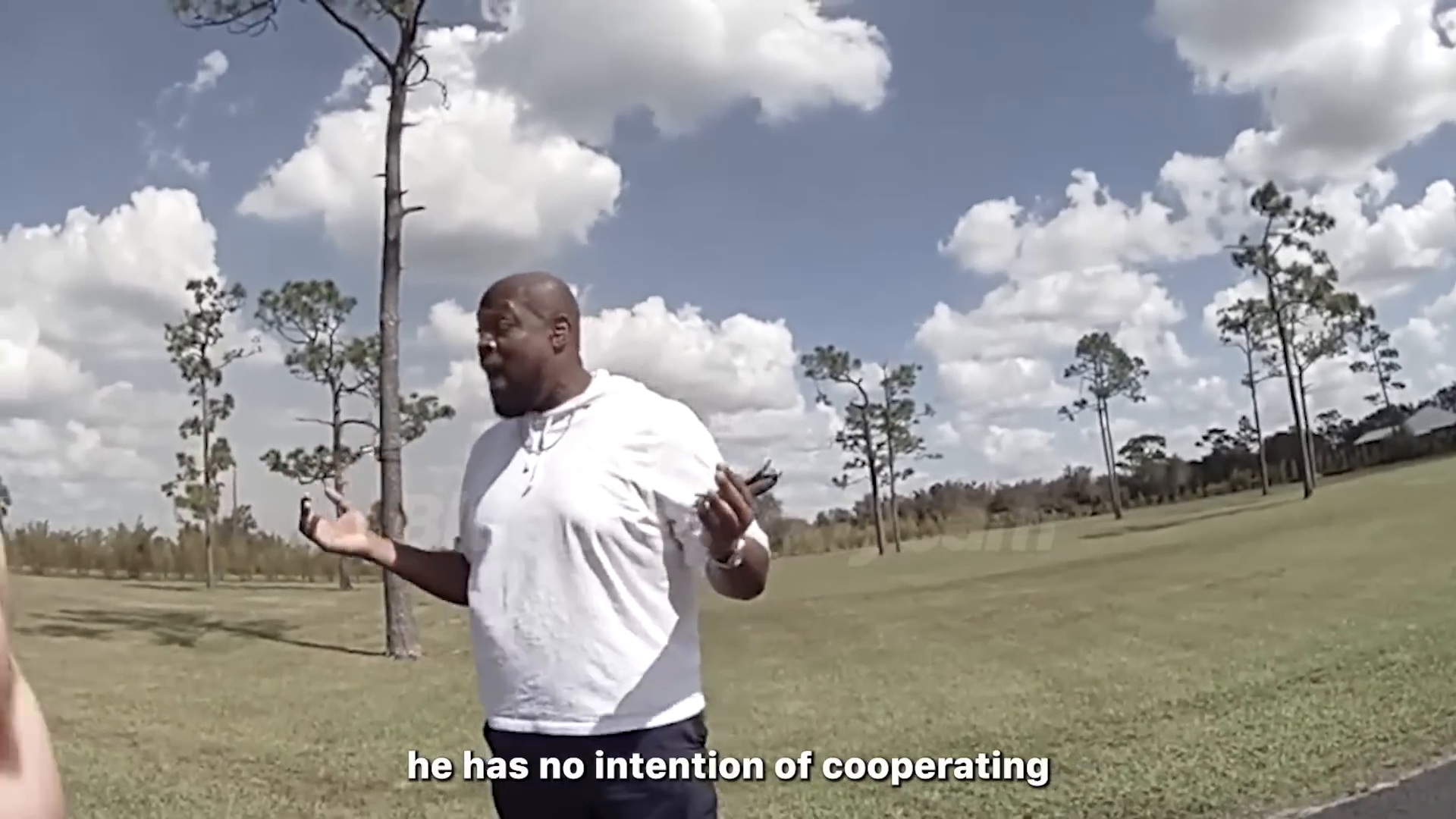
The federal court later reviewed multiple body-camera recordings frame by frame. Its 2026 order says deputies spent roughly sixteen minutes attempting to arrest Clarke and issued dozens of verbal commands. Clarke continued refusing to get on the ground or submit to handcuffing. The footage shows officers repeatedly trying to gain compliance while Clarke remains standing, argues with them and insists they do not have authority over him.
The First Taser Deployment Fails
Deputy Stender eventually warns Clarke that a Taser will be used if he does not comply. When the device is deployed, Clarke removes the wires. A second deployment also fails to bring him under control. The court record describes him as appearing largely unfazed by the electrical weapon. This is a key turning point because the deputies' first less-lethal option has not achieved the arrest.
Pepper Spray and a Tackle Also Fail
After the Taser attempts, Stender uses pepper spray. Clarke wipes it away and continues refusing commands. Stender then attempts to tackle him, but Clarke pushes him off. The body camera becomes increasingly chaotic as officers move across the grass and try to find a method that will safely end the confrontation.
More Deputies Arrive as the Standoff Continues
Additional Charlotte County personnel, including Deputy Alexander Magoon, become involved. Even with more officers present, Clarke does not submit. The video shows long stretches of verbal commands punctuated by sudden attempts at physical control. Court records describe Clarke as continuing to resist even after deputies use several less-lethal methods.
A Baton and Drive-Stun Attempts Add to the Escalation
During the struggle, Deputy Stender strikes Clarke's knee with a baton. Court records also describe repeated Taser drive-stun attempts. Yet Clarke remains on his feet or manages to rise again after officers try to bring him down. At one point, deputies tell him they do not want to hurt him, while Clarke says he does not want to hurt them either.
Deputies Explicitly Discuss Avoiding Lethal Force
One notable moment preserved in the court record comes when Stender radios that deputies are still trying to take Clarke into custody and are trying to avoid lethal force at that point. That statement provides important context for the long period of attempted negotiation and repeated less-lethal tactics visible in the footage.
Beanbag Rounds Become the Next Option
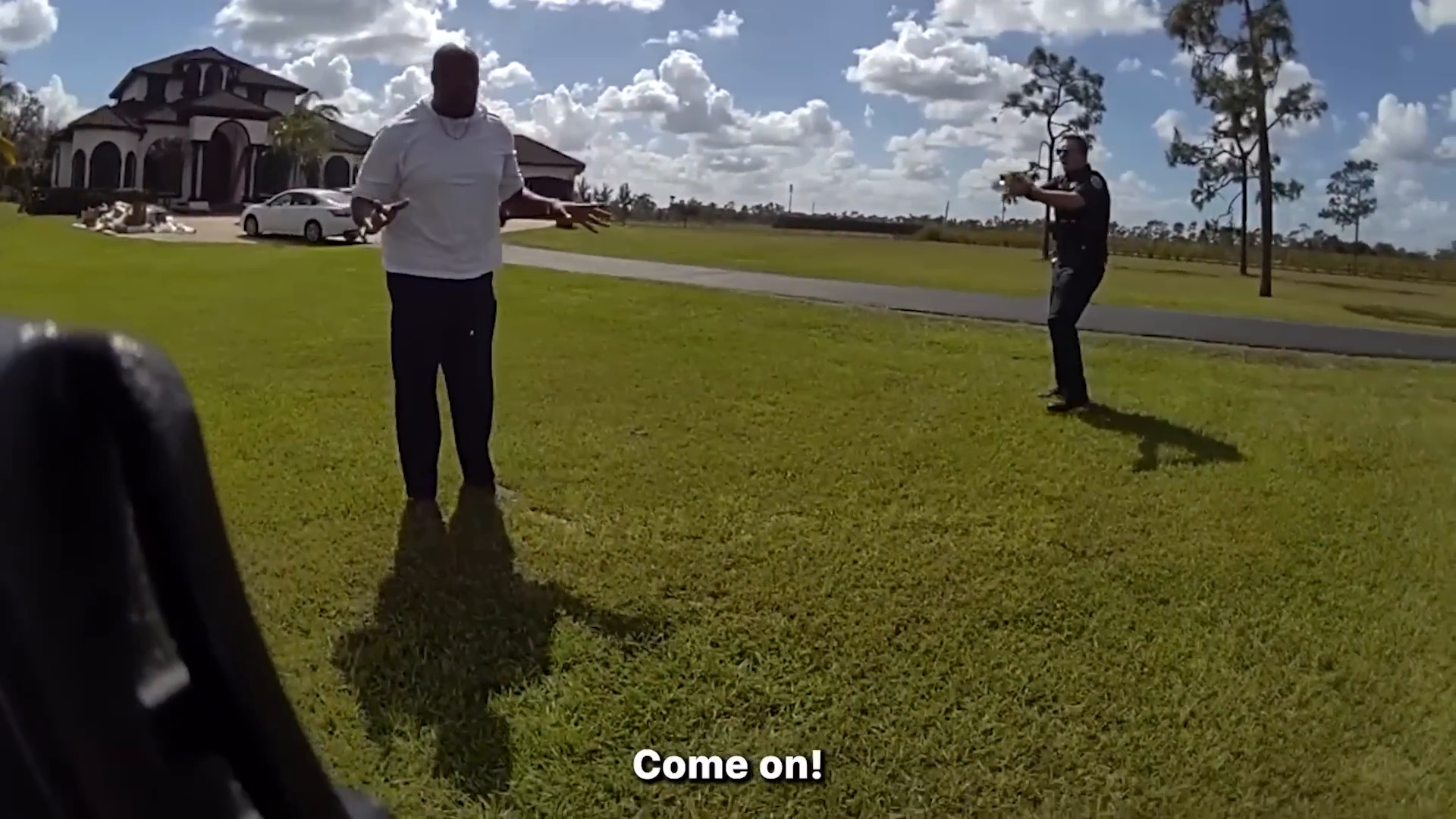
As the confrontation continues, deputies use a less-lethal shotgun loaded with beanbag rounds. The encounter has now progressed through verbal commands, Tasers, pepper spray, physical control attempts and a baton. The body-camera footage shows why the original viral title describes the arrest as an unusually difficult one: officers are cycling through multiple force options without achieving a stable handcuffing position.
The Final Movement Happens Extremely Quickly
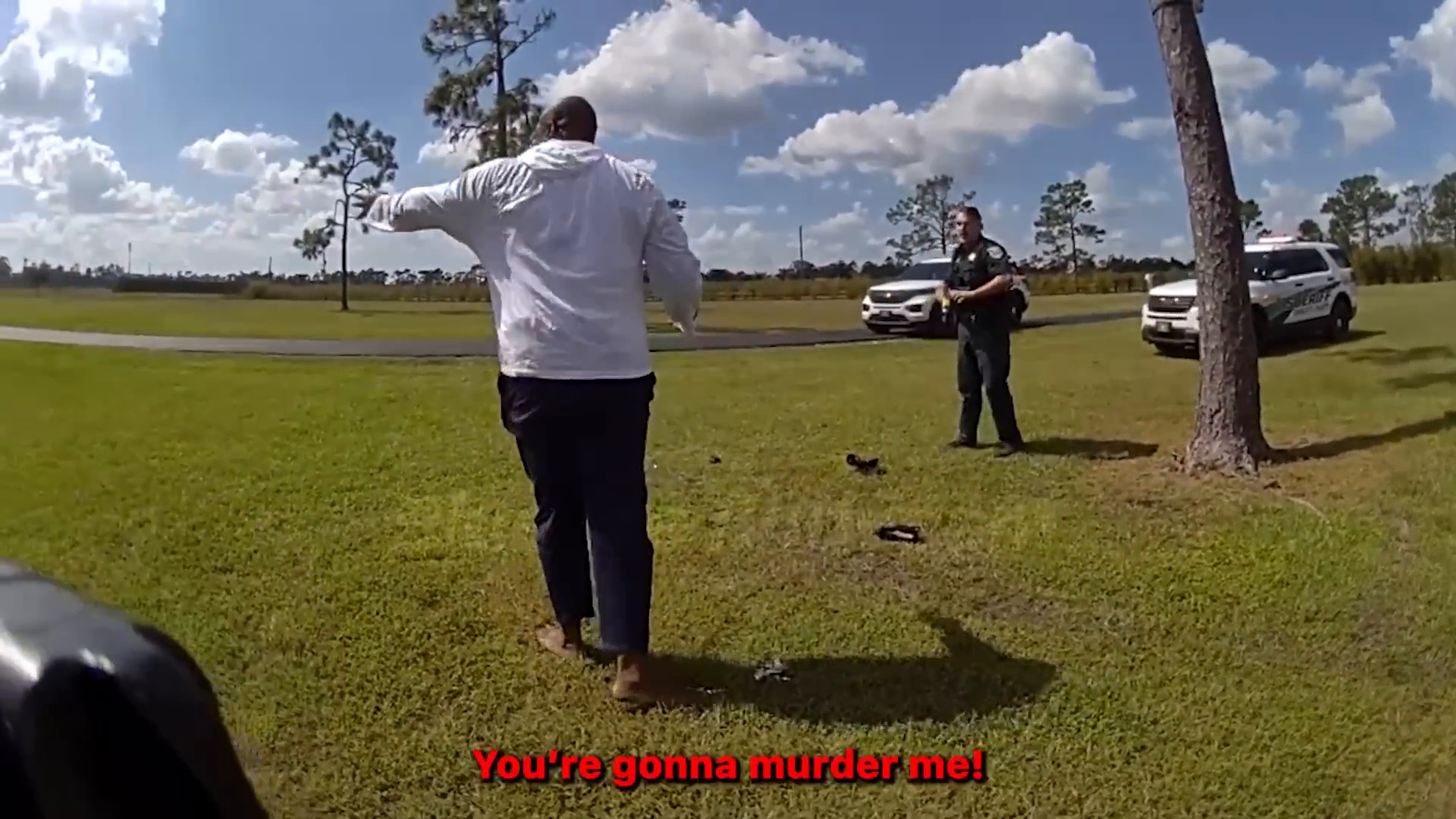
The most serious portion of the encounter unfolds in only seconds. According to the federal court's review of the body cameras, Clarke moved toward deputies after the prolonged confrontation. Deputy Magoon fired multiple rounds. The court noted that Clarke was still able to move toward the deputies and reach toward Magoon's arm after the first shots. Stender then fired one round as Clarke attempted to rise again.
Clarke Is Handcuffed and Medical Aid Is Requested
After the gunfire, deputies approach Clarke, place him in handcuffs and radio that shots have been fired. Additional personnel arrive quickly and medical assistance is requested. Clarke ultimately died from the gunshot wounds. The footage after the shooting is part of the court record, though the federal judge noted that not every post-shooting detail was necessary to resolve the motions before the court.
The Case Moves Into Federal Court
Clarke's estate later filed a federal civil-rights and wrongful-death lawsuit against Charlotte County Sheriff Bill Prummell and Deputies Stender, Palmer and Magoon. The lawsuit challenged aspects of the force used during the arrest. Because the parties relied heavily on body-camera evidence, the federal court itself reviewed the recordings when considering the defendants' motions.
A Federal Judge Relies Heavily on the Bodycam Footage
In March 2026, the U.S. District Court for the Middle District of Florida ruled on a motion to dismiss and emphasized that clear video can control when it directly contradicts allegations in a complaint. The court concluded that the deputies were entitled to qualified immunity on the federal excessive-force claims presented at that stage, while carefully discussing the long period of resistance and the sequence of less-lethal tactics.
A Later 2026 Order Again Reviews the Arrest
A subsequent September 2026 order addressed an amended version of the lawsuit. The court again described the confirmed warrant, Clarke's refusal to identify himself as Elroy Clarke, the Taser deployments, pepper spray, attempted tackle and the later force. Litigation language matters here: a ruling on a motion to dismiss evaluates legal claims under specific standards and does not turn every disputed factual allegation into a universally established fact.
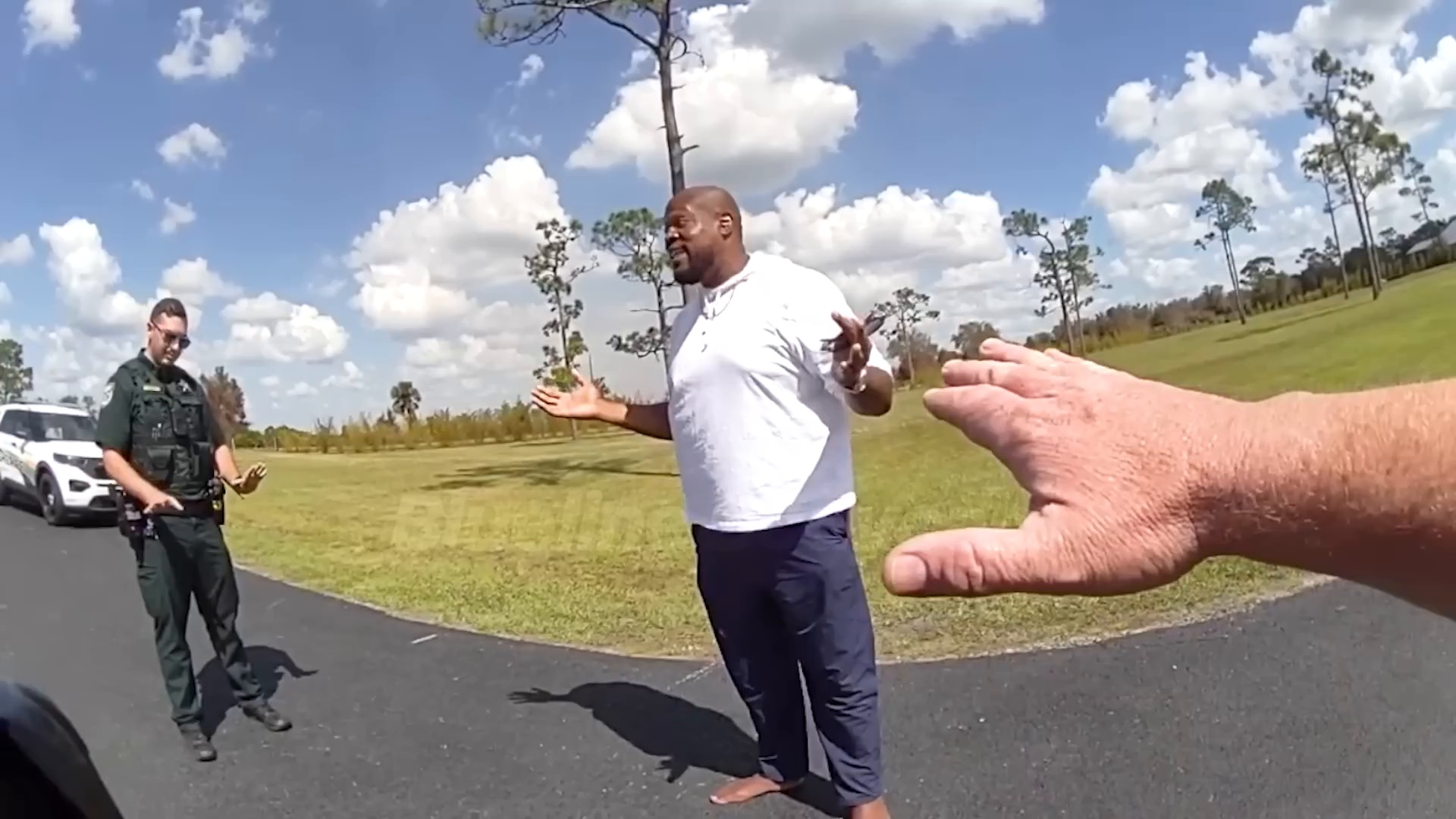
Why the Full Ten-Minute Video Matters
The supplied video runs for more than ten minutes. That duration is important because the final seconds can look very different when separated from the lengthy effort to obtain compliance. The footage documents repeated conversations, warnings, failed less-lethal tactics and attempts to physically restrain Clarke before the final confrontation.
Watch the Entire Encounter in Sequence
The most dramatic part of the recording occurs near the end, but the earlier conversation explains why deputies remained on scene and why the confrontation continued for so long.
Comments (0)
Loading comments...
May You Like
🚔⚠️ 911 Call Comes Hours Later After a Troubling Bath Incident | Ohio, USA
High-Speed CHP Chase Ends When Spike Strips Stop Suspect

911 Call Leads Police to a Disturbing Family Situation














