Video Examines Nurse Jadd Sarah’s Abuse Case at Tucson Hospital
A documentary from EWU Bodycam examines the criminal case involving former emergency-room nurse Jadd Sarah, who was accused of sexually abusing an incapacitated patient at a Tucson hospital. The case drew attention because investigators said hospital monitoring footage captured the alleged misconduct.
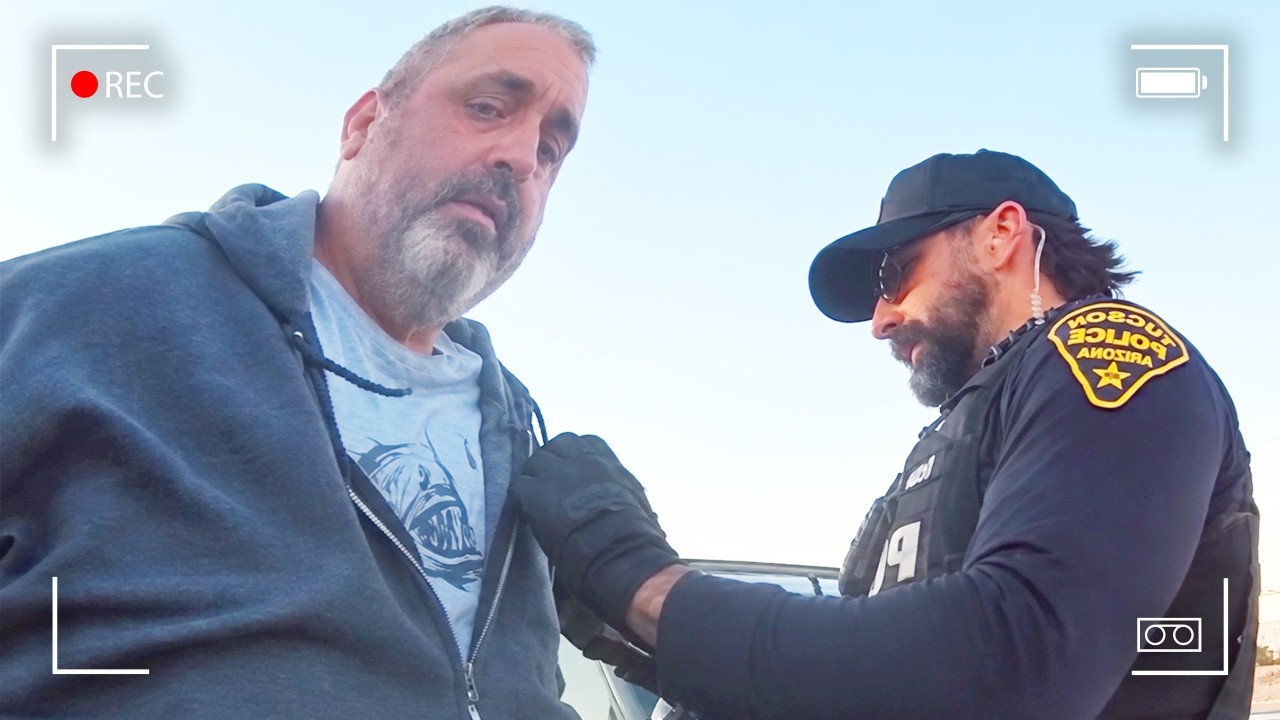
A Hospital Case Captured on Video
The documentary centers on Jadd Sarah, a former emergency-room nurse accused of abusing a patient who was unable to protect herself while receiving treatment at Banner–University Medical Center Tucson in Arizona. The video’s chosen image shows Sarah being detained by a law-enforcement officer wearing a Pima County Sheriff’s Office uniform, signaling that the story follows a criminal investigation rather than a routine workplace complaint.
According to public reporting on the case, the patient had been brought to the emergency department after experiencing seizures. She was being monitored through a camera connected to an electroencephalogram system, allowing medical personnel to observe her condition while she remained in the hospital. Investigators later reviewed that footage as part of the inquiry into what happened in her room.
What Investigators Alleged
Police records cited in reporting said the patient was incapacitated by her medical condition and by medications administered during treatment. Sarah allegedly entered the room while presenting his actions as preparation for an MRI scan, then removed the patient’s clothing and touched her sexually.
The allegations involved more than a private dispute between a patient and a caregiver. A hospital employee has access to patients at moments when they may be sedated, confused, restrained by medical equipment or unable to communicate clearly. That imbalance is central to the case and explains why the allegations led to criminal charges and an institutional response.
Charges and Court Outcome
Sarah faced charges including sexual abuse, vulnerable-adult abuse and aggravated assault. The investigation began after a nursing supervisor contacted emergency authorities to report that a patient may have been assaulted by a hospital employee. Officers later responded to the medical center and examined the available evidence, including the monitoring footage.
Public reports said Sarah ultimately pleaded guilty to one count of sexual abuse under a negotiated agreement. He was sentenced in June 2026 to 30 days in jail, three years of probation and 50 hours of community service. The outcome has drawn scrutiny because the alleged victim was incapacitated and the conduct was linked to a professional setting where patients are expected to be protected.
Why the Case Matters for Patient Safety
Hospitals rely on layers of safeguards to protect patients who cannot advocate for themselves. Those measures can include controlled access to treatment areas, documentation of bedside care, supervision by other staff and cameras used for medical monitoring. In this case, the monitoring system became a source of evidence after concerns were raised about what occurred in the patient’s room.
The case also illustrates the limits of surveillance as a safety measure. A camera may document conduct after it happens, but it does not replace staff oversight, reporting procedures or clear rules governing private patient care. For patients and families, trust depends on knowing that medical workers will respect both clinical boundaries and personal dignity.
What the Documentary Offers Viewers
EWU Bodycam presents the case as a documentary about investigations, public safety and law-enforcement procedures. Its intended audience includes viewers who follow criminal cases, body-camera material and institutional misconduct investigations, as well as people interested in how allegations inside medical facilities are reported and pursued.
The program gives viewers a case-focused account built around the arrest and investigation of a health-care worker. It does not turn the matter into a general discussion of nursing practice; instead, it uses Sarah’s case to show how a complaint can move from a hospital report to a police investigation, criminal prosecution and sentencing.
Because the allegations concern sexual abuse of a patient who was not in a position to consent or resist, the case carries serious privacy and dignity concerns. Responsible coverage should avoid identifying the patient and should distinguish clearly between allegations, evidence described in court records and conduct established through Sarah’s guilty plea.
Comments (0)
Loading comments...
May You Like

Four Suspects Try Killing a Cop After Police Chase

Female Driver Destroys Three Lives in a Matter of Minutes

Neighborhood Grocery Store Suddenly Erupts Into Chaos