Traffic Stop Spirals Into a Chaotic Detention as Woman Loses Control
Traffic Stop Spirals Into a Chaotic Detention as Woman Loses Control

A Traffic Stop That Refuses to Calm Down
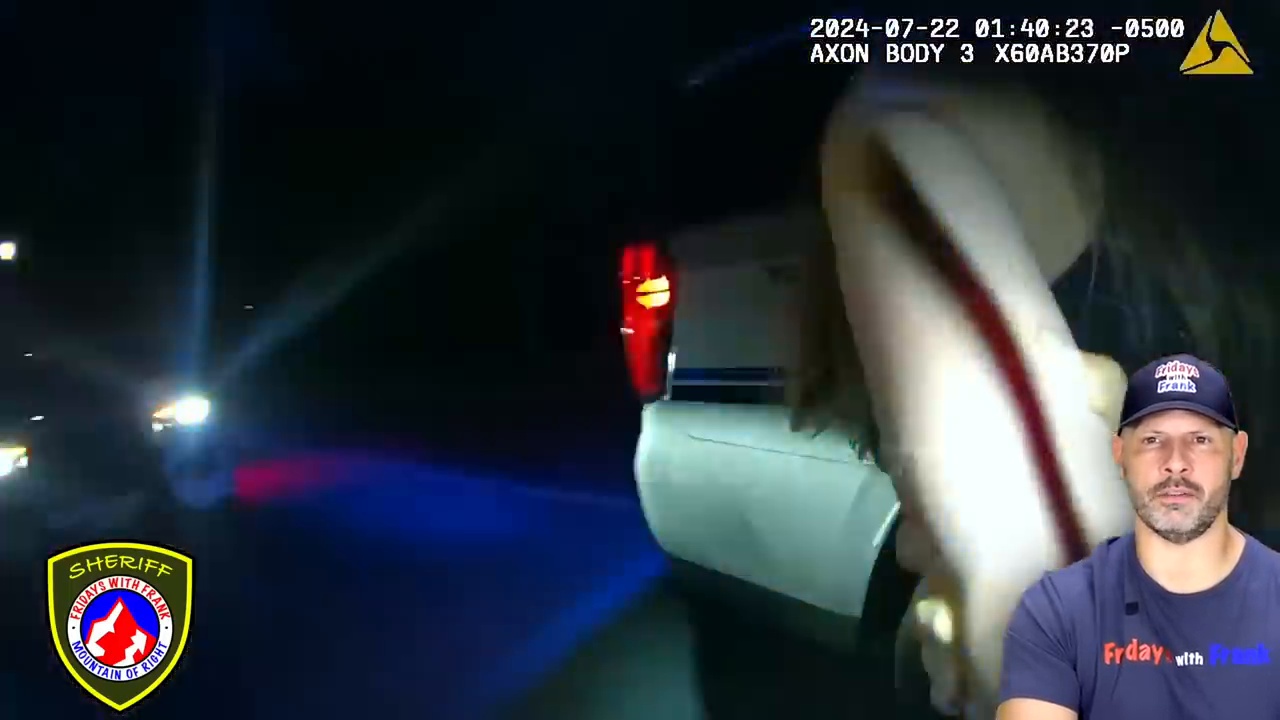
What begins as a law-enforcement encounter develops into a long and increasingly difficult detention. The supplied body-camera footage carries a July 22, 2024 timestamp and later shows the woman inside a secure holding area, where officers repeatedly attempt to communicate with her and keep the situation under control. The original upload title emphasizes the most sensational part of the encounter, describing the woman removing her clothing and becoming combative after a traffic stop. The video does document a severe behavioral escalation, but this article avoids turning that moment into spectacle. The more useful story is how officers respond as an ordinary enforcement contact evolves into a situation involving repeated instructions, emotional volatility, physical resistance and concerns about the detainee’s condition. Research did not produce a sufficiently reliable public police report, court record or local-news account that could be matched to this exact footage through a combination of date, agency, location, people and sequence. Because of that, the woman is not named here, and no unsupported charge, BAC result, diagnosis or court outcome is assigned to her. That limitation does not prevent the footage from telling a clear procedural story. Officers have to move from roadside enforcement to detention management, and the body camera records the challenges that arise when a detainee is unable or unwilling to follow routine instructions.
The Encounter Moves From the Road to Custody
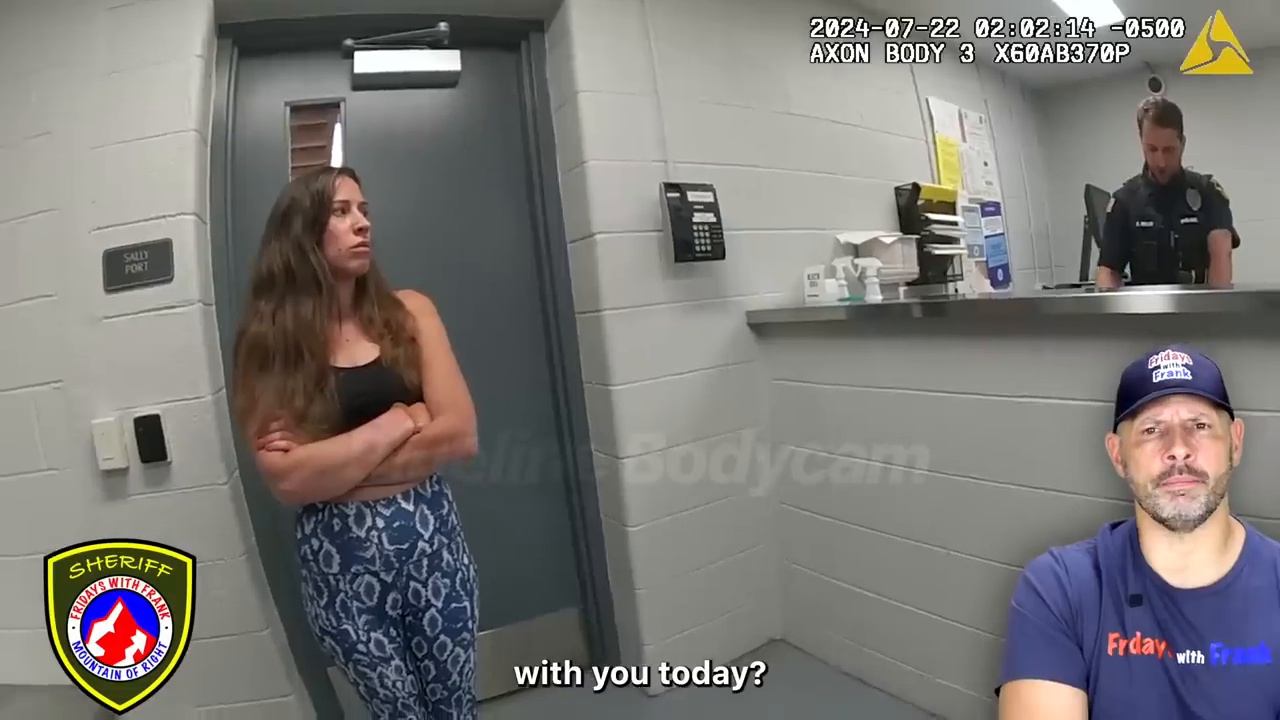
Traffic stops are often resolved in minutes. An officer identifies the reason for the stop, checks a driver’s information, determines whether a citation or arrest is appropriate and then clears the scene. This incident does not follow that simple pattern. By the time the footage reaches the secure facility, the woman remains visibly agitated. Officers speak to her in short, direct sentences and repeatedly try to guide her through basic steps. Her reactions fluctuate, and the interaction repeatedly stalls. A holding or booking environment creates a different set of responsibilities from the roadside. Officers must account for personal property, search detainees according to policy, document medical concerns, prevent self-harm and maintain security around doors, restraints and other detainees. Even actions that appear mundane on camera can be part of a larger safety procedure. The woman’s emotional state makes those routine tasks more difficult. The footage shows officers trying to slow the interaction down rather than matching her intensity. They give her space at some moments and move closer when physical control becomes necessary. This is an important distinction when viewing edited police footage. The most dramatic seconds may be the ones that circulate online, but they are often surrounded by long stretches of officers attempting verbal direction before using hands-on control.
Removing Clothing Adds a New Safety Problem
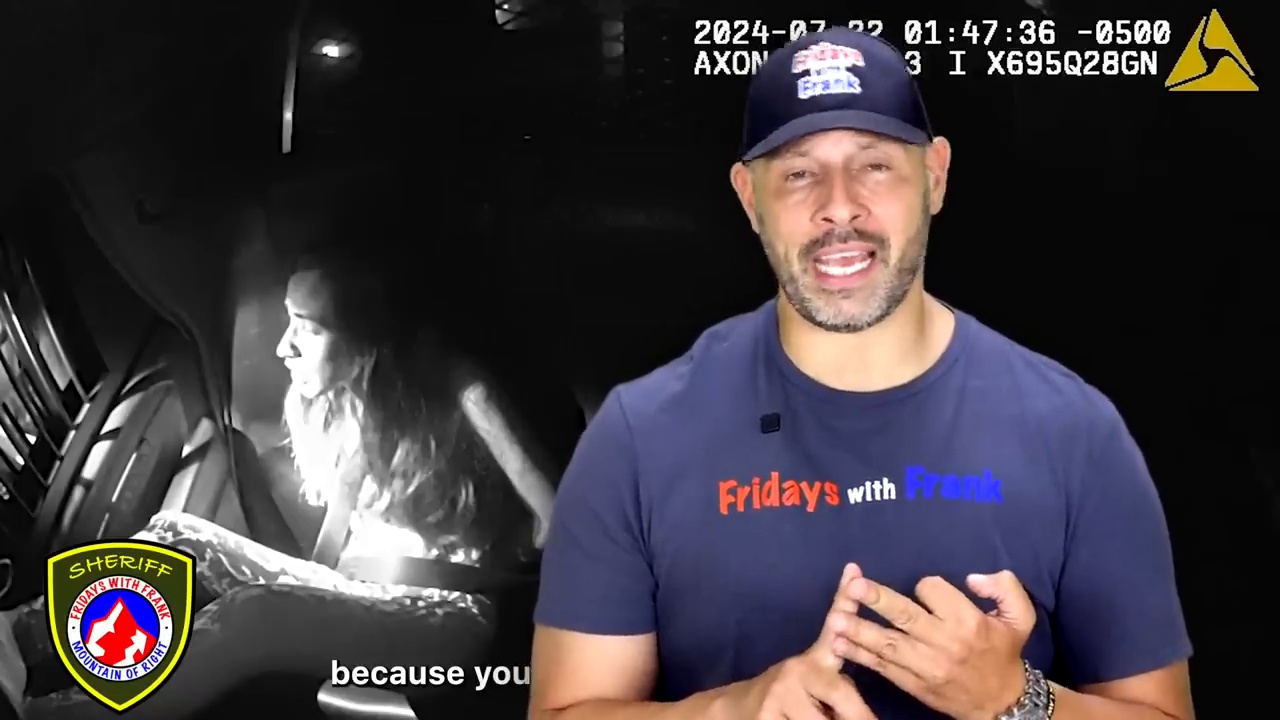
At one stage of the broader incident, the woman removes clothing. Public discussions of police footage often frame such behavior as shocking entertainment, but from an operational perspective it creates practical concerns for officers and detention staff. A person in custody who begins taking off clothing may be intoxicated, emotionally distressed, attempting to resist a search, reacting to the environment or behaving unpredictably for another reason. The footage alone does not establish which explanation applies here. It would be irresponsible to assign a medical or psychiatric diagnosis from video. What officers can do is respond to the behavior in front of them. They must preserve the detainee’s privacy as much as circumstances permit, make sure she is not concealing dangerous items and determine whether medical evaluation is necessary. Staff also have to consider whether clothing or other objects could be used to cause injury. For the same reason, the images embedded in this article focus on non-explicit portions of the encounter. The fact that nudity reportedly occurred is relevant to understanding the escalation, but reproducing explicit frames would add little to the factual account. The larger point is that the situation has now moved far beyond the original traffic stop. Officers are no longer simply investigating driving behavior. They are managing a detainee whose actions require constant attention.
Repeated Instructions Meet Repeated Resistance
One of the clearest patterns in the footage is repetition. Officers give directions, wait for compliance and then have to repeat or modify those directions as the woman continues arguing or resisting the process. That repetition matters because use-of-force incidents are often judged from the final physical moment without examining what happened beforehand. A body camera can help establish whether officers attempted verbal control, whether a detainee had time to respond and whether the situation was becoming more or less dangerous. It does not automatically answer every legal question. Camera position, audio quality and the actions of people outside the frame can all affect interpretation. Department policy, reports and witness statements would still be needed for a complete review. Here, the footage supports a narrower conclusion: officers spend substantial time trying to manage the woman verbally before and during the more confrontational portions of the detention. She continues to challenge the process, and the interaction remains unstable. That does not mean verbal defiance by itself justifies unlimited force. Police authority remains constrained by law and policy. The level of force used must relate to the circumstances officers reasonably perceive, including resistance, attempts to flee, threats and immediate safety risks.
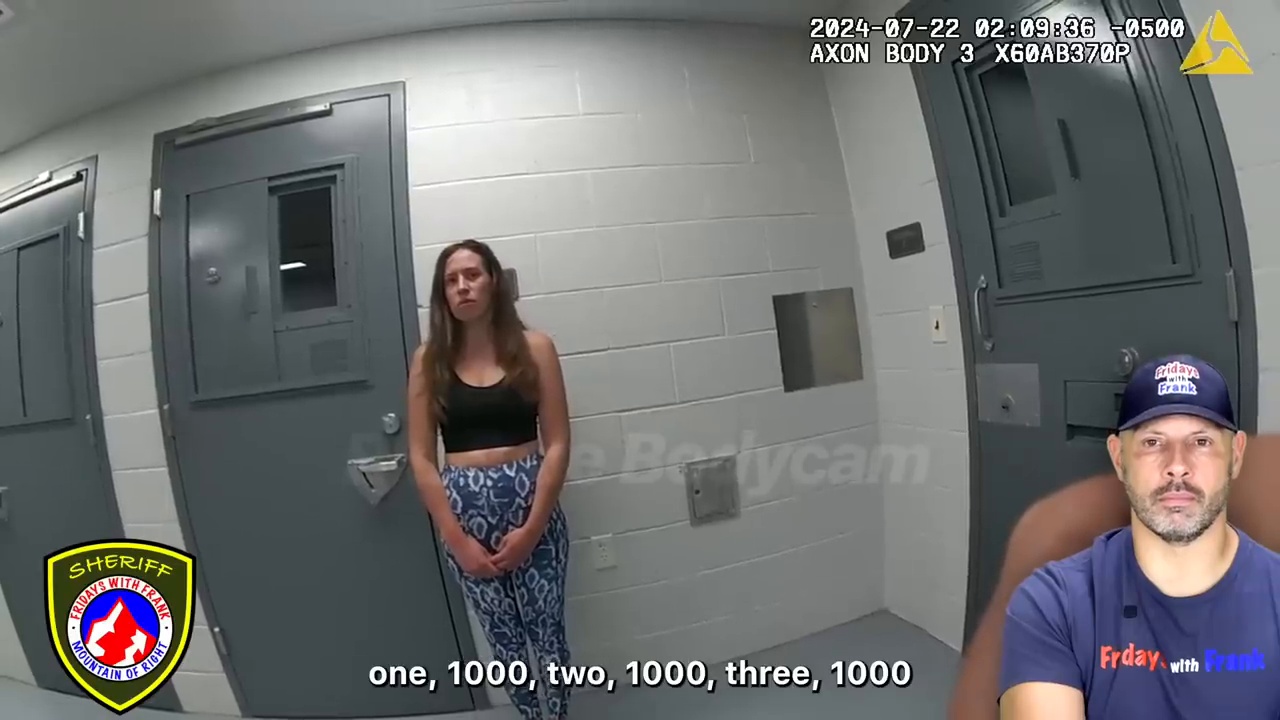
Why Medical and Behavioral Concerns Matter
An encounter like this can place officers in the difficult position of enforcing the law while also evaluating whether a detainee needs medical help. Intoxication, drug use, panic, neurological problems and mental-health crises can sometimes produce overlapping outward behavior. Body-camera viewers do not have enough information to diagnose the woman, and neither a dramatic reaction nor unusual behavior proves a particular cause. A responsible account therefore avoids labels that the evidence cannot support. What the video does show is officers monitoring her closely in custody. Secure facilities commonly use medical screening questions and observation protocols because a person’s condition can change after an arrest. If someone appears impaired or distressed, staff may seek medical evaluation or increase monitoring. The distinction between criminal responsibility and medical need is important. A person can be lawfully arrested and still require treatment. Likewise, receiving medical attention does not determine whether criminal charges are justified. The footage is most informative when viewed through that dual responsibility. Officers are trying to maintain control while also dealing with a person whose behavior is unpredictable enough to demand continued attention.
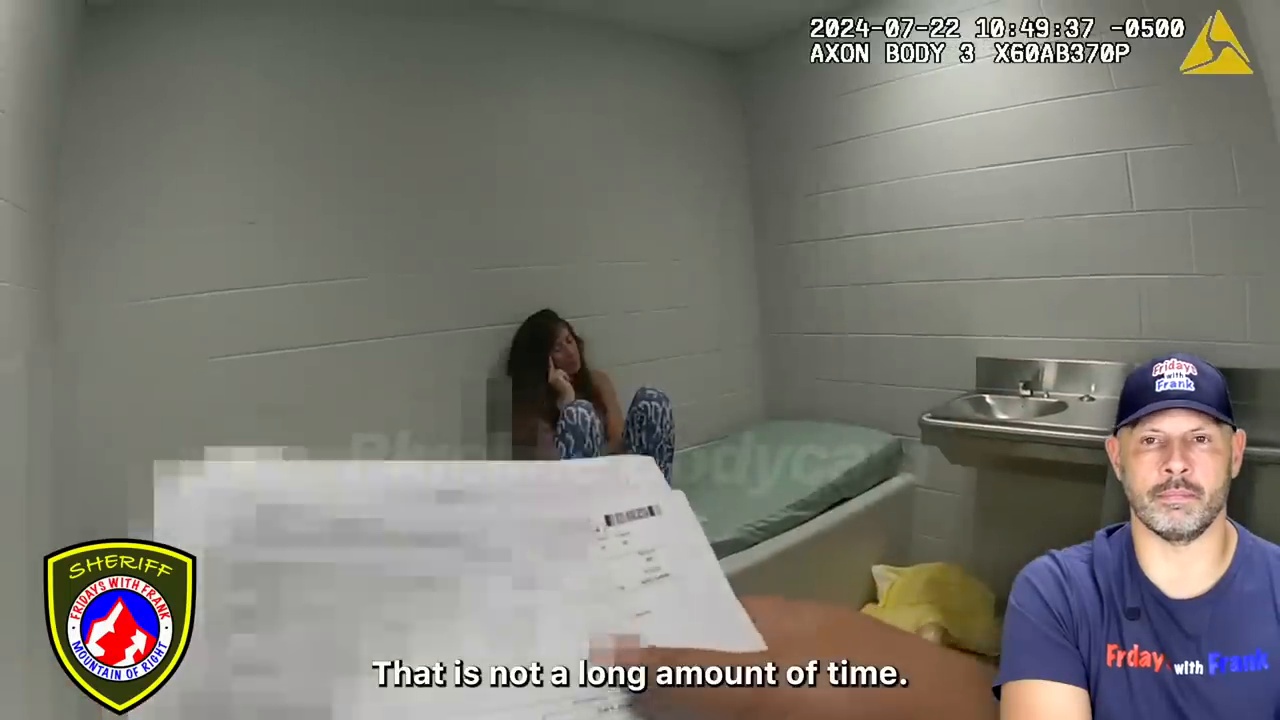
What Can Be Verified From the Video
The footage itself provides several reliable anchors. The body-camera overlay displays July 22, 2024. The woman is shown in a secure law-enforcement environment interacting with multiple officers. The encounter remains argumentative and difficult for an extended period. Officers repeatedly attempt to direct and manage her behavior. The exact initiating traffic violation, jurisdiction, woman’s identity, formal charges and final court outcome could not be independently matched to a reliable public source during research for this article. Those details are therefore intentionally omitted. This approach is especially important with viral body-camera uploads. Titles such as “Karen goes berserk” are editorial descriptions, not legal findings. They may accurately communicate the uploader’s impression of the behavior, but they should not be used as substitutes for police reports or court records. The word “Karen” also tells readers nothing about the actual legal case. The meaningful questions are what officers observed, what commands were given, what actions occurred and what evidence supported any arrest or charge. By separating the visible footage from unsupported background claims, the encounter remains compelling without inventing facts.
A Difficult Detention Becomes the Real Story
The most revealing part of this video is not any single shocking moment. It is the duration of the confrontation and the number of times officers have to reset the interaction. A routine traffic stop can become complicated when a driver refuses directions, becomes emotionally volatile or behaves unpredictably after detention. Once the person is in custody, officers cannot simply walk away. They remain responsible for security, documentation and the detainee’s immediate welfare. The footage captures that burden in real time. Officers alternate between conversation, observation and physical intervention. The woman continues to argue and resist parts of the process, stretching an encounter that might otherwise have ended quickly. Without a verified incident report, it would be easy to fill the gaps with assumptions about intoxication, motive or criminal history. This article deliberately does not do that. The available evidence is enough to describe the escalation without creating a biography or legal outcome that cannot be supported. For viewers, the complete footage provides context that short viral clips often remove. The beginning, the repeated warnings, the transitions between officers and the long custody sequence all affect how the confrontation should be understood. Ultimately, the incident demonstrates how quickly police work can shift from traffic enforcement to detainee management. The headline moment may attract attention, but the full video shows a more complicated reality: officers attempting to complete an arrest process while dealing with a person whose behavior remains unpredictable from one minute to the next.
Watch the complete encounter to see how a traffic stop develops into a prolonged and increasingly difficult detention.
Comments (0)
Loading comments...
May You Like

Entitled Driver Skips the Line and Gets Instant Karma3

🚨⛽ Man Caught in a Disturbing Incident at a Gas Station | Police Respond US