
Traffic Stop Gets Tense When Passenger Refuses To Cooperate
A routine vehicle stop can change quickly once an officer begins speaking with everyone inside the car. What initially appears to be a straightforward roadside interaction may become more complicated when a passenger does not respond to requests or refuses to follow instructions.
The tension often builds through a series of small moments. Officers have to determine what is happening inside the vehicle while keeping their attention on the driver, the passenger, nearby traffic, and their own safety. In bodycam footage, these encounters can show just how quickly a normal traffic stop can become difficult.


A ROUTINE STOP STARTS TO CHANGE
The encounter begins with officers approaching a vehicle during a traffic stop. The driver is contacted first, while attention gradually turns toward the passenger inside the vehicle.
Rather than simply following the officer's instructions, the passenger becomes increasingly UNCOOPERATIVE. Questions and requests are met with hesitation, refusal, or continued resistance.
At this stage, officers must decide how much intervention is necessary while trying to keep the situation under control.
THE PASSENGER REFUSES TO COOPERATE
As the conversation continues, the officer makes additional requests to the passenger. The passenger does not immediately comply, creating uncertainty about what is happening inside the vehicle.
A passenger's legal obligations can depend on the circumstances and the laws of the jurisdiction. During a traffic stop, passengers are generally considered detained for Fourth Amendment purposes, but whether an officer can require identification or take further action depends on the specific facts and applicable law.
That distinction becomes important when an otherwise ordinary traffic stop begins turning into a confrontation.


OFFICERS TRY TO TAKE CONTROL
With the passenger continuing to resist instructions, officers have to reassess the situation. Their focus shifts from simply conducting the original traffic stop to maintaining control of the encounter.
The officers continue giving commands and attempting to gain cooperation before the situation becomes more physical. Every movement inside the vehicle matters, particularly when officers cannot clearly see what the passenger may be doing.
This is one reason CLEAR COMMUNICATION AND CONTROL are important during roadside encounters.
THE TENSION ESCALATES
As cooperation remains limited, the distance between a verbal disagreement and physical intervention becomes smaller.
The officers must balance several concerns at once: keeping the driver under control, watching the passenger, monitoring traffic around the stop, and determining whether further action is justified.
For the passenger, refusing instructions may appear to be a way of challenging the officers. For the officers, however, continued noncompliance can create additional uncertainty about the situation.


A ROUTINE TRAFFIC STOP BECOMES A POLICE ENCOUNTER
What began as a normal roadside stop can become significantly more complicated once cooperation breaks down. The passenger's behavior becomes a central part of the encounter, forcing officers to decide how to proceed.
The incident also demonstrates why traffic stops can develop unpredictably. A vehicle may be stopped for one reason, yet the interaction can evolve as officers observe new behavior or receive new information.
FINAL THOUGHTS
This type of bodycam encounter highlights the importance of FOLLOWING INSTRUCTIONS, STAYING CALM, AND AVOIDING UNNECESSARY ESCALATION during a police stop. At the same time, the exact legal obligations of a passenger depend on the jurisdiction and the circumstances of the encounter.
The key moment comes when a routine stop stops being routine—and officers must respond to a passenger who refuses to cooperate.
Comments (0)
Loading comments...
May You Like

Woman Tries to Stop Police From Arresting “Brother” — He Denies Knowing Her
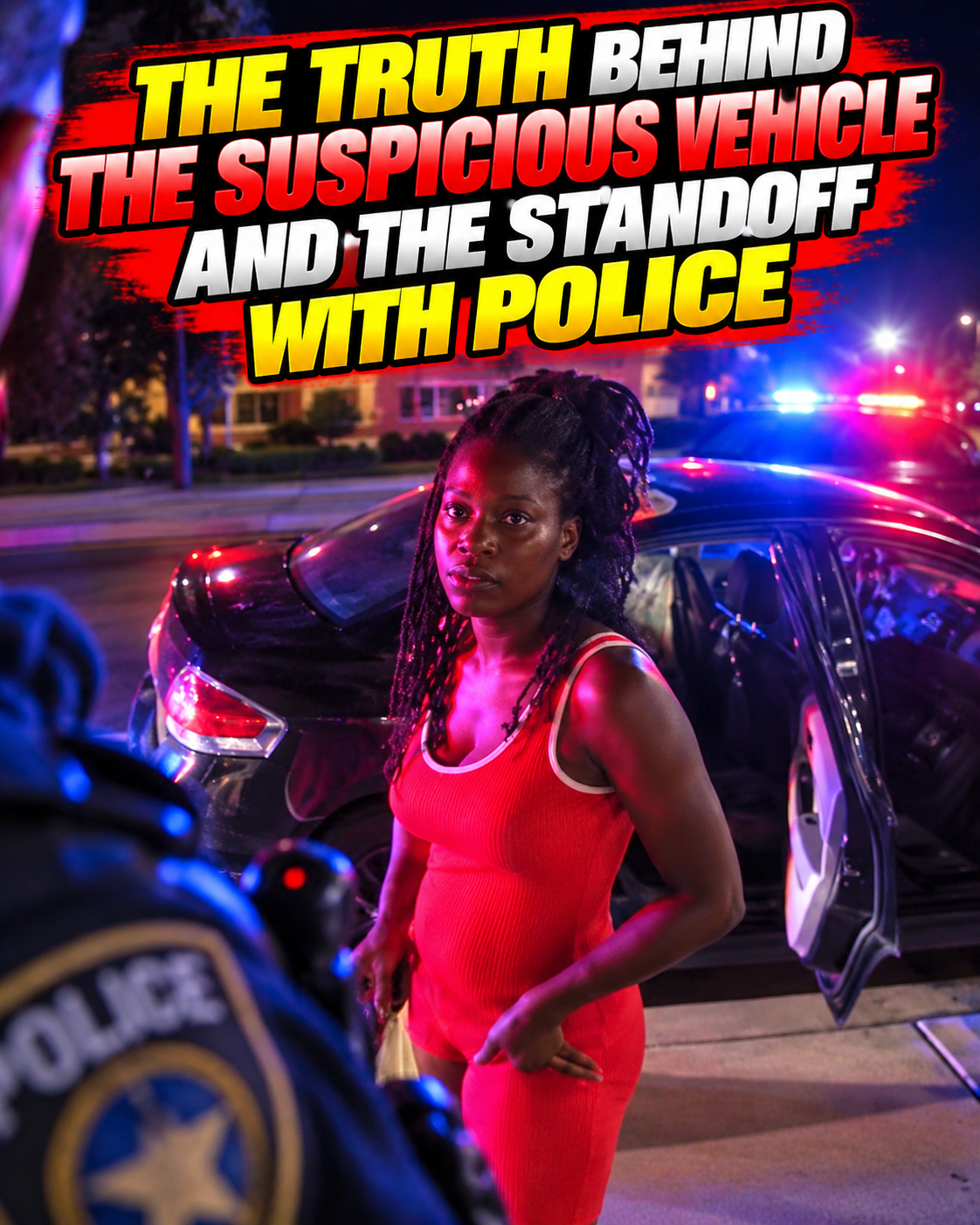
The Truth Behind the Suspicious Vehicle and the Standoff with Police

One Driver’s Decision to Flee Brings Police Racing After Him













