They Had Cash in Their Hands—But Police Said the Merchandise Was Already Stolen
They Had Cash in Their Hands—But Police Said the Merchandise Was Already Stolen
Police are already inside the store investigating suspected shoplifting when one of the women produces a stack of cash. What follows is a frustrating lesson in why offering to pay after a detention may not undo what store security says happened before it.

Cash Appears Only After the Stop
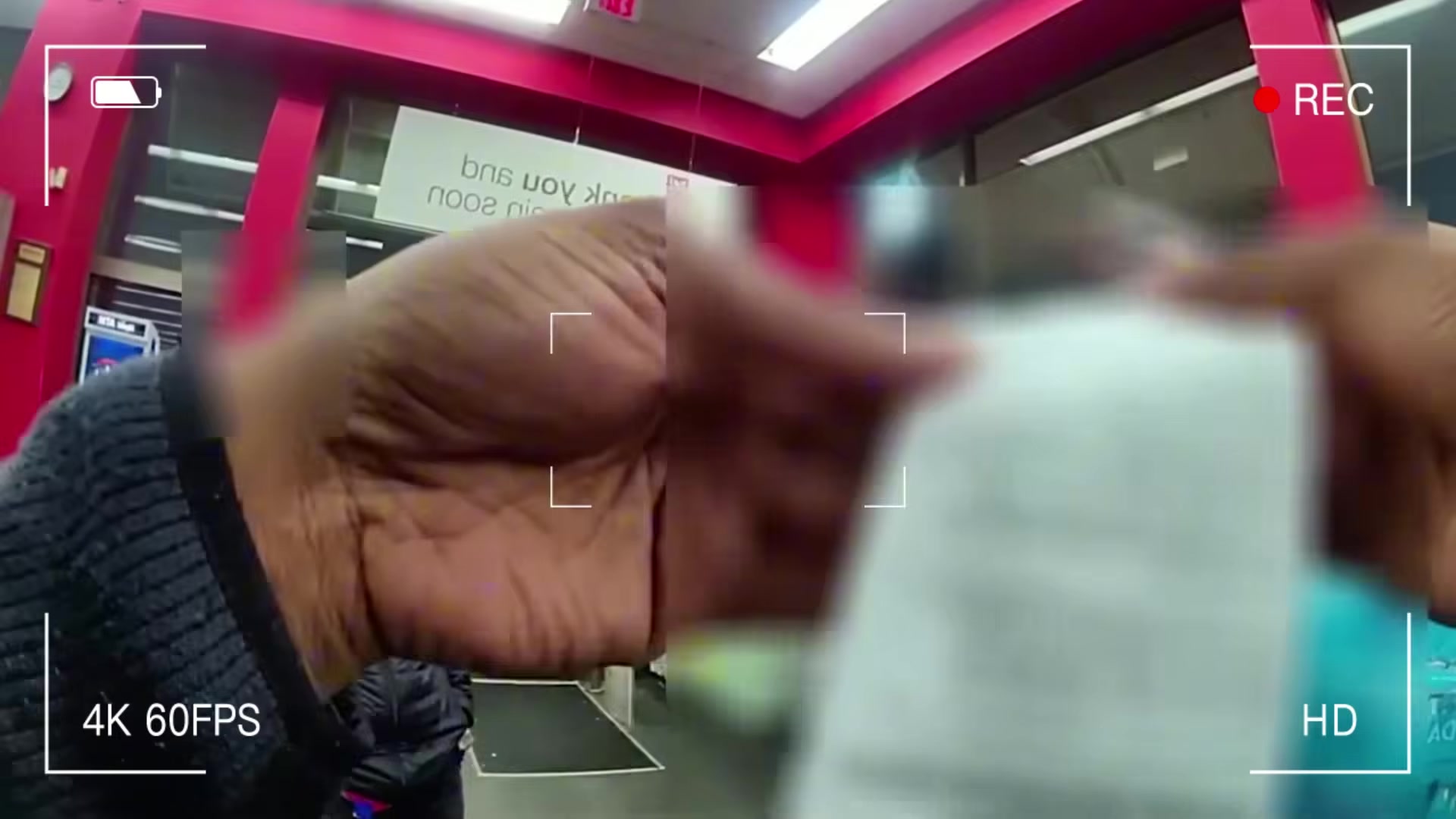
Two women stand near the front of a brightly lit pharmacy while police and store personnel question them about merchandise. Then comes the detail that makes the footage instantly frustrating to watch: cash appears in one woman’s hands.
At first glance, the explanation seems simple. If they have money, why not just pay? But once store loss-prevention personnel have stopped a suspected theft and police are already investigating, producing cash does not automatically rewind the encounter. The key question is no longer whether the shoppers are capable of paying. It is what happened before they were stopped.
That difference drives the entire body-camera sequence. The women remain focused on the possibility of paying for the items. Officers and store staff are focused on whether merchandise had already been concealed, passed beyond the point of sale, or otherwise taken without payment. Those are two very different versions of the same moment.
The supplied footage takes place inside what visually appears to be a CVS-style pharmacy, identifiable by the store’s red interior branding and retail layout. The encounter remains largely conversational, but tension rises as the women realize that offering money may not end the investigation.
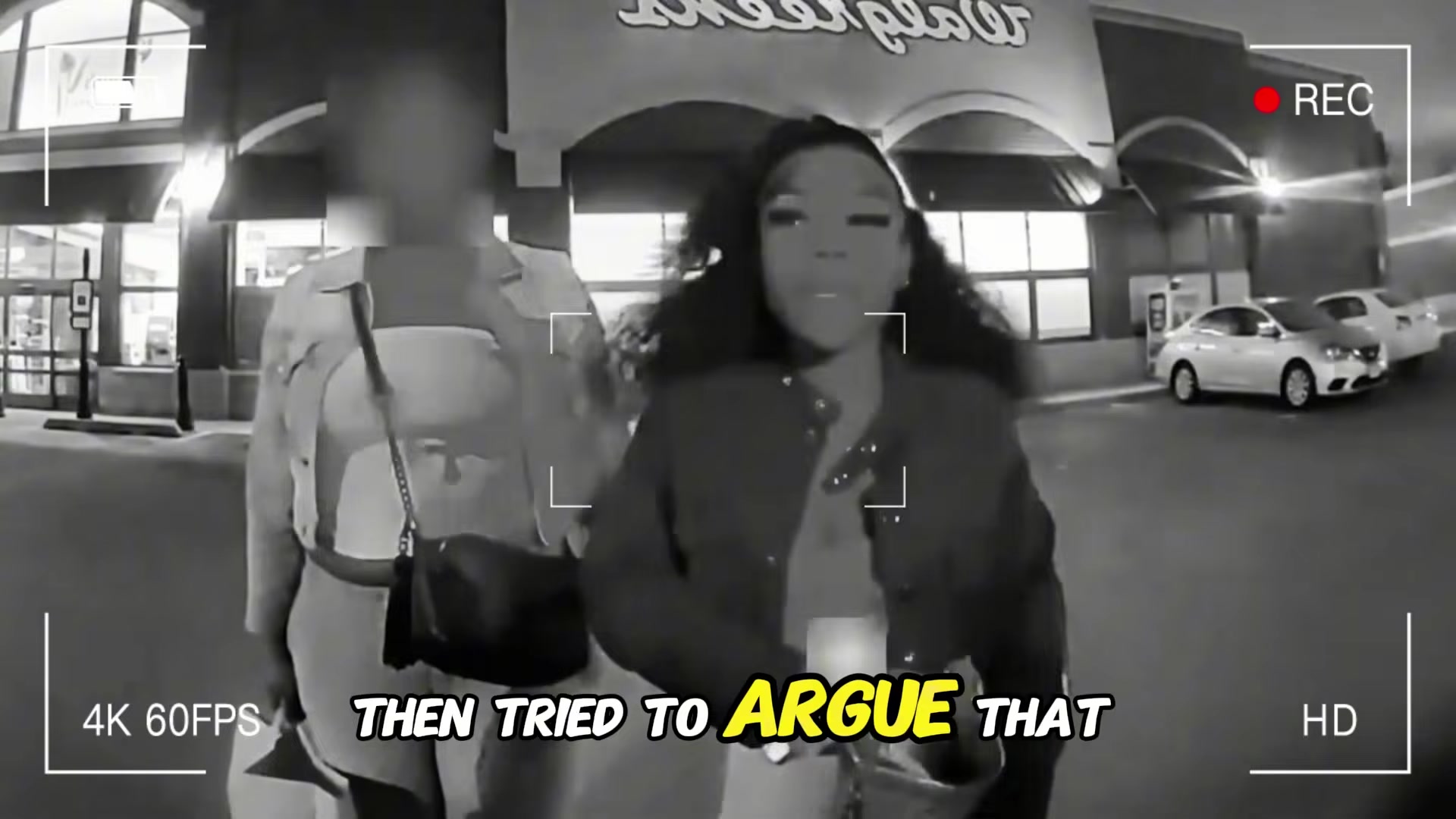
Why Offering to Pay Does Not Automatically End a Shoplifting Investigation
A common misconception in retail-theft encounters is that a customer can simply pay after being caught and erase whatever happened beforehand. In practice, stores and police look at the conduct that occurred before the detention.
Retail theft laws vary by state, but investigators commonly consider whether a person intentionally concealed merchandise, altered packaging or labels, bypassed a checkout, failed to scan items, or passed the last point where payment would normally be made. If employees believe those actions establish an attempted or completed theft, a later offer to pay may be relevant to the circumstances without necessarily eliminating the alleged offense.
That is why the cash in this video becomes such a striking visual. To the women, it appears to support the argument that they can resolve the situation immediately. To the people investigating the incident, it may arrive too late to change what they believe already happened.
The body camera captures that disconnect in real time. Instead of the appearance of cash calming the scene, it creates another subject for debate.
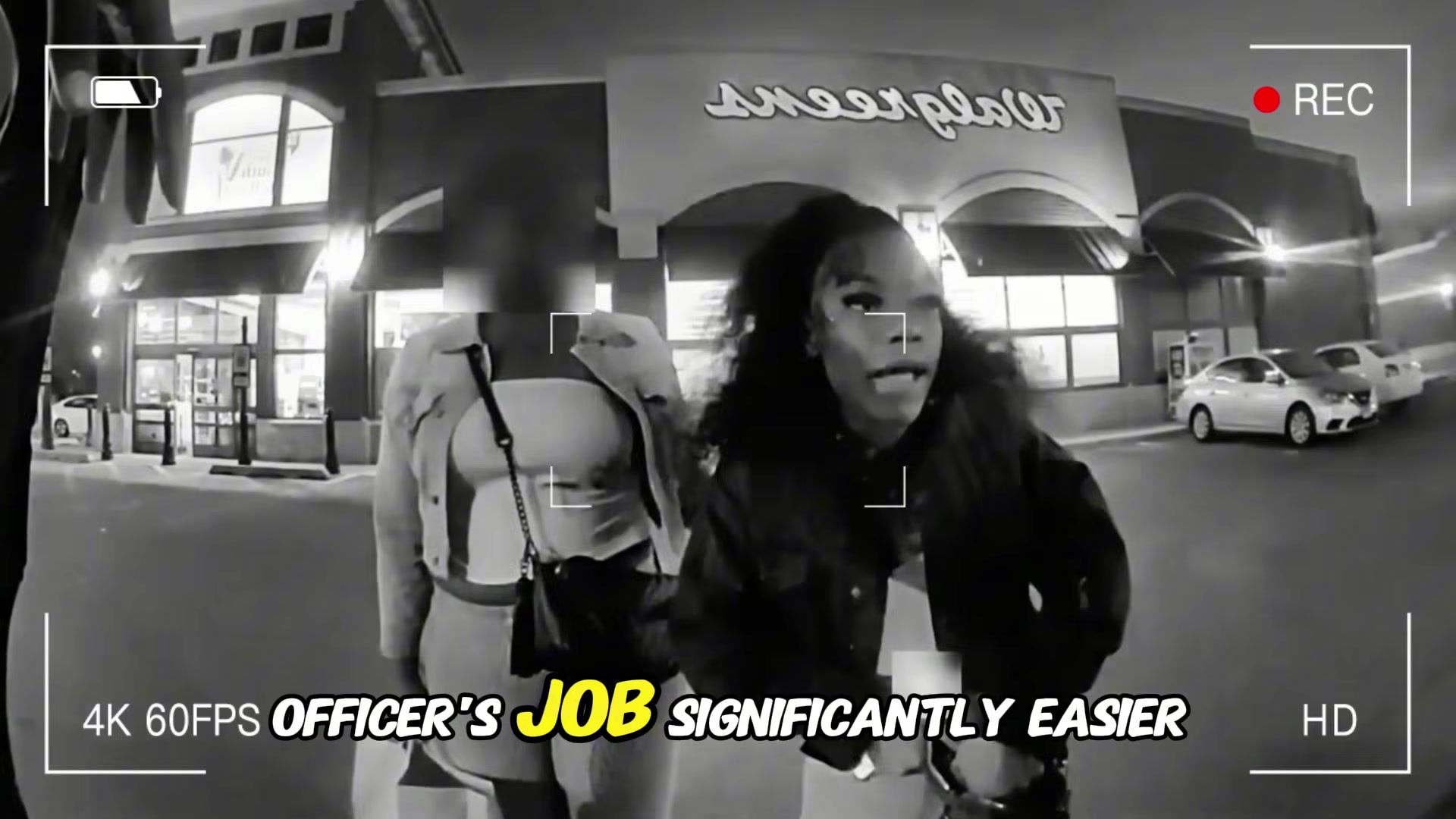
Store Employees Usually Build the Case Before Police Arrive
Retail-theft cases often begin long before a uniformed officer enters the building. Large retailers and pharmacies may use ceiling cameras, electronic article surveillance, locked displays, transaction records and employees trained to observe suspicious activity.
Loss-prevention personnel generally want to know what happened from selection to attempted exit. Did the shopper pick up the item? Was it concealed? Was there continuous observation? Did the person bypass an opportunity to pay? Was the merchandise recovered?
Those details matter because an officer arriving later may not have personally witnessed anything in the aisles. The officer instead has to gather statements, review what employees observed, identify the merchandise and determine whether there is sufficient legal basis for enforcement.
The supplied footage shows this investigative atmosphere clearly. Police are not merely deciding whether the women currently possess cash. They are trying to reconstruct what store personnel say occurred before the camera reached this part of the encounter.
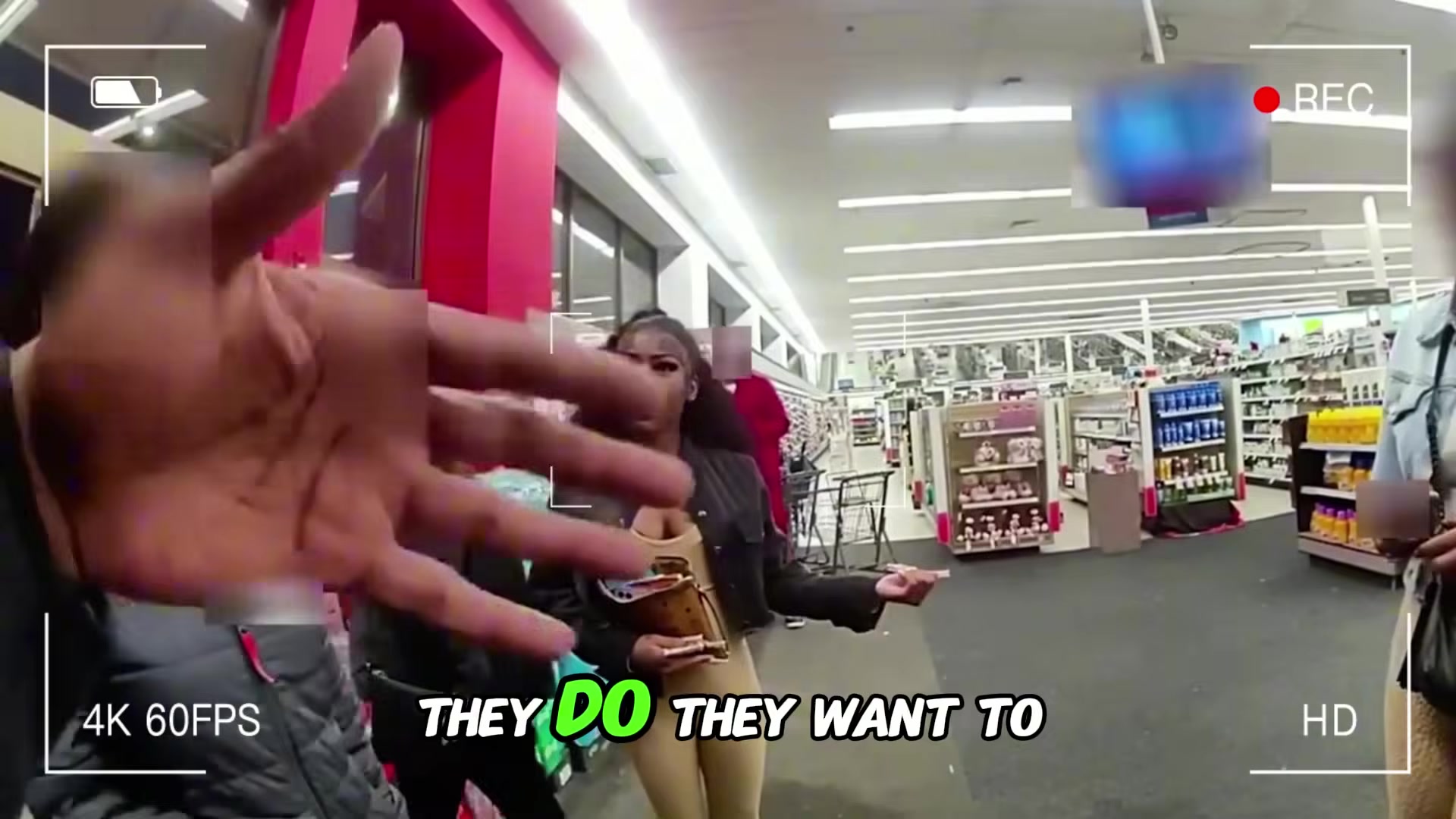
The Conversation Becomes a Battle Over Intent
Shoplifting cases often turn on intent, and intent is rarely visible as a single physical object. It has to be inferred from behavior and circumstances.
A shopper who accidentally misses one item at self-checkout presents a different factual picture from someone who hides merchandise and walks past every register. Likewise, a person who immediately returns to correct a mistake may be viewed differently from someone who offers to pay only after being detained.
That does not mean every store accusation is correct. Loss-prevention employees can misunderstand behavior, technology can malfunction and innocent shoppers can be wrongly suspected. This is why video, receipts, transaction histories and complete witness statements matter.
In the footage, however, the argument over money does not appear to persuade the investigators to simply dismiss the situation. The cash proves that money is available at that moment. It does not, by itself, establish what the women intended earlier.
That distinction is the heart of the story and the reason the encounter continues rather than ending at the register.
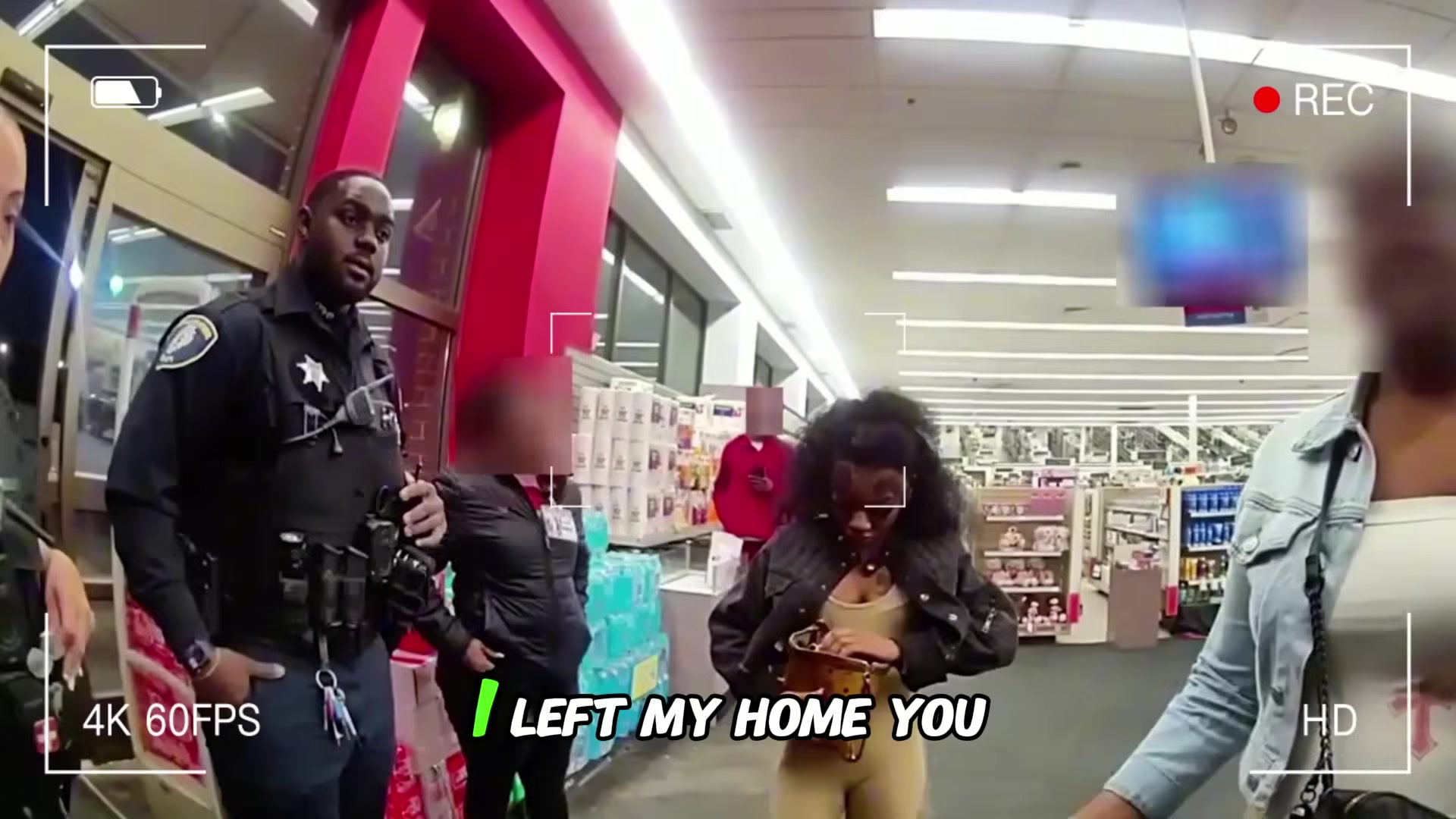
Bodycam Turns an Ordinary Retail Dispute Into a Timeline
Without video, a shoplifting report can sound dry: employees observed suspicious activity, police arrived, merchandise was recovered and suspects were questioned. Body-camera footage transforms those lines into a human interaction.
Viewers can see the women’s expressions change as they realize police are taking the allegation seriously. They can watch the back-and-forth over payment and hear the repeated effort to explain what happened. They can also see the store environment surrounding the investigation rather than imagining an abstract crime scene.
The footage is particularly useful because it shows how different people define the turning point. For the shoppers, the crucial moment may be when they show that they have money. For loss prevention, the crucial moment may have happened minutes earlier in an aisle or near the exit. For police, the crucial moment is when all of the available evidence gives them enough reason to decide what happens next.
Those competing timelines explain why everyone can appear to be discussing the same event while actually arguing about different moments.
A Viral Title Can Oversimplify What the Camera Shows
“They Pulled Out Cash After Cops Caught Them Shoplifting” is an effective social-media hook because it contains an obvious contradiction: why steal if you have money?
But the footage deserves more careful wording. Being stopped or accused of shoplifting is not the same as being convicted of retail theft. A responsible account should distinguish between what store employees allege, what police investigate and what a court ultimately proves.
For that reason, this article avoids inventing names, a city, criminal charges or a court outcome. I searched for public reporting that could be matched confidently to the exact women, store interior and sequence in the supplied video, but I did not find a sufficiently reliable case match. Similar two-woman shoplifting cases at CVS and other retailers are common, and attaching the wrong report would be worse than leaving the identities unconfirmed.
The video itself remains useful evidence of the encounter. It clearly shows two women being questioned in a pharmacy-style retail environment, money being displayed during the discussion and the investigation continuing afterward.
Why Retailers May Refuse a Late Payment
From a business perspective, allowing every detained shoplifting suspect to pay only after being caught could create a perverse incentive. A person could attempt to leave without paying and, if stopped, simply treat the detention as a delayed checkout.
Retailers therefore often separate the commercial question—whether they want the merchandise back—from the legal question of whether they believe a theft has already occurred. Once loss prevention decides to involve police, an employee may no longer be interested in accepting payment as a resolution.
Policies differ by company and jurisdiction, and an individual employee does not determine criminal guilt. But the logic helps explain the reaction seen in bodycam videos like this one. The women’s ability to produce cash does not necessarily answer the store’s allegation about their earlier conduct.
This is also why the best evidence in these cases often exists away from the body camera: surveillance footage from aisles, point-of-sale records, recovered merchandise and loss-prevention notes.
The Most Important Evidence May Be Off Camera
Police body cameras are powerful, but they begin recording the officer’s perspective, not the entire history of the suspected theft. By the time an officer arrives, the most important actions may already have happened.
That limitation should shape how viewers interpret the video. The women’s explanations are evidence of what they say happened. The employees’ statements are evidence of what they say they observed. Neither side’s account should automatically replace objective store video when that video exists.
A complete investigation can include CCTV showing item selection and concealment, receipts showing which products were actually purchased, inventory records, security tags, witness statements and the exact location where the shoppers were stopped.
The bodycam then adds another layer: what everyone said when confronted with those facts.
That makes this footage valuable without making it complete. It captures the reaction to the accusation more clearly than it captures the alleged theft itself.
The Cash Creates the Irony, but the Sequence Creates the Story
The reason this incident works so well as a bodycam story is the irony. Viewers see money and naturally wonder why the situation has reached the police at all.
But the deeper lesson is about timing. Payment is supposed to happen before merchandise is taken beyond the point where the store expects payment. If investigators believe that line was already crossed intentionally, the appearance of cash afterward changes the conversation but may not erase the allegation.
That is also why the new title—“They Had Cash in Their Hands—But Police Said the Merchandise Was Already Stolen”—better reflects the conflict. It keeps the curiosity of the original while avoiding the implication that a conviction has already been established.
The video becomes less about whether the women possess money and more about whether they can persuade officers that the earlier conduct was a misunderstanding rather than theft.
What the Full Encounter Reveals
By the end of the recording, the initial surprise of seeing cash has given way to a more methodical police process. Questions are asked, explanations are repeated and the incident moves toward whatever enforcement decision officers believe the evidence supports.
For viewers, the most useful approach is to resist deciding the case from a single frame. Cash in someone’s hand does not prove innocence. An accusation from a store employee does not prove guilt. The strength of a retail-theft case depends on the complete sequence and the evidence supporting it.
The supplied footage is compelling precisely because the women appear to believe payment can still solve the problem while the investigators behave as though the decisive moment has already passed.
That gap produces nearly six minutes of tension from what might otherwise seem like a mundane retail call.
It also demonstrates why bodycam footage should be watched in full. A short clip showing only the cash would make the officers’ response seem confusing. A clip showing only the detention could make the women’s explanation disappear. The complete sequence gives both parts of the confrontation room to be understood.
Ultimately, the story is not simply “women had money but shoplifted.” It is about the point at which an ordinary shopping trip becomes a police matter—and why trying to pay after that point may no longer be enough to make the allegation disappear.
The cash is the moment that grabs attention, but the real explanation lies in what store personnel say happened before police stepped into the conversation.
See why the money in their hands wasn’t enough to make the problem disappear—open the full video and follow the encounter from the first accusation to the final moments.
Comments (0)
Loading comments...
May You Like

MERIDEN POLICE OFFICER SHOOTS MAN BEATING FATHER WITH A BASEBALL BAT

Couple Arrested for leaving 10 Dogs and Cats in Hot car in Florida