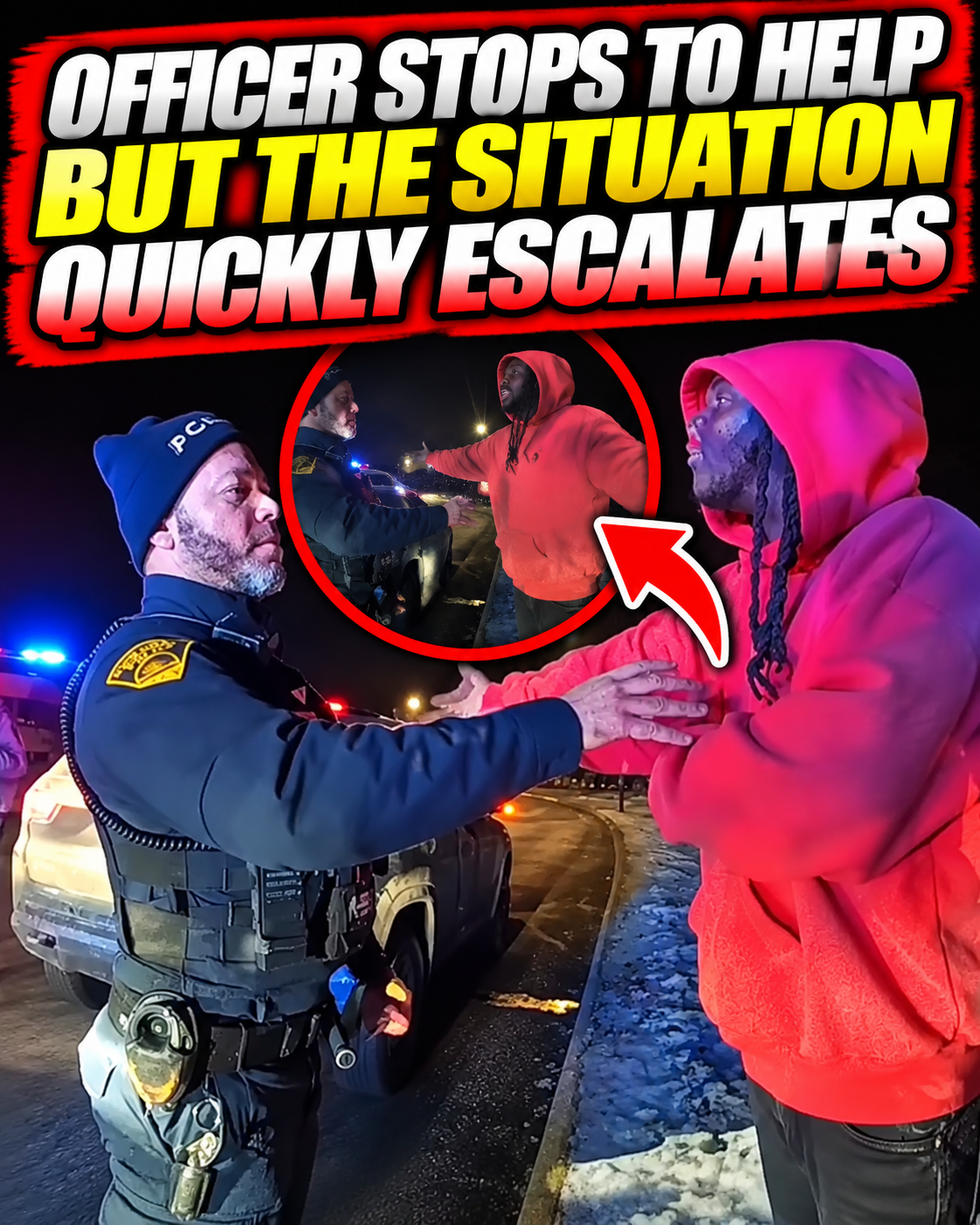
The Driver Was Cooperating—Then His Passenger Turned the Stop Into a Bigger Problem
The Driver Was Cooperating—Then His Passenger Turned the Stop Into a Bigger Problem
The driver is the reason police stopped the SUV, but within minutes the passenger becomes the center of attention. Repeated arguments and warnings transform a routine roadside encounter into a second police problem.
A Traffic Stop Changes the Moment the Passenger Joins In
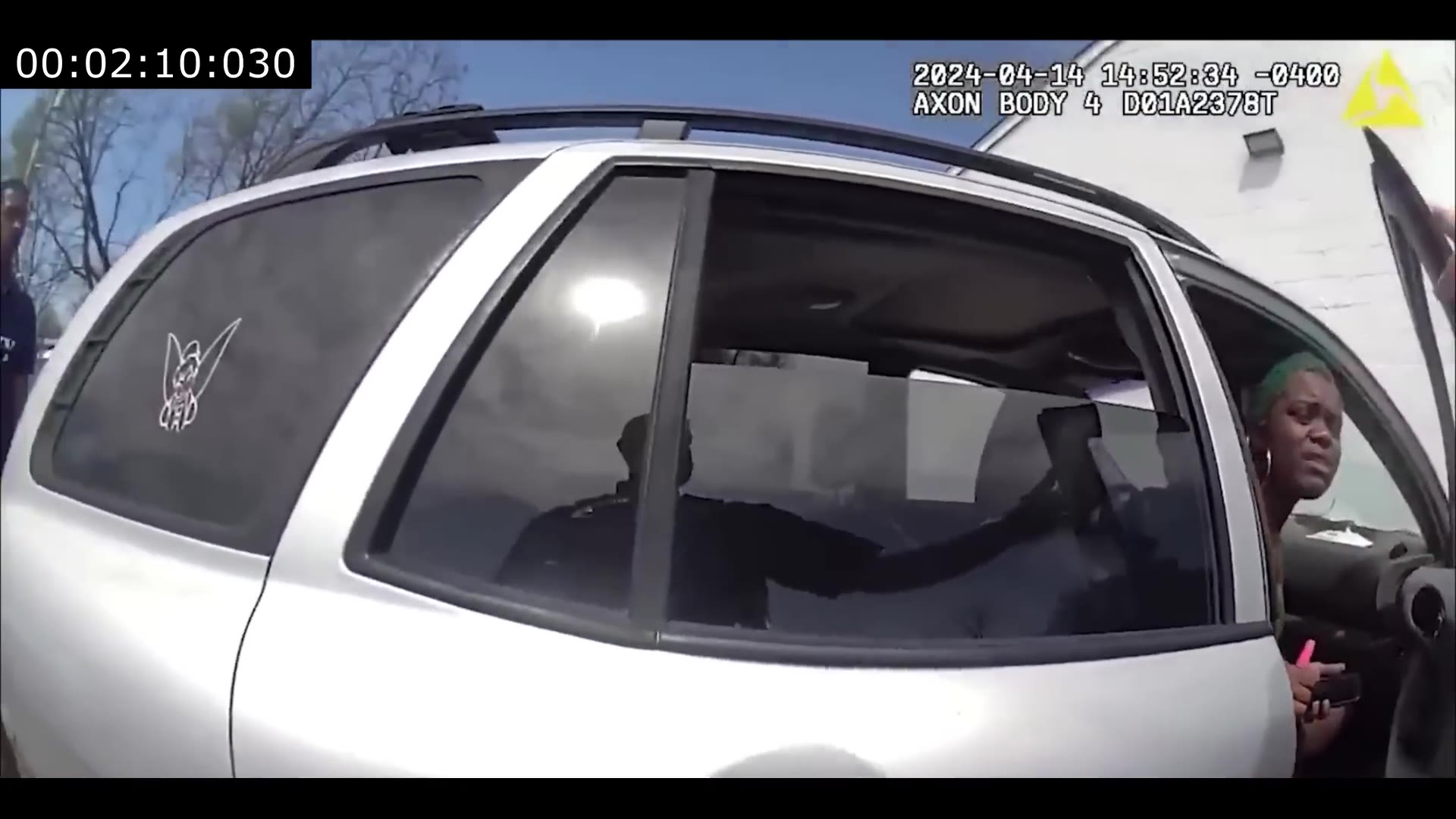
The body-camera footage is timestamped April 14, 2024, shortly after 2:50 p.m. What begins as an ordinary daytime traffic stop quickly becomes more complicated because the passenger refuses to remain a background figure. Officers are initially focused on the vehicle and the reason for the stop, but the woman in the passenger seat repeatedly inserts herself into the encounter.
That distinction matters. During most traffic stops, officers primarily deal with the driver because the driver is responsible for operating the vehicle. Passengers can ask questions and generally retain constitutional rights of their own, but a passenger who repeatedly interferes with instructions can change the entire dynamic of the stop.
The footage captures that transformation. The woman speaks forcefully from inside the SUV, challenges officers and continues engaging even as the officers try to manage the roadside investigation. What could have remained a limited exchange with the driver gradually becomes a separate confrontation centered on the passenger’s behavior.
The most compelling part of the recording is not a single dramatic sentence. It is the accumulation of interruptions, warnings and increasingly direct police instructions. Each moment raises the same question: will the passenger allow officers to finish the stop, or will her own conduct become the main issue?
The SUV Becomes the Center of a Growing Argument
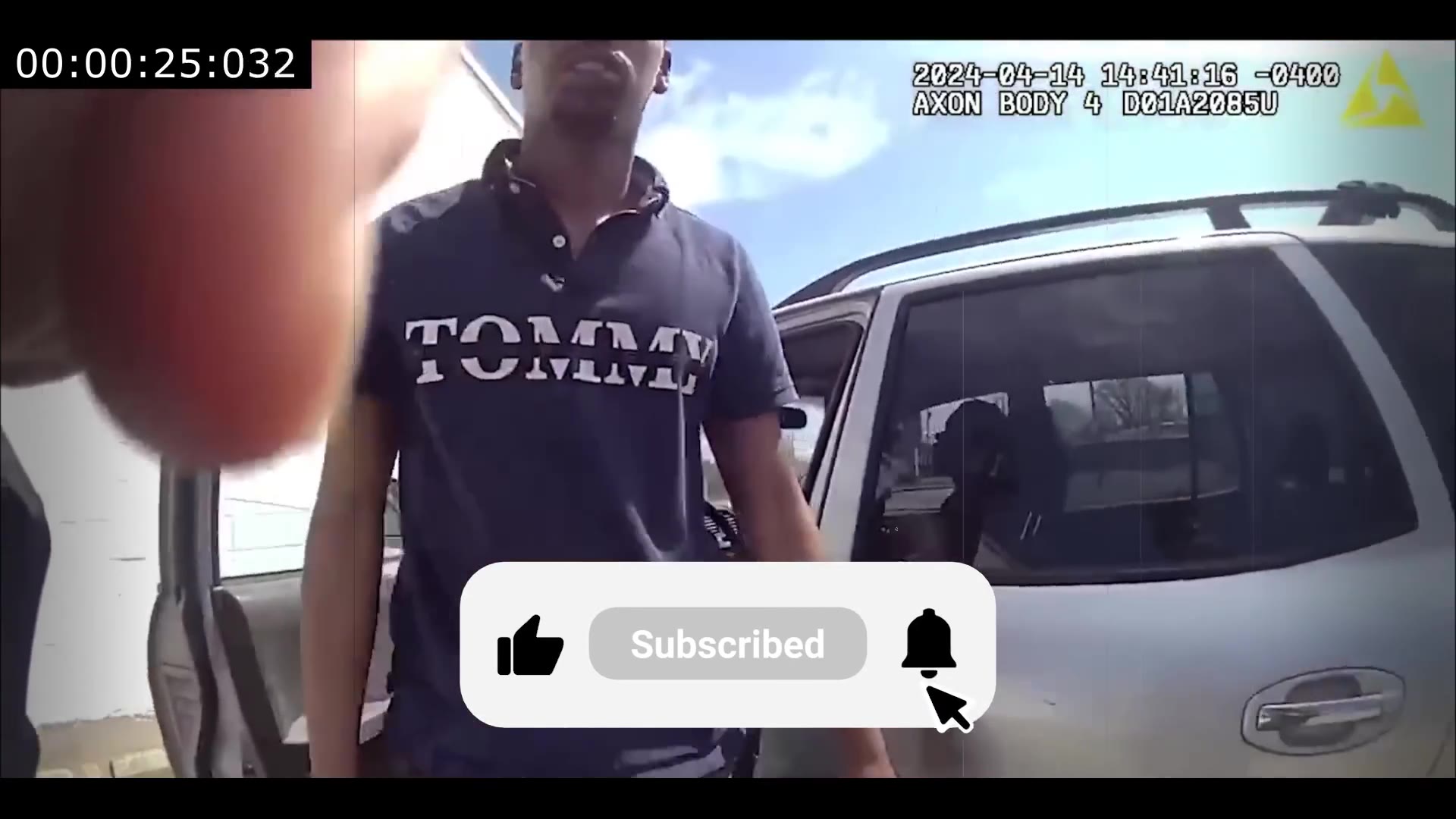
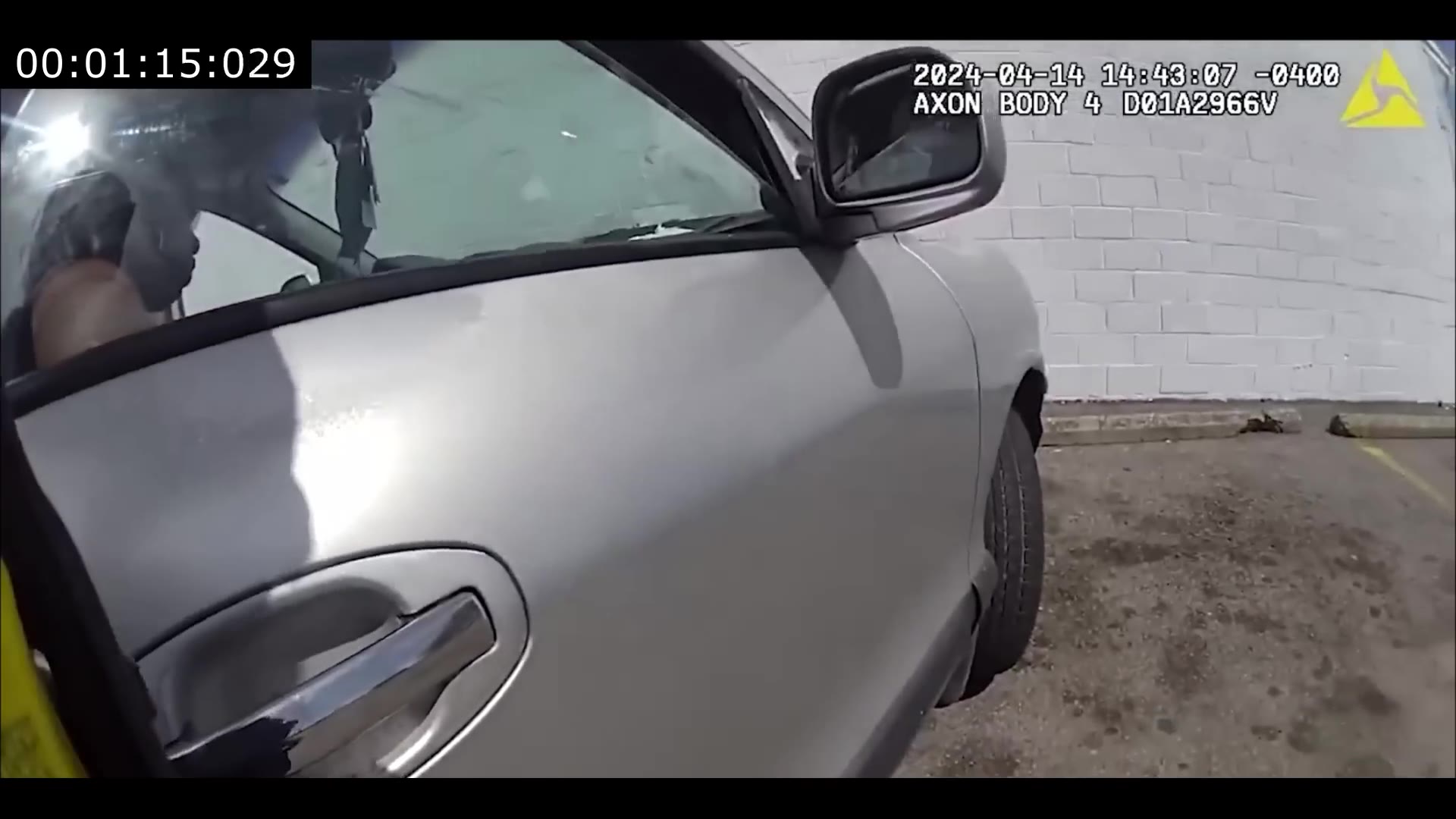
The footage shows a silver SUV stopped beside a commercial building. The passenger remains seated with the door open while officers stand close enough to communicate directly with her. The body-camera overlay identifies the recording system as AXON BODY 4 and provides a reliable timestamp, but the visible information does not by itself identify the police department or the occupants.
Inside a vehicle, every police interaction is compressed into a small space. Officers have limited visibility, occupants have limited room to move and even simple gestures can become difficult to interpret. A passenger leaning forward, reaching into a bag or moving toward a door may have an innocent explanation, but officers still have to evaluate those movements while managing the driver and the traffic environment.
The passenger’s continued verbal involvement makes that job harder. Instead of one conversation, officers now have multiple people talking at once. The stop begins to require more attention and more officers.
This is a common pattern in body-camera footage: the original reason for a stop becomes less important than the behavior that occurs after the emergency lights come on.
Passengers Have Rights, but the Roadside Is Still a Controlled Scene
A passenger does not lose constitutional protections simply by riding in a vehicle that police stop. Passengers can observe police activity, ask questions and, in many circumstances, record officers. At the same time, a lawful traffic stop is a temporary detention in which officers have recognized safety interests.
Courts have long acknowledged that traffic stops can be unpredictable. Officers often do not know whether the people inside a vehicle are wanted, armed or likely to flee. That uncertainty is why officers may issue instructions designed to control positioning and reduce risk.
The difficult question is where ordinary disagreement ends and actionable interference begins.
The supplied video is useful because it shows that line being negotiated in real time. The woman appears convinced that she should be able to challenge what officers are doing. Officers appear increasingly convinced that her behavior is preventing them from completing the encounter safely and efficiently.
Without a matching official report, this article does not claim the precise legal basis for every order or the ultimate charge, if any. The bodycam nevertheless shows how quickly a passenger’s conduct can become a separate police concern.
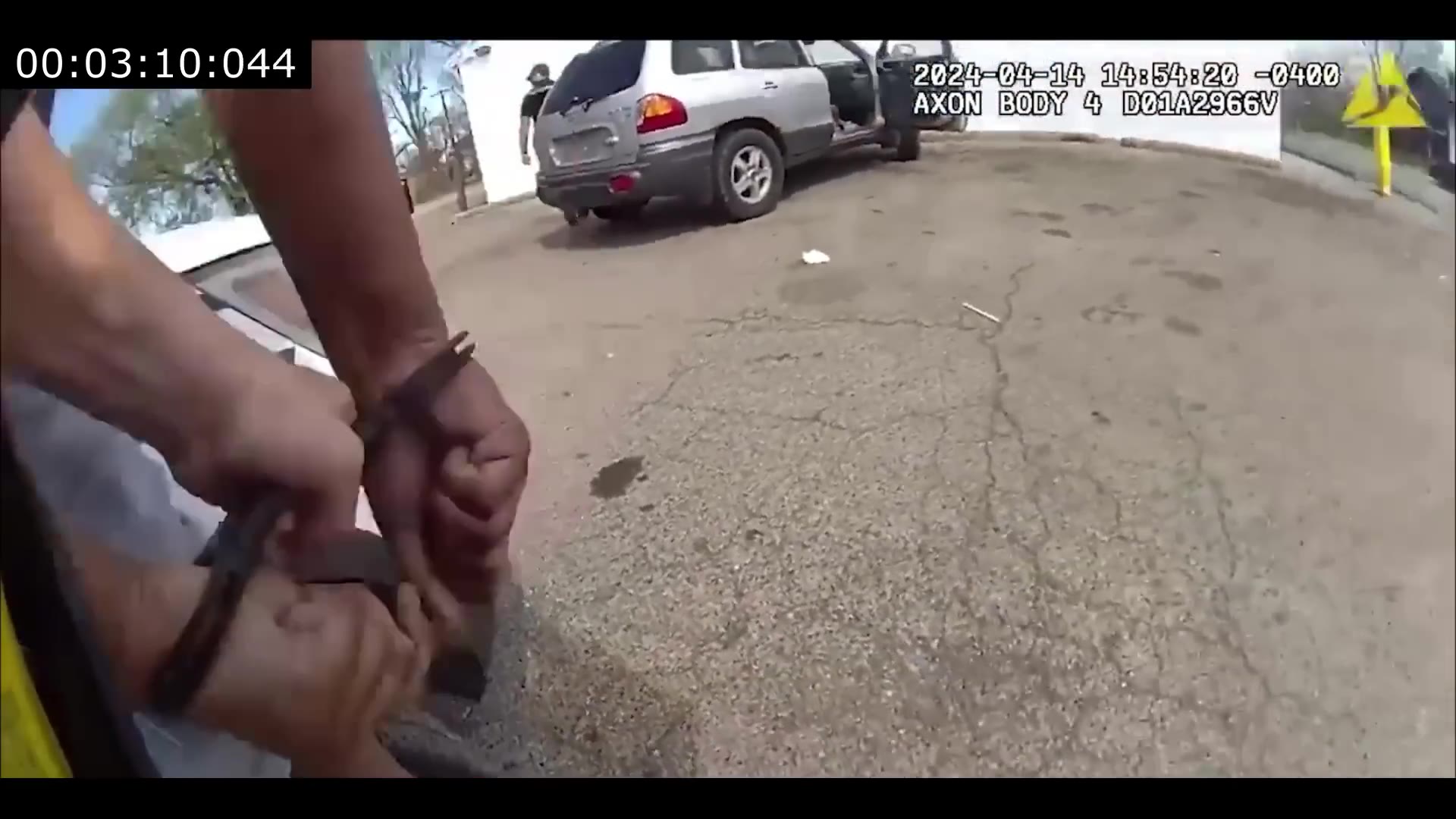
Repeated Warnings Make the Stakes Clearer
As the encounter progresses, officers become more direct with the passenger. This is an important stage because police interactions often escalate through warnings before they escalate through physical action.
A warning gives a person information and a choice. The officer identifies the behavior that needs to stop and explains, explicitly or implicitly, that continued refusal may have consequences. When the behavior continues after that point, officers may interpret it differently from an initial misunderstanding.
The passenger keeps talking and challenging the officers. Her frustration is visible, but so is the officers’ growing determination to control the scene.
This does not mean irritation itself justifies enforcement. Police cannot lawfully arrest someone merely because the person is rude, critical or unpleasant. The relevant issue is conduct and whether that conduct crosses a legal threshold such as obstruction, refusal to comply with a lawful order, or another offense recognized in the jurisdiction.
That distinction is one reason the full footage matters. A short clip can make an arrest look like punishment for speech when earlier portions may show repeated conduct-based warnings. Conversely, an edited clip can remove evidence that the passenger was merely speaking rather than interfering. Context is essential.
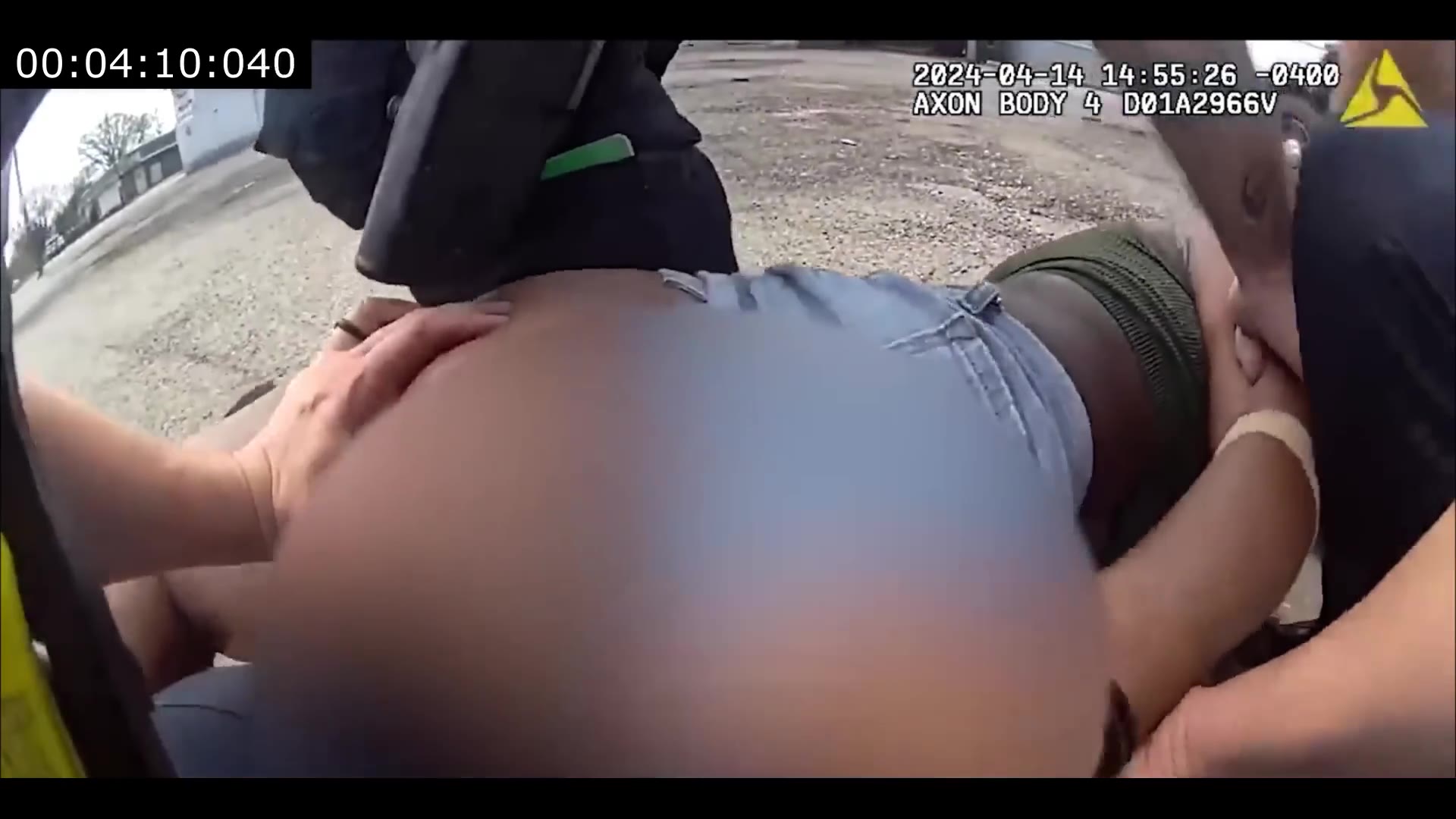
The Passenger Door Becomes the Turning Point
One of the clearest visual turning points occurs around the open passenger door. Officers are no longer simply speaking through a closed window. They are positioned immediately beside the passenger, and the encounter is moving toward a decision.
The open door changes the physical relationship between everyone involved. The passenger can exit, officers can reach the interior more easily and the boundary between conversation and physical control becomes much thinner.
In the footage, the woman continues to argue while officers maintain their positions. The body camera is close enough to capture her facial expressions and gestures, making the tension unmistakable.
For a viewer, this is the moment to pay attention not only to what is being said but also to what everyone is doing. Are hands visible? Is the passenger following positioning instructions? Are officers giving time to comply? Is anyone attempting to move away?
Those details are more meaningful than a viral label such as “difficult passenger.” They are the details that explain why officers decide whether to keep talking or take action.

When Officers Take Action, the Story Is No Longer About the Driver
By the later portion of the video, the passenger has effectively become the central subject of the police encounter.
That is the irony built into the original title. She was not necessarily the reason officers initiated the stop, yet her behavior turns her into the person receiving the most attention.
This outcome is not unusual. A traffic stop is dynamic. If the driver cooperates while a passenger begins interfering, officers may finish dealing with the driver quickly but still have to address the passenger. The original violation and the later conduct become separate issues.
The footage demonstrates that process visually. Officers shift their positioning toward the passenger side. Their instructions are directed increasingly at her. Additional attention is devoted to controlling her movements and ending the argument.
What started as someone else’s traffic stop has now become her police encounter.
That progression is also why the new title focuses on the contrast between the driver and passenger rather than simply calling the woman aggressive. It tells the viewer what makes the sequence unusual: the person who was not driving becomes the person who escalates the situation.
Why Body Cameras Matter in Passenger Disputes
Passenger-related traffic-stop disputes are exactly the kind of incidents where body-camera evidence can be valuable.
Several people may later describe the same encounter differently. The passenger may remember being targeted for asking questions. An officer may remember repeated interference. The driver may have been focused on the citation and missed part of the exchange. Bystanders may see only the final physical action.
A body camera preserves the sequence.
It records when the passenger first speaks, how officers respond, whether warnings are given, how much time passes between commands and enforcement, and what happens after officers take action.
The camera still has limitations. It is attached to one officer, so it does not capture every angle. A door frame can block important movement. The microphone can record words from someone outside the frame. The camera does not reveal what an officer is thinking.
But compared with memory alone, the timestamped footage gives investigators and the public a much stronger foundation for reconstructing what happened.
The Exact Case Could Not Be Reliably Matched to Public Reporting
The uploaded footage provides one especially useful factual anchor: the AXON timestamp shows April 14, 2024, at approximately 2:50 p.m. The video also clearly shows a silver SUV, a female passenger and several officers at a daytime stop.
I searched public reporting for April 14, 2024 traffic stops involving a female passenger who escalated an encounter, along with combinations of the upload title and body-camera terminology. The results produced several unrelated incidents, including other arrests and traffic stops on the same date, but none matched this SUV, woman and sequence closely enough to responsibly identify the case.
That is an important limitation.
Traffic stops happen thousands of times every day, and a date alone is not sufficient identification. Even matching the gender of a passenger and the general type of encounter can easily lead to the wrong case.
For that reason, this article does not invent the passenger’s name, city, department, charge or court outcome. Those details should be added only if a police report, court record or credible local report can be connected to the footage through multiple matching facts.
The Passenger’s Biggest Mistake May Have Been Making Herself the Issue
The practical lesson from the video is straightforward. A passenger who believes police are treating the driver unfairly may feel compelled to intervene. But intervention can be counterproductive if it prevents officers from completing the stop.
There is a difference between documenting an encounter and controlling it.
A passenger can remember badge numbers, record from a safe position, write down what was said and help the driver challenge a citation later. None of those actions require turning the roadside into a prolonged confrontation.
Once the passenger becomes the focus, the original driver may actually receive less attention than before. The passenger has effectively created a second police problem inside the first one.
That is what makes this footage so useful for understanding escalation. The police do not arrive specifically to deal with her. Her own choices during the stop appear to bring the officers’ attention increasingly toward her.
Again, that does not mean every police response is automatically justified. It means the passenger’s behavior becomes part of the factual sequence that must be evaluated.
The Full Footage Shows How a Secondary Character Takes Over the Scene
By the end of the recording, the structure of the encounter has been completely rearranged.
At the beginning, the driver and the vehicle are the obvious focus. The passenger is simply another occupant. As the minutes pass, her objections grow louder, officers direct more commands toward her and the passenger side of the SUV becomes the center of the action.
That gradual shift is what a short clip cannot explain.
If a viewer begins only at the moment officers take action, it may appear that the passenger is suddenly being singled out. If the viewer sees the earlier minutes, the repeated interactions provide a much clearer timeline.
The new title—“The Driver Was Cooperating—Then His Passenger Turned the Stop Into a Bigger Problem”—captures that progression without claiming a specific criminal offense that has not been independently verified.
The broader lesson is not that passengers must remain silent. It is that roadside disagreements have limits. Questions, criticism and observation are different from conduct that officers reasonably believe is interfering with a lawful stop.
For officers, the footage also illustrates the importance of making those limits clear. Specific commands and warnings create a record of what behavior officers expect to change. The clearer the instruction, the easier it is for later reviewers to evaluate whether enforcement was connected to conduct rather than protected speech.
For the passenger, every additional argument creates another decision point. She can disengage and let the driver finish the stop, or continue until the officers decide that her behavior requires direct intervention.
The body camera shows which direction the encounter takes.
What makes the footage memorable is that the escalation does not come from the person behind the steering wheel. It comes from the seat beside him. A routine stop expands because someone who could have remained an observer becomes an active participant.
And once that happens, the passenger discovers a reality common to many police encounters: it is much easier to enter the center of a confrontation than it is to step back out of it.
The driver may have started the traffic stop, but the passenger’s choices determine where the officers’ attention goes next. The complete recording shows every warning and decision that shifts the focus from the steering wheel to the passenger seat.
See how someone who wasn’t even driving became the center of the entire stop—follow the link and watch the confrontation unfold from the first interruption to the officers’ final response.
Comments (0)
Loading comments...
May You Like

Neighborhood Grocery Store Suddenly Erupts Into Chaos

Woman Refuses Repeated Orders to Exit Her Car Before Officers Move In