
Tense Vehicle Standoff Unfolds as Officers Move In
POLICE BODYCAM, TRAFFIC STOPS, PURSUITS, ARRESTS & REAL-LIFE POLICE ENCOUNTERS
Every day, law enforcement officers respond to situations that can change without warning. A routine conversation on the side of the road can become an arrest. A simple attempt to stop a vehicle can turn into a dangerous pursuit. A call about suspicious activity can develop into an intense confrontation within seconds.
Today, POLICE BODYCAM AND DASHCAM FOOTAGE gives the public a much closer look at these incidents as they actually unfold. Instead of seeing only the aftermath, viewers can often follow an encounter from the officer's arrival through the final resolution.
From TRAFFIC STOPS AND HIGH-SPEED POLICE PURSUITS TO ARRESTS AND UNEXPECTED STREET ENCOUNTERS, these recordings capture the uncertainty, pressure, communication, and split-second decisions that are part of real-world police work.
POLICE BODYCAM – A FRONT-ROW VIEW OF LAW ENFORCEMENT
Body-worn cameras have become an important part of modern policing. Attached to an officer's uniform, these cameras can record conversations, commands, interactions, searches, arrests, and other significant moments during a call.
One of the most interesting aspects of bodycam footage is that the camera often begins recording before anyone knows what is about to happen.
An officer might arrive expecting a routine investigation, only to discover that the situation is far more complicated. A person who initially appears cooperative may suddenly attempt to flee. A conversation may reveal new information. Officers may discover evidence or learn that someone has an outstanding warrant.
Because of this, watching an incident from the beginning can provide important context.
Bodycam footage can show what officers were told, what they observed after arriving, what instructions were given, and how the people involved responded. These details can help viewers understand how a situation developed rather than judging an incident based only on a few dramatic seconds.

TRAFFIC STOPS – WHEN AN ORDINARY DRIVE LEADS TO A POLICE ENCOUNTER
Traffic stops happen thousands of times every day. They may begin because of speeding, reckless driving, an equipment violation, expired registration, suspected impairment, or another traffic-related issue.
In many cases, the interaction is straightforward. An officer approaches the vehicle, explains the reason for the stop, checks the driver's information, and eventually issues a warning or citation.
But officers rarely know exactly what they will encounter when approaching a vehicle.
The driver may be nervous, confused, argumentative, or unwilling to cooperate. Officers may discover that a license is suspended, a vehicle is connected to another investigation, or someone inside has an outstanding warrant.
Sometimes a driver refuses to provide information or follow instructions. In other situations, officers may develop probable cause for additional investigation based on what they observe during the stop.
Bodycam and dashcam footage allows viewers to see these interactions develop step by step. The initial reason for the stop may seem minor, but what happens afterward can completely change the direction of the encounter.

POLICE PURSUITS – SECONDS CAN CHANGE EVERYTHING
A traffic stop becomes significantly more dangerous when a driver decides not to stop.
Flashing emergency lights appear behind the vehicle, but instead of pulling over, the driver accelerates. Within moments, an ordinary traffic encounter can turn into a police pursuit involving multiple officers and agencies.
During a pursuit, circumstances can change constantly.
Speeds increase. Traffic becomes heavier. The fleeing driver may ignore traffic lights, cross into opposing lanes, make sudden turns, or travel through residential areas. Officers must communicate with dispatch and other units while continuing to evaluate the risks around them.
Dashcam footage often provides some of the most dramatic views of these incidents, showing patrol vehicles following suspects through streets, highways, intersections, and neighborhoods.
Additional officers may position themselves ahead of the pursuit or attempt to deploy tire-deflation devices. Depending on the circumstances and department policies, officers may also attempt other methods of safely bringing the vehicle to a stop.
But stopping the vehicle does not always end the incident.
The driver may immediately surrender, refuse to exit, or abandon the vehicle and attempt to escape on foot. This can transform a vehicle pursuit into a foot chase within seconds.

ARRESTS – WHEN OFFICERS TAKE CONTROL OF THE SITUATION
An arrest can happen quietly or become one of the most intense moments captured on bodycam.
In cooperative situations, officers may explain that a person is being placed under arrest, instruct them to turn around, apply handcuffs, conduct an appropriate search, and escort them to a patrol vehicle.
Other arrests can be much more complicated.
A person may argue with officers, refuse to place their hands behind their back, attempt to walk away, flee, or physically resist. Officers may then need additional personnel or approved control techniques to complete the arrest.
Bodycam footage can be especially important during these moments because it may document the instructions given before and during the arrest. It can also capture the actions and responses of the people involved.
The footage may later become part of a broader investigation or legal review.
However, viewers should remember an important distinction: BEING ARRESTED DOES NOT AUTOMATICALLY MEAN A PERSON HAS BEEN CONVICTED OF A CRIME. Charges and allegations are generally resolved through the court system, and individuals are presumed innocent unless proven guilty according to law.

POLICE ENCOUNTERS – NO TWO CALLS ARE EXACTLY THE SAME
Police work involves far more than vehicle stops and arrests.
Officers respond to noise complaints, suspicious activity, welfare checks, disturbances, property disputes, domestic incidents, medical emergencies, reports of potentially dangerous behavior, and many other calls for service.
When officers arrive, they may have only a brief description from dispatch.
That information may be incomplete or may not perfectly reflect what is actually happening at the scene. Officers must speak with witnesses and the people involved while observing their surroundings and determining whether anyone needs immediate assistance.
This uncertainty is one reason police encounters can be difficult to predict.
A tense situation can sometimes be resolved through communication alone. At other times, new information can cause officers to change their approach.
Bodycam footage captures many of these transitions in real time. Viewers can hear questions, instructions, explanations, and reactions while watching officers attempt to understand what happened.
These recordings can provide a much broader perspective than a short viral clip taken from the most dramatic moment.

WHY WATCHING THE FULL INCIDENT MATTERS
Social media often reduces complicated police encounters to clips lasting only a few seconds. Those moments may be dramatic, but they do not always explain what happened before or afterward.
A confrontation may have started several minutes earlier. Officers may have repeatedly issued instructions before the portion shown online. Alternatively, additional footage may reveal information that raises questions about how an encounter was handled.
That is why context matters.
Watching a longer version of an incident allows viewers to observe the timeline, listen to conversations, and better understand how decisions were made.
POLICE BODYCAM FOOTAGE provides the officer's perspective. DASHCAM VIDEO can show the broader environment during traffic stops and pursuits. Together with official information and other available evidence, these recordings can help create a more complete picture of an incident.
REAL FOOTAGE. UNPREDICTABLE MOMENTS. COMPLETE ENCOUNTERS.
From the first flashing lights of a traffic stop to the final moments of an arrest, police footage captures situations where circumstances can change almost instantly.
Some encounters end peacefully. Others become tense confrontations or dangerous pursuits. Each incident is different, and each recording provides another opportunity to examine how real-world law enforcement encounters unfold.
Our coverage brings together POLICE BODYCAM, TRAFFIC STOPS, POLICE PURSUITS, ARRESTS, AND POLICE ENCOUNTERS with an emphasis on the events surrounding the most important moments.
Rather than stopping at a headline or short clip, explore the complete incident and see how the situation developed from beginning to end.
WATCH THE FULL VIDEO
The article gives you the overview — but the footage tells the complete story.
Want to see what actually happened? WATCH THE FULL VIDEO BELOW to follow the encounter from the opening moments through its conclusion.
See the initial interaction, hear the conversations and commands captured on camera, and watch how the situation changes as events unfold.
The complete footage may contain important details that cannot be fully captured in a written description or short social media clip.
▶ WATCH THE FULL VIDEO HERE: [INSERT VIDEO LINK]
CLICK THE LINK ABOVE TO WATCH THE COMPLETE FOOTAGE AND SEE THE FULL ENCOUNTER FOR YOURSELF.
For more real-world police footage, continue exploring our latest POLICE BODYCAM VIDEOS, TRAFFIC STOPS, PURSUITS, ARRESTS, AND POLICE ENCOUNTERS.
Comments (0)
Loading comments...
May You Like

What Happens when you get Caught Shoplifter Stealing Local Store
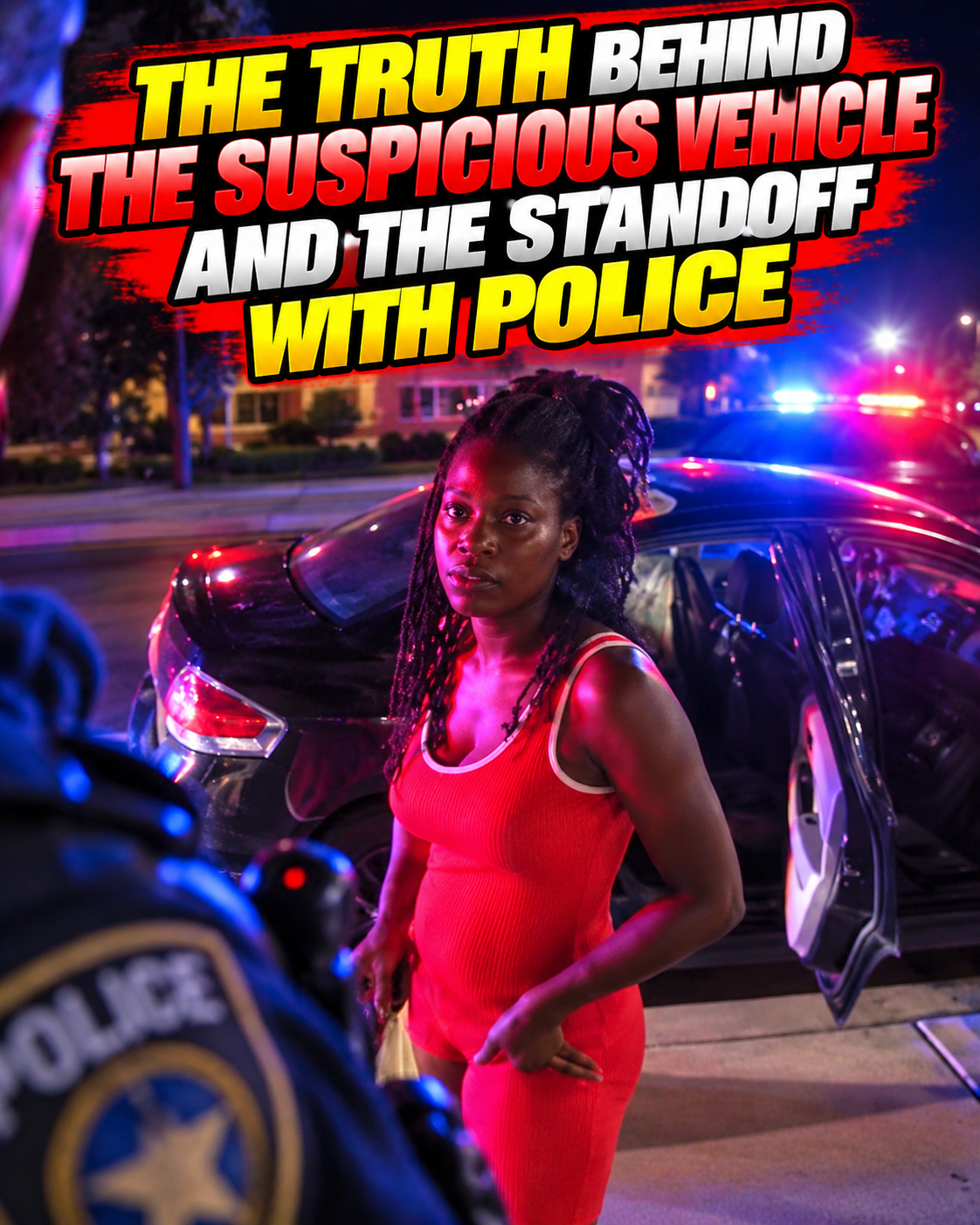
The Truth Behind the Suspicious Vehicle and the Standoff with Police

MERIDEN POLICE OFFICER SHOOTS MAN BEATING FATHER WITH A BASEBALL BAT














