
She Said She Never Went to Walmart—Then Police Showed Her the Evidence
She Said She Never Went to Walmart—Then Police Showed Her the Evidence
Police arrive at a Florida home with a simple question: who was driving the SUV that allegedly hit another vehicle at Walmart? The answer becomes far more complicated once surveillance video, fresh vehicle damage and the family’s statements stop lining up.
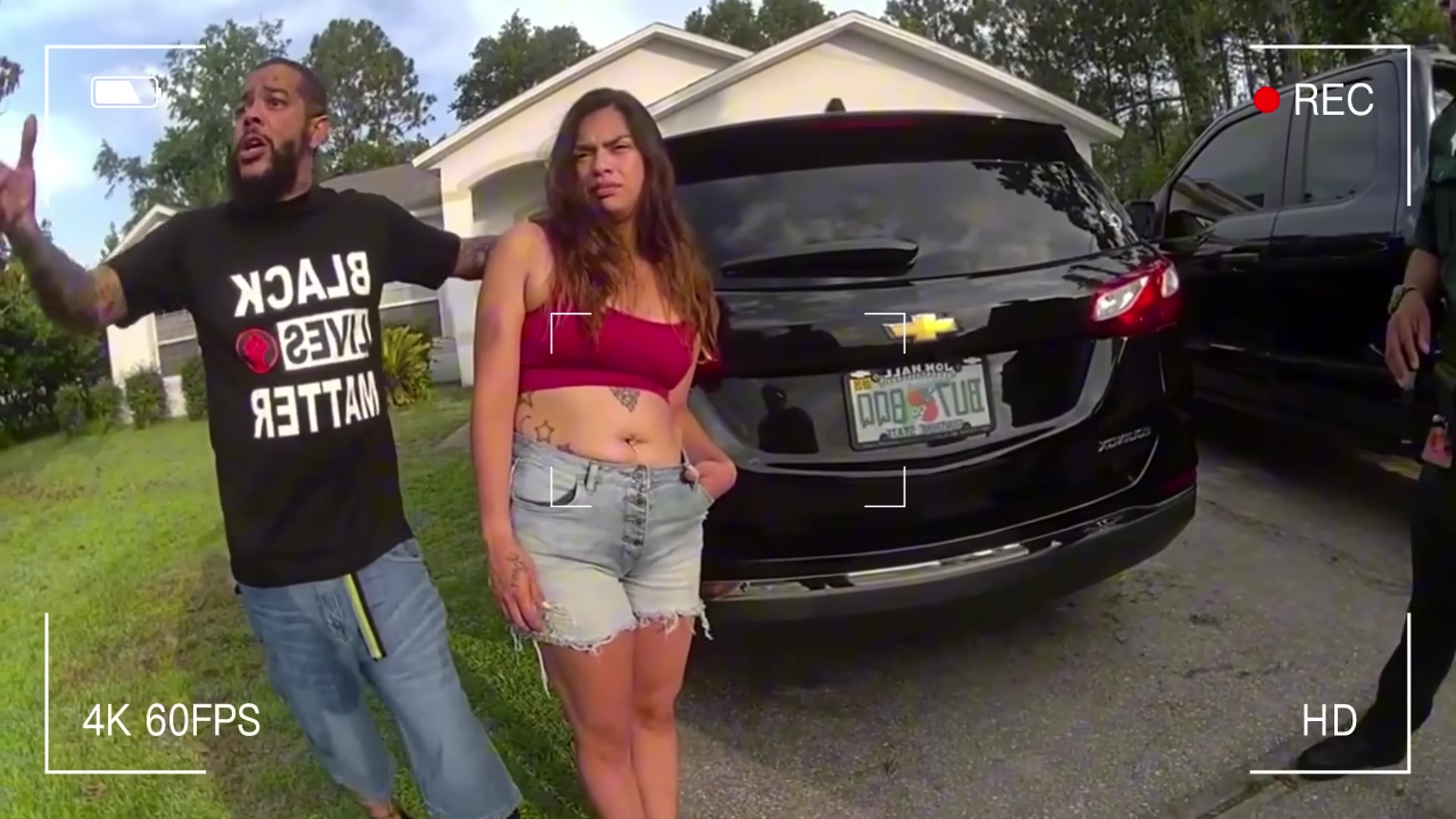
A Minor Parking-Lot Crash Leads Police to a Front Door
The investigation begins with the kind of incident that usually ends with insurance information and a crash report. On May 26, 2025, officers were looking into a collision in a Walmart parking lot involving a black SUV. According to later coverage of the body-camera footage, store surveillance showed the SUV backing into another vehicle and then leaving.
Police did not have to guess where to look next. The surveillance video reportedly captured enough identifying information to trace the SUV to a residence. When officers arrived, the vehicle was there.
That should have made the next step simple: identify who had been driving and document what happened. Instead, the conversation at the house became the center of the case.
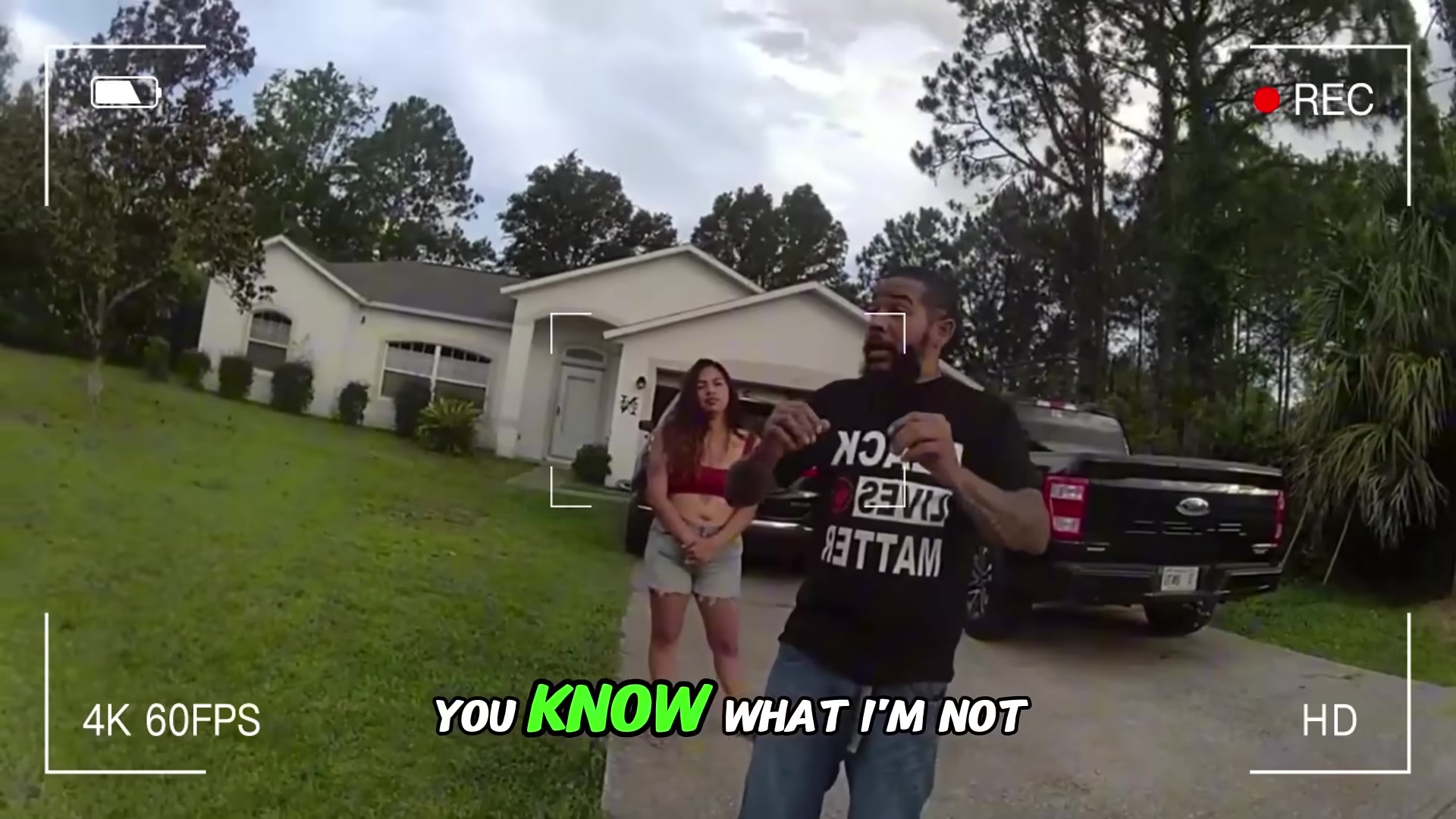
The woman associated with the SUV, identified in coverage as Tequila Nelson, denied having gone to Walmart. Her family initially presented a version of events suggesting the vehicle had remained at home. But officers said the physical damage and surveillance evidence were pointing in a different direction.
The body-camera footage becomes compelling because the investigation develops in front of the viewer. Officers are not simply announcing a conclusion. They ask questions, compare answers and return repeatedly to evidence they say has already established that the SUV was at Walmart.
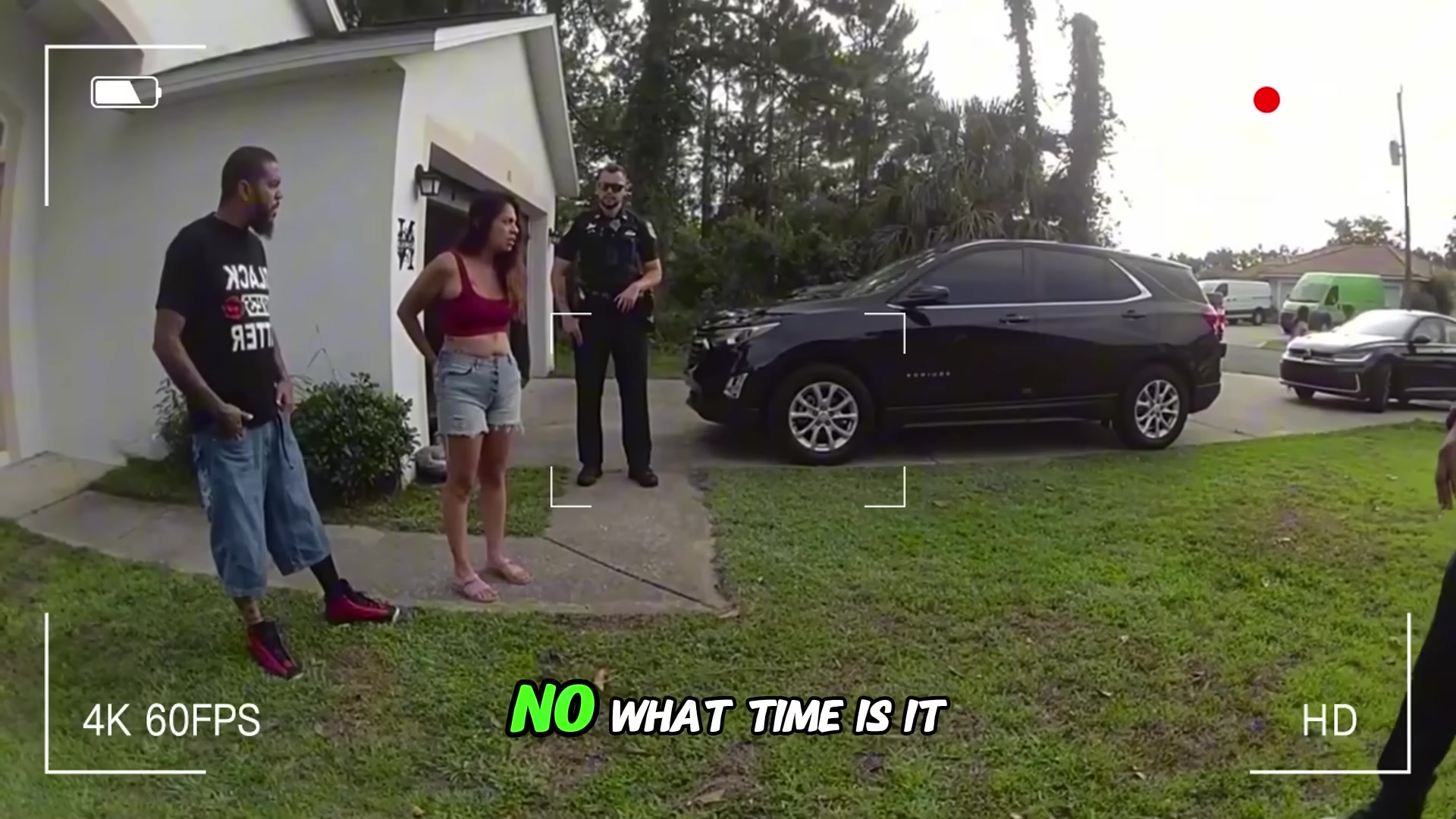
The SUV Is the First Piece of Evidence That Will Not Go Away
A vehicle can be unusually difficult evidence to explain away. It has a license plate, distinctive damage, a make and model, and a physical location. When surveillance footage captures that combination clearly, investigators can build a timeline without relying entirely on witness memory.
According to reporting on the footage, officers said Walmart video showed the SUV striking another vehicle before leaving the parking lot. At the residence, they also pointed to damage on Nelson’s SUV that appeared consistent with the crash. Pieces associated with the damaged area were reportedly left at Walmart.
The problem for investigators was no longer simply whether a collision occurred. It was identifying the driver.
That distinction is important. Ownership of a vehicle does not automatically prove who was driving it at a particular time. Multiple family members can have access to the same keys. Someone can borrow a vehicle without the owner being present. Police therefore needed more than the fact that the SUV was registered or associated with the home.
The questions at the house were designed to close that gap. Who had used the SUV? Had it left the house? Had Nelson been to Walmart? Could anyone else have taken it?
Each answer mattered because officers already believed they had an objective video record against which those answers could be compared.
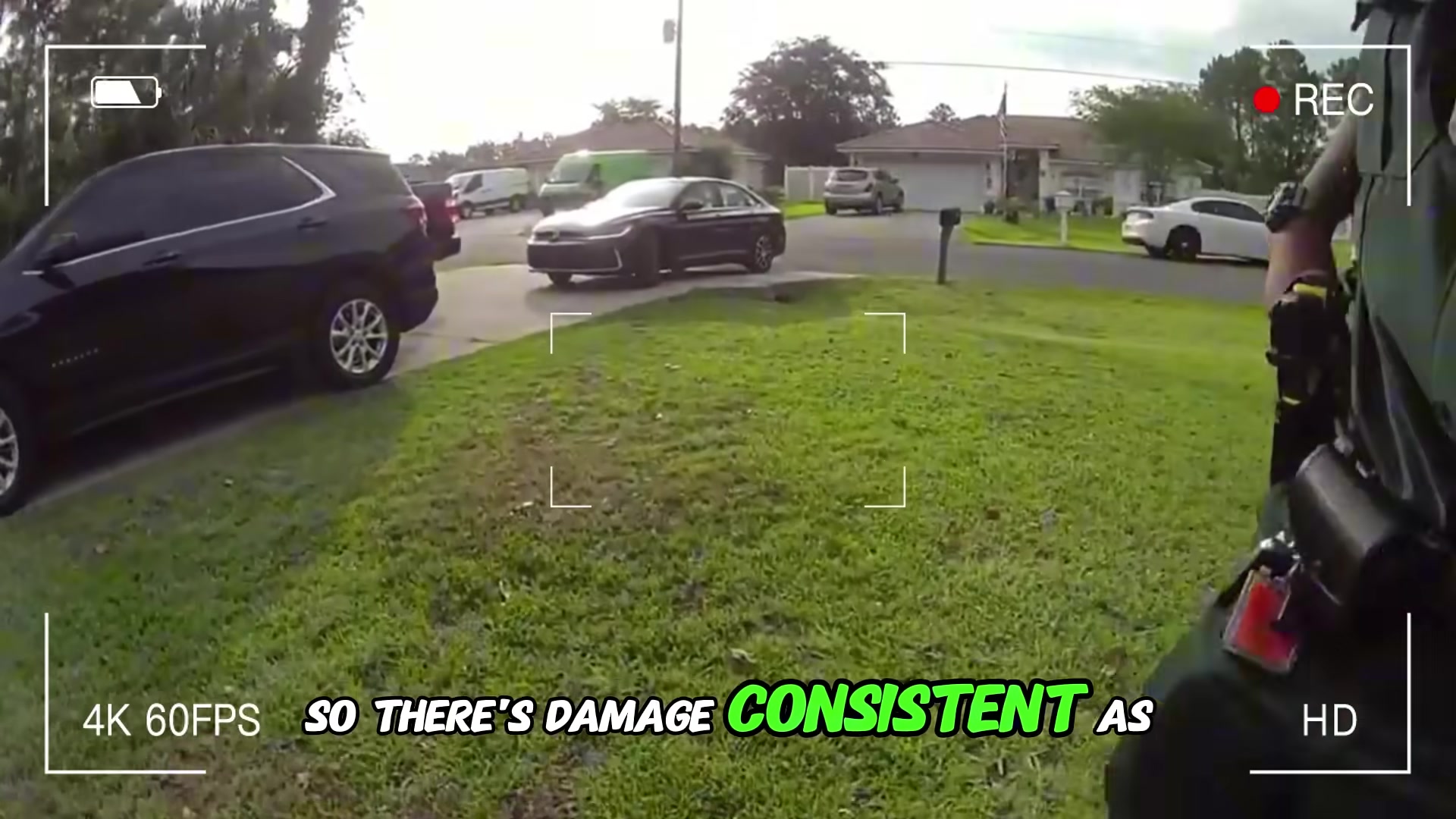
The First Denial Raises the Stakes
Nelson reportedly told officers that she had not been at Walmart. She also said she had been home during the relevant period.
A denial can simplify an investigation when evidence supports it. If another family member admits driving, or video clearly shows a different person, police can redirect their questions. But a firm denial becomes risky when investigators possess evidence that appears to contradict it.
The body-camera encounter shows officers returning to the same central fact: they say the SUV was captured at Walmart.
This is where the case changes character. The original problem is a parking-lot crash. The new problem is the apparent conflict between the family’s account and the video timeline.
From an investigative perspective, contradictions are valuable. They tell officers where to probe next. A person may simply be mistaken about the time. Another family member may have used the vehicle. Someone may be protecting another driver. Or investigators may have misunderstood what the surveillance shows.
The only way to sort those possibilities is to keep testing the story against independent evidence.
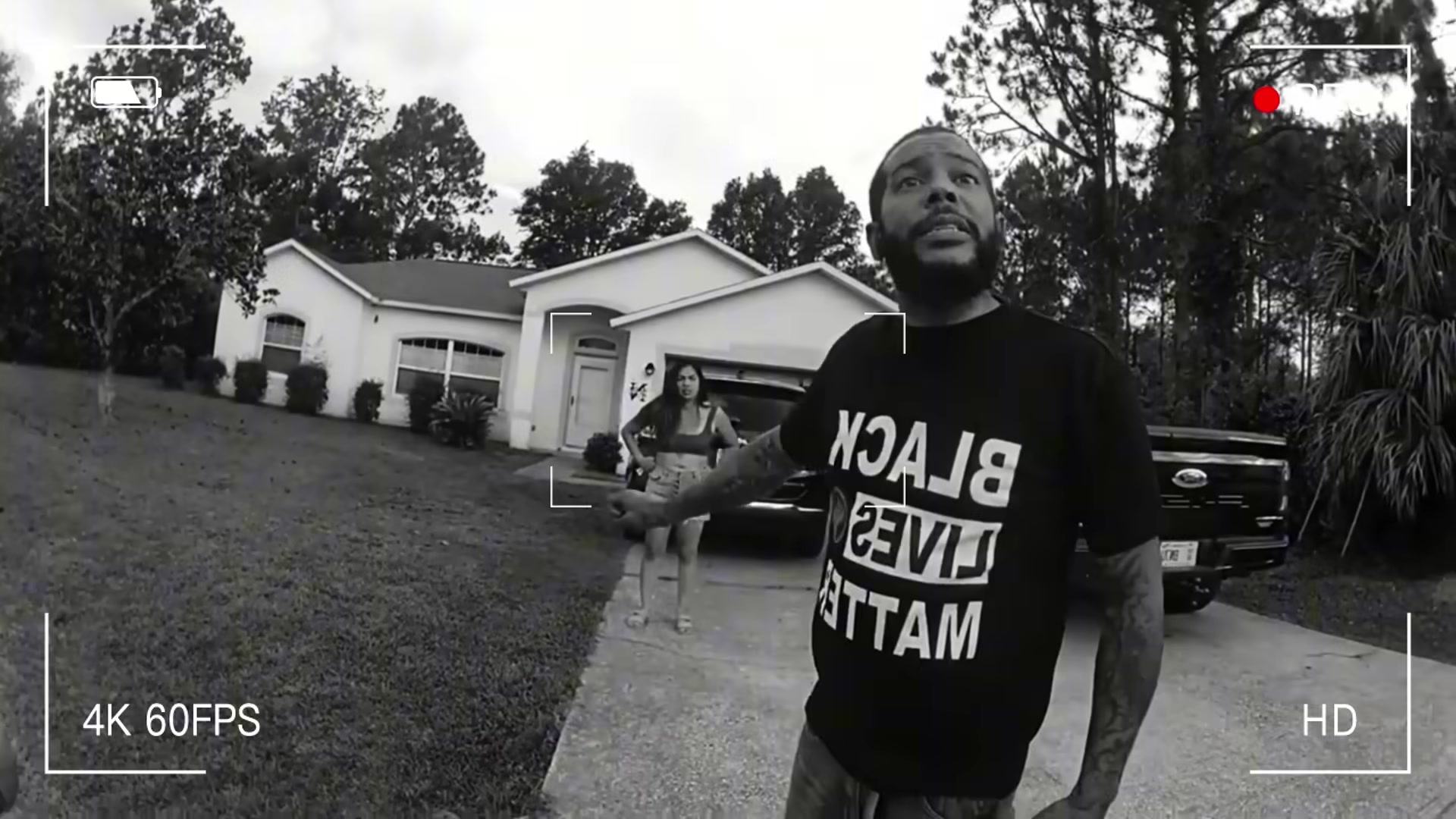
Family Explanations Begin to Expand
As questioning continues, the account becomes less simple. Reporting on the footage says Nelson and her husband explained that several people had been at the residence for a Memorial Day gathering and that others may have had access to the SUV.
That possibility gives officers another avenue to investigate, but it also creates a problem with earlier statements suggesting the vehicle had remained home.
The husband reportedly clarified that he had not literally watched the SUV all day. In other words, saying the vehicle had been home was not necessarily based on continuous observation.
This is a classic investigative distinction between what a witness knows and what a witness assumes. “The car was home all day” sounds definitive. “I did not personally see the car leave” is very different. The first statement describes a fact. The second describes the limits of the witness’s observation.
Police interviews often become productive when officers force that distinction into the open.
The footage also demonstrates why several people answering questions at once can make a case more complicated. Family members may be trying to help, but their statements create additional facts that can be checked—and additional opportunities for accounts to conflict.
A Second Camera Tightens the Timeline
The Walmart surveillance was reportedly not the only video available.
According to coverage of the bodycam encounter, officers said footage from across the street showed the SUV returning to the residence at approximately 5:46 p.m. The significance is obvious: if the SUV is recorded returning, then it could not have remained in the driveway for the entire period.
That additional camera changes the investigation from a single disputed observation into a timeline.
One camera allegedly places the SUV at Walmart. Another appears to show it returning home. Damage on the SUV appears consistent with the collision. Officers can now compare those pieces against statements from people at the residence.
This is why modern crash and hit-and-run investigations can move quickly. Retail stores, doorbell cameras, home security systems, traffic cameras and neighboring businesses can create a chain of visual evidence covering much of a vehicle’s movement.
A suspect or witness may remember an event imperfectly. Cameras do not provide every answer, but when several independent recordings align, they can make certain explanations increasingly difficult to maintain.
Police Ask the Question That Tests the Entire Story
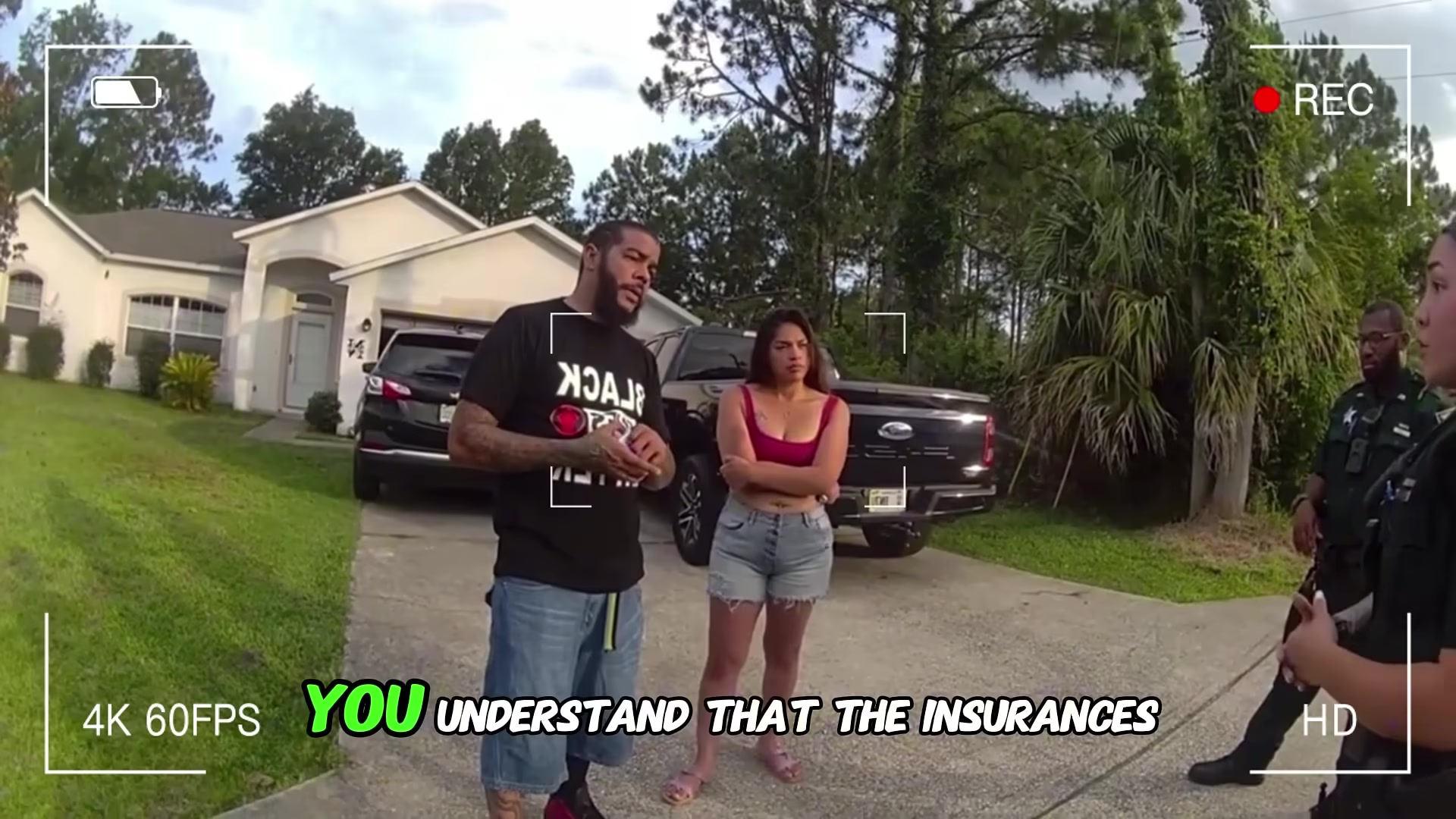
At a key point, officers reportedly ask Nelson whether Walmart security video might show her inside the store.
It is a deceptively simple question.
If she had visited the store but was not driving, saying so would not automatically establish who caused the collision. If she had gone to Walmart earlier or later, that detail could be explained. But a categorical denial creates a clear prediction: investigators should not find her on store video.
Nelson reportedly continued to deny going to Walmart.
This is the moment when the title of the original upload—“Police Watch Her Story Fall Apart After a Walmart Crash”—begins to make sense. The officers are not relying on one dramatic confession. They are building a contradiction piece by piece.
Still, responsible reporting requires an important caution. The public sources available for this article are largely based on the released body-camera video and its narration rather than a detailed official police report or final court judgment. Therefore, the article should distinguish what officers alleged and what later reporting described from facts established by a conviction.
Why Leaving a Parking-Lot Crash Can Become More Serious
A parking-lot collision can feel minor, particularly when nobody is injured. But drivers generally have legal duties after crashes involving property damage. Those duties can include stopping, providing identifying information and reporting the collision under circumstances defined by state law.
The exact offense depends on jurisdiction and the facts of the crash. A scrape against an unattended vehicle can be handled differently from a collision involving an occupied car or injuries.
The footage does not justify inventing a statute or charge that has not been independently verified. What it does show is why officers were interested in identifying the driver. If the SUV struck another vehicle and left, the driver’s conduct after the impact becomes part of the investigation.
More importantly, an attempt to hide or alter evidence can create legal exposure beyond the original traffic incident. Reporting on this case says the investigation ultimately expanded beyond the collision itself because officers believed evidence and statements were being manipulated.
That progression is a recurring feature of police cases: the effort to avoid responsibility for a relatively small event can create a much larger problem than the event itself.
The Physical Damage Supports the Video Timeline
When officers inspect a suspected hit-and-run vehicle, they look for details that can connect it to the crash: fresh scratches, paint transfer, broken lenses, missing trim, dents and debris.
Reporting on the Nelson encounter says officers pointed out damage on the SUV and referenced pieces left at Walmart. Those physical details matter because they provide a form of evidence independent of what anyone at the house says.
Imagine the investigation as three columns. The first is video: an SUV appears at Walmart and is involved in a collision. The second is physical evidence: a matching SUV has damage consistent with the incident. The third is testimony: people explain where the vehicle was and who had access to it.
Investigators become suspicious when the first two columns align while the third repeatedly changes.
That does not automatically prove which person was behind the wheel. But it narrows the range of plausible explanations and gives officers specific questions to ask.
The body camera is especially effective at capturing this process because viewers can watch officers move between the SUV, the family and the information being relayed from other evidence sources.
What Began as Crash Paperwork Becomes an Arrest
Near the later portion of the encounter, the tone changes sharply.
After an extended period of questioning, an officer directs Nelson’s husband away and tells Nelson to place her hands behind her back. The investigation that began as an attempt to identify a driver has now resulted in an arrest.
Secondary reporting based on the footage says Nelson was arrested on allegations connected to the parking-lot collision and evidence tampering. However, the available public material does not provide enough authoritative detail for this article to state a complete charging instrument or final court disposition as settled fact.
That limitation is worth emphasizing because bodycam channels often summarize cases in a few sentences after the footage ends. Those summaries can be useful leads, but they should not be treated as substitutes for court records.
What can be said confidently is that the supplied footage and matching coverage identify Tequila Nelson, place the underlying incident on May 26, 2025, and describe officers tracing her SUV from a Walmart collision to her home before the encounter culminated in her being taken into custody.
The Bigger Lesson Is About Evidence, Not Arguments
The most striking part of this footage is how little the officers need to argue.
They do not have to win a debate at the front door. Their job is to gather information and compare it with evidence. The more the accounts diverge from the video and physical clues, the more the investigation changes.
That makes this encounter a useful illustration of a basic investigative principle: objective evidence can outlast a confident story.
A witness can insist that a vehicle never left home. A camera may show it returning. A driver can deny being at a store. Store surveillance may answer that question independently. Someone can explain away a dent. Debris from the crash can potentially connect the damage to a specific scene.
None of those pieces should be considered in isolation. Together, however, they can form a timeline strong enough to challenge an account that initially sounds plausible.
The new title—“She Said She Never Went to Walmart—Then Police Showed Her the Evidence”—captures that progression more accurately than simply calling the woman dishonest. It focuses on the contradiction investigators said they discovered rather than declaring guilt beyond what the available records establish.
And that is ultimately why the footage holds attention for so long. The dramatic payoff is not a chase, a fight or a spectacular arrest. It is the slow collapse of an explanation under repeated comparison with video evidence.
A parking-lot bump that might have been handled through straightforward crash procedures grows into a lengthy police investigation. Officers trace a vehicle, inspect damage, question multiple people, compare statements and consult additional surveillance. The story becomes harder to maintain with every new piece of information.
By the time the handcuffs appear, the viewer has watched the investigation build toward that moment.
The full sequence is a reminder that in the age of ubiquitous cameras, a vehicle can leave a trail even when nobody expects it to. Walmart surveillance, neighborhood cameras, license plates and physical damage can collectively reconstruct movement in ways that memory—or a carefully chosen explanation—cannot easily defeat.
What looks like a minor parking-lot crash becomes much more complicated once officers begin comparing every answer with the cameras they say captured the SUV’s movements.
Watch the complete encounter to see the exact moment each new piece of evidence leaves her story with fewer places to go.
Comments (0)
Loading comments...
May You Like

Police Follow the Driver Until His Escape Route Runs Out

Stolen Charger Flees Police During Highway Traffic Stop

Traffic Stop Turns Deadly After Man Steps Out of Stolen Car












