
She Refused to Cooperate With Deputies—Then the Lieutenant Took Over
She Refused to Cooperate With Deputies—Then the Lieutenant Took Over
A woman behind the wheel insists deputies are ignoring the real problem. The longer she argues, the more officers arrive—until a lieutenant steps in and makes it clear the traffic stop will no longer happen on her terms.
A Traffic Stop That Was Already Far From Routine
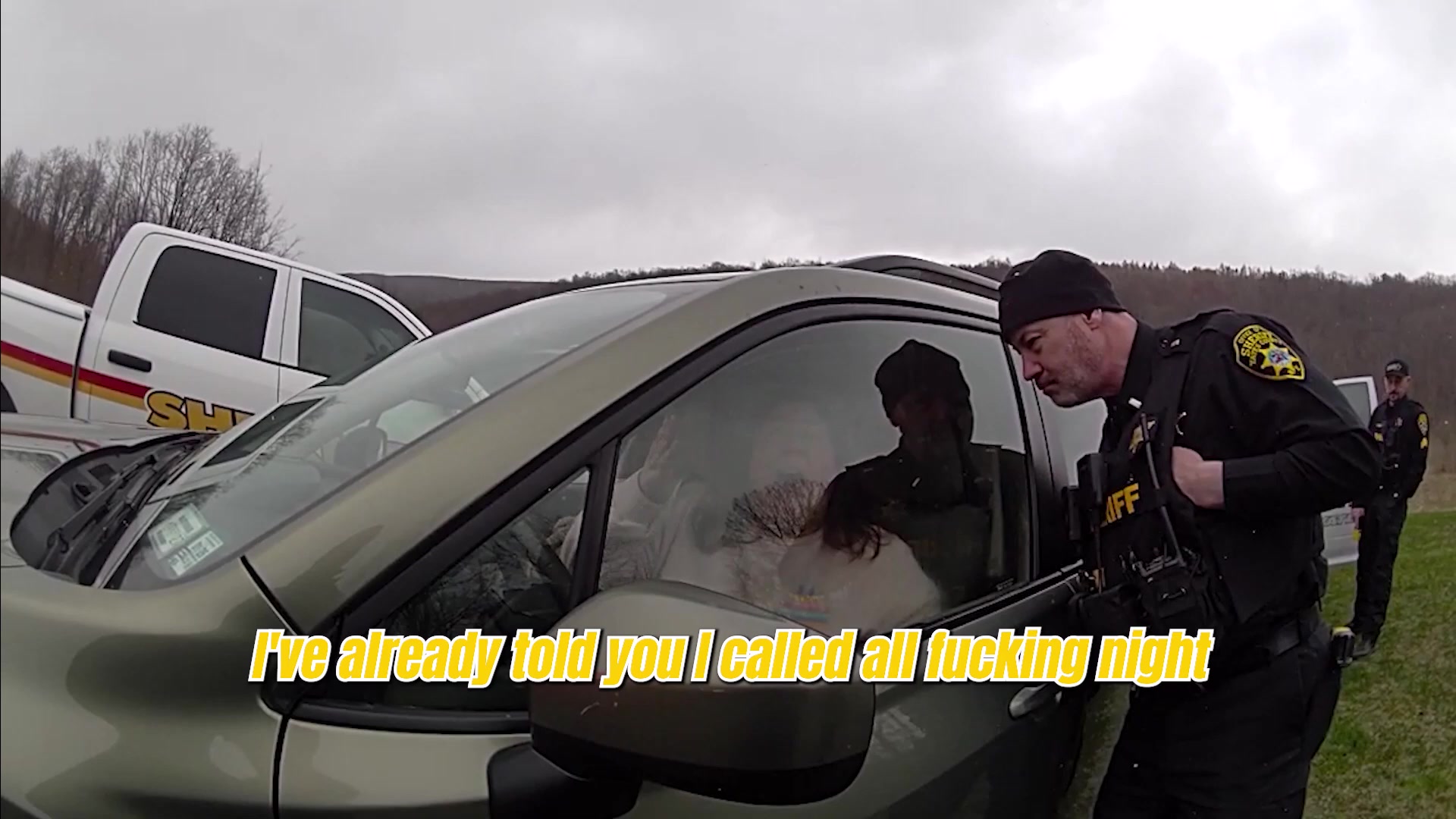
The footage opens with a woman seated behind the wheel of a gray SUV while multiple sheriff’s vehicles surround the scene. The setting is rural and the atmosphere is tense before the viewer has even heard the full story. A deputy approaches the driver’s window and asks her to lower it. Instead of a quick exchange of license, registration and an explanation for the stop, the conversation immediately becomes argumentative.
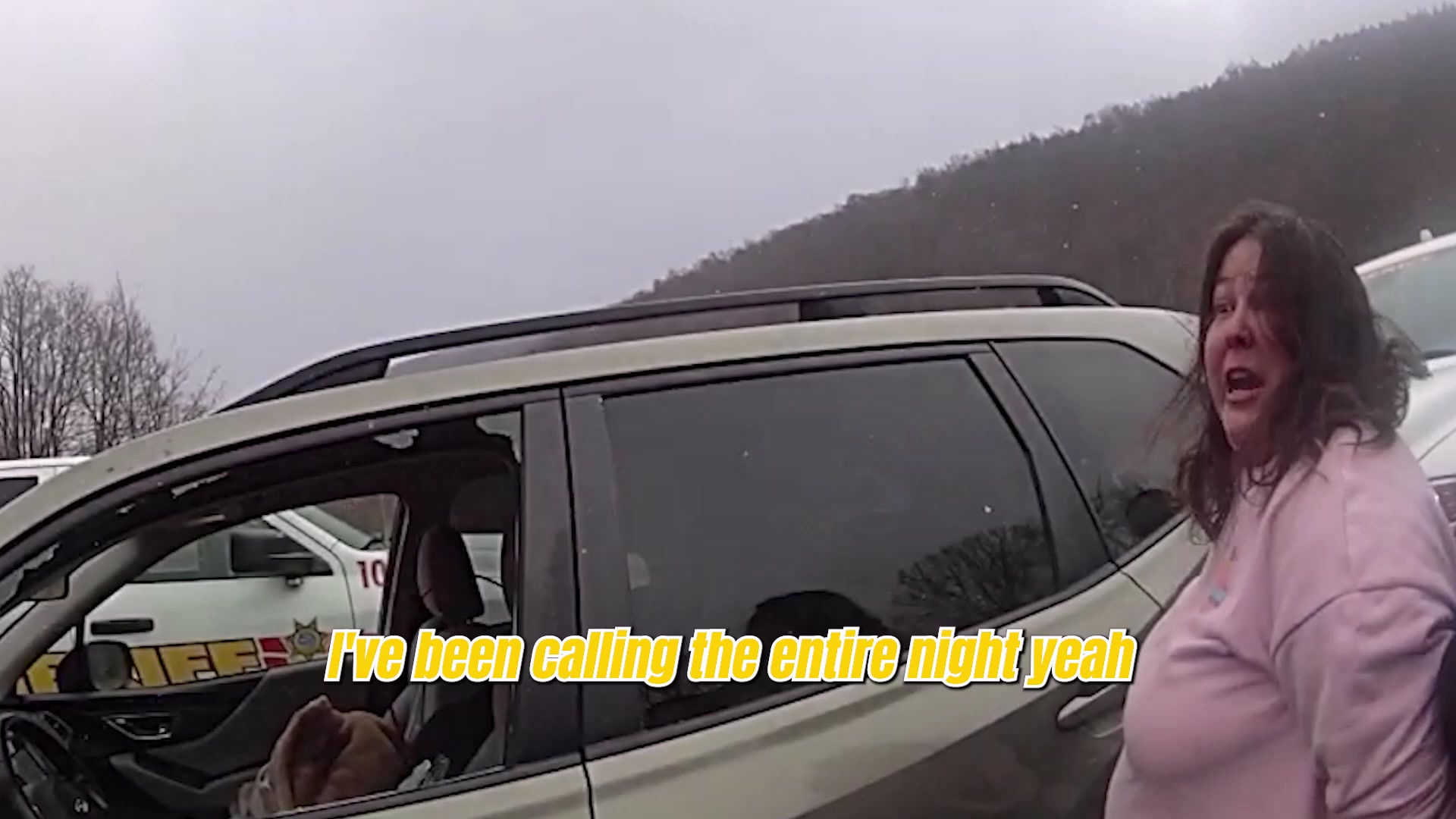
The woman repeatedly insists that she has been trying to get help and that she has been calling throughout the night. Deputies attempt to ask basic questions and clarify what happened, but each question seems to produce another dispute. She speaks over officers, challenges their explanations and appears convinced that the deputies are failing to understand the real problem.
That disconnect becomes the engine of the entire encounter. The deputies are trying to deal with the traffic stop in front of them. The driver is focused on a larger grievance that, from her perspective, began long before the patrol vehicles arrived.
The result is a scene where even simple instructions become negotiations. Lowering a window, providing information and listening to an explanation all take longer than they normally would. As more deputies gather around the SUV, the woman’s frustration appears to increase rather than settle down.
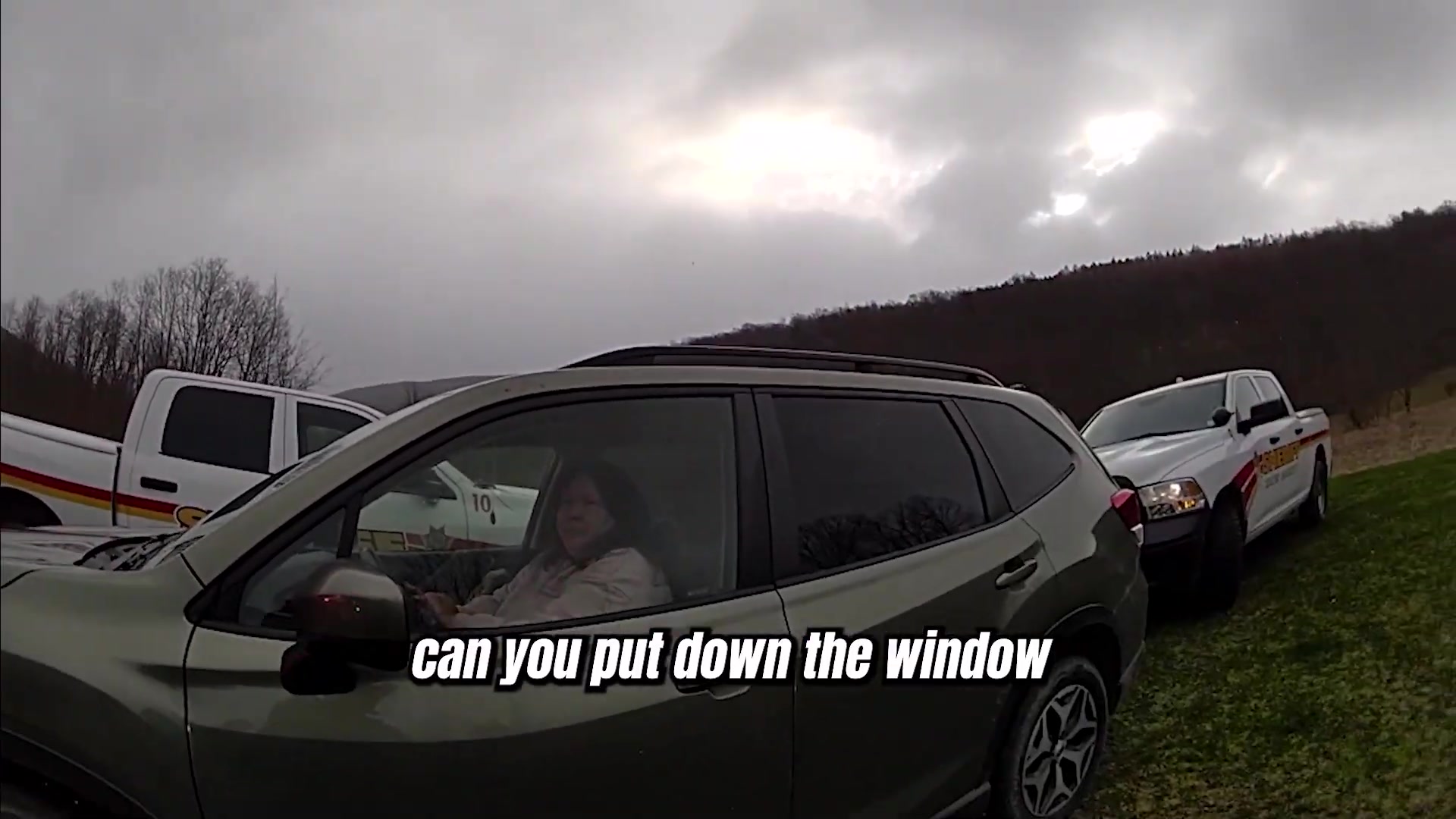
The Driver Wants the Conversation on Her Terms
Traffic stops are highly structured encounters. An officer typically identifies the reason for the stop, obtains the driver’s information and decides whether further investigation, a warning or a citation is appropriate. A driver can disagree, ask questions and later challenge a citation, but the roadside process still depends on basic cooperation.
In this footage, the woman repeatedly tries to redirect the conversation toward what she believes officers should have done earlier. Her frustration is obvious. She says she has already explained herself and reacts strongly when deputies ask questions she believes have been answered.
From the officers’ perspective, however, information given in an earlier phone call is not necessarily a substitute for answering the deputy standing at the window. The officer at the scene still has to identify the driver, understand the current circumstances and make decisions based on what is happening now.
That difference creates a circular argument. The woman treats repeated questions as evidence that police are not listening. The deputies treat her refusal to answer directly as evidence that the stop cannot move forward.
Neither side is discussing exactly the same problem, and the body camera captures the frustration that follows.
More Deputies Arrive, but the Argument Does Not Get Easier
The presence of several marked sheriff’s vehicles is one of the strongest visual features of the footage. Multiple deputies are nearby, and the driver can see that the encounter has expanded beyond a one-off conversation with a single officer.
Additional officers can help stabilize a difficult traffic stop. They provide witnesses, allow one deputy to communicate while another watches the vehicle and create options if a driver refuses lawful instructions. But from the driver’s seat, a growing police presence can also feel intimidating and reinforce the belief that the situation is becoming unnecessarily serious.
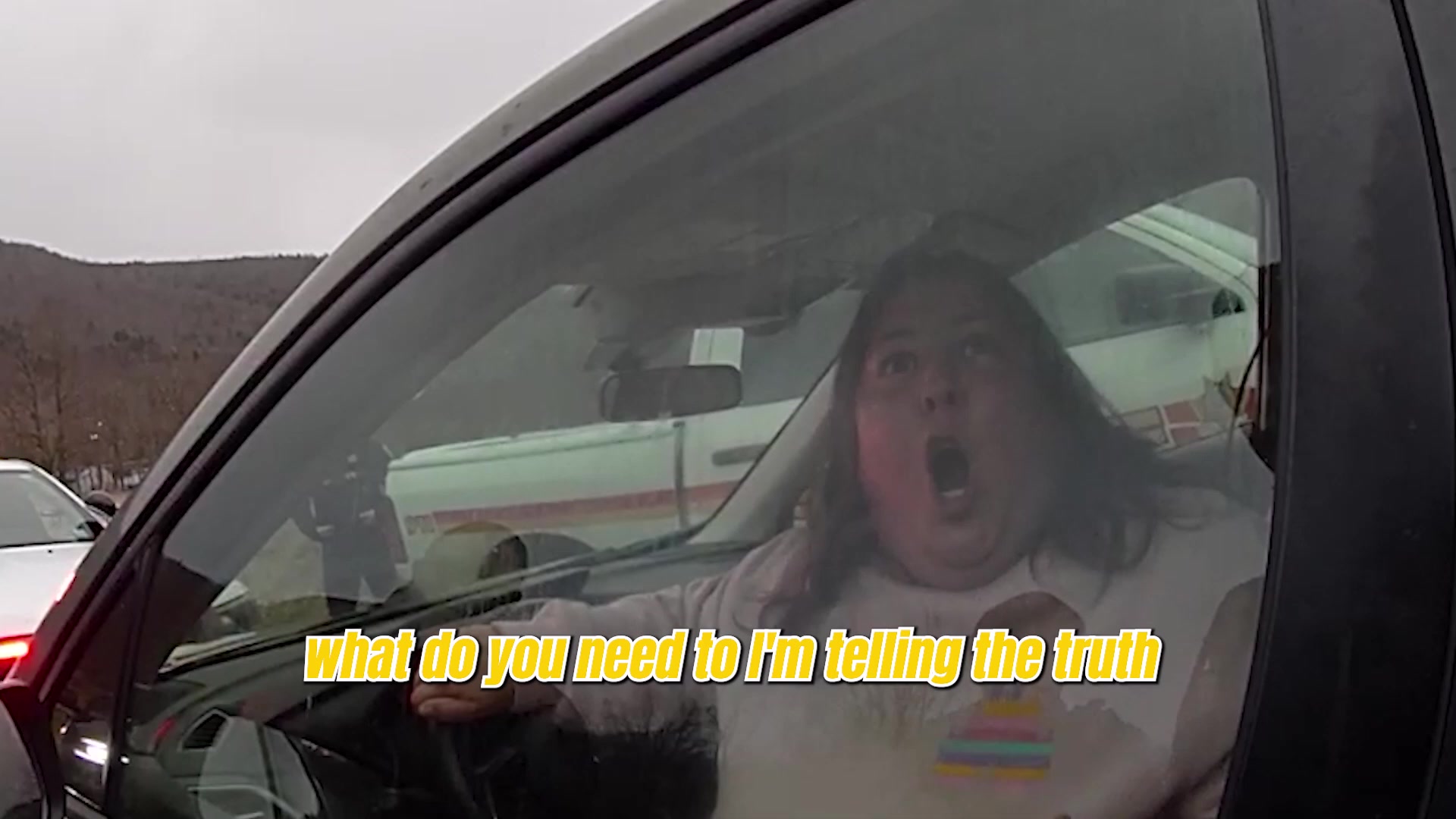
The woman responds to that pressure by becoming more vocal. At points she raises her voice dramatically and insists that she is telling the truth. The deputies continue asking for cooperation, but the emotional temperature keeps rising.
This is where the full video matters. A short clip of her loudest reaction could make the encounter look instantly explosive. In reality, the escalation is built from repeated exchanges. Each failed attempt to move the stop forward adds another layer of irritation.
By the time a supervisor becomes more directly involved, the original traffic issue is competing with a second problem: how to manage a driver who appears unwilling to participate in the stop in the way officers are requesting.
The Lieutenant Changes the Tone
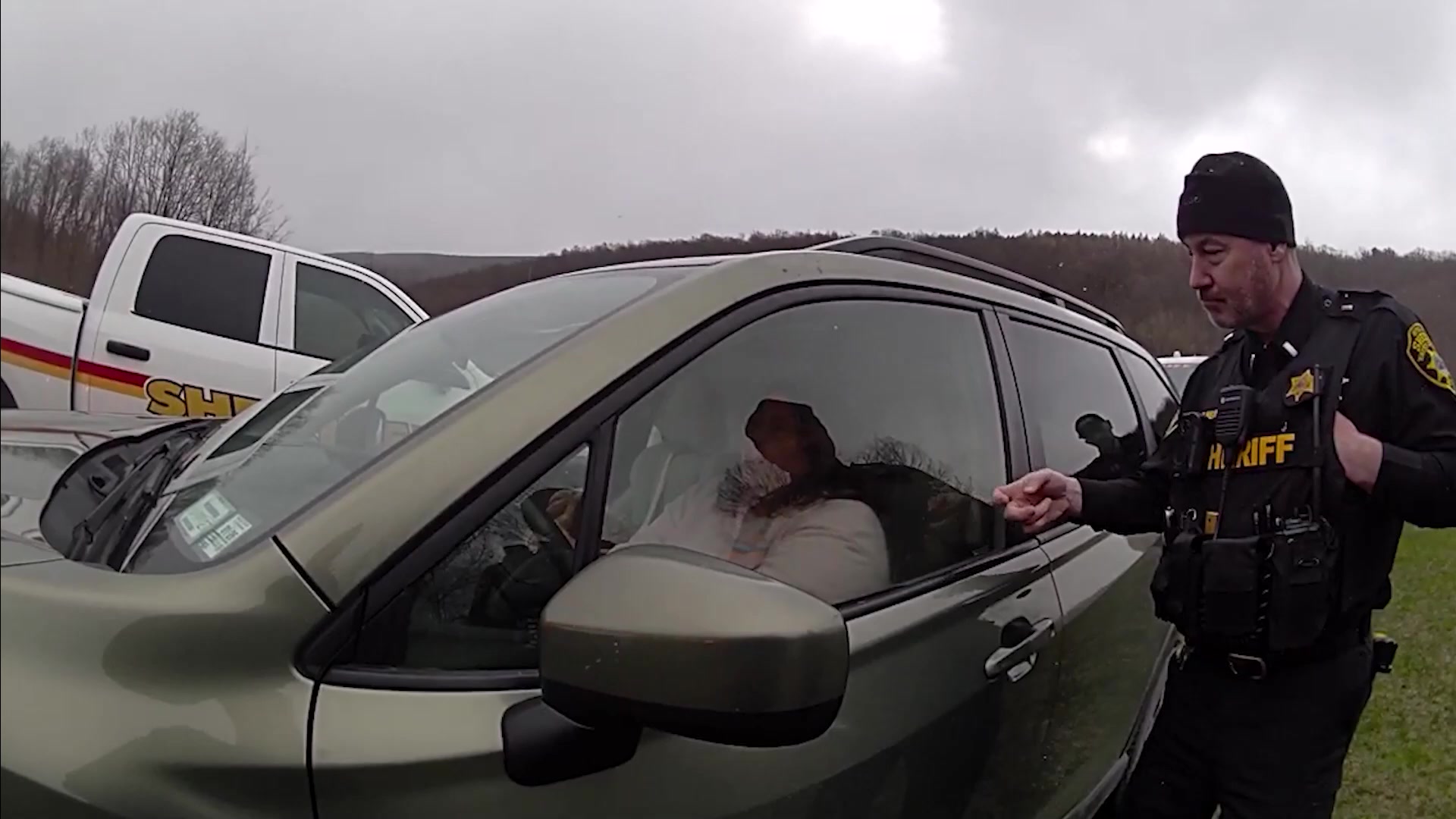
The original title describes a “no-nonsense lieutenant,” and that framing reflects a noticeable change in the interaction. After other deputies spend time trying to reason through the situation, the supervisor adopts a more direct approach.
This is a common function of supervisors at difficult scenes. A lieutenant or sergeant may arrive with no emotional investment in the earlier argument and can reset expectations: here is what needs to happen, here are the available options, and here are the consequences if the person refuses.
That does not mean rank automatically makes an officer correct. Supervisors are still bound by the same constitutional limits and department policies as other officers. But their presence can clarify who is making the final operational decision at a scene.
In the footage, the lieutenant’s approach cuts through some of the circular discussion. The woman continues to argue, but the conversation becomes less about persuading deputies to accept her version of events and more about whether she will comply with the immediate instructions being given.
For viewers, this is the point where the video shifts from an unusual roadside argument into a test of how far the driver is willing to push the confrontation.
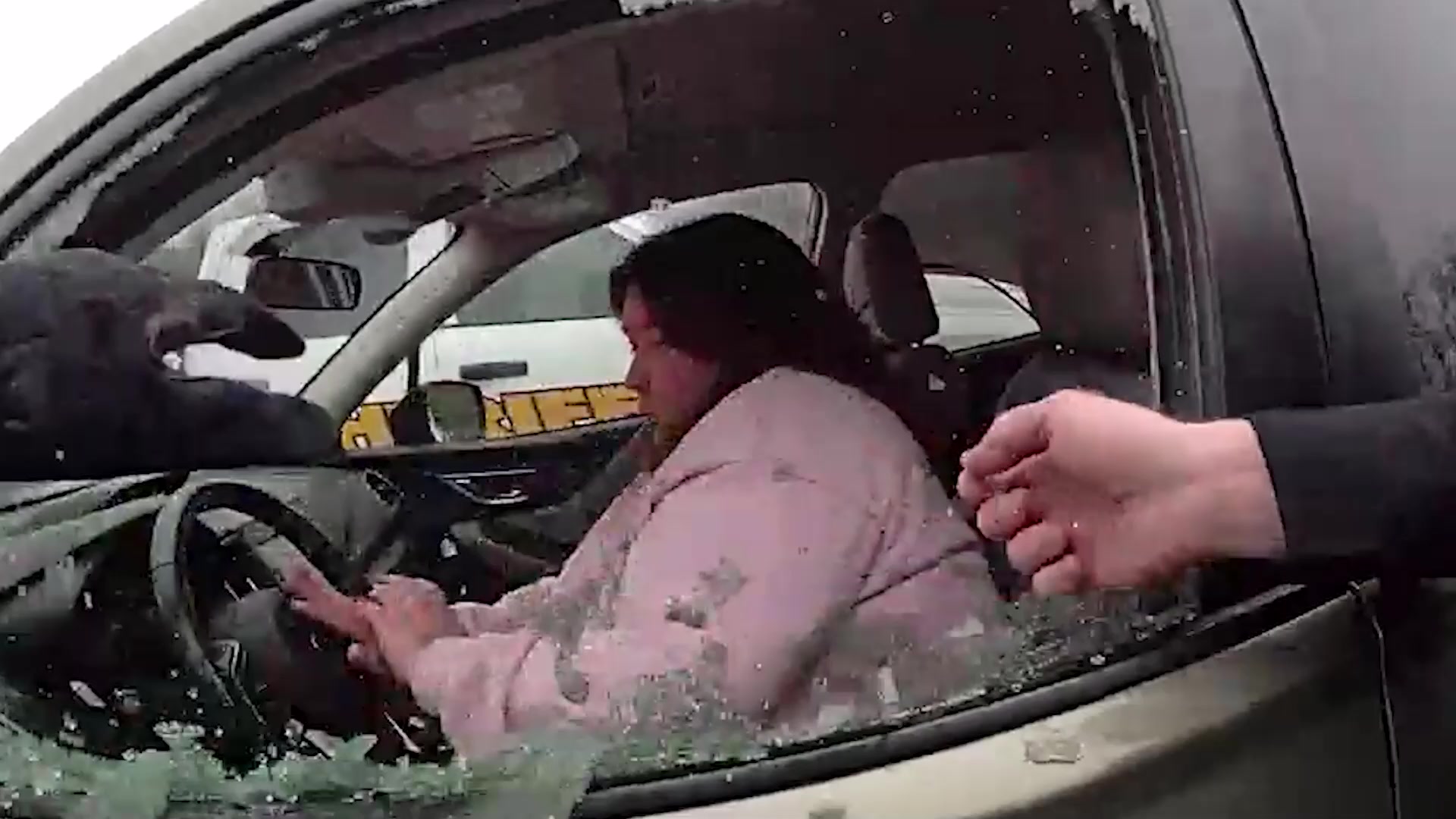
Her Own Words Keep the Conflict Going
One reason the footage is so watchable is that the woman does not simply refuse silently. She provides a constant stream of explanation, accusation and protest.
She repeatedly emphasizes that she has been calling for help, that she has already told officers what happened and that she believes she is being truthful. Those statements may make sense from her perspective, but they do not resolve the practical demands of the stop.
This is a recurring pattern in police encounters: a person believes that explaining why an officer is wrong is equivalent to complying with the officer’s current instruction. Legally and practically, those are not always the same thing.
A driver can preserve disagreement while still handing over identification or following a lawful order. Arguments about whether the stop was justified can be raised later through court proceedings, agency complaints or legal counsel. Trying to settle every dispute at the window can turn a relatively limited encounter into a prolonged confrontation.
The footage illustrates that risk in real time. The more the woman tries to win the argument, the longer she remains in the very police encounter she wants to end.
Why Officers Care About Control During a Roadside Stop
To a driver, sitting inside a vehicle can feel passive. To an officer, a vehicle creates several unknowns. The officer may not be able to see the driver’s hands clearly, may not know what is within reach and must remain alert to the possibility that the vehicle could move suddenly.
That is why seemingly small instructions—lower the window, keep your hands visible, provide your license, step out when lawfully ordered—can become significant during a stop.
The footage shows deputies repeatedly positioning themselves around the SUV and communicating with the driver through the window. Their attention is not only on her words. They are also monitoring movement, the vehicle and the surrounding area.
None of that means officers are entitled to unlimited control over a motorist. The legal authority for a stop and any subsequent order still matters. But once a lawful detention is underway, refusing routine instructions can increase tension very quickly.
The woman appears to view the encounter primarily as a dispute about fairness. The deputies have to view it as both a dispute and a safety problem. Those two perspectives rarely produce an easy conversation.
The Video Shows the Difference Between Being Heard and Getting Your Way
A major source of frustration in the footage is the woman’s apparent belief that officers are not listening to her. Yet listening to a person and agreeing with that person are different things.
Police can hear a complaint, document it and still decide that the immediate traffic matter has to be handled first. Likewise, a driver can believe that a deputy’s conclusion is wrong without having the right to dictate how the stop proceeds.
This distinction becomes increasingly important as the encounter continues. The woman repeats the same core claims, apparently expecting a different response. Deputies repeat their instructions, expecting compliance. Both sides become more frustrated because repetition is not changing the other side’s behavior.
For the lieutenant, the practical task is to break that loop.
The most effective moment in such an encounter is often not a louder argument but a clear choice: cooperate with the process now, or face the legal consequences that may follow from refusing. The footage shows the supervisor moving closer to that kind of communication as the stop progresses.
What We Can Verify From the Footage—and What We Cannot
The supplied video provides several strong visual clues. The stop takes place in a rural, hilly area. The responding vehicles and uniforms clearly belong to a sheriff’s agency. The driver is in a gray SUV, and several deputies, including a supervisor, participate in the encounter.
The vehicle also appears to carry Pennsylvania-style inspection or registration markings, making Pennsylvania a plausible setting. However, visual clues are not enough to responsibly name a county, driver or criminal case.
I searched the original upload wording, distinctive dialogue from the video and combinations involving a sheriff’s lieutenant and a difficult traffic stop. I did not locate a credible local news report or official police release that matched the woman, vehicle, landscape and exact sequence closely enough to establish her identity or the final legal outcome.
That means the article deliberately avoids inventing a name, county, citation, arrest charge or court disposition.
This is especially important with viral bodycam content. Many videos are retitled by compilation channels, and similar traffic-stop arguments occur across the country. Matching a random news story to the footage simply because both involve an argumentative driver would create a false narrative.
A Viral “Karen” Label Is Not the Whole Story
The original title calls the driver an “entitled Karen.” That language is common in viral video culture because it instantly tells viewers what kind of personality conflict to expect.
But it is a characterization, not a legal fact.
The bodycam itself is more interesting than the label. It shows a woman who appears genuinely convinced that deputies are failing her, while officers become increasingly frustrated by her refusal to follow the structure of the stop. Her behavior can be described—arguing, interrupting, refusing or delaying instructions—without pretending that a meme category explains everything about her.
That approach also makes the story more credible. Viewers do not need to be told whom to dislike. They can watch the interaction and judge the conduct themselves.
The new title, “She Refused to Cooperate With Deputies—Then the Lieutenant Took Over,” keeps the central conflict while focusing on the observable progression rather than an insult.
The Full Stop Is More Revealing Than Its Loudest Moment
By the later portion of the video, the roadside encounter has become a test of patience for everyone involved.
The woman has had multiple opportunities to explain herself. Deputies have repeated instructions. Additional officers have arrived. A lieutenant has stepped in to impose a clearer structure on the interaction. Yet the driver continues challenging the process.
That slow buildup is the real reason the footage works as a story.
If viewers see only the woman shouting, they miss the repeated attempts to communicate before that moment. If they see only the lieutenant speaking firmly, they may miss why a supervisor is now taking such a direct approach. The complete bodycam connects those moments.
It also demonstrates how traffic stops can escalate without a chase, weapon or physical fight. Sometimes escalation is conversational. Every refusal makes the next instruction firmer. Every interruption makes the next explanation shorter. Eventually the encounter reaches a point where officers are no longer trying to persuade a driver that their actions are reasonable; they are simply telling the driver what must happen next.
The footage therefore offers a useful lesson in roadside communication. A motorist does not have to surrender the right to disagree. But disagreement is usually safer and more effective when separated from immediate compliance with lawful instructions.
For officers, the same lesson runs in the opposite direction. Firmness is most defensible when it follows clear explanations and repeated opportunities to cooperate, not when it is simply a reaction to irritation.
This video gives viewers enough of the sequence to examine both sides of that equation.
The confrontation may have started with a traffic issue, but by the time the lieutenant takes control, the larger problem is communication itself. The driver wants the deputies to accept her account before she cooperates. The deputies want cooperation before they can finish addressing the stop. Neither side is willing to adopt the other’s order of operations.
That deadlock is what turns an ordinary roadside encounter into nearly ten minutes of increasingly tense body-camera footage.
The lieutenant’s arrival is only the payoff. The full footage shows the repeated arguments and missed chances to cooperate that made a routine roadside conversation increasingly difficult.
Want to see why the lieutenant finally stopped debating and took control of the stop? Open the full video and follow the confrontation from the first request at the window to the final exchange.
Comments (0)
Loading comments...
May You Like

Stolen Charger Flees Police During Highway Traffic Stop

Police Chase Ends as Driver Hits Stoplight, Crashes Into West Towne Mall

What Happens when you get Caught Shoplifter Stealing Local Store












