
Seattle Officers Rush Into Burning Apartment Building to Wake Sleeping Residents
Seattle Officers Rush Into Burning Apartment Building to Wake Sleeping Residents
A routine early-morning Seattle patrol became an emergency rescue when officers spotted flames pouring from a second-story apartment. With residents still asleep and the building alarm reportedly silent, police forced their way inside and began waking tenants.
An Ordinary Patrol Changes at 5 A.M.
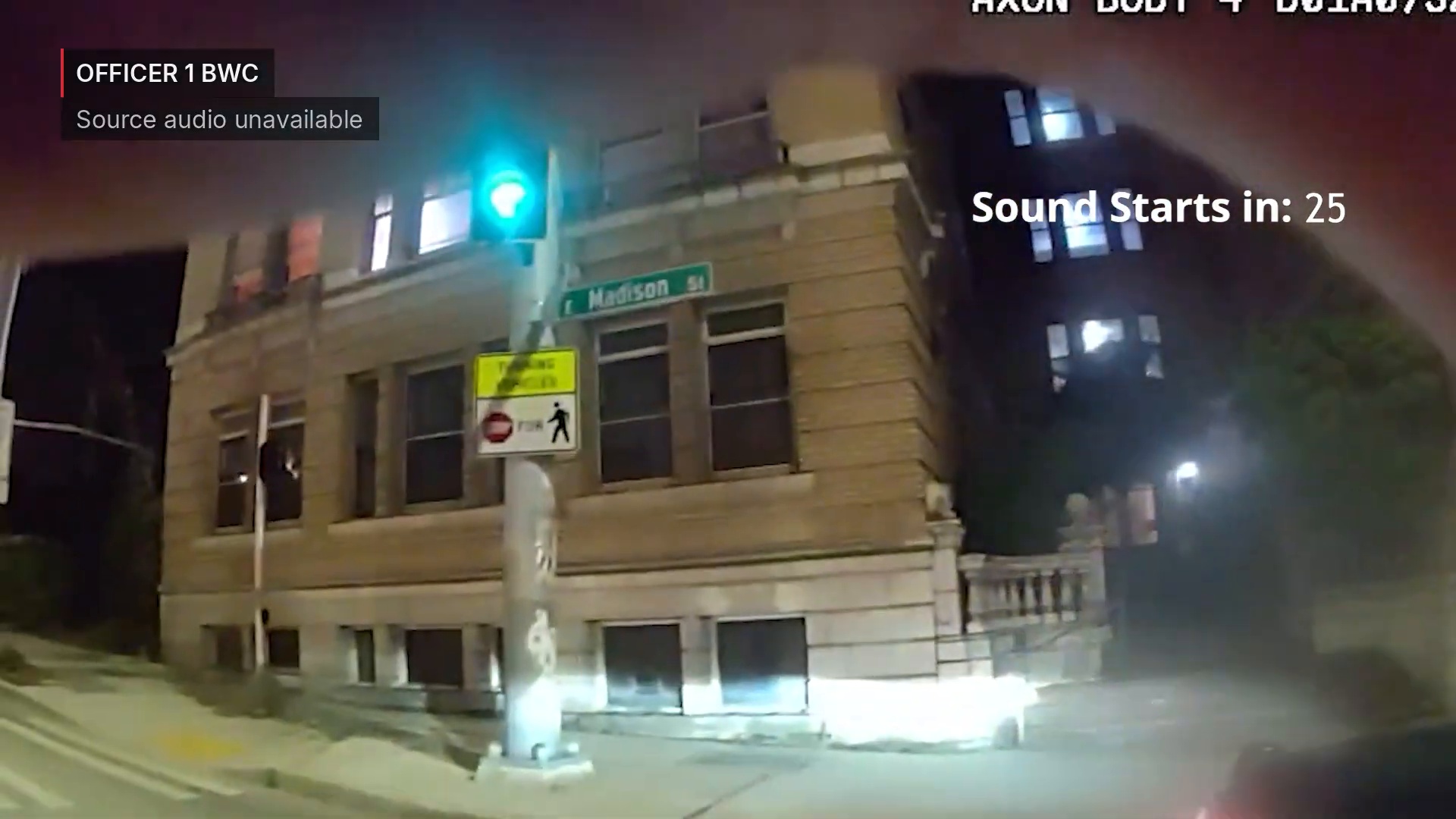
At approximately 5 a.m. on August 31, 2026, Seattle Police Department officers from the East Precinct were on routine patrol in the Cherry Hill area when they saw flames coming from a second-story apartment near 16th Avenue and East Madison Street. The quiet patrol immediately became a rescue operation.
The Officers Do Not Wait Outside
The officers moved toward the apartment building rather than simply waiting for firefighters. The front lobby door was locked, so body-camera footage shows them breaking glass to gain entry. Smoke was already beginning to spread inside.
They Head Straight Toward the Burning Unit
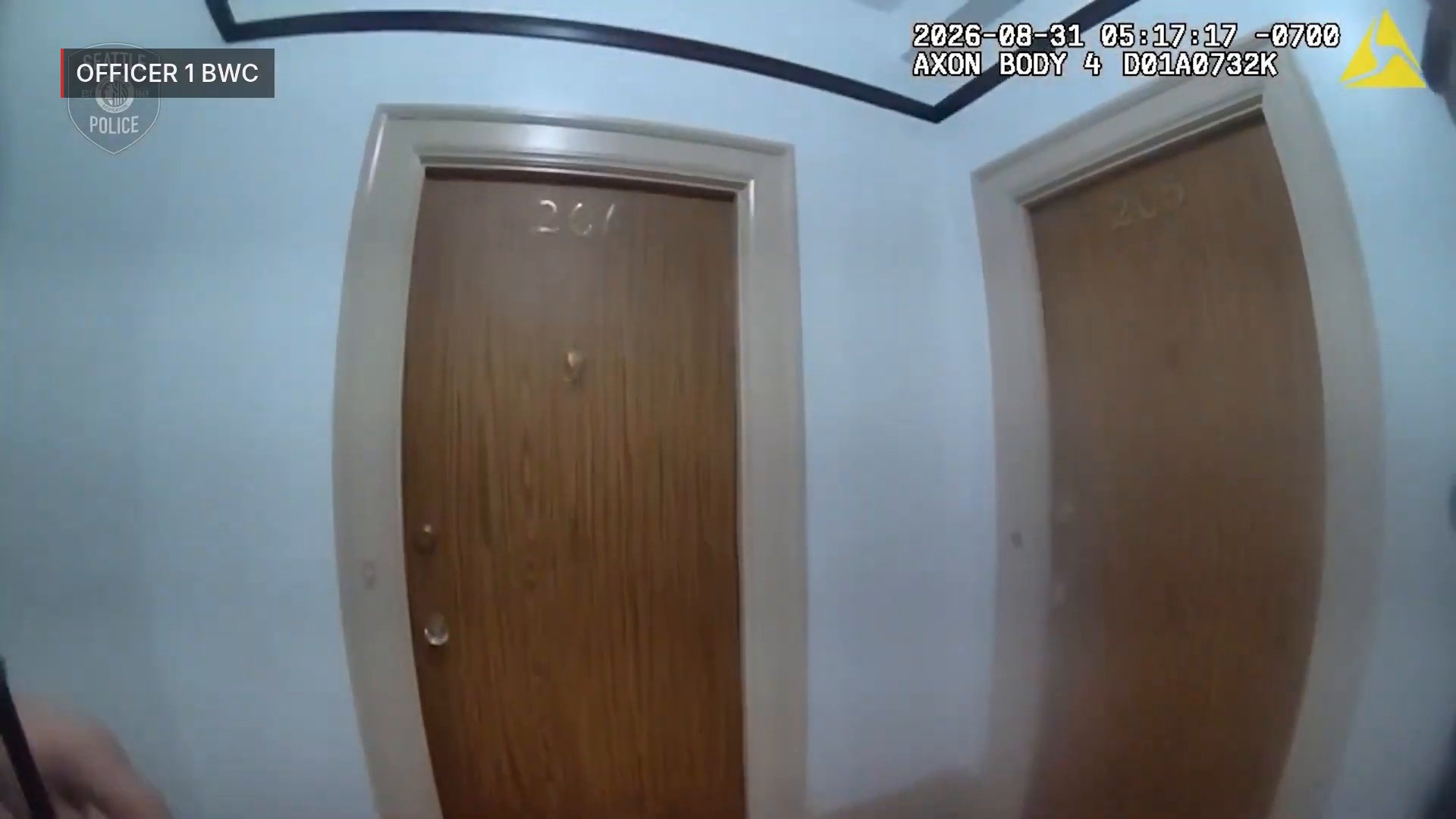
Once inside, officers climbed toward the apartment where flames had been visible. They knocked, shouted and kicked at the door, trying to wake whoever was inside before conditions deteriorated further.
A Disoriented Resident Opens the Door
A 28-year-old man eventually opened the apartment door. Reporting described him as disoriented. Smoke poured into the hallway as officers directed him away from the burning unit and asked whether pets were still inside.
The Fire Alarm Had Not Warned Everyone
Seattle Police later said the building fire alarm had not sounded. That detail helps explain why officers began pounding on additional doors. At five in the morning, many residents were still asleep and may not have known that a fire was spreading.
More Officers Begin Waking the Building
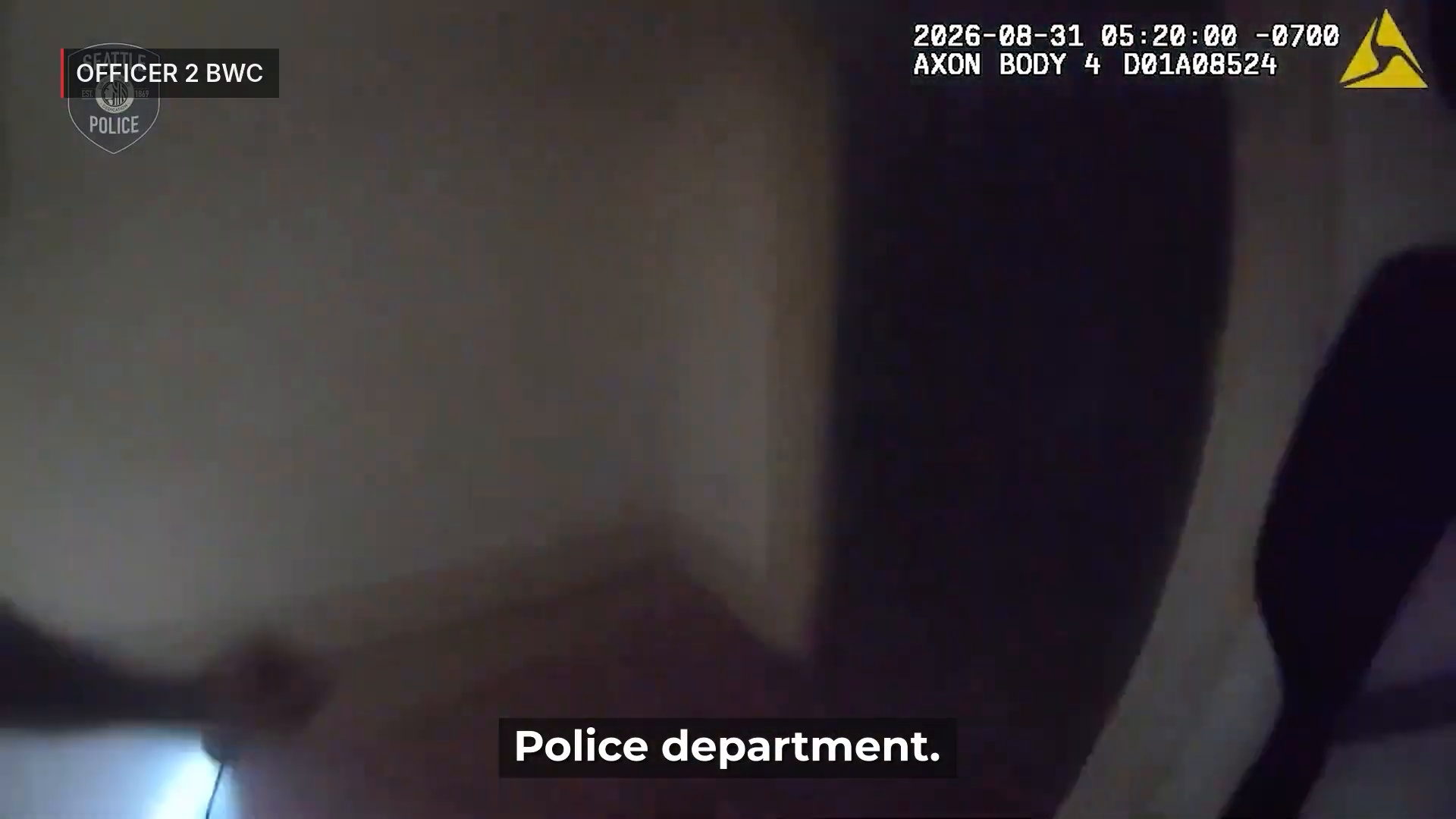
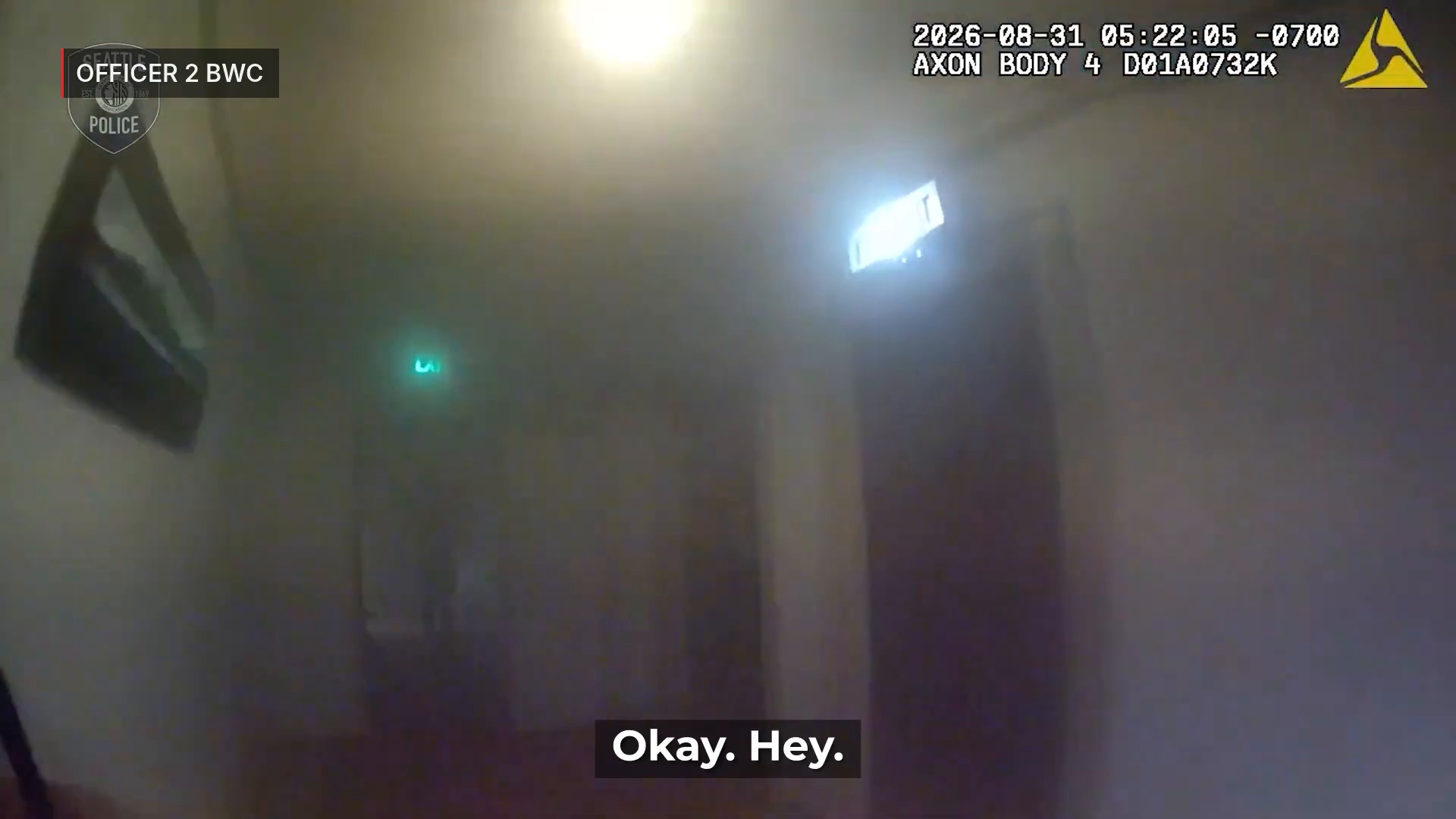
Additional officers arrived and joined the evacuation effort. They moved through the building, banging on doors and directing tenants outside. Without firefighters' breathing apparatus or protective gear, every trip into heavier smoke carried increasing risk.
Smoke Quickly Changes the Conditions
Smoke can become dangerous before flames reach a hallway, reducing visibility and exposing occupants to toxic combustion products. The officers had to balance the urgency of finding residents against the danger of remaining inside as conditions worsened.
Police and Firefighters Have Different Roles
Police officers are not structural firefighters and do not normally carry the protective equipment used for interior fire suppression. But when there is an immediate threat to sleeping occupants, officers may have to act during the minutes before fire crews can take over.
Seattle Fire Arrives
As smoke thickened, Seattle Fire Department crews arrived with hoses, protective clothing and breathing equipment. Police eventually withdrew from the most hazardous interior areas and shifted toward assisting evacuees and providing information to firefighters.
A Student Officer Was on His First Shift
One of the officers involved was a student officer working the first shift of his police career. Instead of beginning with routine calls, his first shift included entering a burning apartment building and helping residents escape.
The Resident Makes It Out
The 28-year-old resident of the burning unit was successfully led to safety. The officers' early arrival also allowed them to warn other tenants while many were still asleep.
Why the Locked Lobby Door Mattered
The locked entrance created an immediate obstacle. Waiting for normal access could have cost valuable time. Breaking the lobby glass allowed officers to enter and reach the threatened apartments while the fire was still developing.
The Department Commends the Officers
Seattle Police said the officers involved would receive commendations. The department praised them for entering a dangerous environment to help strangers and for continuing the evacuation effort until firefighters could take over.
Bodycam Shows What Sleeping Residents Could Not See
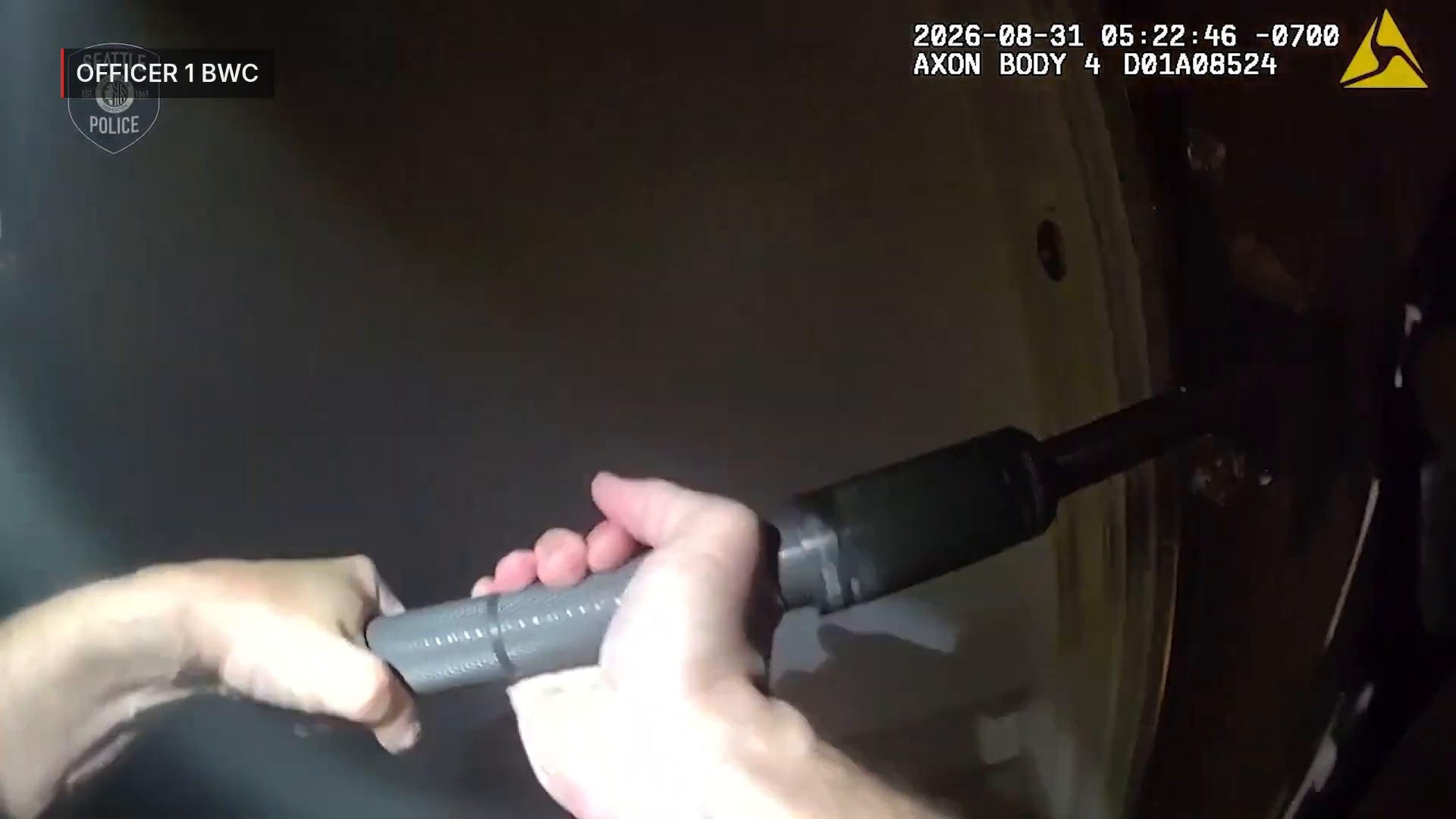
Many tenants were asleep when the emergency began. The bodycam captures the actions they may never have witnessed: officers spotting the flames, forcing entry, climbing toward the fire and repeatedly pounding on doors.
Why the Full Sequence Matters
A short clip of police running through smoke captures the drama but not the complete sequence. The footage shows officers identify the fire, gain access, reach the burning unit, remove a disoriented resident, warn other tenants and retreat as firefighters take over.
Watch the Rescue From the First Sign of Flames
The critical moments happen before many residents even realize the building is burning.
Comments (0)
Loading comments...
May You Like

Neighborhood Grocery Store Suddenly Erupts Into Chaos
After Dad’s Arrest, One Emotional Moment With an Officer Stands Out

Her Dad Is a Lawyer — Then He Shows Up After Her Arrest | Bodycam US














