
School Employee Found Asleep in the Roadway
SCHOOL DEAN FOUND ASLEEP BEHIND THE WHEEL AT A BUSY INTERSECTION
A vehicle sits motionless in a travel lane after midnight. The traffic signal changes, but the driver doesn't move. Cars begin stacking up behind the SUV.
When police approach, they find the driver apparently asleep behind the wheel.
What initially looks like a possible medical emergency soon develops into a DUI investigation—and the man behind the wheel turns out to be Vincent L. Turchetta Jr., a dean of students with Cranston Public Schools in Rhode Island. Contemporary reporting and Cranston Public Schools records confirm Turchetta's position with the district.
The encounter happened during the early morning hours of March 31, 2025, at the intersection of Park Avenue and Reservoir Avenue in Cranston.
Police alleged that Turchetta showed signs of impairment and later refused field sobriety and chemical testing. He was initially charged with DUI and refusal to submit to a chemical test.
But the story did not end with the arrest.
Less than two months later, the DUI charge was amended as part of a plea agreement, providing an important final chapter that short versions of the bodycam encounter often leave out.
A CAR THAT WOULDN'T MOVE
The encounter began at approximately 12:45 a.m.
According to the police account reported by WPRI, Turchetta's SUV was sitting in the westbound turn lane at Park and Reservoir avenues. Two vehicles had become stuck behind it.
The SUV wasn't simply parked along the side of the road.
It was occupyin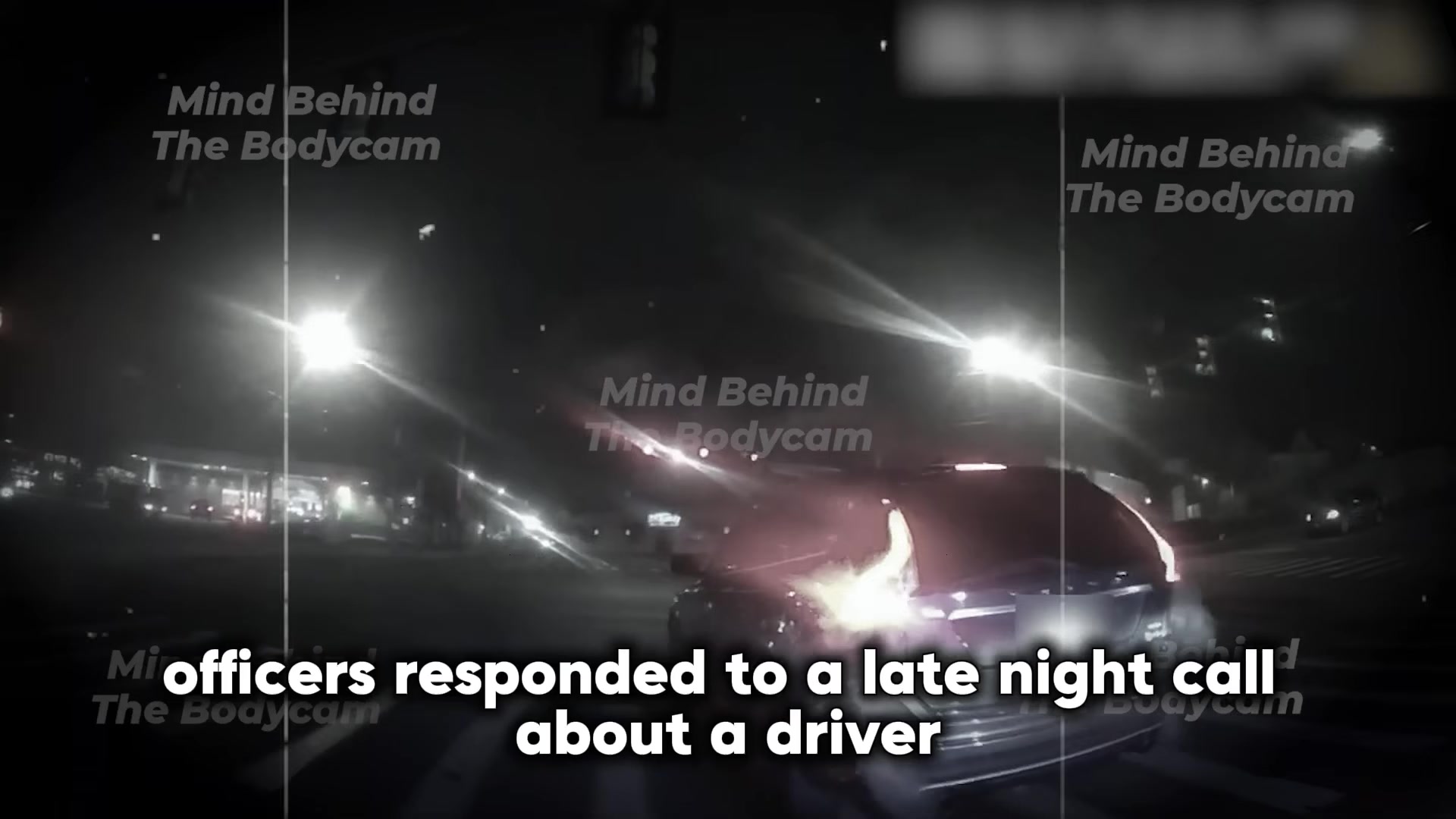
Its brake lights were illuminated, which police interpreted as indicating that the driver's foot was still pressing the brake pedal.
Inside was Turchetta.
He appeared to be asleep.
THE VEHICLE WAS STILL IN THE ROADWAY WHILE OTHER DRIVERS WERE WAITING BEHIND IT.
That detail immediately raises the stakes. Officers approaching an apparently unconscious driver cannot initially know whether they are dealing with intoxication, exhaustion, a medical emergency or another problem entirely.
Their first task is simply to determine whether the person is responsive.
OFFICERS TRY TO WAKE THE DRIVER
The bodycam footage captures police moving alongside the SUV and attempting to communicate with Turchetta.
According to the police report summarized by WPRI, an officer knocked on the vehicle's window.
Turchetta did not immediately respond.
The officer eventually opened the driver's door, at which point Turchetta woke up.
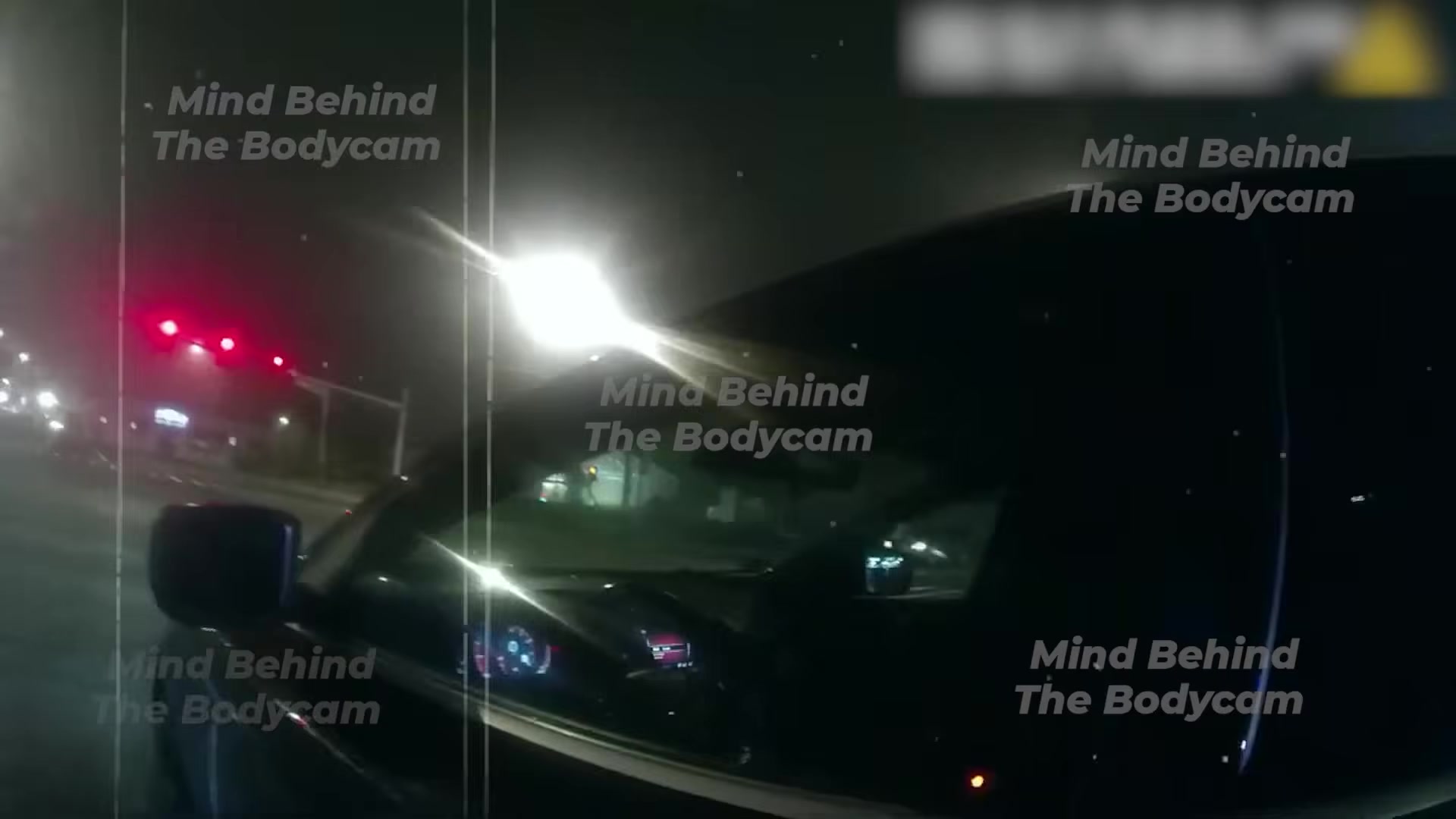
That moment changes the nature of the call.
Police now have a conscious driver, but they still have to determine why the vehicle had been stopped in an active traffic lane and why the driver had apparently been asleep.
The officer instructs him to put the SUV in park.
The key is removed.
Turchetta is then directed out of the vehicle and away from traffic.
THE IMMEDIATE PRIORITY IS TO MAKE SURE THE SUV CANNOT SUDDENLY MOVE FORWARD INTO THE INTERSECTION.
From there, officers can begin looking more closely at the driver's condition.
THE INVESTIGATION MOVES TO THE SIDE OF THE ROAD
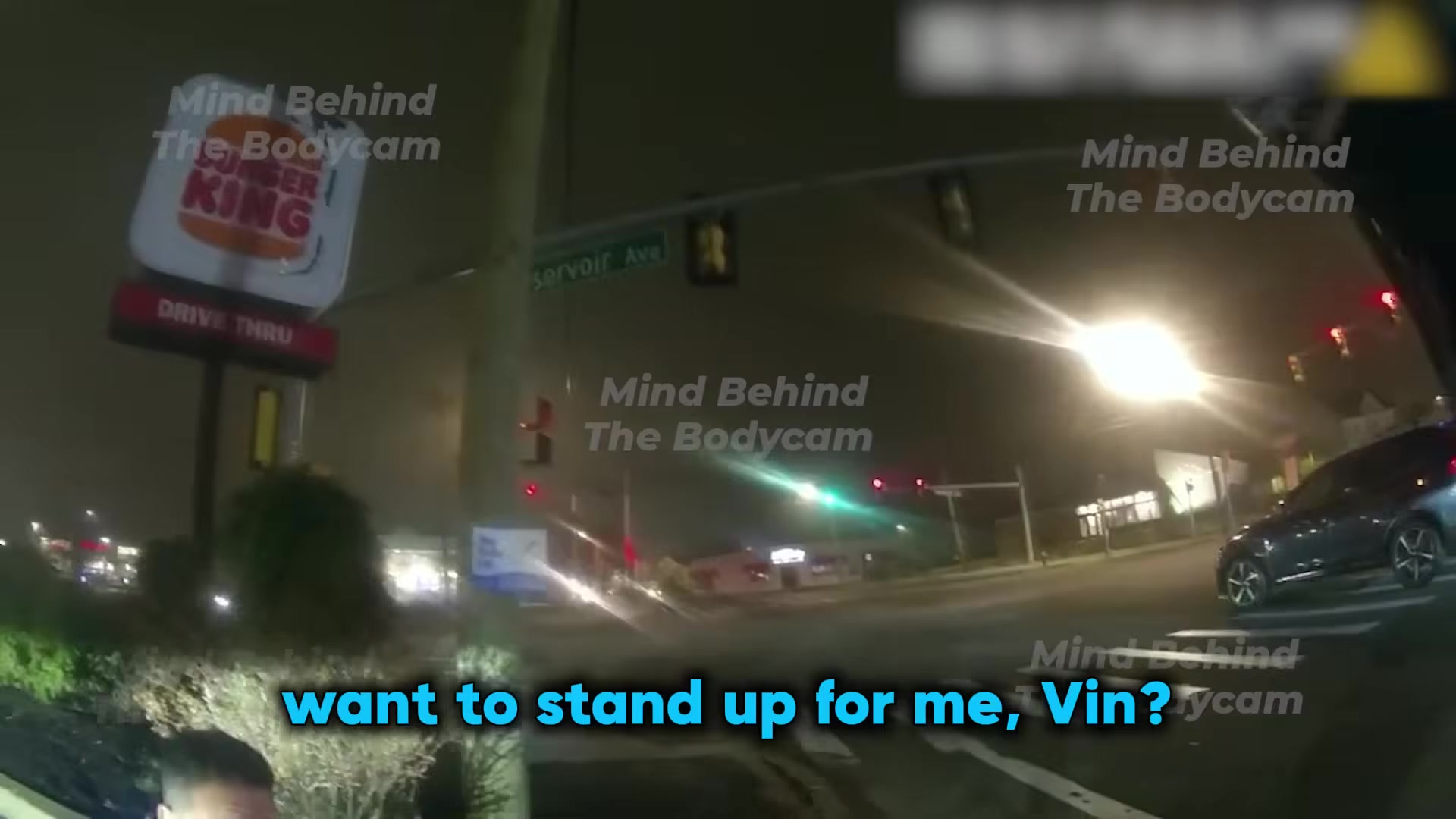
Turchetta is taken away from the driver's seat and directed toward the sidewalk near a Burger King.
The location visible in the footage provides another strong point of verification. The video shows the Burger King sign and Reservoir Avenue street signage, matching the intersection identified in the police account.
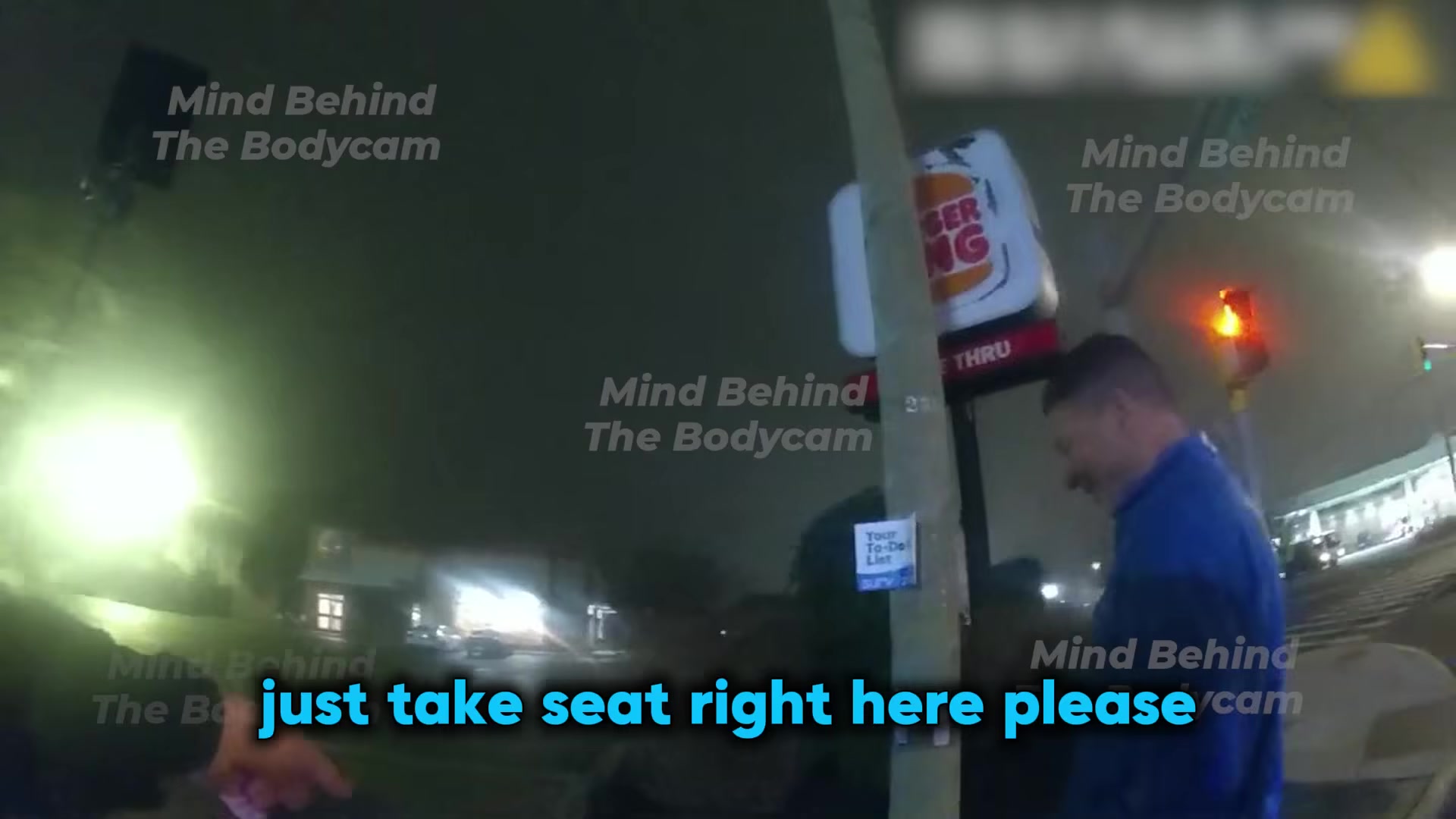
Once away from the SUV, the interaction becomes much more conversational.
Officers ask Turchetta questions and observe his behavior.
According to the police account, an officer reported smelling alcohol and observing signs that led him to suspect impairment.
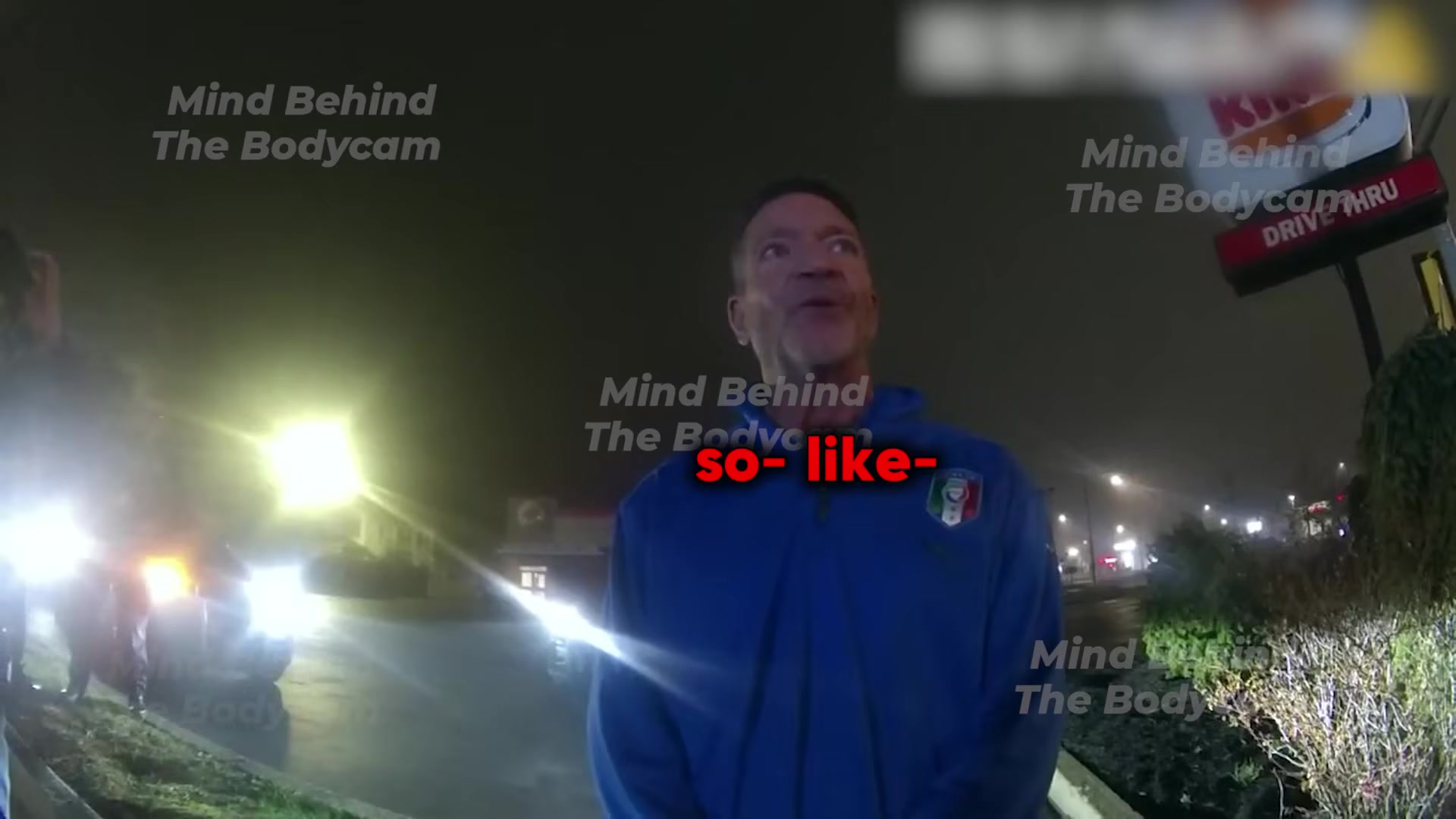
Turchetta reportedly told officers that he had been coming home from a house party in Warwick.
He also told police that he had consumed three beers, according to the arrest report described by WPRI.
Those statements now become part of a larger picture for investigators: a vehicle stopped in a travel lane, a driver apparently asleep at the wheel, observations by responding officers and the driver's own account of drinking earlier that night.
THE DRIVER'S JOB ADDS AN UNEXPECTED TWIST
As the conversation continues, another unusual element emerges.
Turchetta isn't simply another motorist traveling through Cranston.
He worked for the local public-school system.
Cranston Public Schools' own staff directory identifies Vincent Turchetta as Dean of Students, while a district newsletter identifies him as CPS Dean of Students and Attendance.
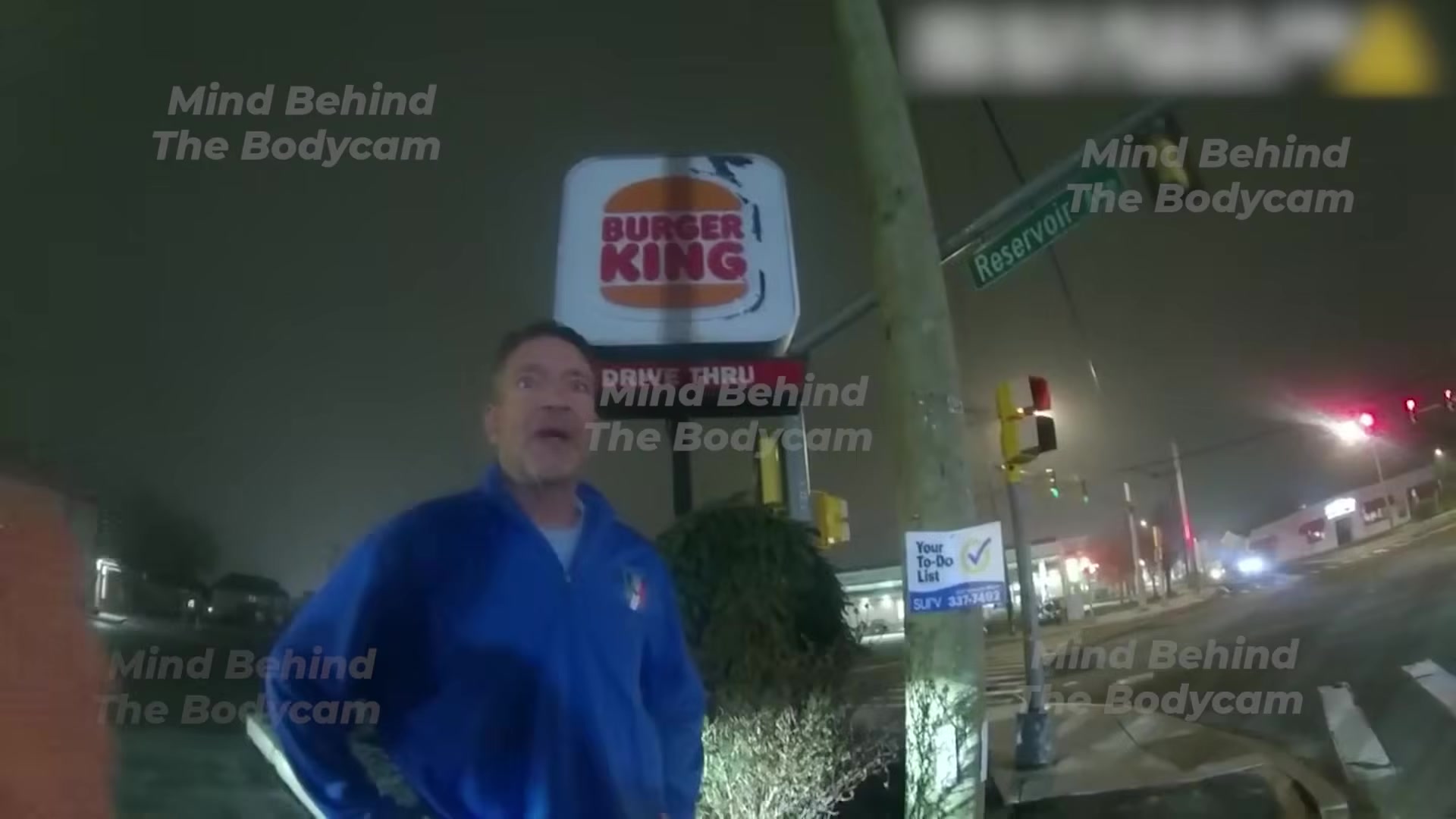
That connection understandably attracted public attention once news of the arrest emerged.
But his employment is separate from the central legal question confronting the officers that night.
Their investigation still had to focus on what happened on the roadway and whether there was sufficient evidence to support an impaired-driving arrest.
Cranston Public Schools later confirmed his employment to reporters but declined further comment, describing the situation as a personnel matter.
POLICE ASK HIM TO STAND
The footage progresses slowly compared with a pursuit or physical arrest.
There is no dramatic chase.
No one runs.
Instead, the critical moments come from conversation, observation and the driver's responses to police instructions.
At one point, an officer asks Turchetta to stand.
This stage matters because DUI investigations frequently depend on a collection of observations rather than one single fact.
A person being asleep behind the wheel does not, by itself, establish intoxication. Neither does simply admitting to consuming alcohol.
Officers therefore have to assess the totality of what they encounter.
According to police, Turchetta ultimately refused to perform field sobriety testing.
That meant officers would not receive the additional information those exercises might otherwise have provided.
The investigation nevertheless continued based on the circumstances officers had already observed.
A ROUTINE INTERSECTION BECOMES THE CENTER OF A DUI INVESTIGATION
The setting makes the original situation particularly concerning.
This wasn't an SUV found in a private driveway or legally parked in an empty lot.
Police said it was stopped in a westbound turn lane with other vehicles behind it.
A sleeping or unconscious person behind the wheel of a vehicle in an active lane presents several possibilities, and not all of them involve criminal behavior.
The driver might be experiencing a medical emergency.
They might be dangerously fatigued.
They might be impaired by alcohol, medication or another substance.
For responding officers, those possibilities have to be narrowed down through direct observation and investigation.
In Turchetta's case, police concluded that what they observed justified an arrest.
THE CALL THAT BEGAN WITH AN UNRESPONSIVE MOTORIST WAS NOW BEING TREATED AS A SUSPECTED DUI.
TURCHETTA IS TAKEN INTO CUSTODY
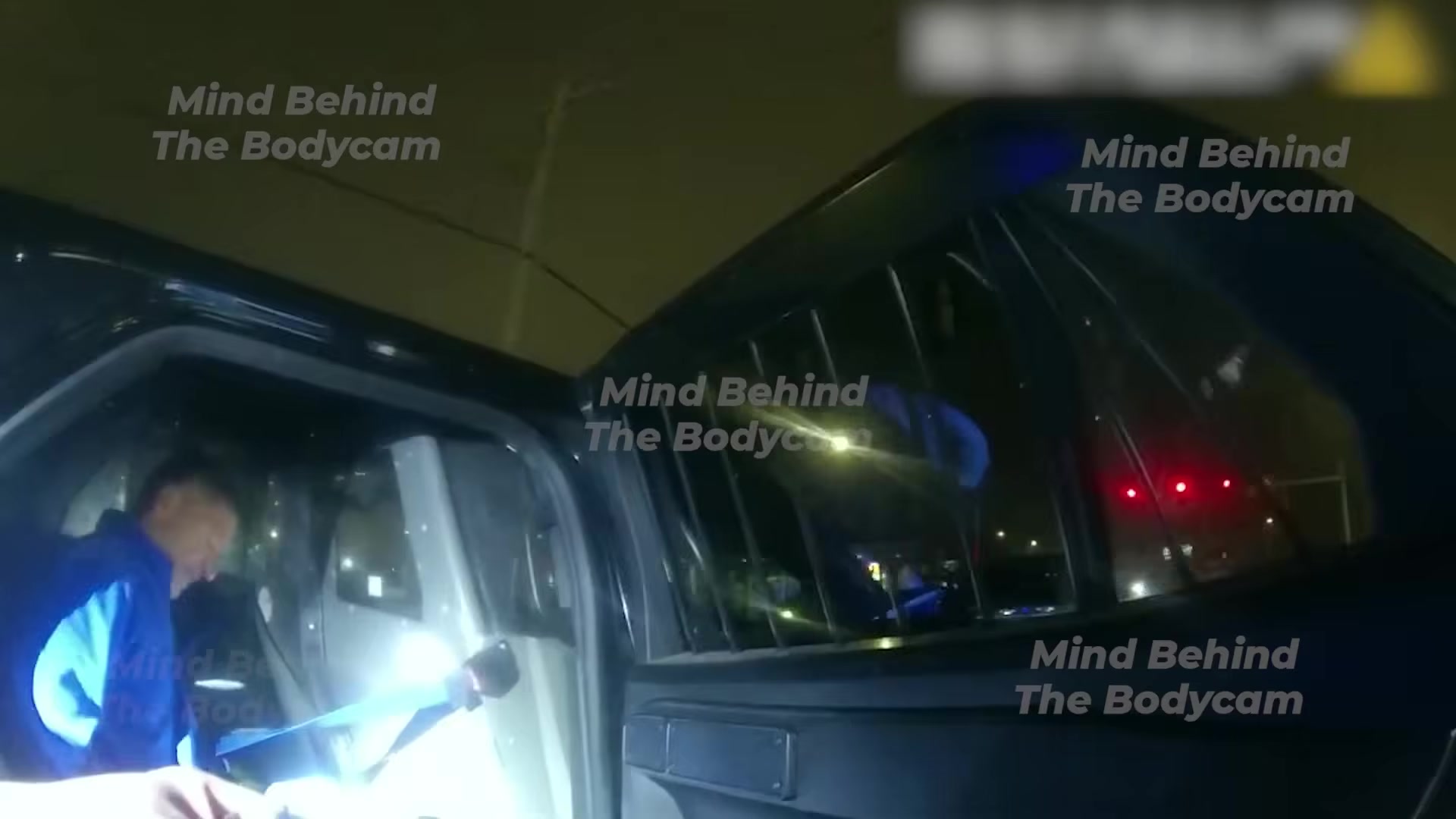
The footage eventually reaches the point where Turchetta is placed under arrest.
Police initially charged the 61-year-old with DUI, first offense, BAC unknown, as well as refusal to submit to a chemical test.
The "BAC unknown" portion is important.
It means the initial charge was not based on a reported numerical blood-alcohol concentration from a completed chemical test.
According to reporting based on the arrest record, Turchetta refused the chemical test.
He was subsequently arraigned before a justice of the peace and given a court date.
At this point, a viral bodycam clip could easily end the story.
The driver was found.
Police investigated.
An arrest was made.
Charges were filed.
But doing that would leave out one of the most important parts of the case.
AN ARREST IS NOT THE SAME THING AS A FINAL COURT DISPOSITION.
And Turchetta's case changed significantly after the night captured on camera.
THE CASE MOVES TO COURT
After his arrest, Turchetta pleaded not guilty and was released on personal recognizance while the case proceeded.
Then came a major development in May 2025.
On May 19, 2025, Turchetta appeared in Kent County District Court in Warwick and entered a plea agreement.
The original DUI charge did not remain intact.
According to court records reviewed by the Boston Globe and WPRI, prosecutors amended the DUI allegation to reckless driving and other offenses against public safety.
Turchetta pleaded nolo contendere—no contest—to the amended charge.
A no-contest plea is not the same as standing before a court and verbally admitting every factual allegation. It means the defendant does not contest the charge and accepts the resulting disposition.
The judge ordered the case filed for one year.
According to reporting on the court records, that means the matter can ultimately be dismissed after the filing period if Turchetta satisfies the applicable conditions and avoids further legal trouble.
The judge also ordered no further loss of license in connection with that disposition, according to the Globe's report.
THE CHEMICAL-TEST REFUSAL CHARGE WAS ALSO DROPPED
There was another important change.
The refusal-to-submit charge that had accompanied the original DUI allegation did not ultimately remain pending either.
Court records cited by the Boston Globe indicate that the refusal charge filed in the Rhode Island Traffic Tribunal was dropped.
That creates a significantly more complete picture than simply saying a school dean "got a DUI."
The accurate sequence is more nuanced:
POLICE ARRESTED TURCHETTA ON SUSPICION OF DUI AND REFUSAL AFTER FINDING HIM APPARENTLY ASLEEP BEHIND THE WHEEL. THE DUI CHARGE WAS LATER AMENDED TO RECKLESS DRIVING, TO WHICH HE PLEADED NO CONTEST, WHILE THE REFUSAL CHARGE WAS DROPPED.
That distinction matters whenever bodycam footage is used to tell the story of an arrest.
Video captures the beginning of a criminal case.
Court records tell us how that case ultimately develops.
WHY THIS BODYCAM ENCOUNTER IS DIFFERENT
Police footage often attracts attention because something explosive happens.
A suspect runs.
A traffic stop becomes a pursuit.
Someone fights with officers.
A routine conversation suddenly turns into a confrontation.
None of that is necessary here.
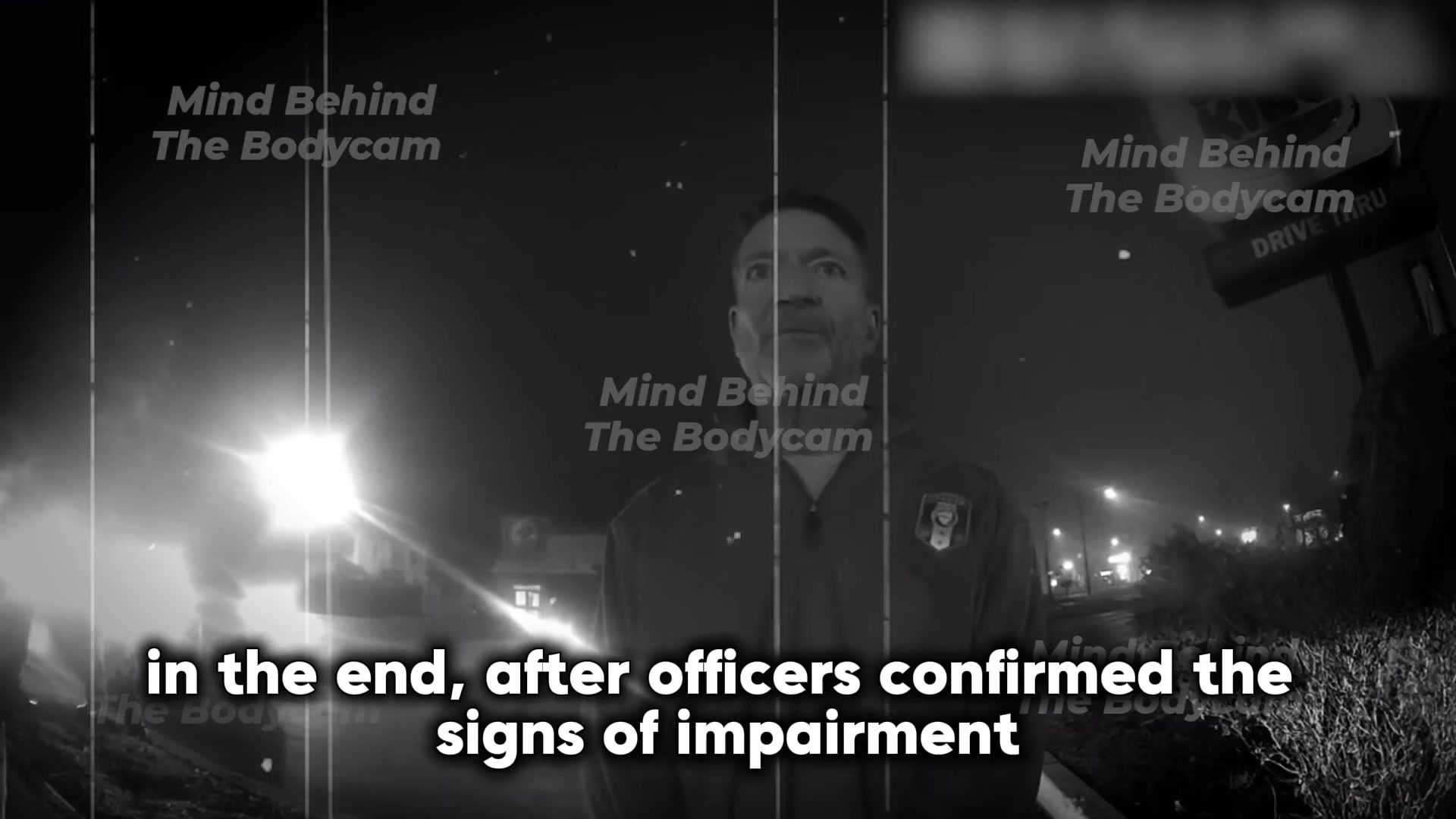
The tension comes from the opening image itself: a driver apparently asleep behind the wheel while his vehicle remains stopped in an active lane of traffic.
Everything that follows is methodical.
Police secure the vehicle.
They wake the driver.
They move him away from traffic.
They ask where he has been.
They investigate whether alcohol may be involved.
They request sobriety testing.
Then they make an arrest.
That slower pace gives viewers an unusually clear look at how a suspected DUI investigation can develop from a welfare check or traffic complaint.
THE FOOTAGE ALSO SHOWS WHY CONTEXT MATTERS
A short social-media edit can easily reduce an encounter like this to a few dramatic sentences.
"School employee passes out behind wheel."
"Police catch administrator drunk."
"Dean arrested for DUI."
But each description leaves something out.
The employment connection is verified: Cranston Public Schools lists Turchetta as a dean of students.
The arrest is verified: police charged him with DUI and refusal after finding him apparently asleep in his SUV at Park and Reservoir.
But the later legal outcome matters just as much: the DUI was amended to reckless driving, he pleaded no contest to that amended charge, and the chemical-test refusal was dropped.
Without that final piece, the story remains incomplete.
ONE STOPPED SUV, TWO VERY DIFFERENT STORIES
Viewed only through the bodycam, the incident is a police story.
Officers find an apparently unconscious driver.
They wake him.
They investigate.
They arrest him.
Viewed through the subsequent court records, however, it becomes a legal story as well.
The allegations made on the roadside were not identical to the charge that ultimately resolved the case.
That is why the distinction between arrest, allegation and disposition is so important.
Police officers make decisions based on what they encounter at the scene.
Prosecutors and defense attorneys later evaluate the evidence.
Charges can be amended.
Cases can be dismissed.
Plea agreements can alter the final outcome.
All of those stages belong in a complete account.
A QUIET NIGHTTIME CALL THAT QUICKLY BECAME PUBLIC
There is nothing spectacular about the location.
It is an ordinary commercial intersection in Cranston, surrounded by familiar businesses and traffic lights.
But shortly after midnight on March 31, that intersection became the setting for an encounter that would eventually draw statewide media attention.
A school administrator was allegedly found asleep behind the wheel.
Police suspected impairment.
An arrest followed.
And because officers were wearing body cameras, viewers can now see much of the interaction for themselves.
The footage doesn't show a chaotic confrontation.
Instead, it documents the slow progression from concern for an unresponsive driver to a criminal investigation.
And the later court proceedings add an ending that cannot be seen on any bodycam.
TURCHETTA'S ORIGINAL DUI ALLEGATION WAS ULTIMATELY AMENDED TO RECKLESS DRIVING, HE PLEADED NO CONTEST, AND THE CASE WAS FILED FOR ONE YEAR.
That final detail turns a viral arrest clip into a much more complete story.
WATCH HOW THE ENCOUNTER UNFOLDED
Comments (0)
Loading comments...
May You Like
Cops Arrive for a Medical Emergency and Walk Into Drunken Chaos
After Dad’s Arrest, One Emotional Moment With an Officer Stands Out
Entitled Driver Skips the Line and Gets Instant Karma3















