
Reckless Night Drive Ends With a Difficult DUI Investigation
Reckless Night Drive Ends With a Difficult DUI Investigation
A Reckless-Driving Call Leads Officers to a Bright Green Kia
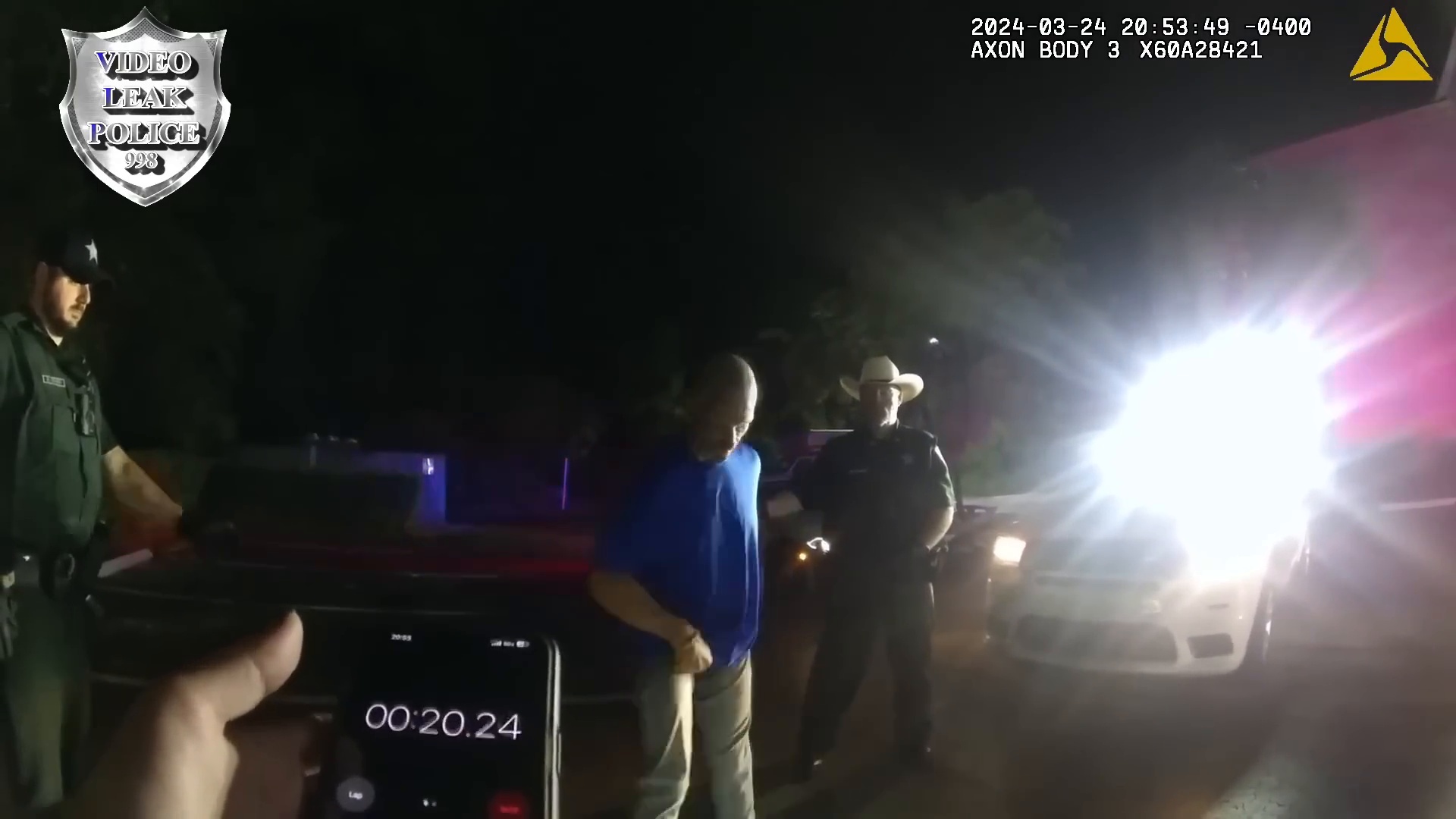
The supplied body-camera footage is timestamped March 24, 2024 and records a nighttime police encounter involving a man and a bright green Kia Soul. The original upload describes the incident as a Florida DUI investigation that followed reckless driving.
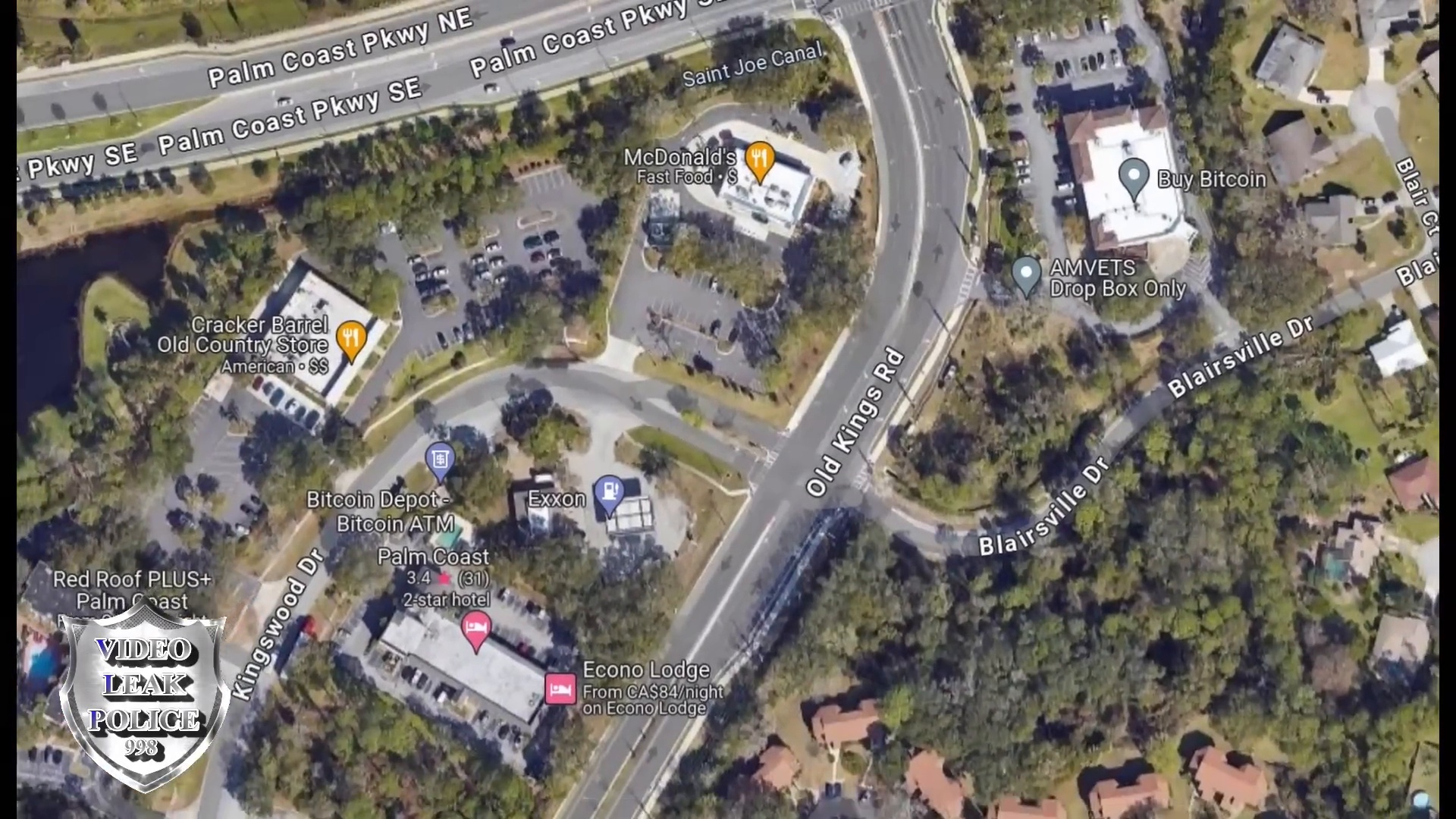
The video itself provides several reliable anchors. Officers are dealing with the Kia in a residential or mixed roadside setting after dark. The male driver remains the focus of the investigation for several minutes, and the interaction progresses from questioning to a more formal impairment investigation and eventual detention.
The upload title uses the slang term “tweaker.” That word can imply stimulant or methamphetamine use, but appearance and unusual behavior alone cannot establish what substance, if any, a person has consumed. This article therefore does not repeat that characterization as a medical or factual conclusion.
Research for this article did not produce a police report or local-news account that could be matched to this exact footage with enough confidence to publish the man’s identity, department, precise location, chemical-test result, charges or court outcome. Similar Florida DUI cases were excluded when the date, vehicle or sequence did not match.
The Driver’s Behavior Keeps the Investigation Going
DUI investigations often begin with driving behavior rather than a chemical test. An officer may receive a reckless-driver call, observe lane violations, respond to a crash or notice another traffic offense. Once contact is made, officers evaluate what they can see, hear and smell before deciding whether additional investigation is justified.
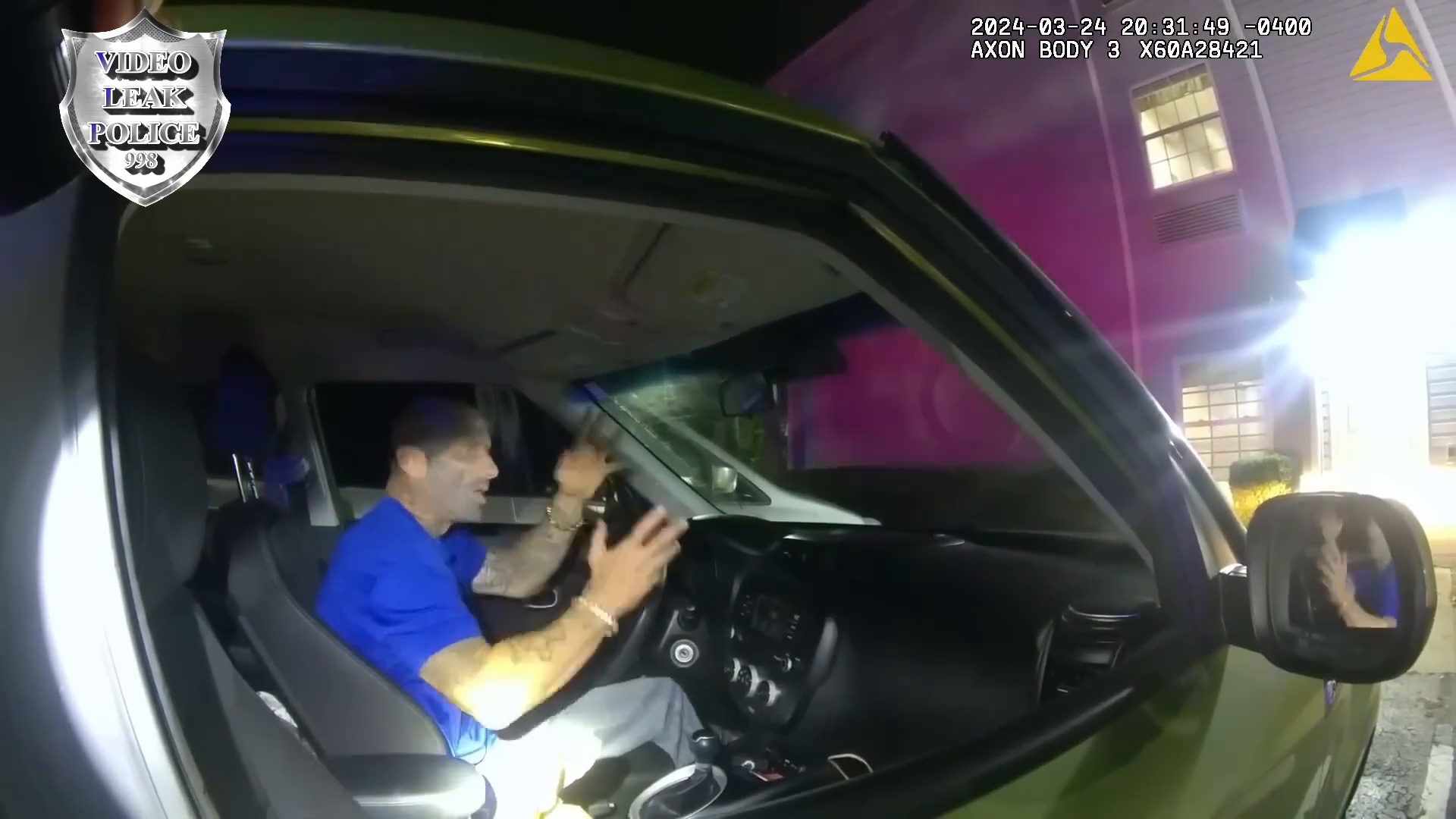
In this footage, the driver’s behavior keeps officers engaged well beyond a quick traffic warning. He talks extensively with officers and appears restless at different points in the encounter. Those observations can be relevant to an investigation, but they are not enough by themselves to identify a particular intoxicant.
Police must also consider innocent or medical explanations for unusual behavior. Anxiety, fatigue, prescribed medication and health conditions can sometimes resemble signs officers associate with impairment. That is one reason field observations are normally evaluated together rather than relying on a single gesture or facial expression.
The body camera is useful because it preserves the interaction in sequence. Viewers can observe the driver’s responses and the officers’ instructions rather than relying entirely on a later summary.
From Roadside Questions to an Impairment Investigation
As the encounter continues, officers become increasingly focused on whether the man is capable of safely operating the vehicle. The investigation moves away from the simple question of why the Kia was being driven in the manner reported and toward the driver’s physical and behavioral condition.
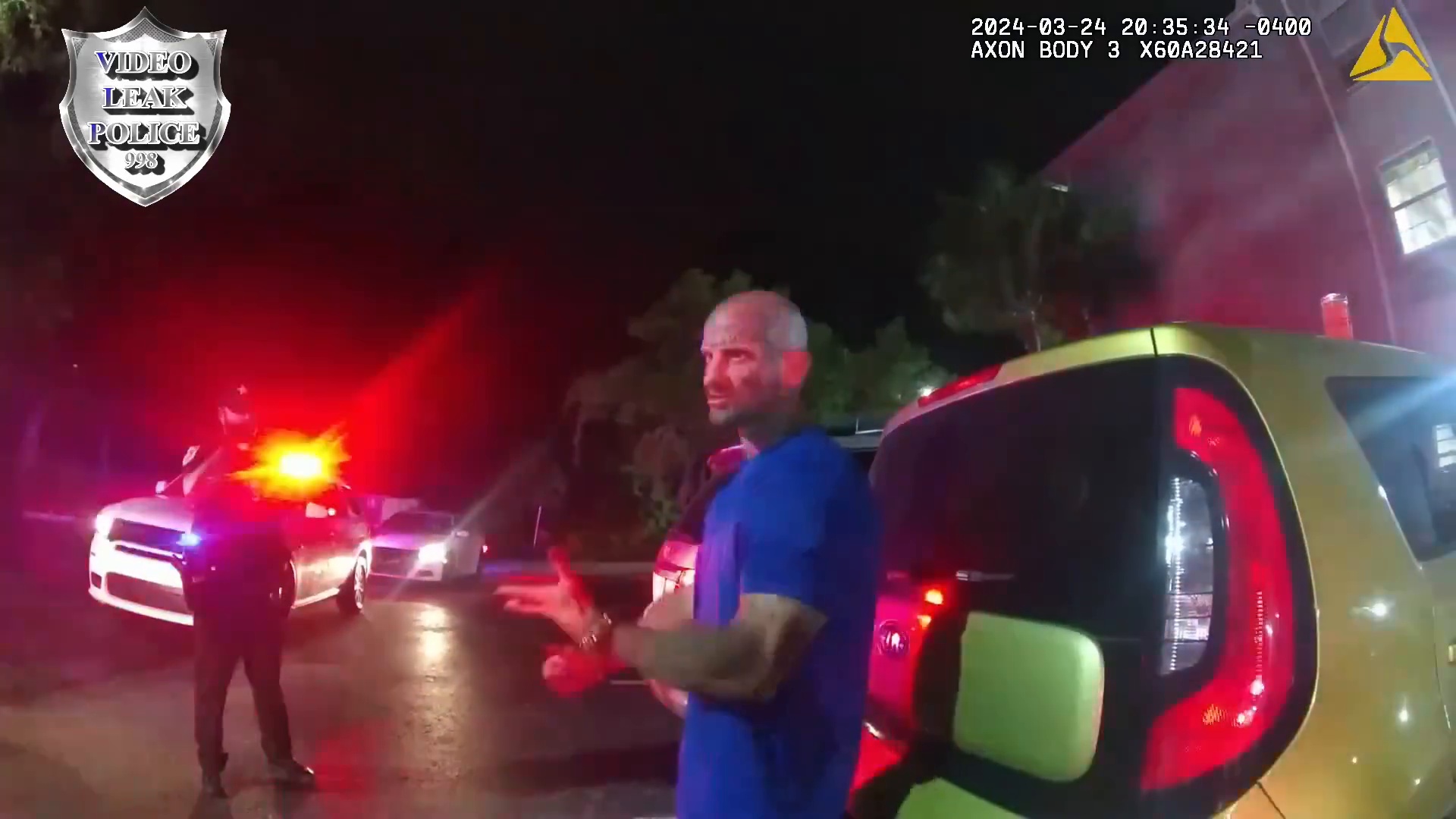
Field sobriety investigations are designed to give officers additional observations that can contribute to a probable-cause decision. The exact exercises and legal requirements vary with circumstances, and body-camera footage may not always capture every instruction or movement clearly.
A driver can also dispute an officer’s interpretation of performance. Ultimately, the significance of roadside observations is evaluated together with driving evidence, statements, chemical testing where available and other evidence collected in the case.
Because the exact agency report for this incident has not been independently located, this article does not invent a blood-alcohol concentration or claim that laboratory testing confirmed a particular drug. The original title calls the incident a DUI arrest, while the footage documents the roadside process that leads to the man being detained.
The Bright Green Kia Becomes the Center of the Scene
The unusual color of the Kia Soul is one of the strongest visual identifiers in the footage. It remains beside the officers as emergency lighting illuminates the area and the investigation develops.
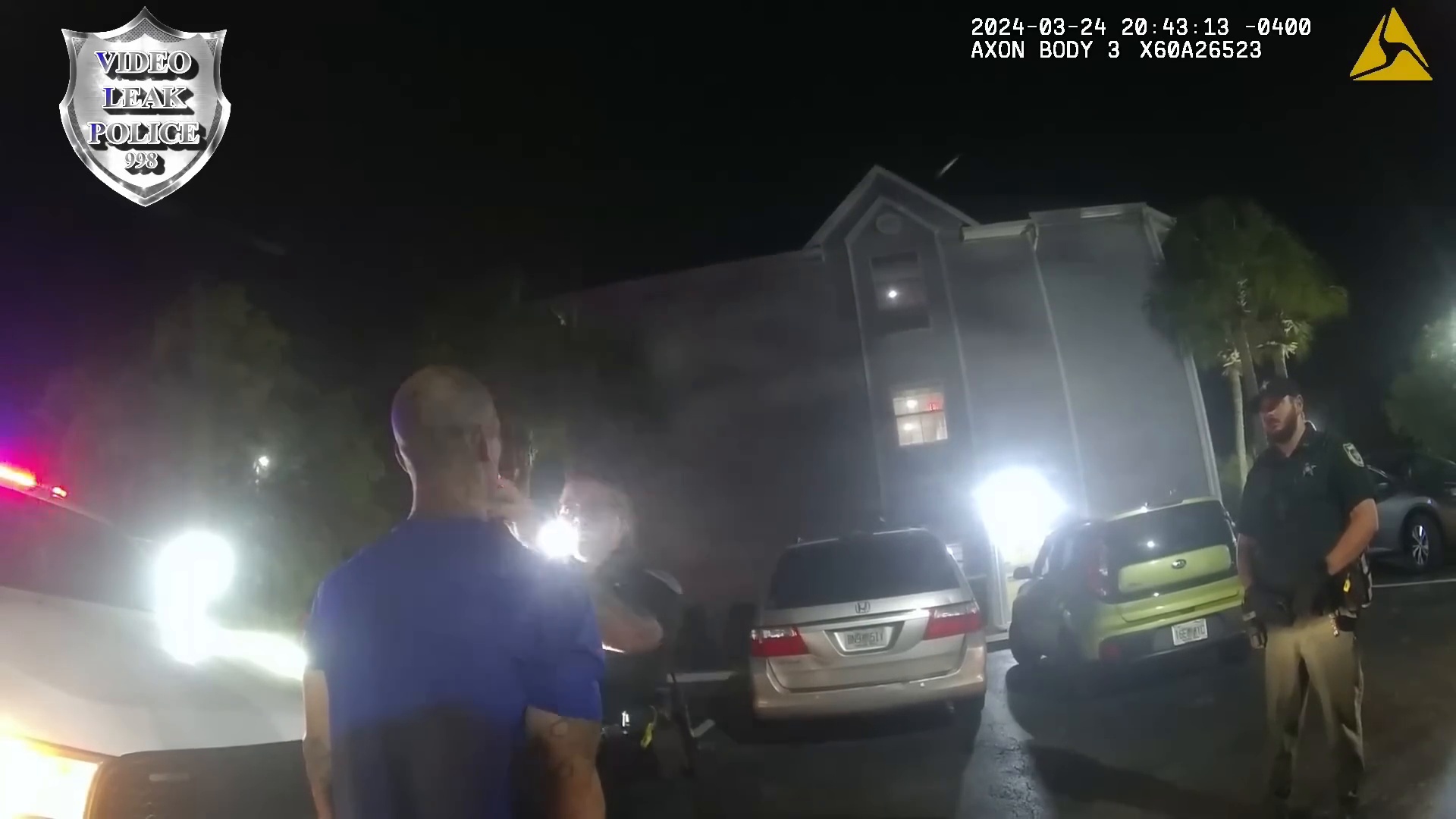
Vehicle details can be extremely useful when verifying viral body-camera footage. Dates alone are rarely sufficient because thousands of police encounters occur every day. A distinctive vehicle, body-camera timestamp, agency patch, spoken street name or case number can help distinguish one event from another.
Here, searches for Florida DUI and reckless-driving arrests around March 24, 2024 produced other cases, but none could be responsibly matched to this combination of vehicle and footage. Rather than attaching an unrelated arrest record to the man in the video, the article keeps the background limited to what the camera establishes.
That is particularly important when an online upload has been reposted or retitled. A catchy headline may survive while the original department description disappears, making visual cross-checking essential.
Why Reckless Driving and DUI Are Different Questions
Reckless driving and driving under the influence can overlap, but they are not interchangeable concepts. A person may drive dangerously without being impaired, and an impaired driver may commit traffic violations that do not independently establish reckless driving.
A DUI investigation therefore requires officers to connect observations of the driver with the operation or control of the vehicle. Reckless driving evidence may help explain why officers initiated contact, but it does not automatically prove intoxication.
Likewise, an energetic, argumentative or erratic demeanor is not a toxicology result. The responsible way to describe this footage is to separate the observed conduct from conclusions that would require records or testing.
The video shows officers taking the situation seriously and spending substantial time investigating. It also shows why body-camera footage can be more informative than a short viral title: viewers can see the gradual accumulation of observations rather than being told only that a person was arrested.
A Long Night Ends With the Driver in Police Control
By the later stages of the footage, the encounter has clearly moved beyond casual questioning. Officers maintain control of the driver while the roadside investigation winds down.
The strongest account of the incident is therefore not the most sensational one. It is a chronological description: officers respond to or investigate reported reckless driving, make contact with the man associated with the green Kia, spend time evaluating his condition and ultimately detain him in connection with the DUI investigation described by the source video.
What remains unverified should remain unverified. Without a matched official report, there is no responsible basis to publish the driver’s name, claim methamphetamine use, invent a BAC, specify charges beyond what can be reliably established, or state what happened in court.
That restraint does not make the footage less interesting. In fact, it allows viewers to concentrate on the police work visible on camera: observation, questioning, repeated instructions, assessment and the final transition into custody.
The case is also a reminder that labels such as “Florida Man” or “tweaker” are entertainment language rather than evidence. Police reports, toxicology results and court records answer legal questions; body-camera footage supplies a direct but incomplete view of the encounter.
For anyone who wants to judge the progression for themselves, the full recording provides the most useful context. The interaction changes gradually, and the later arrest makes more sense when viewed alongside the minutes of investigation that precede it.
See the full encounter to follow how the reckless-driving investigation develops into a nighttime DUI arrest from start to finish.
Comments (0)
Loading comments...
May You Like
Police Pull Over Paralyzed Driver With Blind Passenger

Cops Arrive for a Medical Emergency and Walk Into Drunken Chaos

Entitled Teen REFUSES To Exit Vehicle, Takes Off On Police Instead
















