
Police Were Ready to Let Her Walk—Then One Shove Changed Everything
Police Were Ready to Let Her Walk—Then One Shove Changed Everything
Walmart staff call police over two missing bras. Officers find the merchandise, hear the woman’s explanation and appear ready to send her away with a trespass warning. Seconds later, one physical move turns the entire encounter upside down.
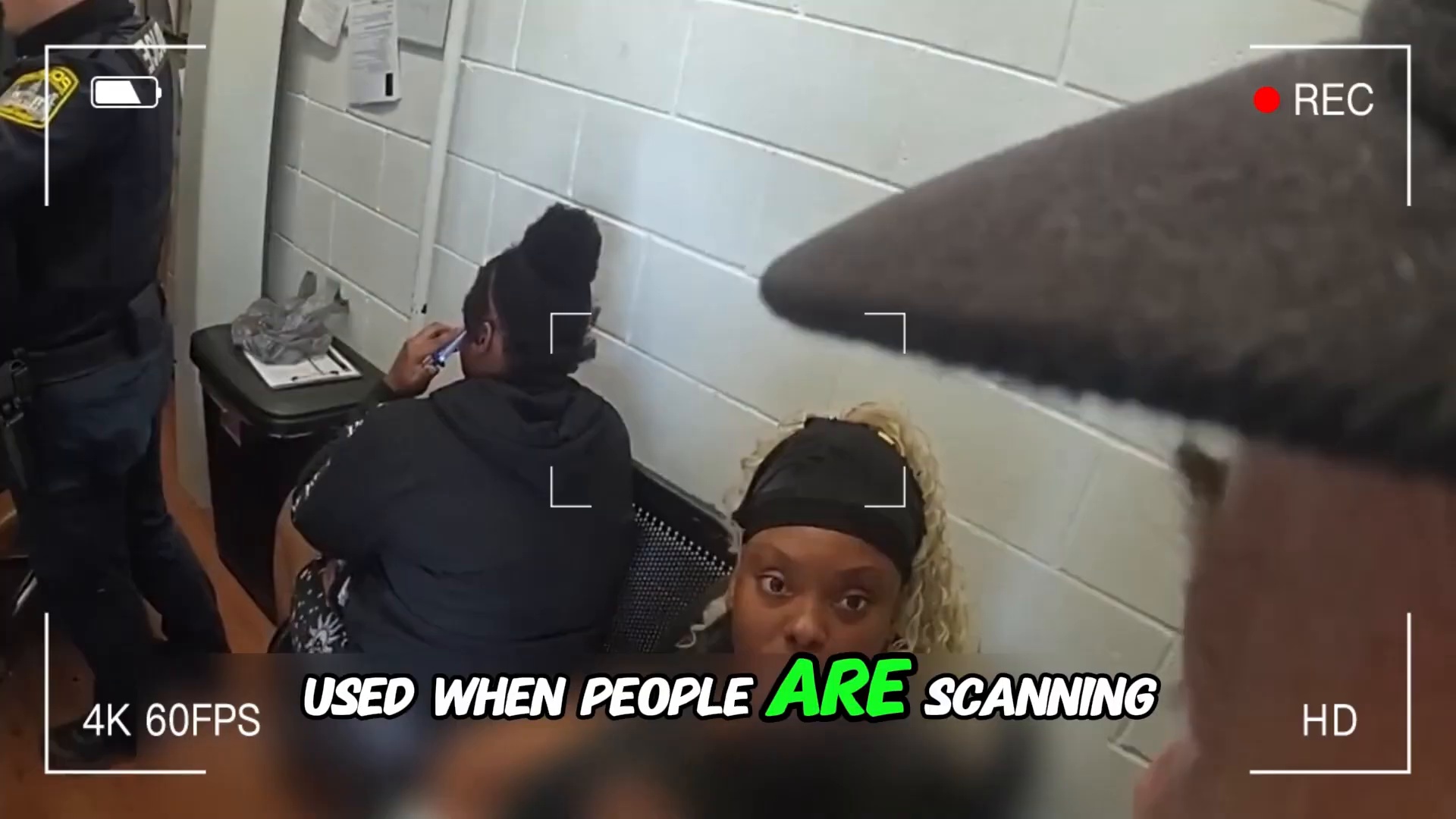
A Walmart Theft Call That Was Almost Over
Police arrive expecting a routine retail-theft investigation. Walmart employees say a woman named Ashley entered a fitting room with merchandise, disappeared into a bathroom and returned under circumstances that made staff believe items were missing. Officers begin doing what they normally do in a shoplifting call: separate claims from evidence, ask where the merchandise went and determine whether the store wants enforcement action.
For most of the encounter, the situation remains surprisingly controlled. Ashley argues, becomes frustrated and insists that at least some of the items officers are asking about belong to her. Yet the officers continue investigating rather than immediately placing her under arrest.
The twist comes only after the missing merchandise is located and the officers appear prepared to resolve the matter with a trespass warning instead of taking her to jail. Ashley is close to walking away.
Then, according to the footage and a matching published transcript of the incident, she physically pushes an officer.
In seconds, the entire legal and practical character of the encounter changes. What had been a low-level shoplifting investigation that officers were willing to end without an arrest becomes a hands-on police confrontation.
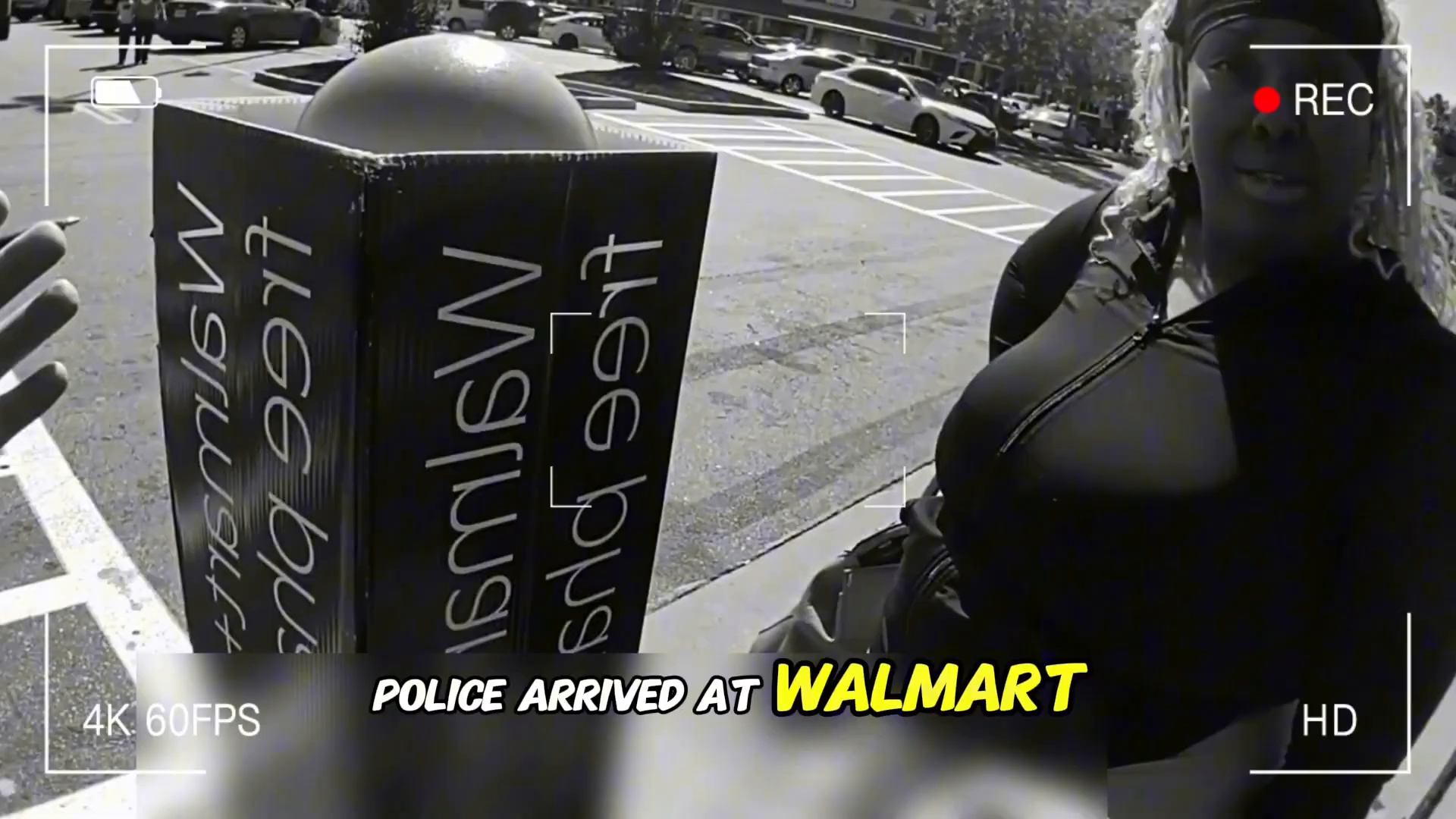
The Missing Bras Become the First Mystery
The initial allegation centers on two bras. Walmart staff reportedly observed Ashley enter a fitting area with the items and later go into a bathroom. When officers question her, she offers an explanation: the bras did not fit and had been returned.
That explanation gives police something specific to verify.
Retail-theft investigations frequently turn on small details like this. Loss-prevention staff may track a shopper from the moment an item is selected until the person leaves a department or approaches an exit. When an item disappears from view, employees try to determine whether it was returned to a rack, left in a fitting room, purchased, concealed or abandoned somewhere else.
Body-camera footage begins after much of that observation has already occurred. The officer therefore has to reconstruct the earlier sequence from employees, the shopper and physical evidence.
Ashley’s frustration is visible, but frustration does not answer the central question: where are the two bras?
The search for those items becomes the thread that pulls the rest of the encounter together.
A Search Starts Filling in the Gaps
The officers do not have to rely only on competing stories. They begin looking for the merchandise.
A matching transcript of the footage says a black sports bra is discovered in Ashley’s purse. The other bra is reportedly found in the bathroom. Police also discuss additional merchandise, including cosmetics and press-on nails, although Ashley disputes that those items were stolen and says some were purchased elsewhere.
The discovery of the bras changes the evidentiary picture. The issue is no longer simply whether an employee misunderstood what happened. At least some of the merchandise officers were trying to locate has now been recovered in places relevant to the store’s allegation.
Still, the officers do not immediately turn the case into the most punitive outcome available. Their conversation remains relatively measured. They even discuss practical help, including transportation and resources.
That restraint becomes important later because it establishes how close Ashley comes to leaving without being arrested.
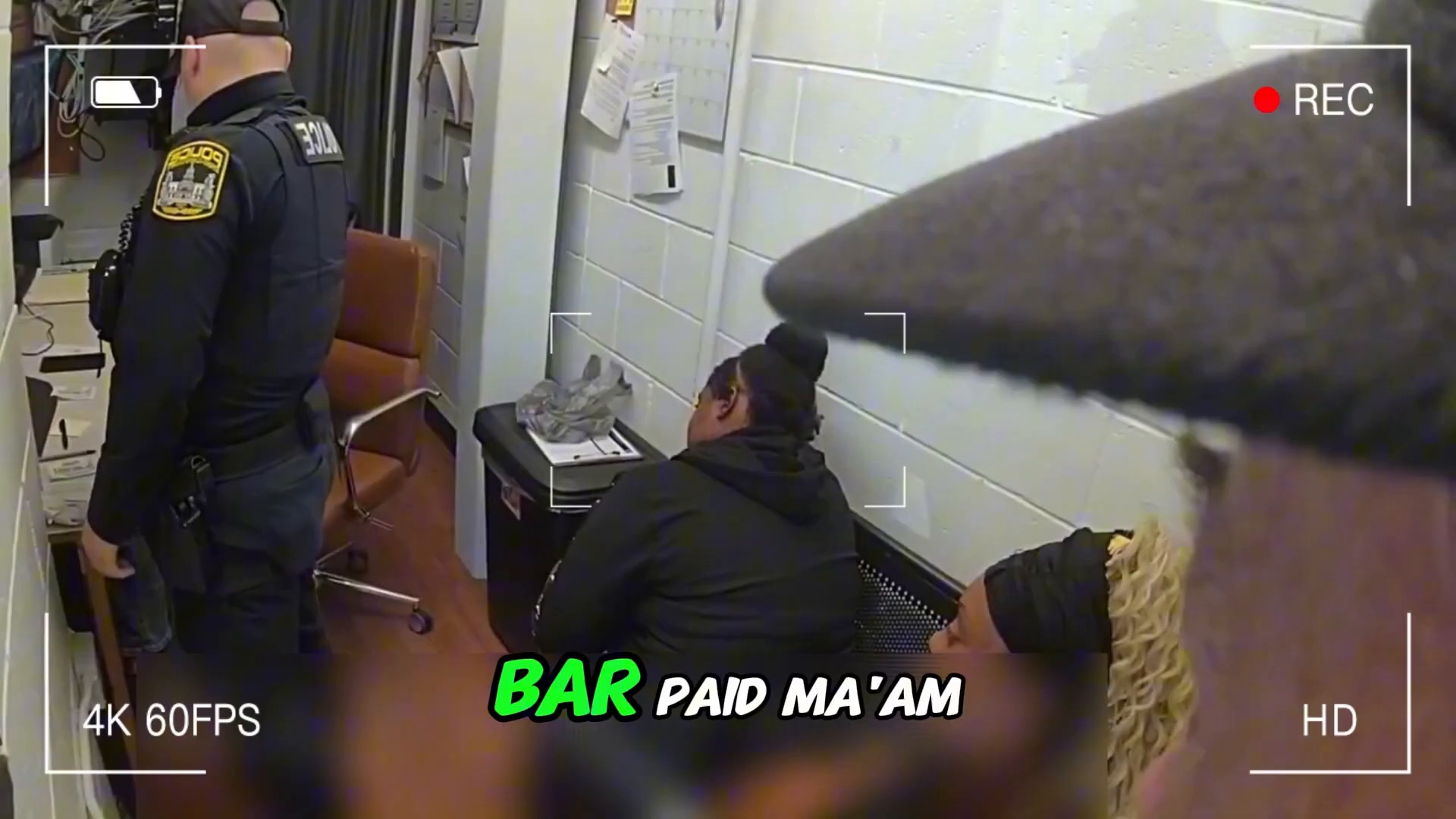
Officers Choose a Trespass Warning Instead of Jail
The most consequential decision in the video initially favors Ashley.
After the merchandise investigation, officers appear willing to let her leave with a trespass warning. In practical terms, that means Walmart can formally tell her not to return to the property. Violating that warning later could create a separate trespass issue, but she would be leaving the current encounter without being taken to jail for the suspected theft.
It is an unusually important moment because it demonstrates officer discretion in real time.
Police encounters are not always mechanical equations in which suspected wrongdoing automatically produces handcuffs. Depending on the jurisdiction, store preference, evidence, value of merchandise and other circumstances, officers may have several options. A warning, citation, trespass notice or arrest can produce very different outcomes.
Here, the footage reaches the point where the least dramatic ending seems likely. Ashley is told to leave. The officers are essentially giving the encounter an exit ramp.
The entire story would probably be forgettable if she simply took it.
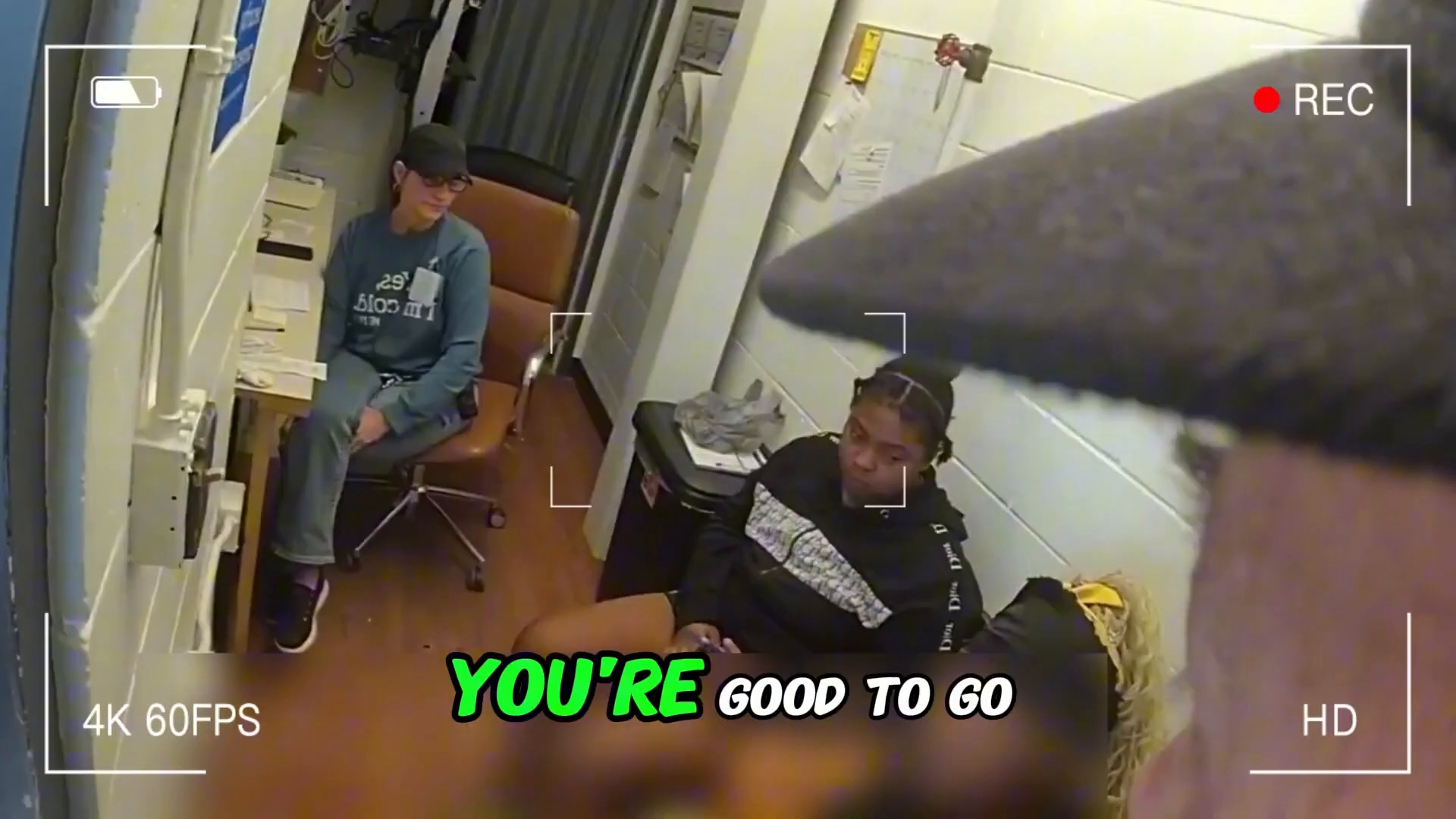
The Shove Changes the Encounter Instantly
Instead, the confrontation suddenly becomes physical.
The footage captures Ashley moving toward an officer during an angry exchange. The officer reacts immediately, repeatedly telling her that she cannot push a cop. Ashley denies having done so, but the officers’ response is immediate and unmistakable: the opportunity to simply walk away is gone.
This is the point at which the original video title—“Cops Found Something Worse Than The Missing Walmart Items”—makes sense. The “something worse” is not another hidden retail item. It is conduct directed at an officer after the shoplifting investigation was effectively winding down.
The difference in stakes is substantial. A suspected low-value retail theft and a physical act against a law-enforcement officer are treated very differently. Exact charging language depends on the jurisdiction and official case records, but the footage itself clearly shows why officers no longer view the encounter as a simple trespass-warning situation.
The scene becomes chaotic. Ashley protests. Officers take physical control. Commands become short and urgent. The calm investigative phase is over.
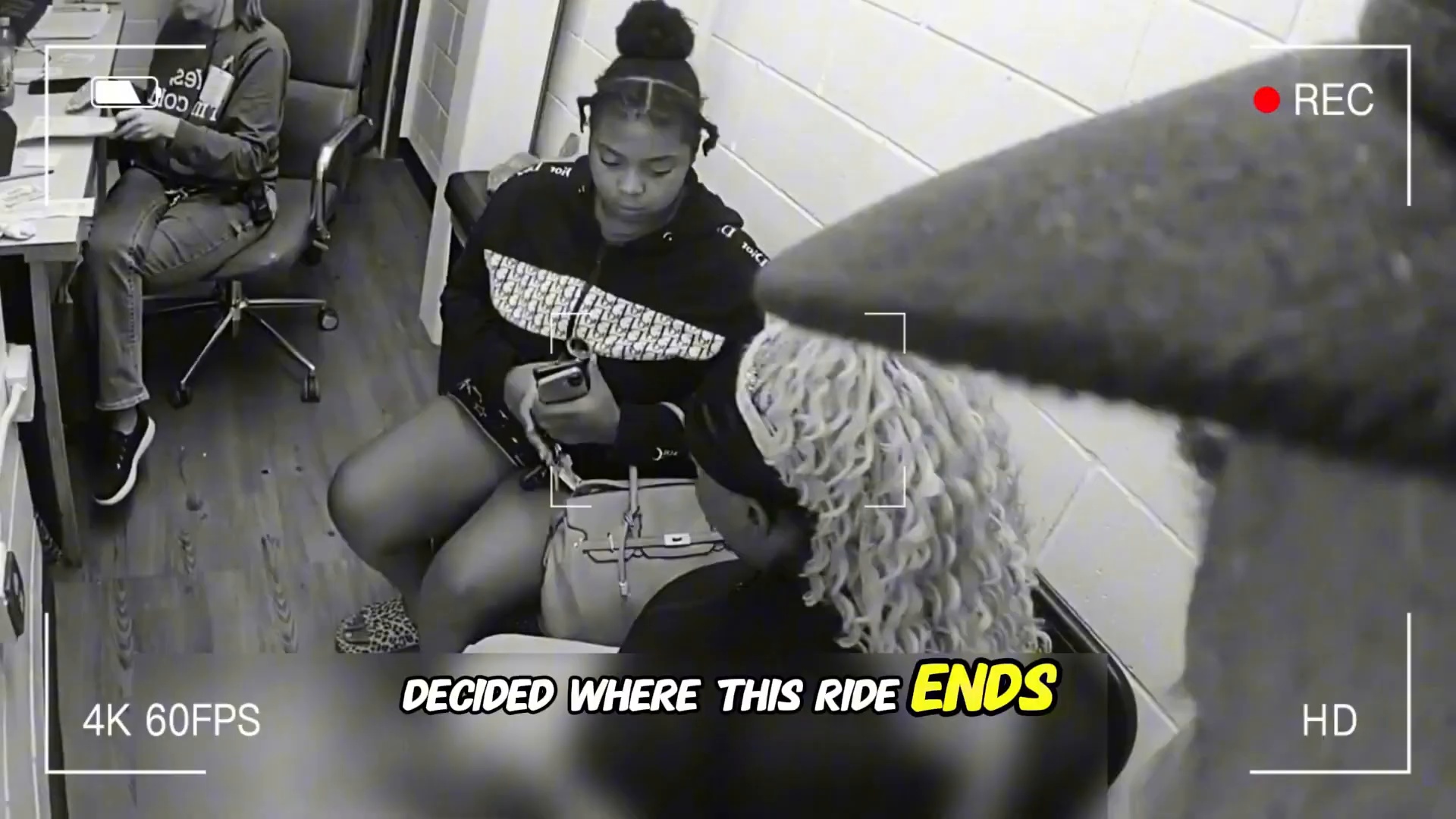
Why the Timing Makes the Moment So Striking
If the physical confrontation had happened at the beginning, the incident would still be notable, but it would not carry the same sense of preventability.
What makes the video so frustrating to watch is timing. Ashley appears to have survived the most dangerous part of the investigation from her perspective: police had found the merchandise they were looking for, heard her explanations and still seemed prepared to let her leave.
She was not fighting to avoid an imminent arrest at the moment the situation escalated. The available footage indicates she was being given a path out.
That makes the shove feel less like the culmination of an unavoidable struggle and more like a decision that creates a new problem just as the old one is about to end.
For viewers, this is also a reminder that the final seconds of an encounter can matter as much as the first. Police discretion can change when new conduct occurs in front of officers. A warning is not a permanent guarantee of release if the situation changes before the person actually leaves.
Bodycam Captures the Difference Between Allegation and Evidence
The video is useful because it separates several stages that a short summary might collapse into one.
First comes the store’s allegation. Then Ashley’s explanation. Then the search. Then the recovery of merchandise. Then the officers’ decision about how to resolve the store complaint. Finally comes the physical confrontation.
Each stage adds information.
That sequence is important for responsible reporting. Saying “she stole from Walmart and attacked police” would be more definitive than the publicly available evidence justifies without a matching primary police report and court record. The footage and matching transcript document what officers and store staff alleged and what happened during the encounter, but a criminal conviction is a separate legal determination.
For that reason, this article avoids inventing Ashley’s surname, the exact Walmart location, a final list of charges or a court disposition. I located a matching public transcript of the footage, but not an authoritative police release or court document that independently supplies those details.
Leaving uncertain information out is better than attaching the wrong identity or criminal history to a person shown in body-camera footage.
The Case Shows Why Retail Theft Investigations Can Be Deceptive
A shoplifting call can sound trivial compared with pursuits, violent crimes or major investigations. Yet retail cases require officers to make quick judgments from imperfect information.
Store employees may have surveillance footage that the officer has not yet reviewed. Merchandise can be hidden in several locations. A shopper may have receipts for some items but not others. Packaging can be discarded. Products can be moved between departments. Self-checkout creates additional disputes about whether an item was intentionally skipped or accidentally missed.
Officers therefore build the case through corroboration. They compare the store’s account with the suspect’s explanation and the physical evidence.
In Ashley’s case, the missing bras provide that structure. One is reportedly found in her purse and another in the bathroom. Those discoveries make the original employee concern more concrete.
But the most serious-looking moment in the bodycam happens after that investigative puzzle has largely been solved.
The lesson is simple: an encounter can begin as one type of case and end as another because police respond not only to the conduct that brought them to the store, but also to what happens in their presence.
A Second Chance Can Disappear in Seconds
The phrase “second chance” is often used loosely, but this footage shows something close to it in practical terms.
The officers could have treated the merchandise evidence as the beginning of an arrest process. Instead, the matching transcript indicates they planned to issue a trespass warning and let Ashley leave.
That is a meaningful exercise of discretion.
Discretion works only while the circumstances supporting it remain intact. If a person who is about to be released becomes physically confrontational, officers have to reassess risk and legal exposure immediately.
The body camera captures that reassessment without needing narration. Before the shove, officers are talking about leaving the store and the trespass process. After it, they are controlling Ashley’s arms and issuing commands.
The transition happens so quickly that the footage almost feels like two separate incidents joined together.
That is why the new title—“Police Were Ready to Let Her Walk—Then One Shove Changed Everything”—better captures the story than a generic shoplifting headline. The missing merchandise explains why police arrived. The last-minute physical act explains why the encounter becomes memorable.
The Full Encounter Makes the Ending Harder to Misunderstand
A short clip beginning with the takedown could make the officers’ reaction appear abrupt. A clip ending before the shove could make the entire encounter look like a routine retail warning.
The full sequence connects those two realities.
Viewers see officers investigate. They see Ashley argue. They see merchandise discussed and recovered. They see the decision to trespass her from the property. Most importantly, they see how close the encounter is to ending before one final escalation changes the outcome.
That chronology is the value of body-camera footage.
It does not make every police decision automatically correct, and it does not substitute for court records. But it allows viewers to judge the progression rather than relying on a dramatic caption.
In this case, the progression is unusually clear. A Walmart call begins over suspected missing merchandise. Officers find evidence they believe supports the store’s concerns. They nevertheless prepare to release the woman with a warning. An angry confrontation follows. Physical contact occurs. The officers’ response changes immediately.
The “worse” thing police find is therefore not hidden on a shelf or inside a bag. It happens directly in front of them.
And that is what gives the footage its strongest lesson: sometimes the decision that creates the biggest consequence happens after a person has already been given the chance to avoid one.
The missing Walmart merchandise starts the story, but it is the decision made when Ashley is almost free to leave that completely changes how the encounter ends.
See how a shoplifting call that was seconds from being over suddenly became an arrest—follow the link to watch every turning point for yourself : https://www.youtube.com/watch?v=L62M6yMQHKw
Comments (0)
Loading comments...
May You Like

Neighborhood Grocery Store Suddenly Erupts Into Chaos

Everything Changed When Cops Asked About Weapons

911 Call Leads Police to a Disturbing Family Situation













