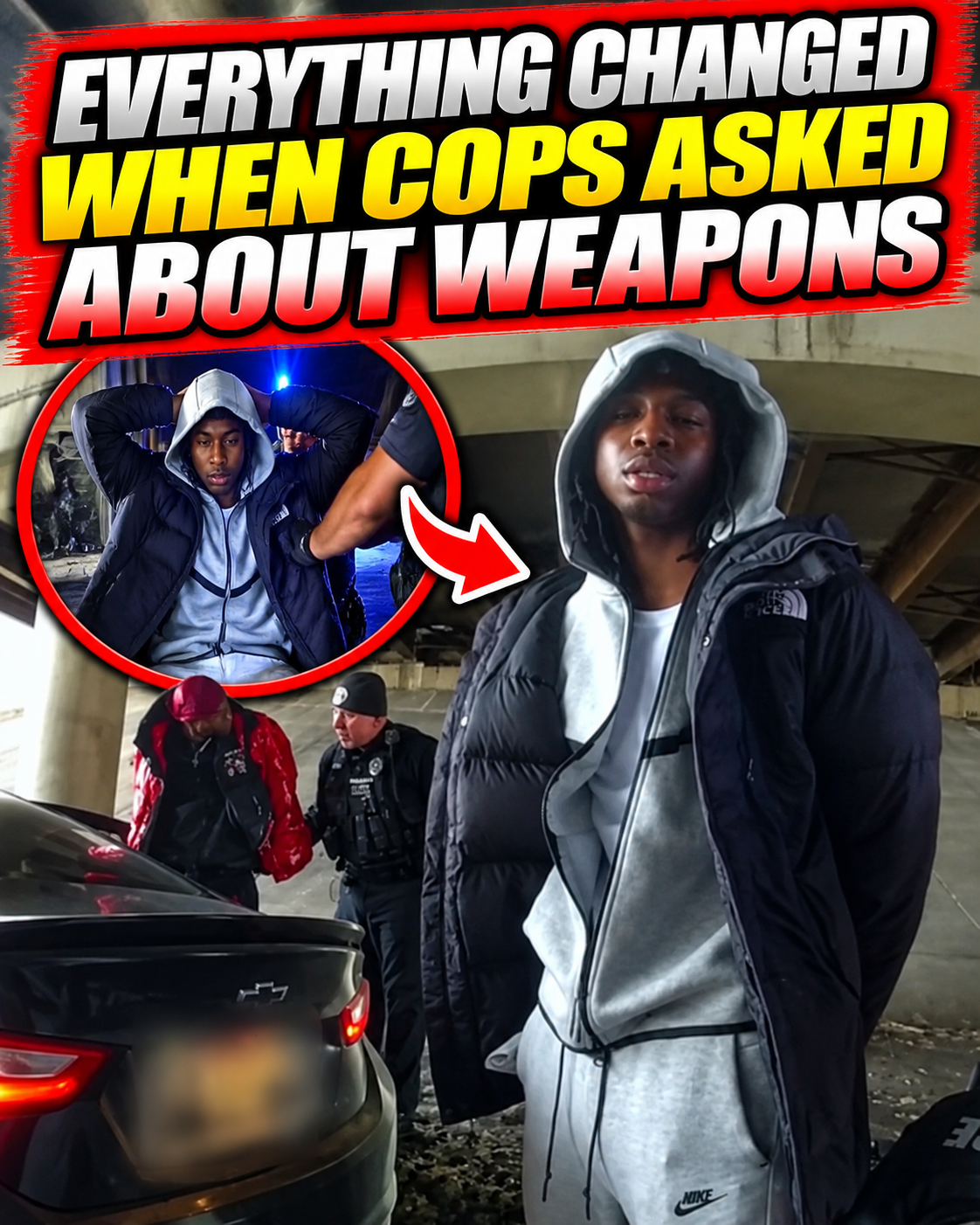
Police Cancel the Standoff Then Come Back and Shoot Him
Mental Health Crisis Ends in a Fatal Police Encounter After Hours of Negotiation
A February 2022 call for help in Monroe, Ohio developed into hours of negotiation, a tactical withdrawal and a second police encounter that ended when Dustin Booth produced a revolver during an attempted detention.
A Call for Help Begins an Eight-Hour Police Response
On February 11, 2022, a family request for help in Monroe, Ohio developed into an incident that would last more than eight hours and end with the death of 35-year-old Dustin Booth. The confrontation is often summarized online as a standoff that police abandoned before returning and shooting Booth later that night. The verified record is more complicated.
According to the Ohio Bureau of Criminal Investigation and later court records, Booth's wife, Brandi Booth, contacted Monroe Police at approximately 2:13 p.m. She reported that her husband was acting erratically and was a danger to himself and others. Investigative records say Booth had recently undergone a psychological evaluation and had been placed on a medical hold.
The supplied video reconstructs the case through police body-worn cameras and related records. It begins with the initial effort to contact Booth and later jumps forward to the nighttime traffic stop where the fatal shooting occurred. The video therefore compresses many hours into a short documentary sequence, making the official investigative timeline essential for understanding what happened between those scenes.
Police were not initially responding to a conventional criminal complaint. Their stated objective was to get Booth to a hospital for evaluation. That distinction became central to later litigation brought by Booth's widow, who argued that police decision-making during a mental-health crisis contributed to the fatal outcome.
The incident would eventually be examined by the Ohio Bureau of Criminal Investigation, a Butler County grand jury, a federal court, the Sixth Circuit Court of Appeals and Ohio's Twelfth District Court of Appeals. Those later proceedings provide a much fuller record than the information available in the immediate aftermath.
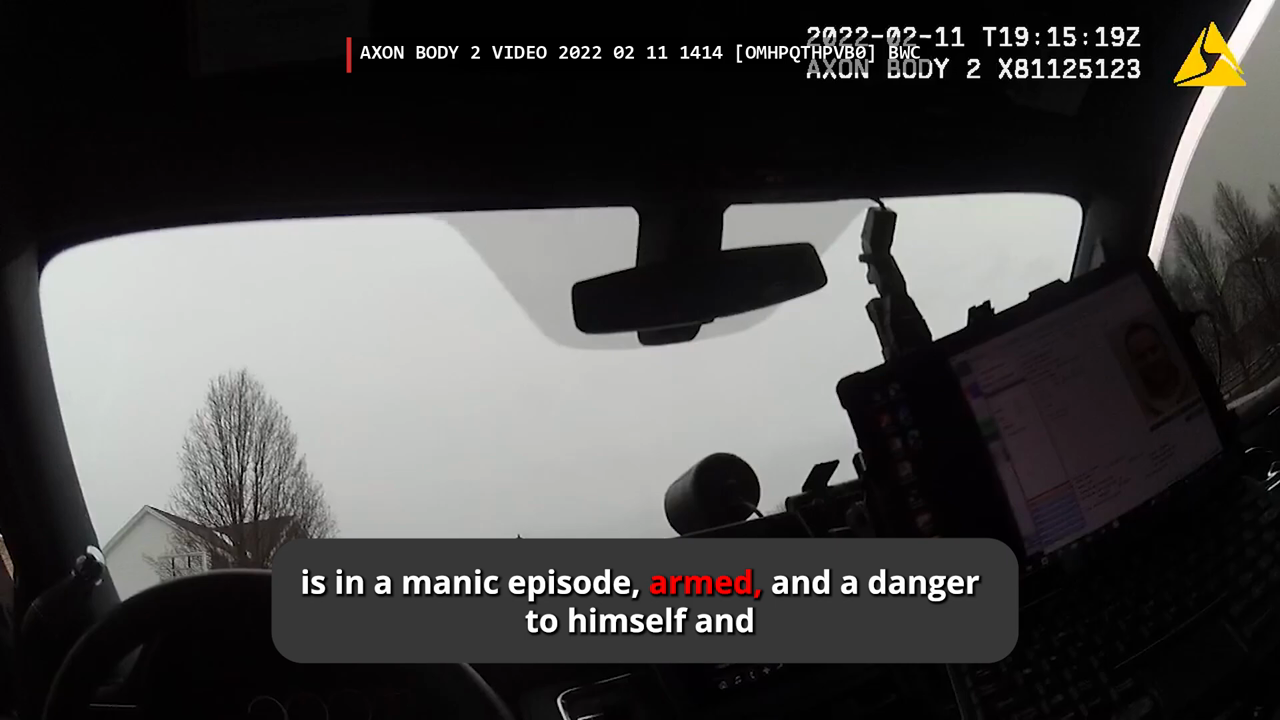
The First Attempt to Stop Booth Ends at His House
Police located Booth driving toward his neighborhood and attempted to stop him. According to the BCI prosecutor summary, Booth did not stop where the officer requested. Instead, he continued to his home at 120 Bluegrass Lane.
Once there, Booth got out of his vehicle and went inside despite officers' commands to remain outside. Additional Monroe officers arrived and began trying to communicate with him.
The situation had now become a barricade-style response. Police believed Booth had access to firearms, and officers reported seeing him armed during portions of the incident. The supplied footage shows officers establishing positions outside the residence, using patrol vehicles as cover and communicating about how to handle the scene.
For several hours, police attempted to speak with Booth using a cruiser public-address system and other methods. The goal, according to official records, remained taking him into custody so that he could receive a mental-health evaluation.
This phase is important because the phrase “police cancel the standoff” can create the impression that officers simply gave up and left. Monroe Police later said they deliberately pulled back from the residence as a de-escalation strategy while continuing to monitor the property because they remained concerned about Booth and the surrounding community.
Tactical withdrawal can be used when a barricaded person is contained and immediate intervention may increase risk. Distance and time can sometimes allow emotions to settle. In this case, however, the underlying concern did not disappear when officers reduced their visible presence.
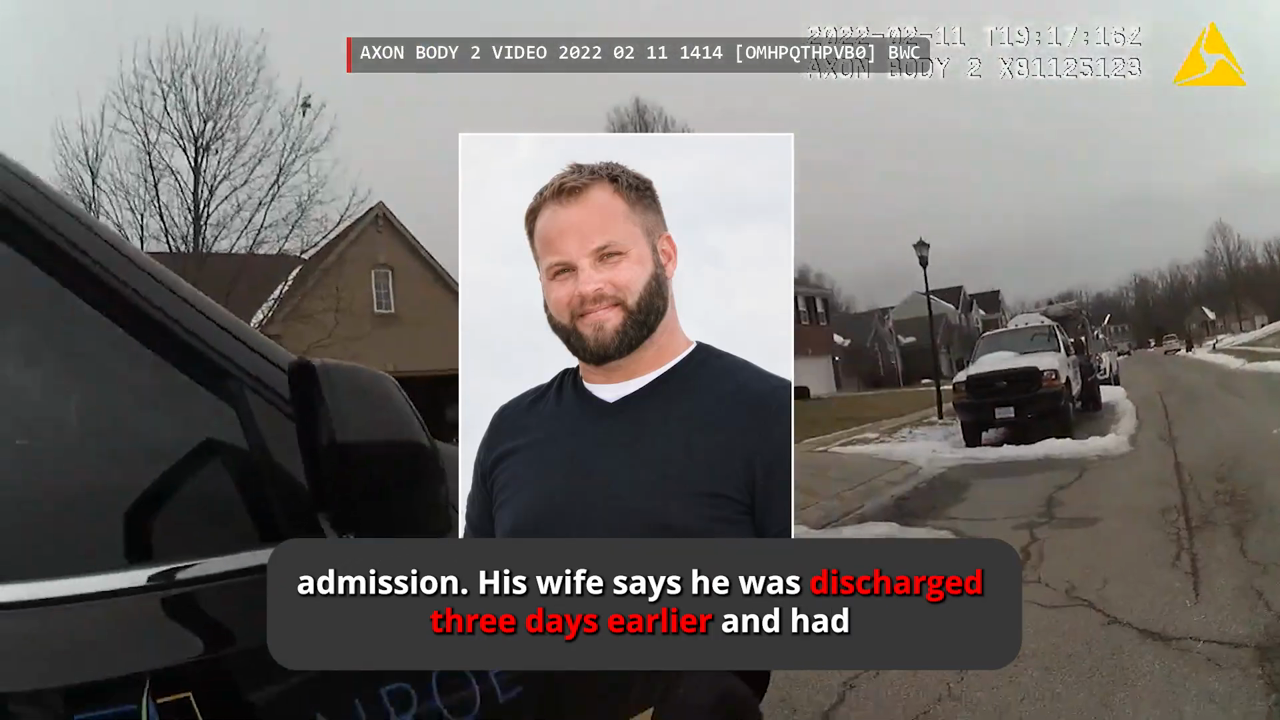
Police Pull Back but Continue Watching the Residence
The decision to reduce the police presence became one of the most debated aspects of the case. Officers had spent hours trying to persuade Booth to come outside. He did not surrender.
Official accounts say police believed he remained armed and agitated. Rather than force entry into the house, they withdrew from the immediate confrontation. The neighborhood was still monitored.
This is why describing the standoff as simply “canceled” is incomplete. The active perimeter and visible confrontation were reduced, but police did not conclude that Booth no longer presented a concern. Their later actions show that they continued tracking developments at the residence.
During this period, police were communicating with people who knew Booth. One of those people was Justin Duh, who later drove the pickup truck in which Booth left the residence. The BCI summary says Duh provided Detective Ledford with updates about what was happening.
Eventually Booth prepared to leave. According to the investigation, he initially got into Duh's pickup, then went back inside the house to retrieve a firearm. Duh reported that development to police. Booth returned to the truck with a tote-style bag containing the handgun.
That information changed the tactical problem again. Officers were no longer dealing with an armed person contained inside his own residence. They now believed an armed person who had been reported as a danger to himself and others was leaving the neighborhood in a vehicle.
Police followed the truck and coordinated another stop. Their stated objective was to take Booth into custody and transport him for evaluation.
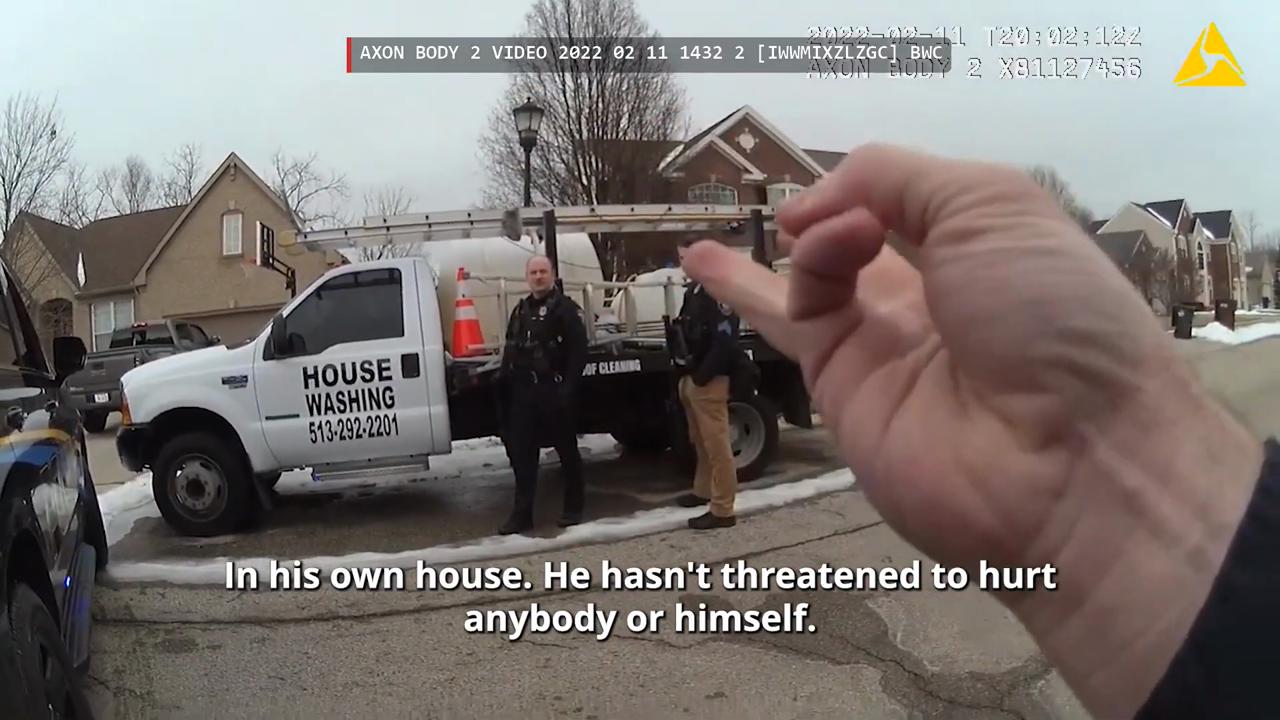
The Second Encounter Moves to an Intersection
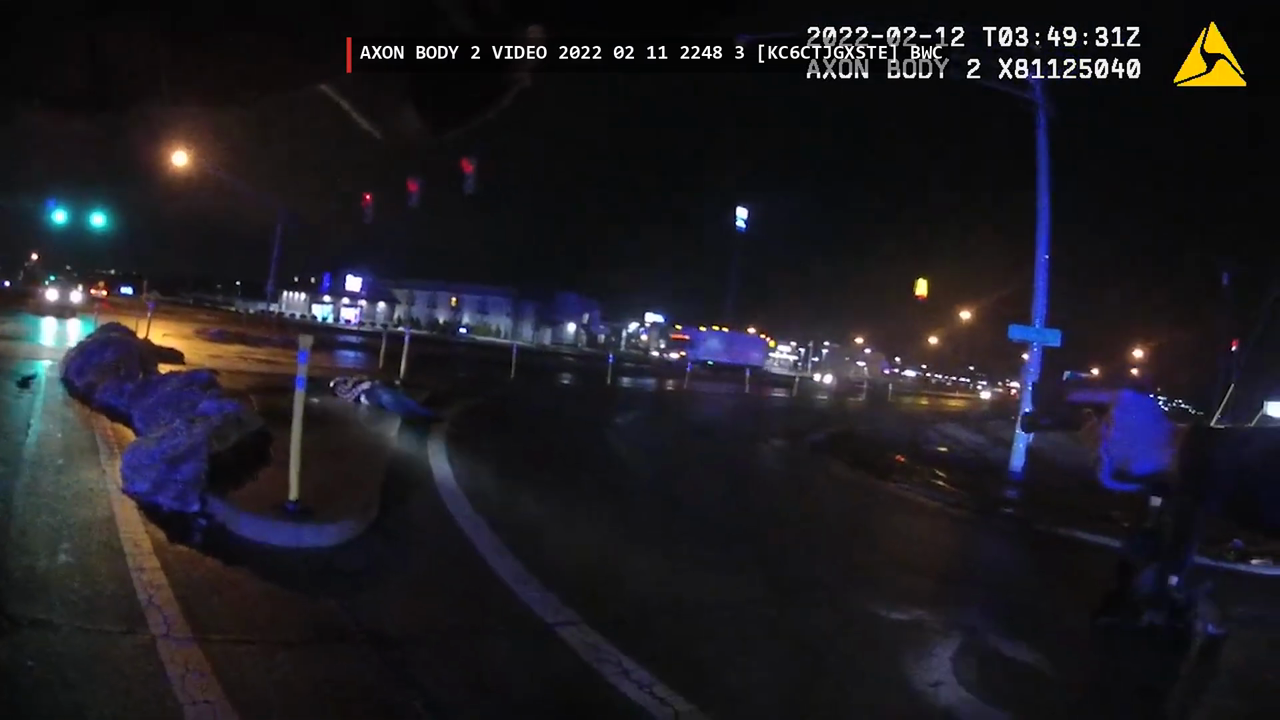
At approximately 10:48 p.m., the pickup carrying Booth was stopped near Lebanon Street, State Route 63 and New Garver Road. The supplied footage shifts to nighttime body-camera views as several Monroe officers converge.
Booth exited the passenger side of the truck. Police ordered him to stop and get on the ground. Instead, he continued walking away with his hands raised.
The driver repeatedly warned officers that Booth had a gun. Those warnings are significant because officers had already received information that Booth had gone back into the residence to retrieve a firearm before leaving.
Police deployed a K9 as a less-lethal attempt to stop him. According to official records and the body-camera sequence, the dog did not successfully bring Booth under control. An officer then moved closer in an attempt to physically apprehend him.
The scene was very different from the earlier standoff at the house. Officers no longer had a building containing Booth. They were now at a public intersection with a moving subject, a firearm warning and multiple officers approaching from different positions.
That transition helps explain why the final confrontation unfolded so quickly after hours of relative patience. Time had been available while Booth remained inside the residence. Once he left the truck and continued moving despite commands, officers had only seconds to react to each new action.
A Revolver Appears and Officers Open Fire
The decisive moment is captured on body-worn cameras. As officers close the distance, Booth lowers his hands and produces a silver revolver.
The Ohio BCI prosecutor summary states that Booth pointed the firearm in the direction of Monroe officers. Multiple officers then fired.
The shooting itself lasts only seconds. This contrast is striking: the police response had stretched across much of the day, yet the final use of deadly force developed almost instantly once the gun appeared.
Booth was struck multiple times. Early reporting varied on the precise number of wounds as medical and investigative information developed. The Warren County coroner later reported multiple gunshot wounds, while the broader investigative record documented extensive ballistic and medical evidence.
Officers immediately transitioned from force to emergency response. Booth was transported to Atrium Medical Center, where he died.
Five Monroe officers were placed on administrative leave following the shooting: Sergeant Caleb Payne and Officers Michael Doughman, Skylar Halsey, Micah Day and Austin Whitt. Administrative leave following an officer-involved shooting is a procedural step and does not by itself determine whether an officer acted lawfully or violated policy.
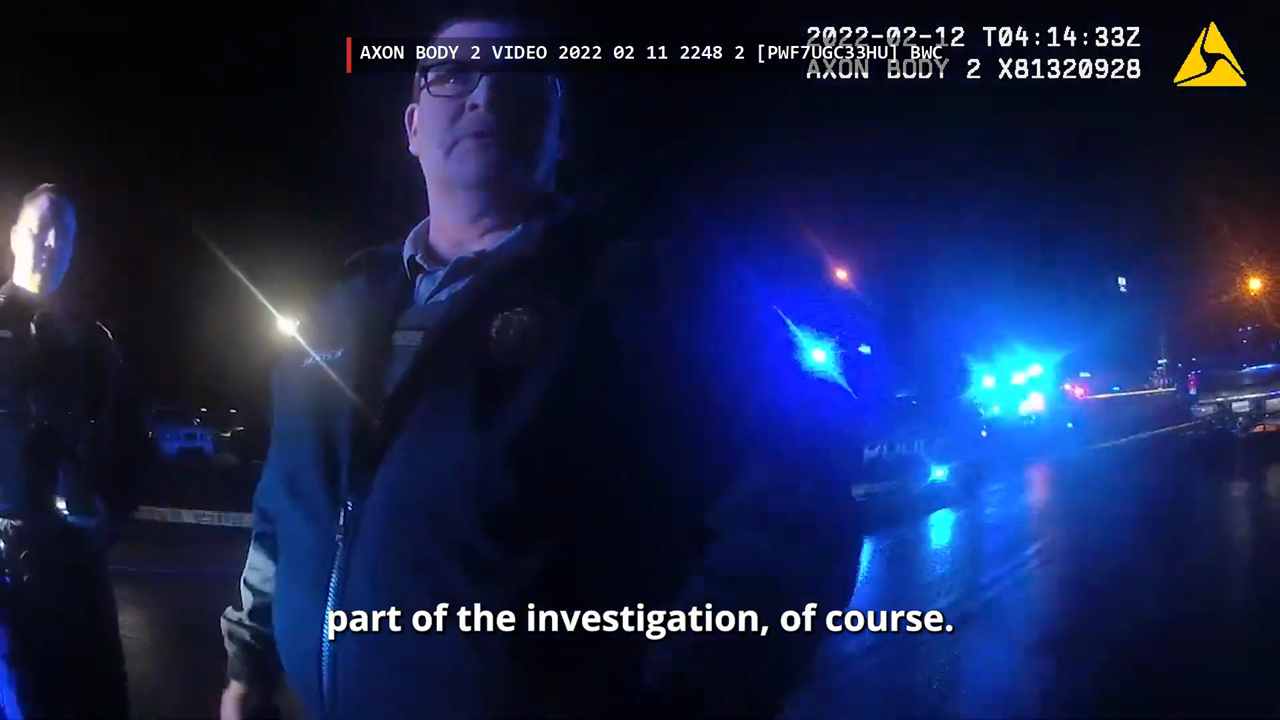
Monroe Police asked the Ohio Bureau of Criminal Investigation to conduct an independent investigation. BCI crime-scene and special-investigations personnel processed the intersection, reviewed recordings, collected firearms evidence and examined the events leading to the shooting.
The Grand Jury Reviews the Fatal Shooting
The BCI investigation was presented to a Butler County grand jury in March 2022.
On March 30, the grand jury declined to indict the five Monroe officers involved in the shooting. Butler County Prosecutor Michael Gmoser publicly stated that the use of lethal force to stop what he described as a lethal threat was justified and appropriate.
That decision addressed possible criminal charges against the officers for the shooting itself. It did not end every legal dispute surrounding the case.
Booth's family emphasized that he had been experiencing a severe mental-health crisis and had no criminal record. His widow later pursued civil litigation concerning the decisions made by police and medical professionals before the fatal encounter.
Those lawsuits focused on questions broader than the final seconds captured by body camera. They challenged, among other things, how officials responded to Booth's crisis and how police planned the eventual traffic stop.
This distinction matters when discussing the case. A grand jury's decision not to criminally indict officers does not mean that every earlier tactical or policy decision becomes immune from public debate. Conversely, the existence of later civil litigation does not mean the officers who fired were criminally charged or found guilty of misconduct.
The legal system considered those questions through different processes with different standards.
The Case Continues Through Federal and State Courts
The Booth case remained active in the courts years after the shooting.
In January 2026, the United States Court of Appeals for the Sixth Circuit issued a published opinion in Booth v. Lazzara. The court described Booth as suffering from a severe mental-health crisis and summarized the police response, including the barricade and the later traffic stop.
The federal litigation raised claims under the Americans with Disabilities Act and the Fourth Amendment. The appellate court's discussion illustrates how a fatal police encounter can generate legal questions that extend beyond whether officers were justified at the exact instant they fired.
Later, on August 17, 2026, Ohio's Twelfth District Court of Appeals decided Booth v. Buchanan. The state appellate court addressed whether wrongful-death and survivorship claims could proceed after rulings in the federal litigation.
The Ohio court held that the state-law claims at issue were precluded as a result of the federal litigation. Its opinion again described the central tragedy: Booth's family, friends, medical professionals and police were trying to get him help, but the effort ended when he produced a firearm during the traffic stop and officers shot him.
These later court decisions are important because they provide a more mature factual record than early news coverage. They also show why the case should not be reduced to a provocative title suggesting that police ended a standoff and casually returned later to shoot the same person.
There was a withdrawal. There was also continuing surveillance, new information that Booth had retrieved a gun, his departure from the residence, a coordinated stop, failed commands, a K9 deployment and the production of a revolver.
What the Video Shows and What the Title Leaves Out
The supplied video is effective because it places the two very different phases of the incident next to each other.
The first phase is slow. Officers stand outside a house, communicate, reposition and wait. Their options include time and distance. The second phase is fast. Booth exits a vehicle, walks away, a K9 is deployed, officers close in, a revolver appears and gunfire follows.
A short title can make those phases sound contradictory: police withdrew, then returned and used deadly force. The verified chronology explains why the circumstances were no longer the same.
Police did not force entry into Booth's house after hours of attempted communication. When he later left the residence, officers had information that he had gone back inside specifically to retrieve a gun. They attempted to stop the vehicle because they still considered him a danger and wanted to transport him for evaluation.
At the intersection, Booth did not immediately produce the revolver. The footage shows officers first issuing commands and attempting a K9 apprehension. The fatal gunfire occurred after the weapon was drawn.
None of this removes the human questions raised by the case. Booth's wife called police because she wanted help during a crisis. The intervention ended with her husband dead. That outcome naturally invites scrutiny of whether another approach earlier in the day could have produced a different result.
But that broader debate should be separated from claims about what the footage literally shows. The final shooting was not triggered merely because police returned. It followed a new sequence of events culminating in Booth producing a firearm during the attempted detention.
Eight Hours of Crisis End in Seconds
Dustin Booth's death illustrates one of the hardest realities of police responses to behavioral crises: a call that begins as a request for medical help can eventually place officers in a conventional deadly-force confrontation.
At 2:13 p.m., the problem was how to help a man whose wife believed he was in crisis and potentially dangerous. At the house, the problem became how to communicate with an armed man who would not come outside. Police chose not to force entry and eventually reduced the visible standoff.
Hours later, the problem changed again when Booth left the house after retrieving a firearm. At the intersection, officers tried commands and a K9. When Booth produced the revolver, the situation changed for the final time.
The Butler County grand jury declined to indict the officers. Subsequent federal and state litigation continued examining the decisions surrounding the response, with significant rulings still being issued in 2026.
That long legal history makes the case more complex than a simple argument over a few seconds of body-camera footage. It involves crisis intervention, tactical withdrawal, surveillance, a second police contact, less-lethal force, deadly force and years of litigation.
The footage remains valuable because it allows viewers to see how dramatically the tempo changes. The hours outside the house are defined by waiting. The final encounter offers almost no time at all.
For anyone trying to understand why police first backed away and later initiated another stop, the complete chronology matters. The circumstances did not simply reset when the standoff ended. Officers continued to believe Booth was at risk, learned he had retrieved a firearm, and responded when he left the residence.
The tragedy is that a call intended to get someone to a hospital ended there anyway, only after a fatal confrontation.
Comments (0)
Loading comments...
May You Like

Her Dad Is a Lawyer — Then He Shows Up After Her Arrest | Bodycam US
After Dad’s Arrest, One Emotional Moment With an Officer Stands Out