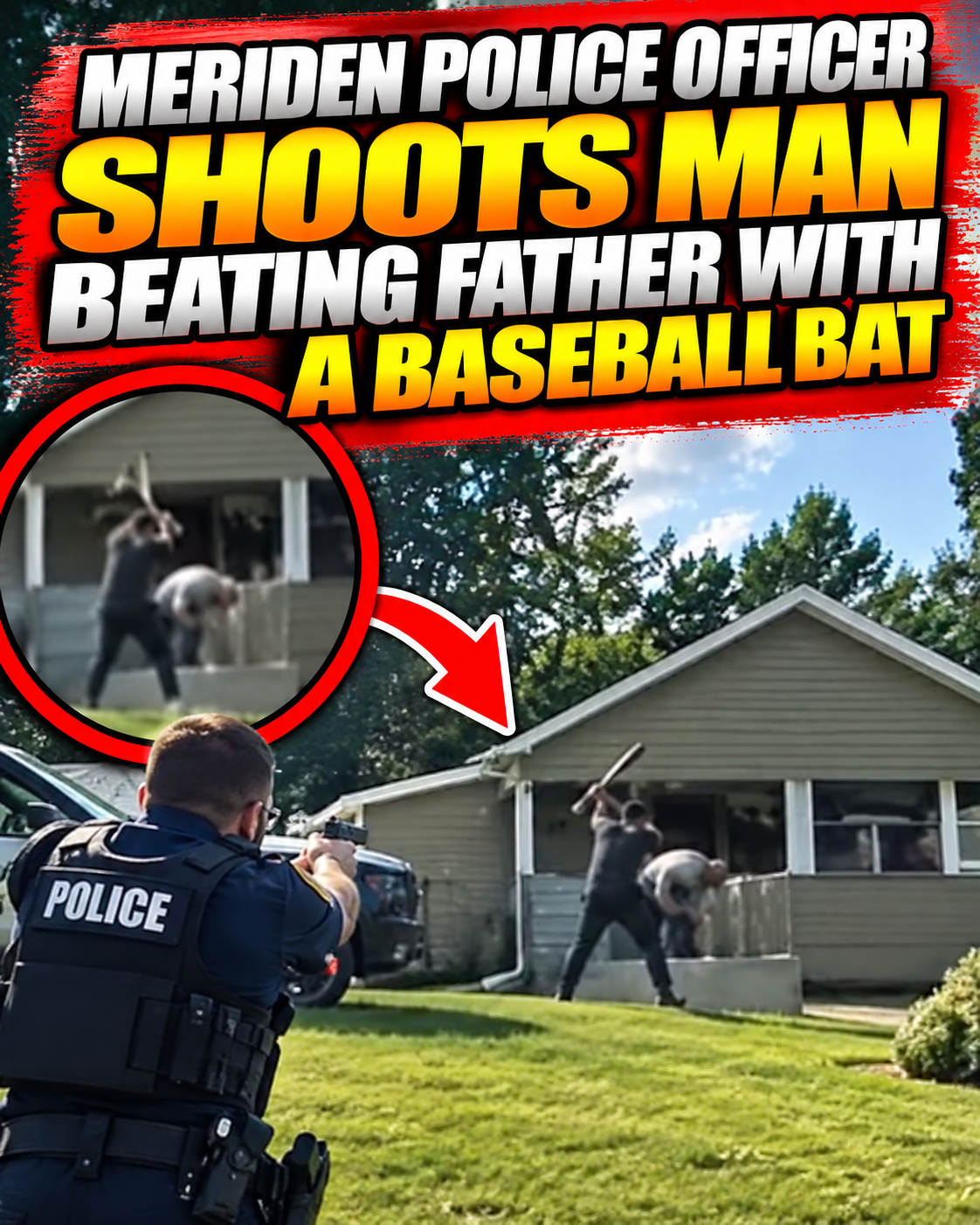
Police Bring the Situation to a Halt in the Middle of the Street
INSIDE REAL POLICE ENCOUNTERS: BODYCAM, TRAFFIC STOPS, PURSUITS & ARRESTS
Every police encounter begins differently. Sometimes it starts with an officer noticing a vehicle traveling too fast on a quiet road. Sometimes it begins with an emergency call from someone asking for help. In other cases, officers arrive after receiving reports of suspicious activity, a disturbance, reckless driving, or a person who may be wanted by authorities.
What happens next is not always predictable.
A routine traffic stop can be completed in a matter of minutes with nothing more than a warning. But another stop can suddenly turn into a vehicle pursuit when the driver refuses to pull over. A conversation on a sidewalk can remain peaceful from beginning to end, while another encounter can lead to an arrest after officers discover new information.
This uncertainty is one of the reasons POLICE BODYCAM AND DASHCAM FOOTAGE attracts so much attention. These recordings allow viewers to see portions of an incident as they unfolded rather than relying entirely on descriptions written afterward.
The footage can capture the first words exchanged between an officer and a driver, the moment a suspect decides to run, the radio communication during a pursuit, or the instructions officers give while taking someone into custody.
Together, POLICE BODYCAM, TRAFFIC STOPS, POLICE PURSUITS, ARRESTS, AND POLICE ENCOUNTERS provide a fascinating look at the situations law enforcement officers face every day.
POLICE BODYCAM – EXPERIENCING THE ENCOUNTER FROM THE OFFICER'S PERSPECTIVE
Body-worn cameras have become one of the most recognizable tools used by modern law enforcement agencies. Small cameras attached to an officer's uniform can record significant portions of an interaction, including conversations, commands, observations, searches, confrontations, and arrests.
What makes bodycam footage particularly interesting is its perspective.
Traditional news footage usually records an incident from a distance. A bodycam, however, travels with the officer.
When an officer approaches a vehicle during a traffic stop, viewers may see the same vehicle directly ahead. When an officer enters a building while responding to a call, the camera follows. When someone suddenly runs from an officer, the footage may immediately transform into a first-person view of the chase.
This creates a sense of immediacy that other forms of video rarely provide.
But bodycam footage is more than dramatic video.
It can also document communication.
Viewers may hear an officer explain why someone was stopped, ask questions about an incident, request identification, issue instructions, or attempt to calm a tense situation.
The person involved may explain their side of the story, disagree with the officer, cooperate with instructions, or refuse to comply.
These conversations can become extremely important when trying to understand how an incident developed.
THE MOMENTS BEFORE THE DRAMA MATTER
When police footage becomes popular online, the most dramatic 10 or 20 seconds are often shared repeatedly.
That short section might show someone running, an officer making an arrest, a vehicle crashing, or a confrontation reaching its most intense point.
But those few seconds rarely tell the complete story.
What happened two minutes earlier?
What information did officers have before approaching?
Were instructions given?
Did someone initially cooperate?
What caused the encounter to change?
Longer bodycam footage may answer some of these questions.
For example, an encounter might begin with a completely ordinary conversation. The officer asks several questions, and the individual responds calmly.
Then something changes.
Perhaps dispatch provides additional information over the radio. Maybe an officer discovers that the person has an outstanding warrant. Perhaps an object becomes visible inside a vehicle. Or the individual suddenly decides to leave despite being instructed to remain.
Within seconds, the entire atmosphere can change.
That transition is often one of the most important parts of the footage.
BODYCAM FOOTAGE CAN PROVIDE CONTEXT — BUT NOT ALWAYS THE ENTIRE PICTURE
Although bodycam footage can be valuable, viewers should remember that a camera does not automatically capture everything an officer sees or experiences.
The camera may point in a slightly different direction from the officer's eyes. Objects can be blocked. Audio may be difficult to hear. An incident may begin before recording starts, or important events may occur outside the camera's field of view.
For that reason, bodycam footage is often most useful when considered alongside other available evidence.
That can include dashcam footage, surveillance video, witness accounts, emergency calls, dispatch recordings, police reports, court records, and statements from the people involved.
Together, these sources may provide a clearer understanding of what occurred.
Still, bodycam recordings remain one of the most direct ways for the public to observe portions of real police encounters.
TRAFFIC STOPS – THE MOST ROUTINE ENCOUNTER CAN CHANGE IN SECONDS
A driver sees flashing lights in the rearview mirror.
The vehicle slows down and pulls toward the side of the road.
An officer parks behind it, exits the patrol vehicle, and begins walking toward the driver's window.
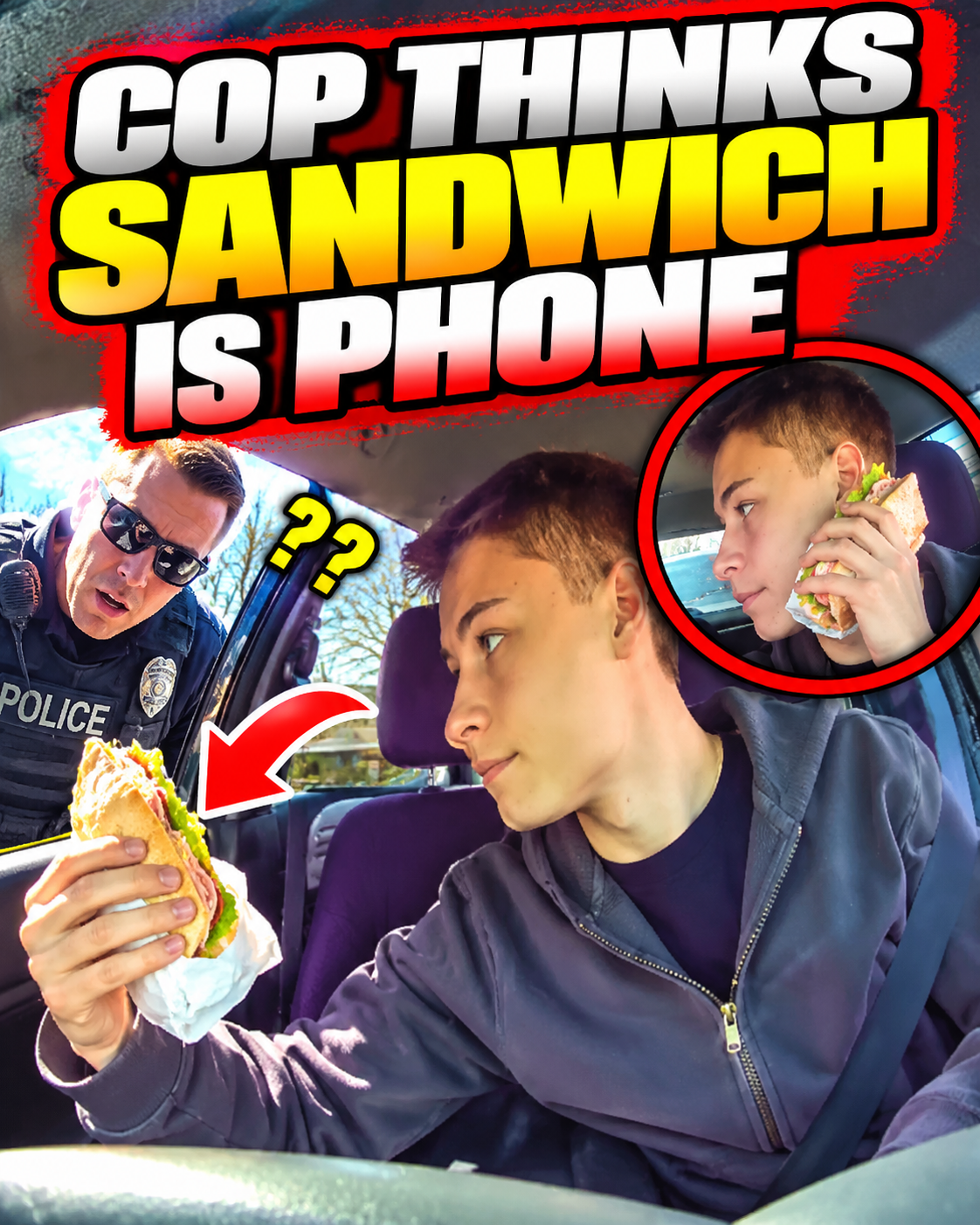
This is one of the most familiar scenes in policing.
Traffic stops happen for countless reasons.
A driver may be speeding, traveling through a red light, failing to maintain a lane, driving with an equipment problem, using an expired registration, or operating a vehicle in a manner that attracts an officer's attention.
In many cases, the encounter remains straightforward.
The officer introduces themselves, explains the reason for the stop, asks for a driver's license and other required documents, returns to the patrol vehicle, and eventually comes back with a warning or citation.
The entire interaction may last only a few minutes.
But officers often begin these encounters with limited information.
They may know the vehicle's registration information, but they do not necessarily know who is driving or who else is inside.
This uncertainty is part of what makes traffic stops so unpredictable.
WHEN A SIMPLE STOP BECOMES AN INVESTIGATION
Sometimes information discovered during a stop changes its direction.
An officer might learn that the driver's license is suspended. Dispatch could report an outstanding warrant. The vehicle could match the description of one connected to another incident.
An officer may also observe something that leads to additional questions.
At this point, what began as a traffic violation may develop into a longer investigation.
Bodycam footage allows viewers to watch this process unfold.
The difference between the first minute and the tenth minute of a traffic stop can be dramatic.
A driver who initially believes they will receive a speeding ticket may suddenly learn that officers are investigating something more serious.
That change can affect everyone's behavior.
Some people remain cooperative.
Others become argumentative or nervous.
And occasionally, someone makes a decision that completely changes the situation.
They drive away.
WHEN THE DRIVER REFUSES TO STOP
One of the fastest ways a traffic encounter can escalate is when a driver refuses to pull over or suddenly accelerates away after initially stopping.
At that moment, the officer has to respond to an entirely new situation.
The patrol vehicle returns to the roadway.
Emergency lights and sirens activate.
Dispatch is notified.
Other officers may begin moving toward the area.
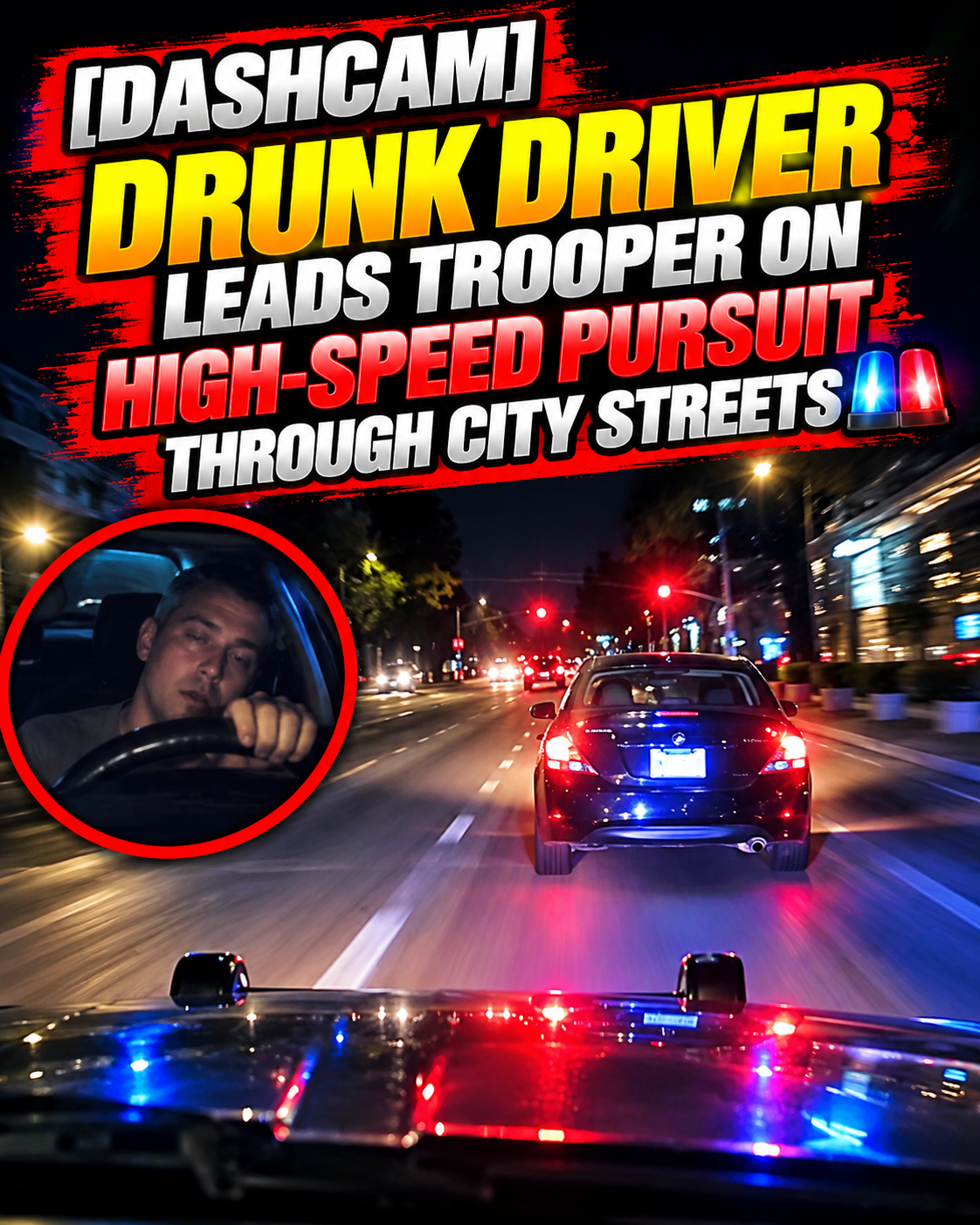
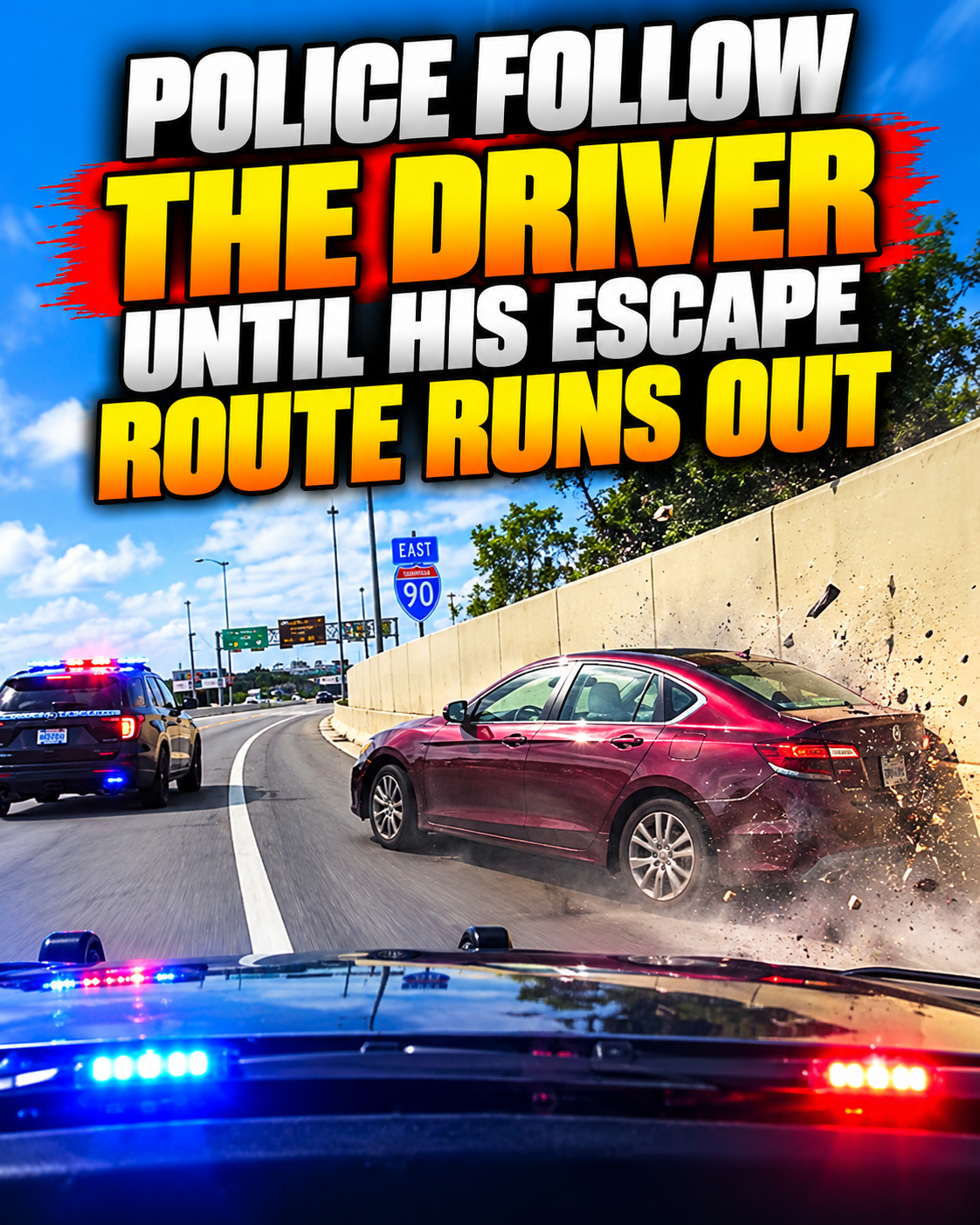
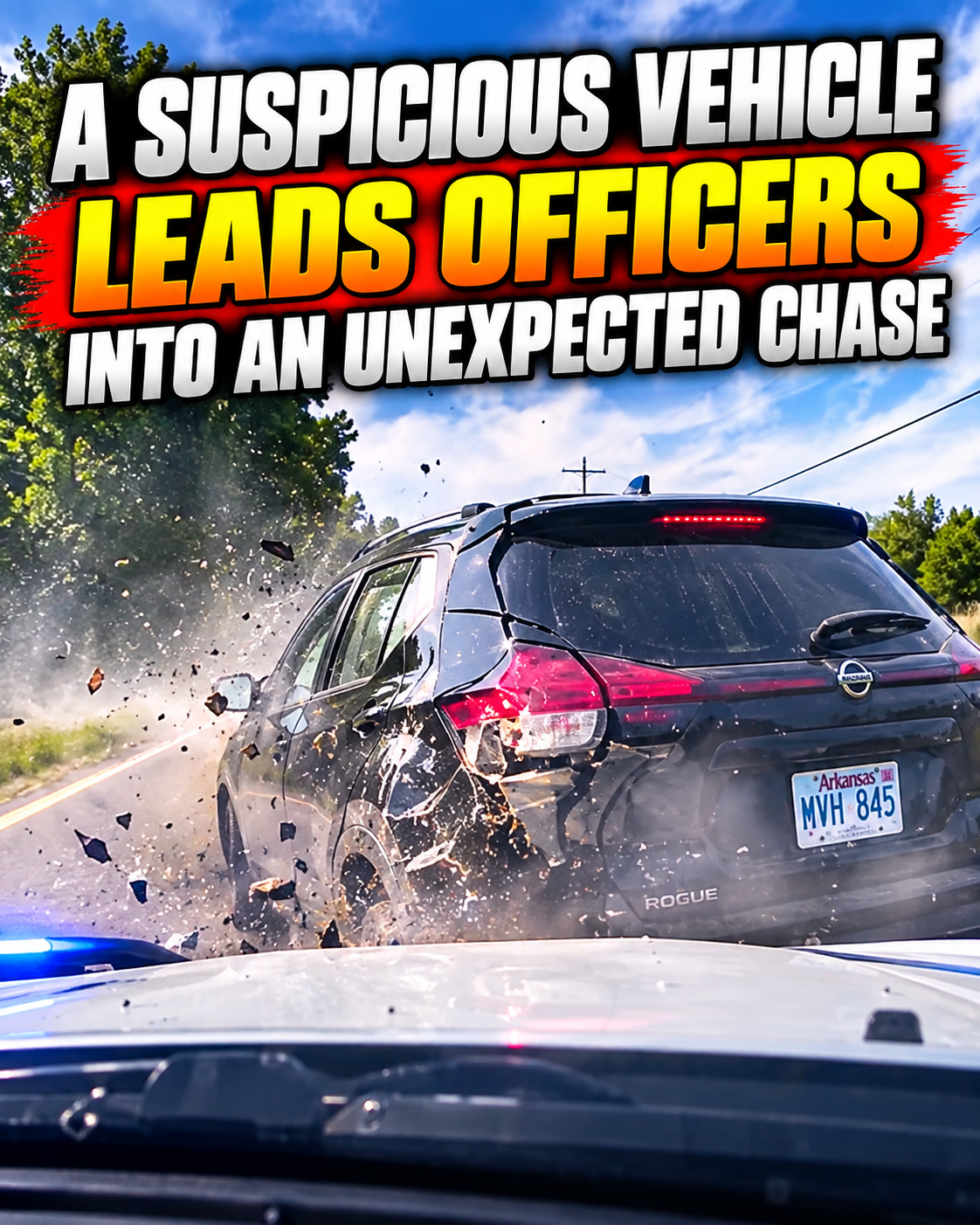
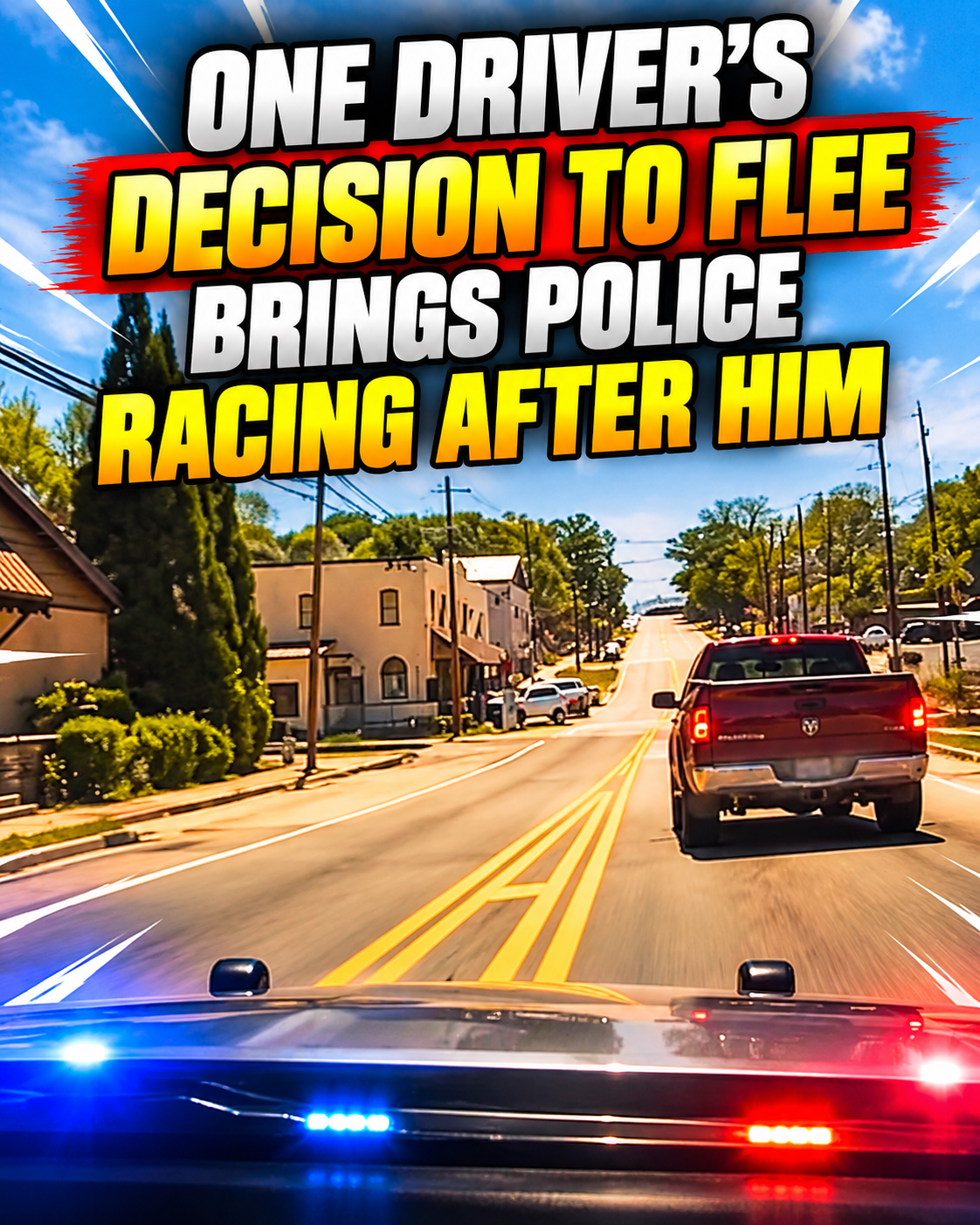
A routine traffic stop has now become a POLICE PURSUIT.
POLICE PURSUITS – HIGH SPEED, HIGH PRESSURE AND CONSTANTLY CHANGING CONDITIONS
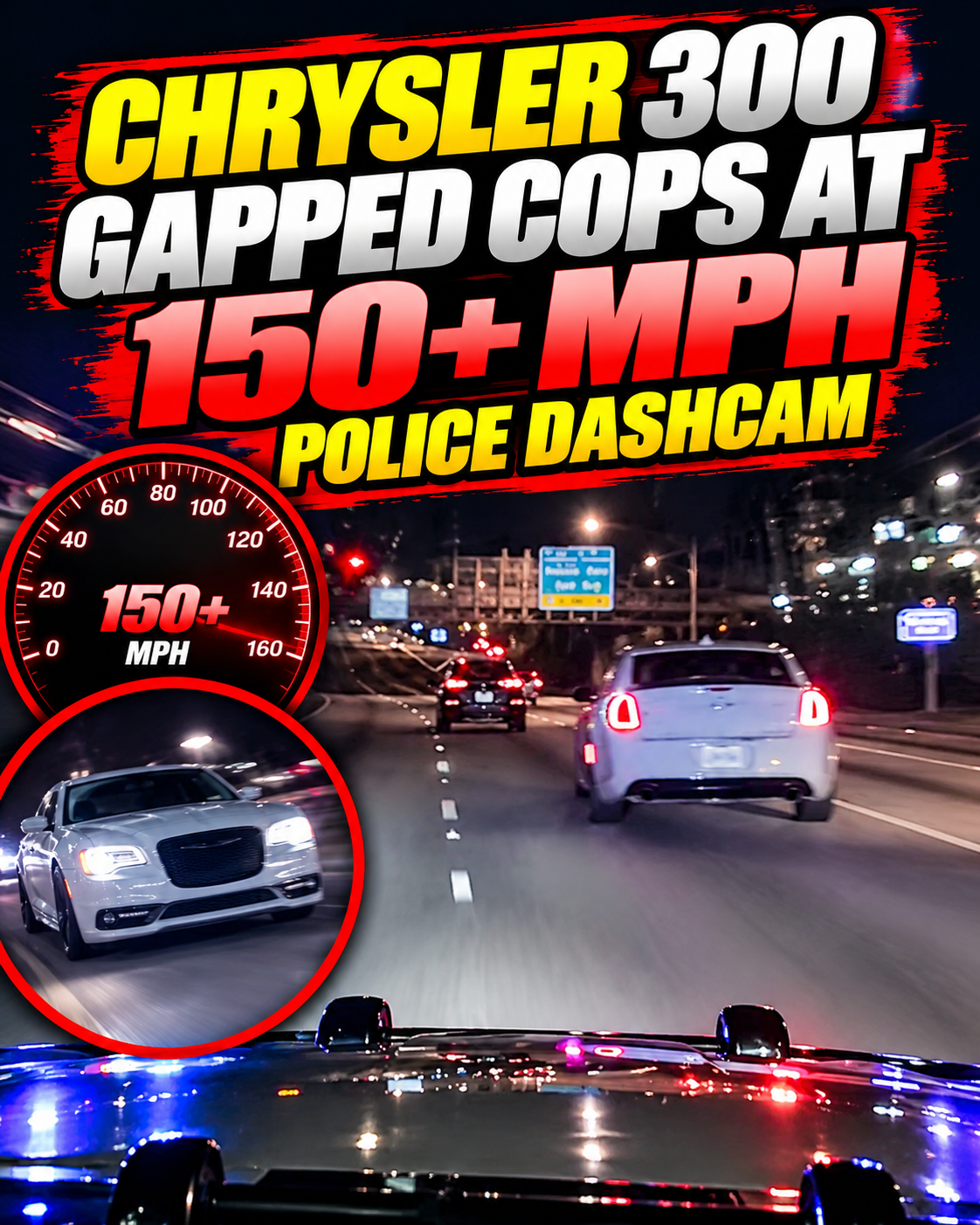
Police pursuits are among the most visually intense incidents captured by dashcam and bodycam video.
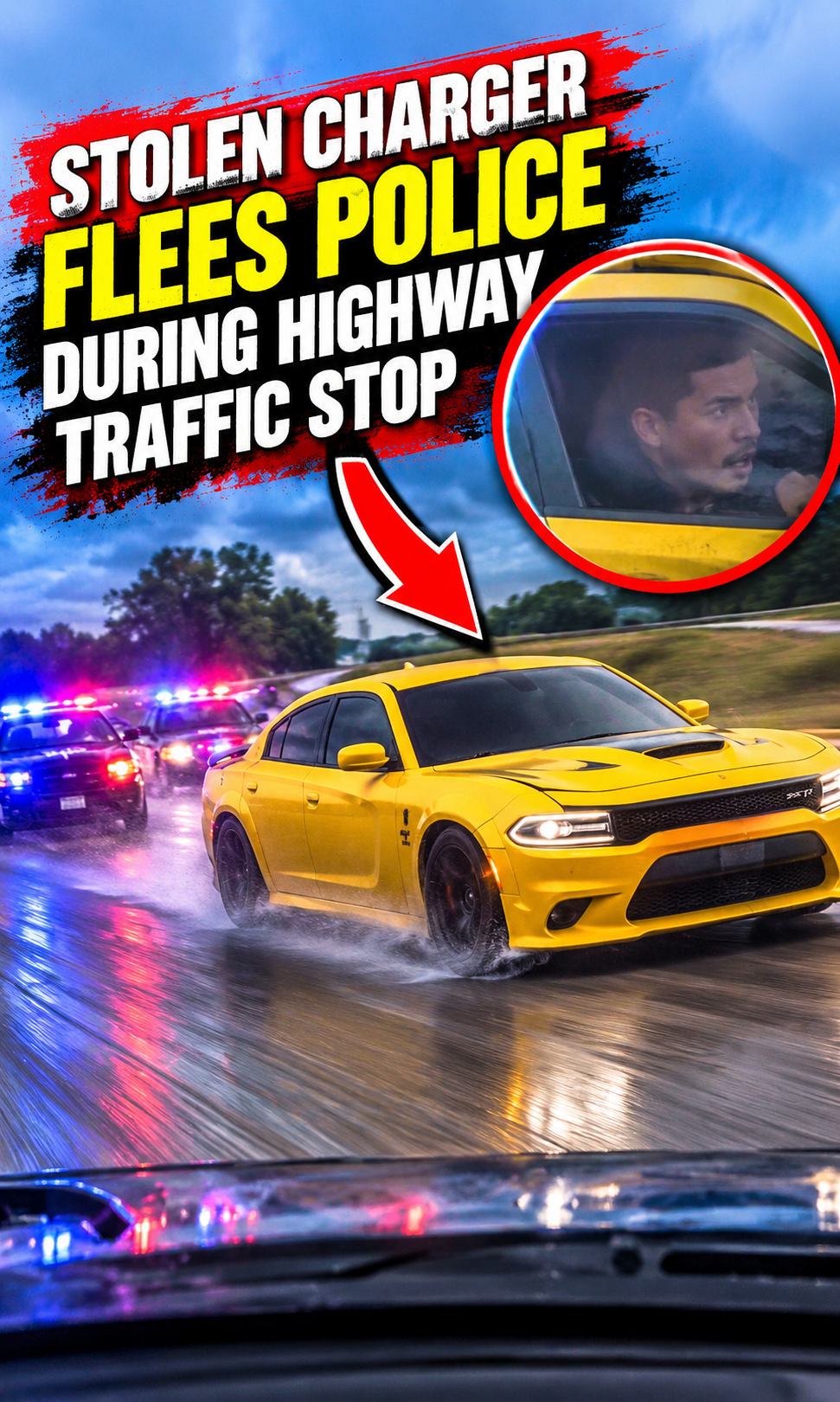
A fleeing vehicle may travel through city streets, residential neighborhoods, rural roads, or highways.
Speeds can change rapidly.
The driver may ignore stop signs and traffic signals, cross into opposing lanes, drive onto sidewalks or shoulders, make sudden turns, or attempt to hide from pursuing officers.
Meanwhile, officers must communicate.
The pursuing unit may provide information about the vehicle's direction, speed, location, traffic conditions, and other developments.
Additional patrol units may join from nearby areas.
Supervisors and dispatchers may also become involved as the pursuit develops.
EVERY INTERSECTION CREATES A NEW RISK
Unlike a controlled racetrack, a public road contains people who have no involvement in the pursuit.
Drivers may enter intersections without realizing a fleeing vehicle is approaching.
Pedestrians may be nearby.
Traffic may suddenly become congested.
Weather and road conditions can change visibility and vehicle handling.
For this reason, pursuit decisions can involve difficult risk assessments, and department policies vary regarding when officers may initiate, continue, or terminate pursuits.
From the viewer's perspective, dashcam footage often demonstrates just how quickly the environment changes.
One moment, the fleeing vehicle may be traveling along an empty road.
Seconds later, it may enter a crowded intersection.
The unpredictability continues until the vehicle finally stops.
But even then, the encounter may not be over.
HOW POLICE PURSUITS END
There is no single ending to a police pursuit.
Sometimes the driver eventually slows down and surrenders.
In other cases, officers may use authorized tactics or equipment intended to bring the pursuit to an end, depending on the circumstances and department policy.
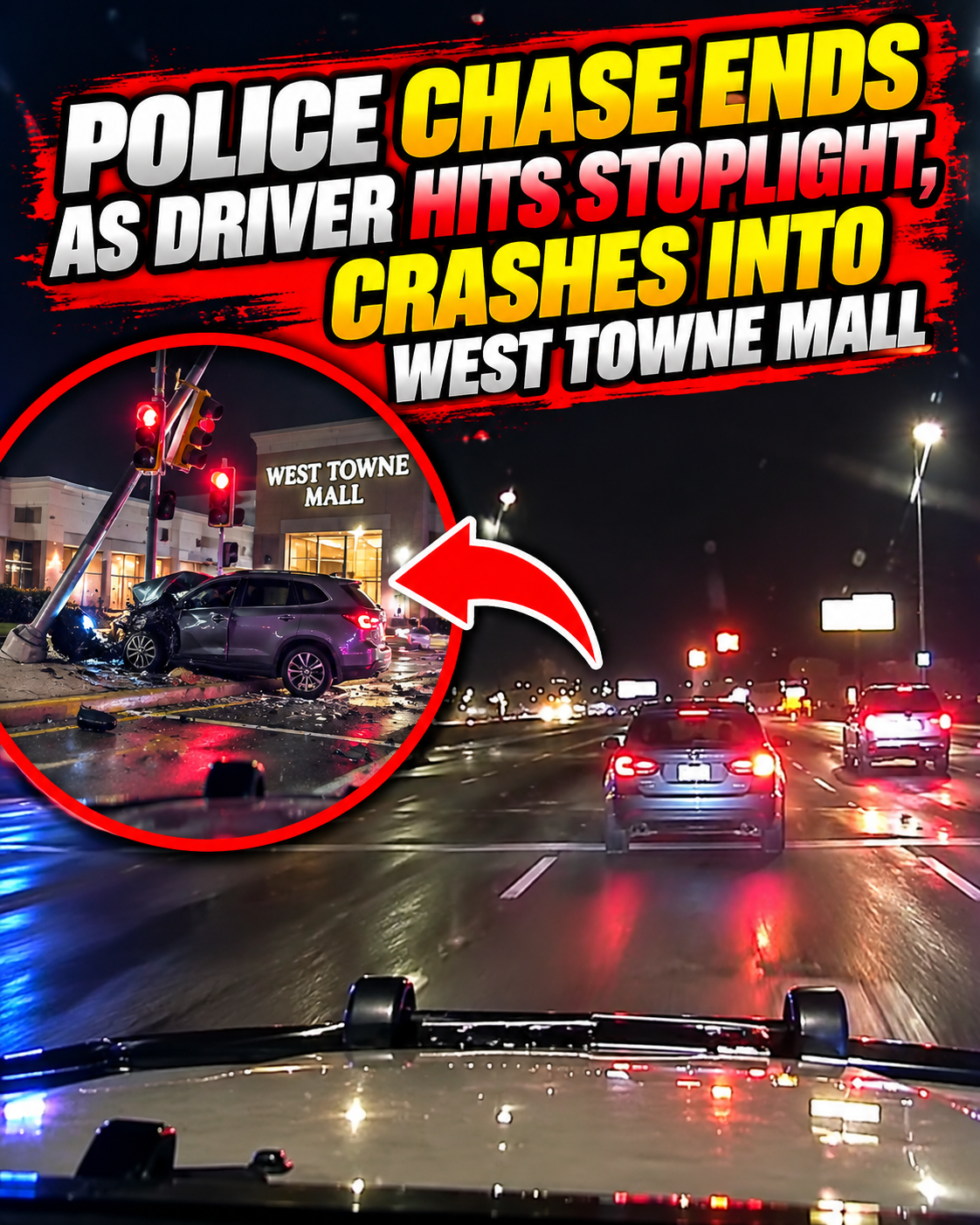
The fleeing vehicle may also become disabled or crash.
And sometimes the driver simply jumps out and runs.
This creates another dramatic transition.
Officers who were driving moments earlier must stop their patrol vehicles, exit, and continue the pursuit on foot.
The camera perspective changes instantly.
Instead of watching a vehicle ahead through a windshield, viewers may now see bodycam footage shaking as an officer runs through streets, yards, parking lots, or other areas.
Eventually, officers may locate and detain the person.

FROM VEHICLE PURSUIT TO FOOT CHASE
Foot pursuits create a completely different challenge.
An officer may have to run while simultaneously listening to radio traffic, observing where the suspect is going, watching the surrounding environment, and communicating information to responding units.
Visibility can also become a major factor.
At night, officers may rely on flashlights while moving through unfamiliar areas.
A suspect can disappear behind buildings, fences, parked vehicles, or vegetation within seconds.
Other officers may attempt to establish a perimeter or approach from another direction.
Sometimes K9 units or other specialized resources become involved, depending on the situation and agency procedures.
When the individual is finally located, another critical stage begins:
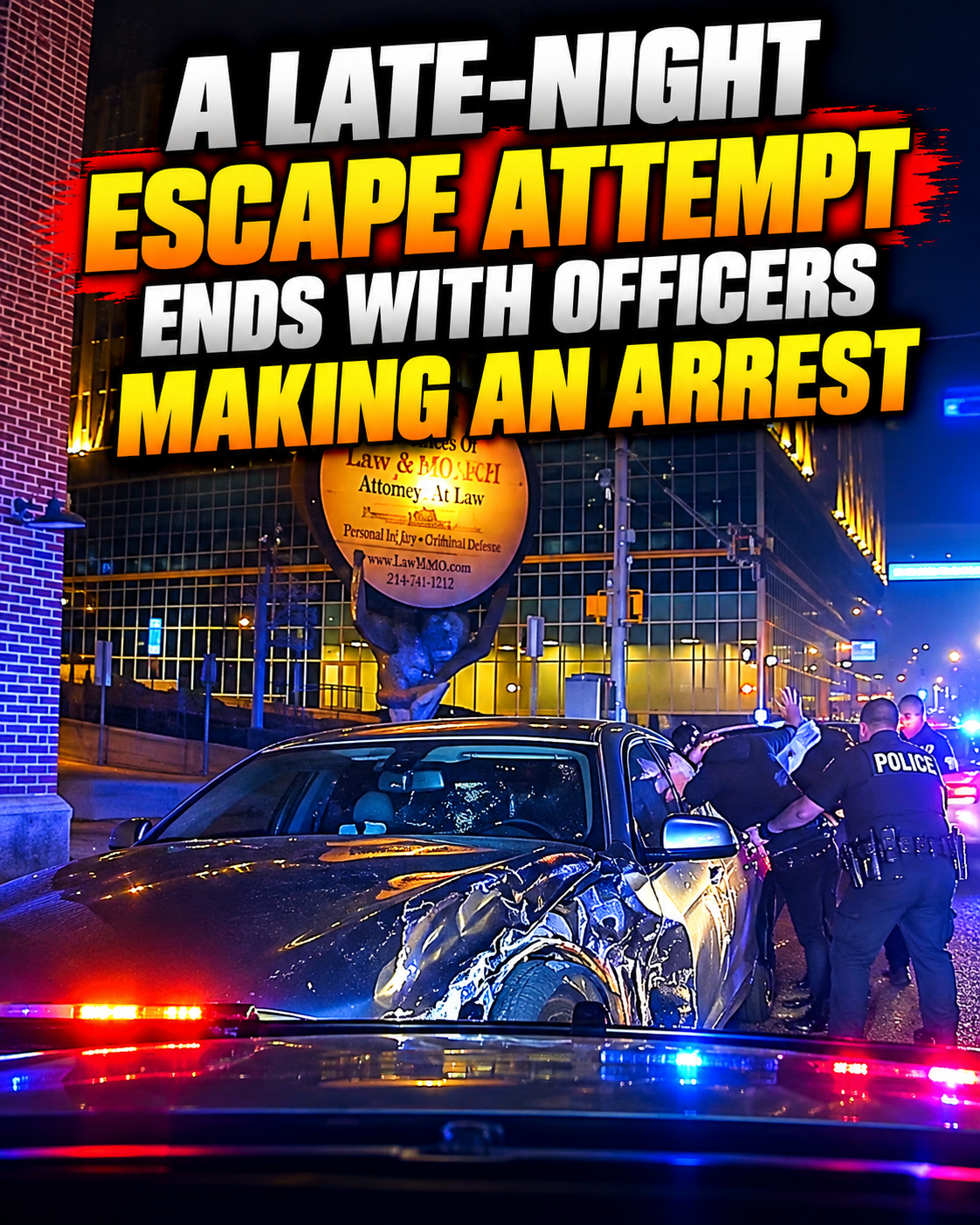
The arrest.
ARRESTS – THE CRITICAL MOMENT WHEN SOMEONE IS TAKEN INTO CUSTODY
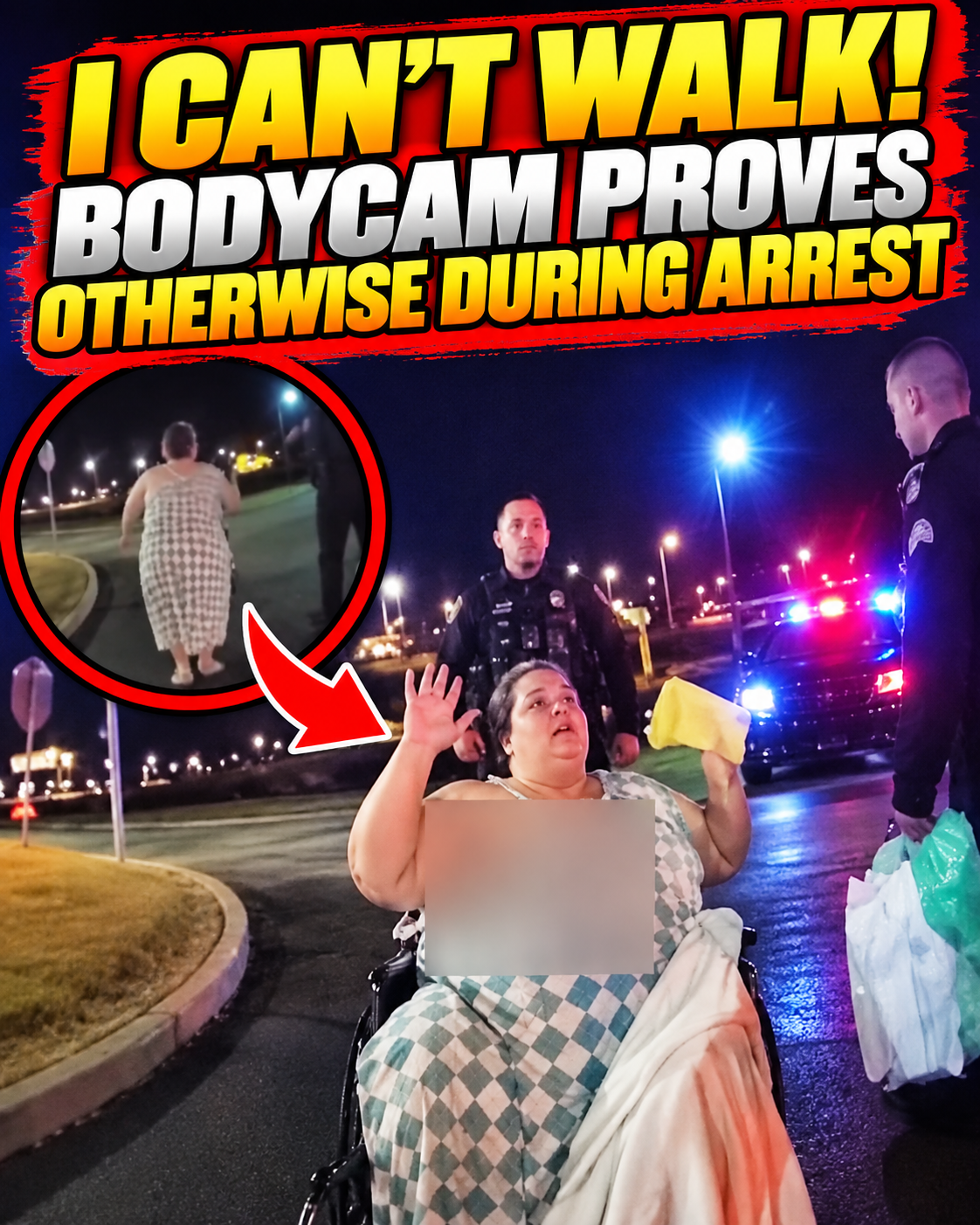
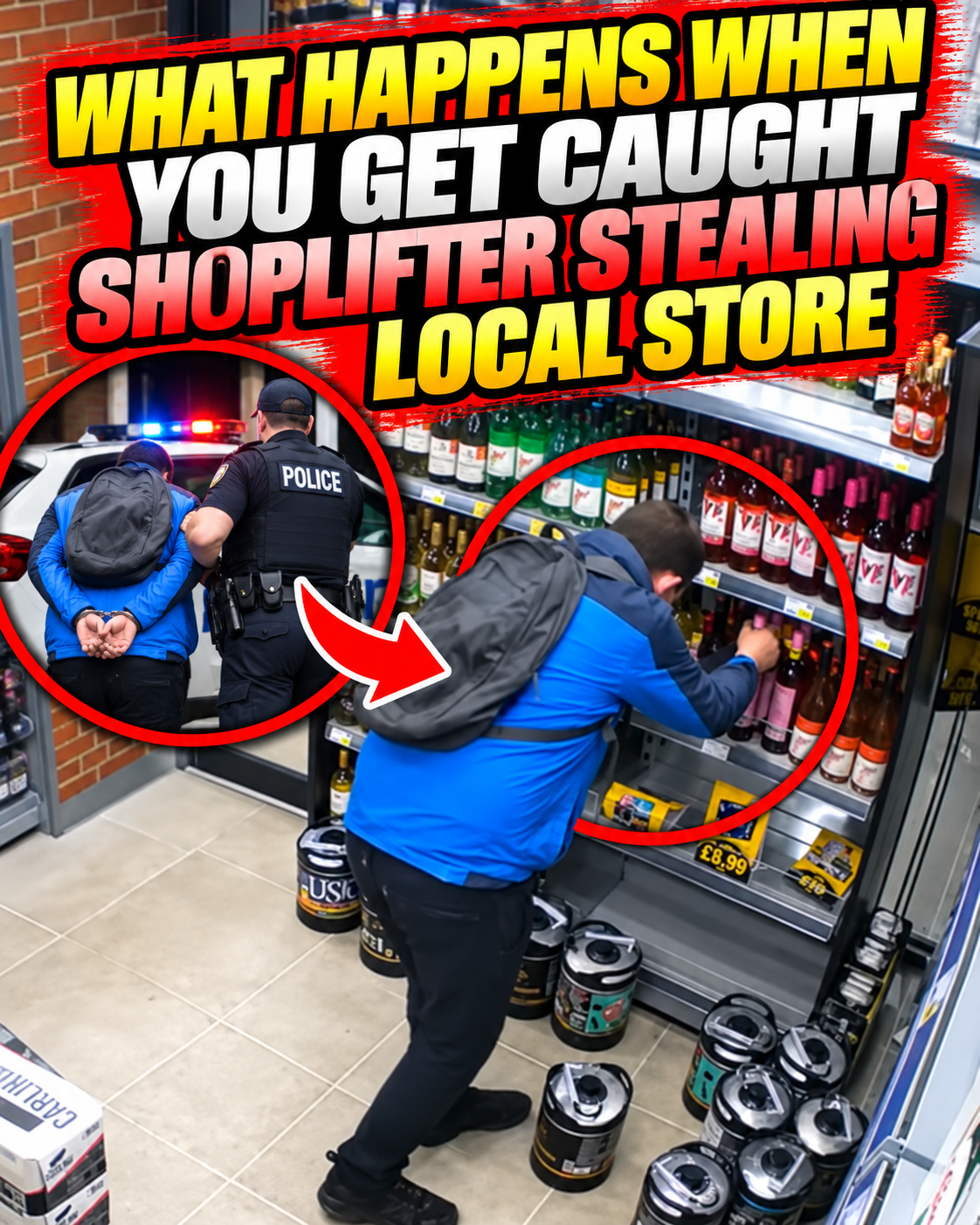
Arrests are among the most frequently viewed moments in police bodycam videos.
But arrests do not all look the same.
Some are calm.
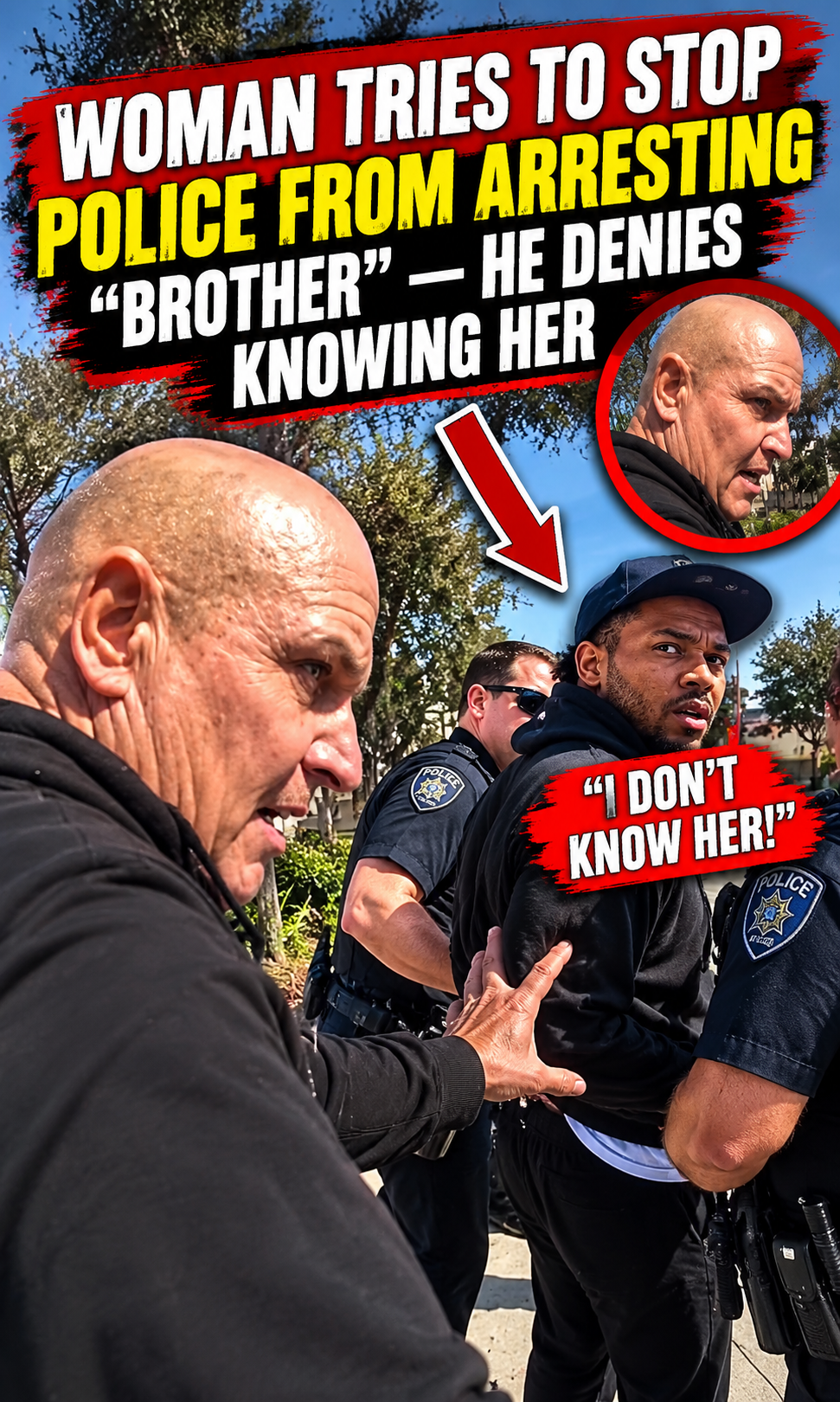
An officer informs an individual that they are under arrest. The person turns around, places their hands behind their back, and follows instructions.
Handcuffs are applied.
The person is searched according to procedure and escorted to a patrol vehicle.
There may be little confrontation.
Other arrests unfold very differently.
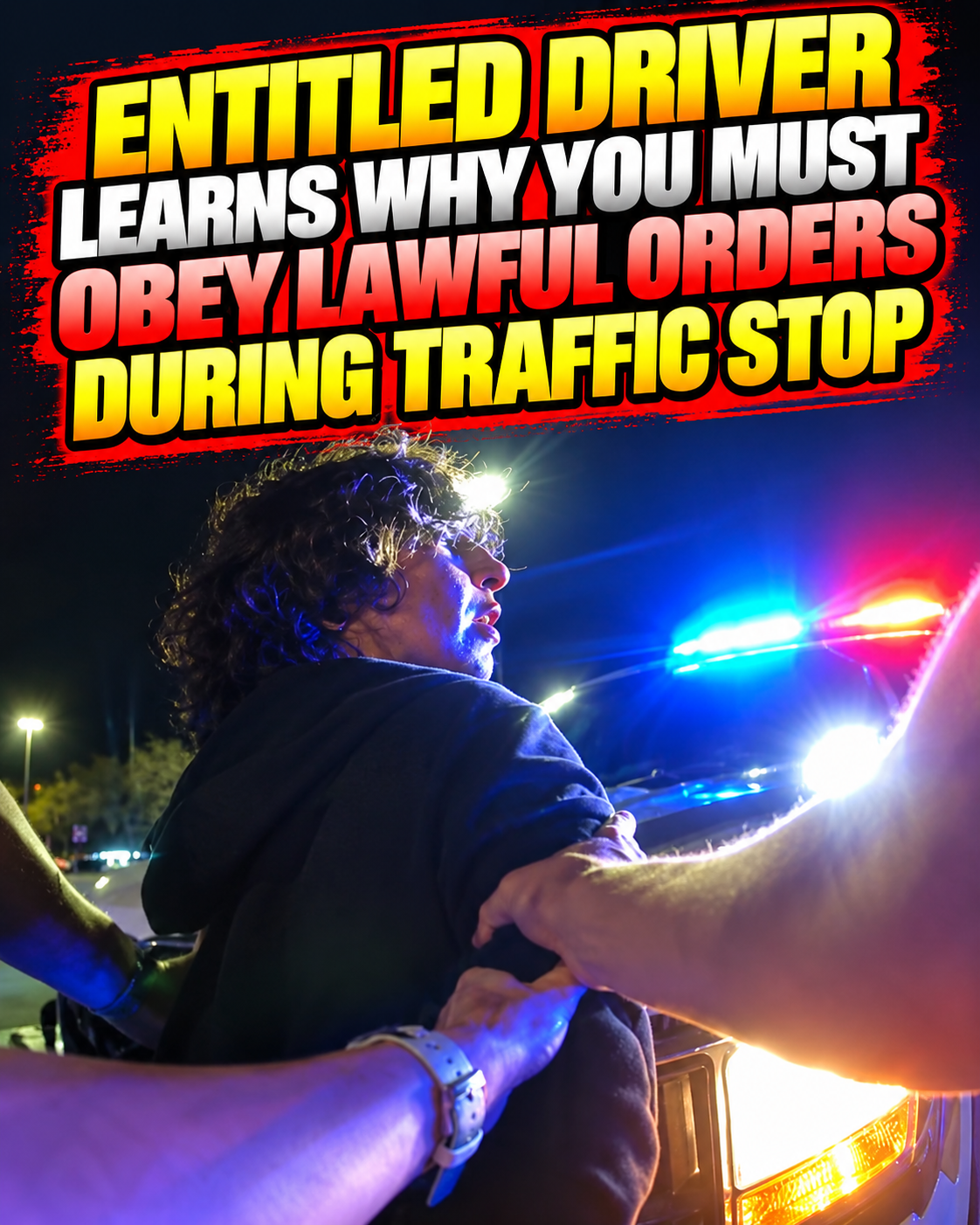
A person may question why they are being arrested, refuse to move, pull their arms away, attempt to flee, or physically resist officers.
When that happens, the situation can become much more complicated.
Additional officers may arrive.
Instructions may be repeated.
Officers may use approved control methods depending on the circumstances, applicable law, and agency policy.
Bodycam footage can capture much of this interaction.
COMMUNICATION BEFORE AND DURING AN ARREST
One detail worth paying attention to in arrest footage is communication.
What did officers say?
What instructions were given?
How did the person respond?
Were instructions repeated?
Did the person's behavior change?
These details can help establish the sequence of events.
A short clip showing only the physical portion of an arrest may look very different when compared with a longer recording showing the preceding conversation.
At the same time, footage should be evaluated carefully rather than assuming that every important fact is visible on camera.

AN ARREST IS NOT A CONVICTION
This distinction is extremely important when discussing real incidents.
A person may be arrested because officers believe there is legal justification to take them into custody.
That does not automatically establish guilt.
Charges can later be changed or dismissed, and allegations may be challenged in court.
The legal process determines the ultimate outcome.
For responsible coverage of police footage, individuals should generally be described as suspects or defendants where appropriate rather than automatically being described as guilty of alleged conduct.
This is especially important when an incident is still under investigation or when the final court outcome is unknown.
POLICE ENCOUNTERS – MUCH MORE THAN CHASES AND ARRESTS
Not every interesting police encounter involves a pursuit.
In reality, officers respond to an enormous variety of calls.
These may include:
Suspicious activity.
Noise complaints.
Welfare checks.
Domestic disturbances.
Reports of reckless behavior.
Property disputes.
Trespassing complaints.
Public disturbances.
Medical emergencies.
Requests for assistance.
Reports involving missing or vulnerable people.
And many other situations.
Often, officers receive only limited information before arriving.
Dispatch might provide an address and a short description of the reported problem.
But once officers reach the scene, they must determine what is actually happening.
The situation they find may be very different from the original call.
THE FIRST FEW MINUTES CAN BE CRITICAL
When officers arrive, they may begin by speaking with the person who called for help.
They may then speak separately with other people involved.
Witnesses can provide conflicting accounts.
One person may say an argument occurred, while another may deny it.
Someone may claim property was stolen while another person says it belongs to them.
Officers have to gather information and determine what actions are appropriate based on the circumstances.
These conversations may not be as visually dramatic as a vehicle pursuit, but they can be some of the most revealing parts of bodycam footage.
Viewers get to watch officers ask questions, compare stories, look for evidence, and attempt to determine what happened.

WHEN A CALM POLICE ENCOUNTER SUDDENLY CHANGES
One of the recurring themes in bodycam footage is how quickly behavior can change.
An individual may spend several minutes speaking normally with officers.
Then something happens.
They may receive information they do not like.
An officer may announce that they are being detained.
Another officer may discover evidence.
The person may suddenly walk away, run, or refuse instructions.
The atmosphere changes almost immediately.
Officers who were speaking calmly moments earlier may suddenly have to react to a rapidly developing situation.
This is why watching an encounter chronologically can be useful.
The viewer sees not only what happened, but also WHEN it happened and what immediately preceded it.
WHY FULL-LENGTH POLICE FOOTAGE CAN MATTER
Social media rewards short, dramatic videos.
A 15-second clip of a chase, confrontation, or arrest can receive millions of views.
But brevity comes with a major limitation:
CONTEXT CAN DISAPPEAR.
Imagine watching only the final 20 seconds of a 15-minute encounter.
You might see officers placing someone in handcuffs but have no idea why they were being arrested.
You might see a patrol vehicle pursuing a car without knowing why officers attempted to stop it.
You might hear an officer issuing commands without hearing the conversation that happened immediately beforehand.
This does not mean longer footage automatically answers every question.
But it can provide information that short clips omit.
For people interested in police bodycam content, the moments before and after the viral section are often just as important as the viral moment itself.
BODYCAM AND DASHCAM: TWO DIFFERENT PERSPECTIVES
Bodycam and dashcam recordings complement each other.
A bodycam provides a close, first-person perspective.
A dashcam usually provides a wider and more stable view from the patrol vehicle.
During a traffic stop, the dashcam may show the positions of both vehicles while the bodycam captures the conversation at the driver's window.
During a pursuit, the dashcam can provide a clearer view of the fleeing vehicle and roadway.
After the pursuit ends, bodycam footage may become more useful as officers leave their vehicles and approach the suspect.
When footage from multiple cameras is available, the different angles can reveal details that one camera alone may miss.
This is especially useful during fast-moving incidents.
WHAT VIEWERS SHOULD PAY ATTENTION TO
When watching police footage, it can be useful to focus on the entire timeline rather than only the most dramatic moment.
Start with the reason officers became involved.
Listen to the initial communication.
Notice whether the situation changes after officers receive additional information.
Pay attention to instructions and responses.
If a pursuit begins, look at what happened immediately before the vehicle fled.
If an arrest occurs, consider the events leading up to that decision.
And if only an edited version of the footage is available, remember that unseen portions may contain additional context.
This approach can make police footage more informative rather than simply sensational.
REAL PEOPLE AND REAL CONSEQUENCES
Another important point is that police bodycam footage involves real people.
The individuals shown are not actors.
The officers, suspects, victims, witnesses, drivers, passengers, and bystanders may all experience real consequences from what happened.
An arrest can lead to criminal proceedings.
A pursuit can cause property damage or injuries.
An encounter may become part of an internal investigation, civil lawsuit, or public debate.
For that reason, responsible coverage should distinguish verified facts from speculation.
When the final outcome of an investigation or court case is unknown, it is better to say so than to assume what happened afterward.
WHY POLICE BODYCAM VIDEOS CONTINUE TO ATTRACT VIEWERS
There is a simple reason these videos capture attention:
YOU NEVER KNOW WHAT WILL HAPPEN NEXT.
A video can begin with an officer sitting inside a patrol vehicle completing paperwork.
Seconds later, the officer notices something happening nearby.
Another video may begin with an ordinary traffic stop and develop into a pursuit.
A third may start with a routine call and end with officers discovering that the circumstances are completely different from what they expected.
This unpredictability keeps viewers watching.
But the most interesting footage is not necessarily the footage containing the most dramatic confrontation.
Sometimes the most revealing videos are those showing how officers communicate, investigate conflicting stories, solve unusual situations, or de-escalate encounters without anyone being injured.
Police footage covers a huge range of human behavior.
FIVE MAJOR TYPES OF POLICE FOOTAGE
The content can generally be organized around several major categories.
POLICE BODYCAM puts viewers close to the officer's perspective and captures conversations and rapidly developing situations.
TRAFFIC STOPS show interactions between officers and motorists, ranging from simple warnings to investigations and arrests.
POLICE PURSUITS document drivers attempting to flee and officers responding to dangerous, fast-changing road conditions.
ARRESTS capture the moment officers take individuals into custody and the events immediately surrounding that decision.
POLICE ENCOUNTERS cover the much broader world of calls for service, investigations, disputes, welfare checks, suspicious activity, and unexpected interactions.
Together, these categories provide an extensive look at modern policing and the unpredictable situations officers and civilians can encounter.
FROM THE FIRST CONTACT TO THE FINAL OUTCOME
Every video has a timeline.
There is the moment before police become involved.
There is the initial contact.
Then there is the point when the situation begins to develop.
Sometimes nothing dramatic happens.
The officer finishes the investigation and everyone leaves.
Other times, one decision changes everything.
A driver presses the accelerator instead of stopping.
A suspect runs.
An officer discovers new evidence.
Someone refuses to follow instructions.
Additional units arrive.
The incident moves into another stage.
Following that timeline is often the best way to understand police footage.
Instead of focusing only on the ending, viewers can see the chain of events that led there.
SEE MORE THAN THE VIRAL MOMENT
A headline can tell you what happened.
A photograph can capture one second.
A short social media clip can show the most dramatic moment.
But none of those necessarily shows the entire encounter.
That is why longer police footage can be worth watching.
You can see how the interaction started.
You can hear what was said.
You can watch how both officers and civilians responded as circumstances changed.
And you can see how the encounter eventually ended.
Whether it is an ordinary traffic stop, a dramatic vehicle pursuit, a foot chase, an arrest, or an unusual call for service, the full sequence often contains details that are missing from shorter versions.
WATCH THE FULL VIDEO – SEE HOW THE INCIDENT REALLY UNFOLDED
Reading about a police encounter provides an overview.
WATCHING THE FOOTAGE ALLOWS YOU TO FOLLOW THE EVENTS FOR YOURSELF.
The video can reveal details that are difficult to communicate through text alone: the initial conversation, the tone of the encounter, the officer's perspective, the suspect's response, the surrounding environment, and the moment everything changes.
If you've reached this point, don't stop with the written story.
The most important moments may be waiting in the footage.
SEE THE BODYCAM. HEAR THE CONVERSATION. WATCH THE FULL ENCOUNTER.
▶ CLICK HERE TO CONTINUE WATCHING:
The short clips may show you the dramatic moment — THE FULL VIDEO SHOWS YOU HOW THEY GOT THERE.
For more real-world footage and detailed coverage, continue exploring our latest POLICE BODYCAM, TRAFFIC STOPS, POLICE PURSUITS, ARRESTS, AND POLICE ENCOUNTERS.
Comments (0)
Loading comments...
May You Like
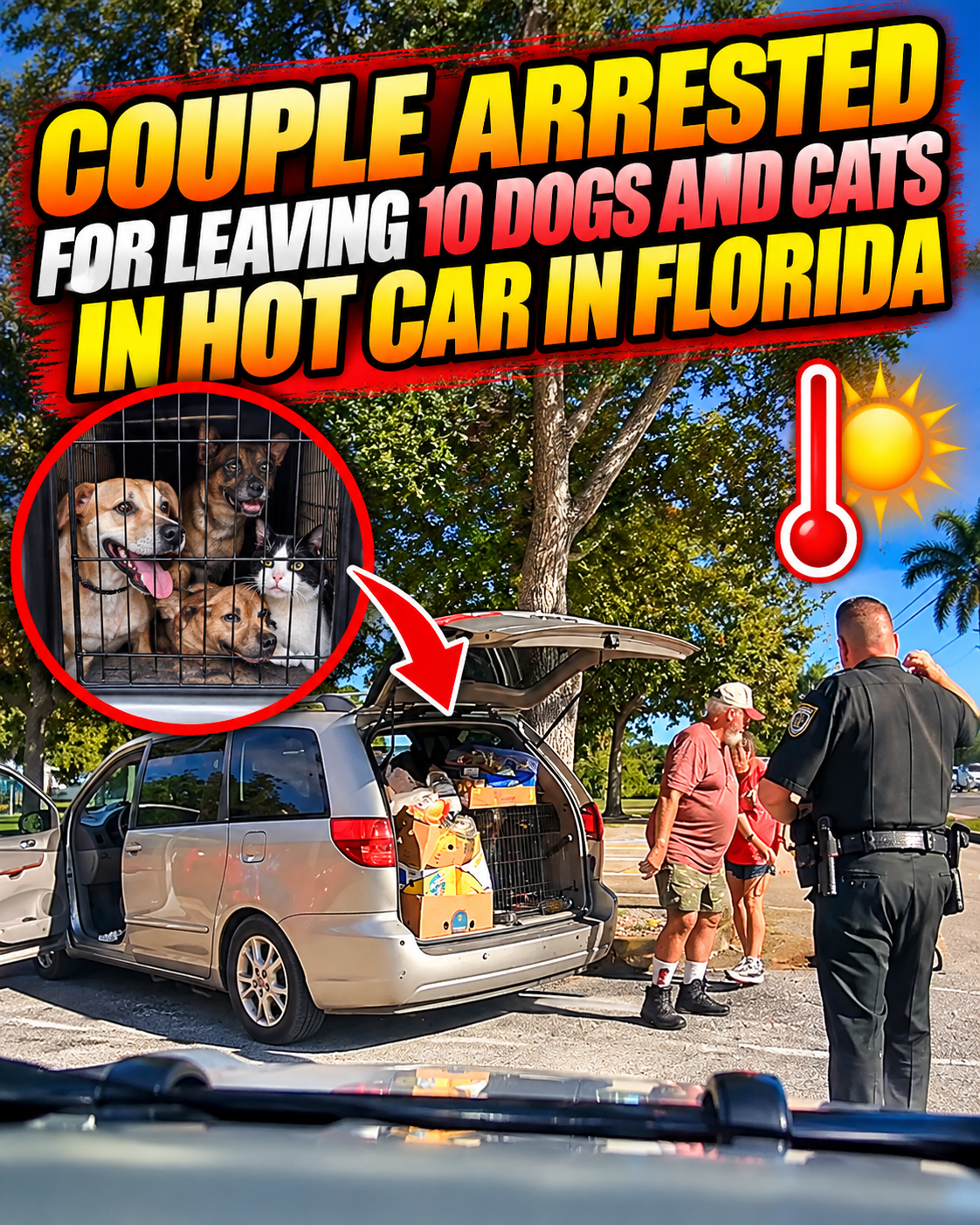
Couple Arrested for leaving 10 Dogs and Cats in Hot car in Florida
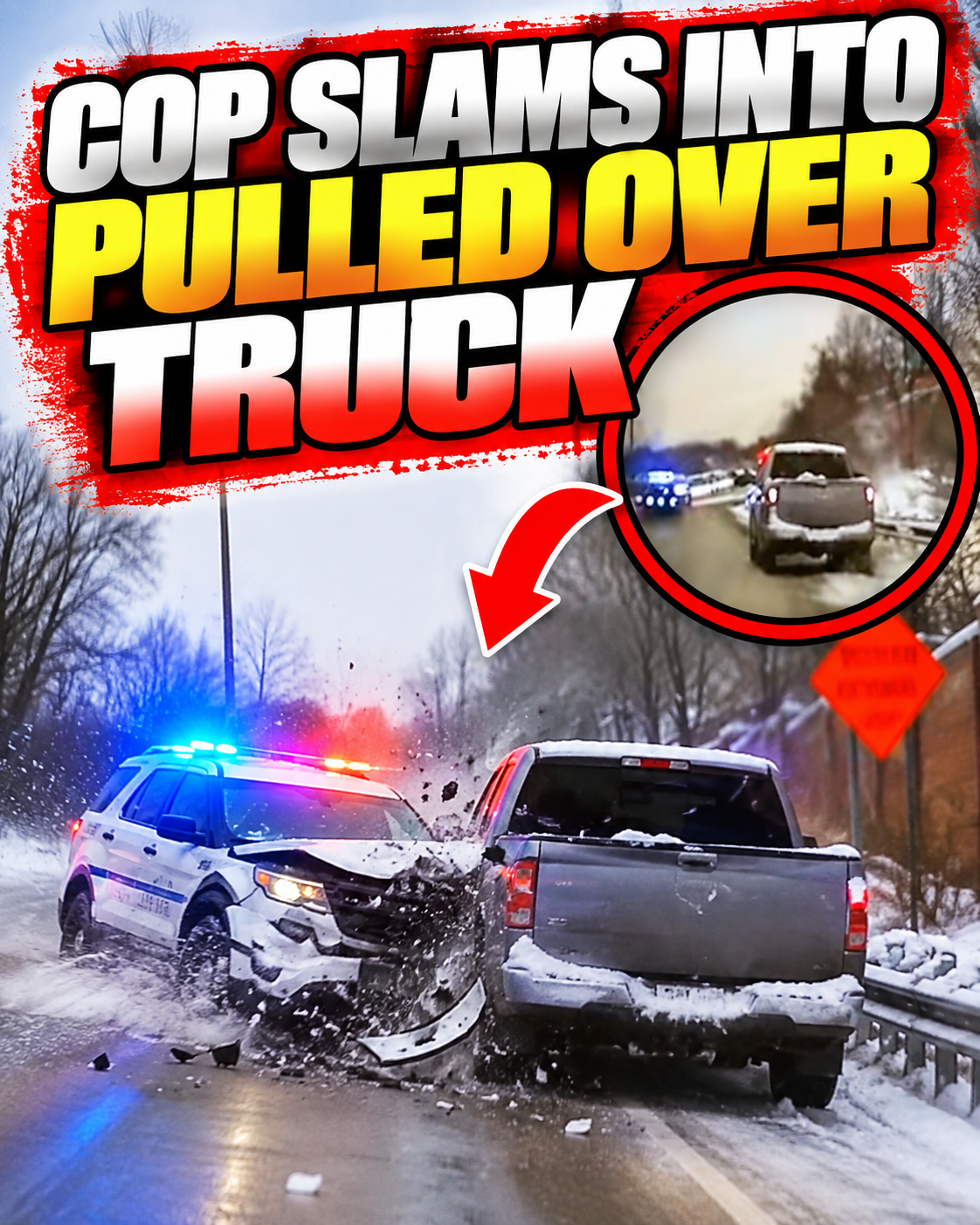
COP SLAMS INTO PULLED OVER TRUCK
What Happens when you get Caught Shoplifter Stealing Local Store