Off-Duty Police Officer Punches Driver in the Face
INSIDE POLICE ENCOUNTERS: WHEN AN ORDINARY CALL CHANGES IN SECONDS
For a police officer, there is rarely such a thing as knowing exactly how the next call will end.
A vehicle pulled over on the side of a quiet road may appear completely routine. A conversation outside a convenience store may seem harmless. A driver may initially cooperate with every instruction. Then, without warning, the situation can change.
Someone reaches toward an unseen area of a vehicle. A driver suddenly accelerates away. A suspect refuses to show their hands. An argument becomes physical. Another officer calls for backup.
Within seconds, what began as an everyday police encounter can become an incident involving a pursuit, arrest, or major emergency.
That uncertainty is one reason POLICE BODYCAM FOOTAGE, TRAFFIC STOPS, POLICE PURSUITS, ARRESTS, AND REAL-WORLD POLICE ENCOUNTERS have attracted enormous attention online.
But the most dramatic moment is rarely the entire story.
To understand what actually happened, viewers need to see what came before it, how officers and civilians reacted as circumstances changed, and what happened after the moment captured in a short viral clip.
POLICE BODYCAM — EXPERIENCING THE ENCOUNTER FROM THE OFFICER’S PERSPECTIVE
Body-worn cameras have fundamentally changed how the public can observe police encounters.
Before bodycams became widespread, many incidents were reconstructed primarily through witness statements, police reports, photographs, surveillance footage, and testimony provided after the event.
Bodycam footage adds something very different: a first-person view of events while they are actually happening.
Viewers may hear the officer's first words when approaching someone. They can hear instructions being given, see how quickly circumstances develop, and observe details that might otherwise never appear in a short written description.
Sometimes the most important moment is obvious.
Other times, it is something that happens in a fraction of a second.
A hand suddenly disappears from view.
A person who appeared cooperative begins backing away.
An officer notices something inside a vehicle.
The tone of the conversation abruptly changes.
Backup is requested.
Then everything escalates.
EVERY SECOND CAN ADD ANOTHER PIECE TO THE STORY.
This is also why watching only a short excerpt can create an incomplete impression. A ten-second viral clip might show the confrontation, while the previous several minutes explain how everyone reached that point.
Bodycam footage does not automatically answer every question. Camera position, visibility, audio quality, missing footage, and events outside the camera's field of view can all matter.
But when combined with dashcam footage, official records, witness accounts, and follow-up reporting, it can provide valuable context.
And sometimes that context completely changes how an incident initially appears.
TRAFFIC STOPS — THE MOST ORDINARY ENCOUNTER CAN BECOME THE MOST UNPREDICTABLE

Flashing lights appear in the rearview mirror.
A vehicle slows down and pulls onto the shoulder.
The officer exits the patrol car and begins walking toward the driver.
For millions of motorists, what happens next is routine: documents are exchanged, a warning or citation may be issued, and both vehicles eventually leave.
But officers approaching a stopped vehicle often begin with limited information.
They may not know who is inside, why the driver is behaving a certain way, whether there is an outstanding warrant, or whether the situation will remain calm.
That uncertainty can make the first moments of a traffic stop especially important.
The encounter might begin because of speeding, an equipment violation, unusual driving, an expired registration, or another suspected traffic offense.
Then something unexpected happens.
A driver refuses to provide identification.
Someone inside the vehicle repeatedly reaches toward an area the officer cannot see.
The officer notices evidence suggesting another possible offense.
A passenger becomes involved.
Or the driver suddenly shifts into gear.
WHAT BEGAN AS A TRAFFIC VIOLATION CAN BECOME SOMETHING COMPLETELY DIFFERENT IN SECONDS.
Some of the most compelling police footage captures precisely this transition — the moment everyone realizes that the original reason for the stop is no longer the biggest issue.
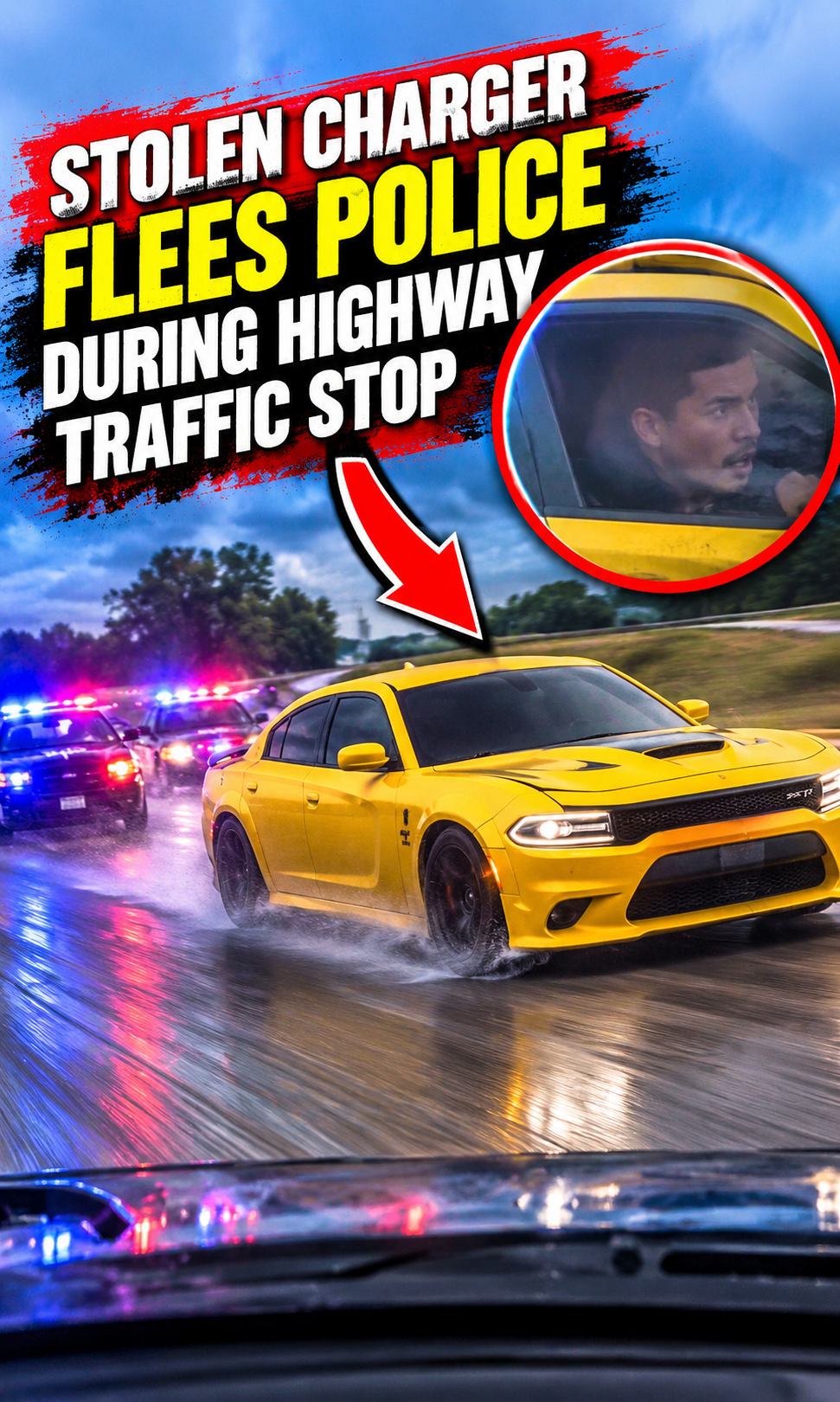
And if the driver decides to flee, another dangerous phase begins.
POLICE PURSUITS — WHEN THE DRIVER REFUSES TO STOP
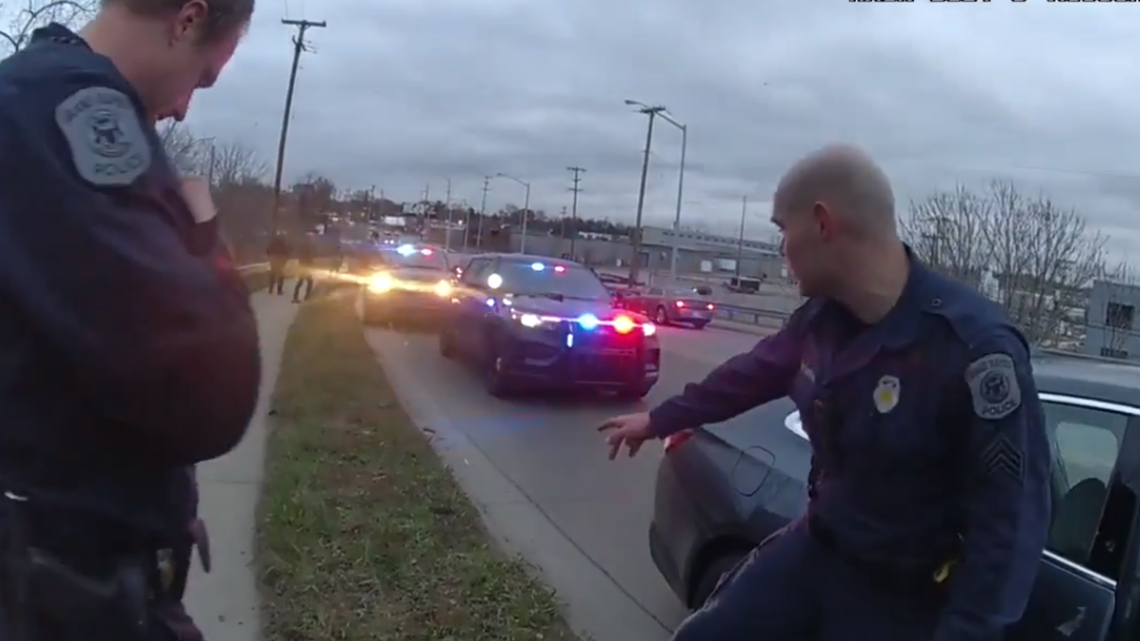
The brake lights disappear into the distance.
Sirens activate.
Additional units begin responding.
A routine traffic stop has just become a police pursuit.
Police chases are among the most dramatic incidents captured by dashcams and body-worn cameras because conditions can change almost instantly.
A pursuit might begin on a residential street at relatively low speed before moving onto a major highway. It can pass through intersections, construction areas, parking lots, or neighborhoods filled with pedestrians.
Other motorists may have no idea what is approaching behind them until they hear sirens.
Officers must track the fleeing vehicle while simultaneously responding to traffic, road conditions, radio communications, and the actions of other police units.
Meanwhile, the fleeing driver's next decision is impossible to predict.
Will they slow down?
Turn suddenly?
Leave the roadway?
Abandon the vehicle and run?
Or continue accelerating?
AT HIGH SPEED, A SINGLE DECISION CAN CHANGE EVERYTHING.
This is why the most interesting pursuit footage is not simply about speed.
It is about uncertainty.
Dashcams may show the chase from directly behind the suspect. Bodycams can reveal what officers experience immediately after stopping. Helicopter footage may provide a wider view of the route and surrounding traffic.
When several perspectives exist, they can transform a chaotic chase into a much clearer sequence of events.
And eventually every pursuit reaches a turning point.
Sometimes the vehicle stops voluntarily.
Sometimes it crashes.
Sometimes officers use intervention tactics.
And sometimes the driver gets out and starts running.
At that point, the chase may be over — but the encounter often isn't.
ARRESTS — WHEN CONTROL OF THE SITUATION BECOMES CRITICAL

“Show me your hands.”
“Stop moving.”
“Turn around.”
“Put your hands behind your back.”
Commands like these appear repeatedly in police footage, but what happens afterward can vary enormously.
Some arrests end almost immediately because the person complies.
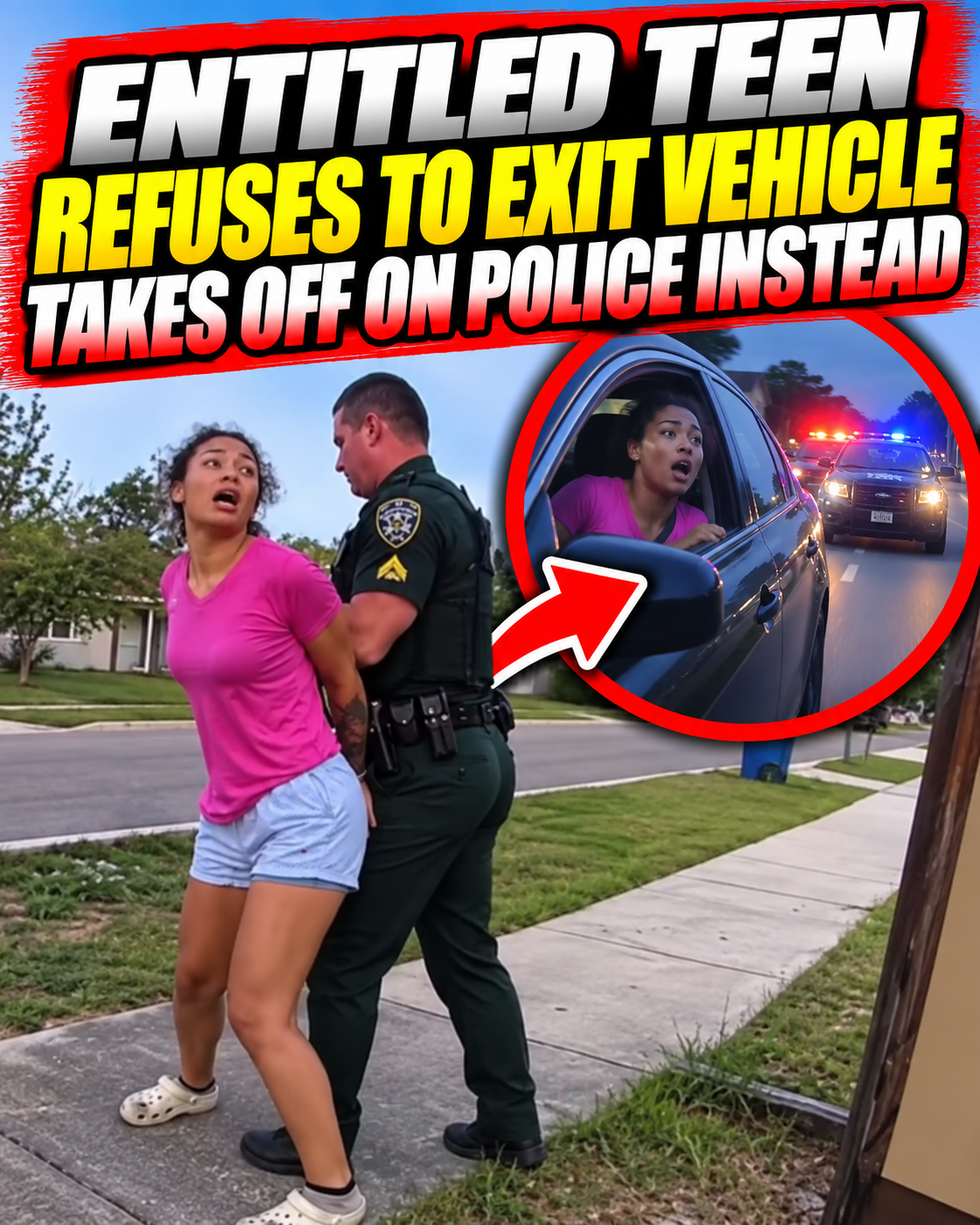
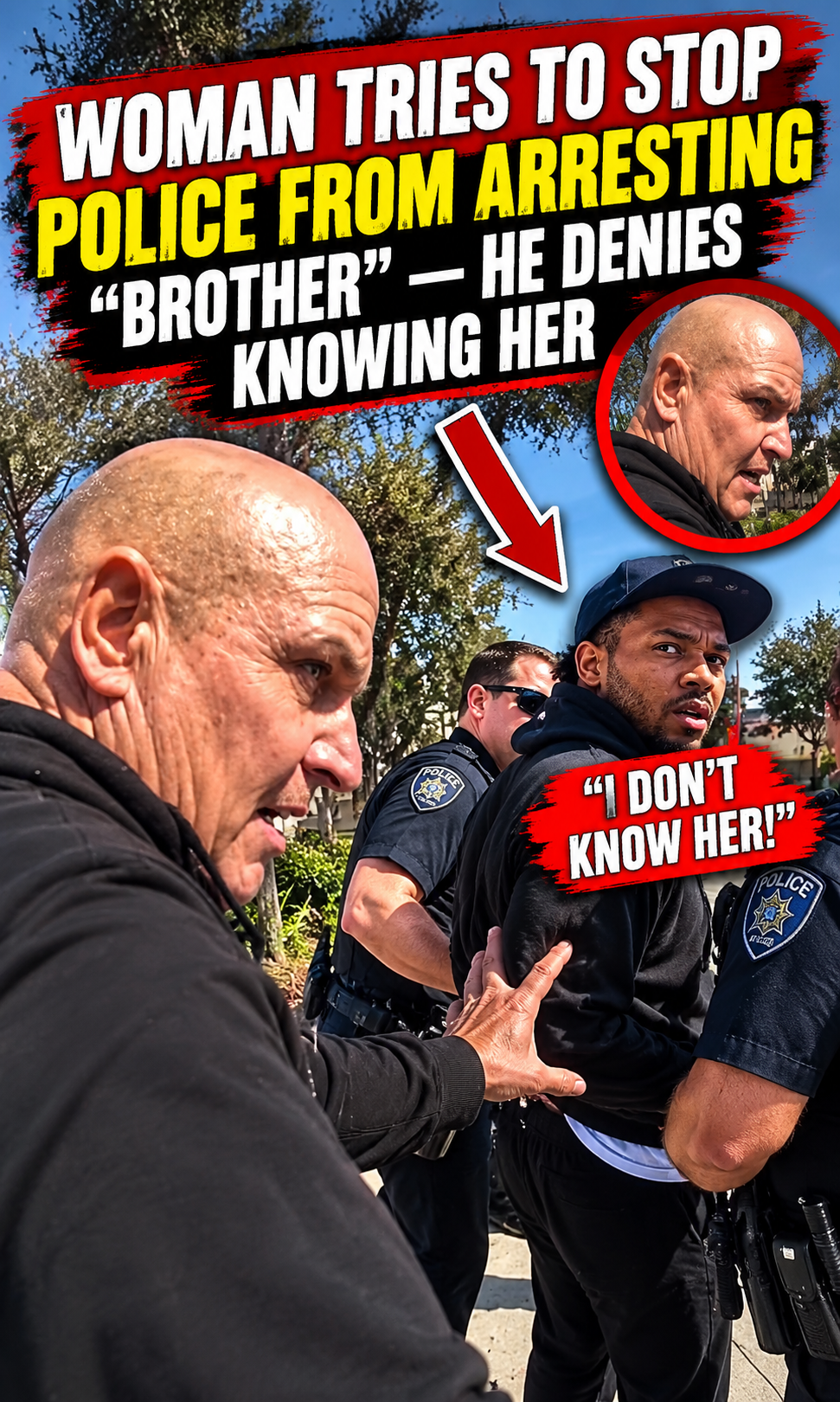
Others become prolonged confrontations involving arguments, physical resistance, attempts to escape, or additional officers arriving at the scene.
This is often where short clips become misleading.
A viral video may begin at the exact moment an officer uses physical force, without showing the minutes of interaction that preceded it.
Conversely, footage may also reveal conduct that raises legitimate questions about whether an officer's actions were appropriate.
That is why SEQUENCE AND CONTEXT MATTER.
What instructions were given?
Could they be heard and understood?
How did the person respond?
Did circumstances change?
When did additional officers arrive?
What happened immediately afterward?
Those questions often cannot be answered from a single screenshot or a few seconds of footage.
THE MOST DRAMATIC MOMENT MAY ATTRACT ATTENTION — BUT THE FULL TIMELINE TELLS THE STORY.
POLICE ENCOUNTERS — NO TWO CALLS UNFOLD THE SAME WAY

Not every significant police encounter begins with a traffic stop or pursuit.
Officers respond to an enormous range of situations.
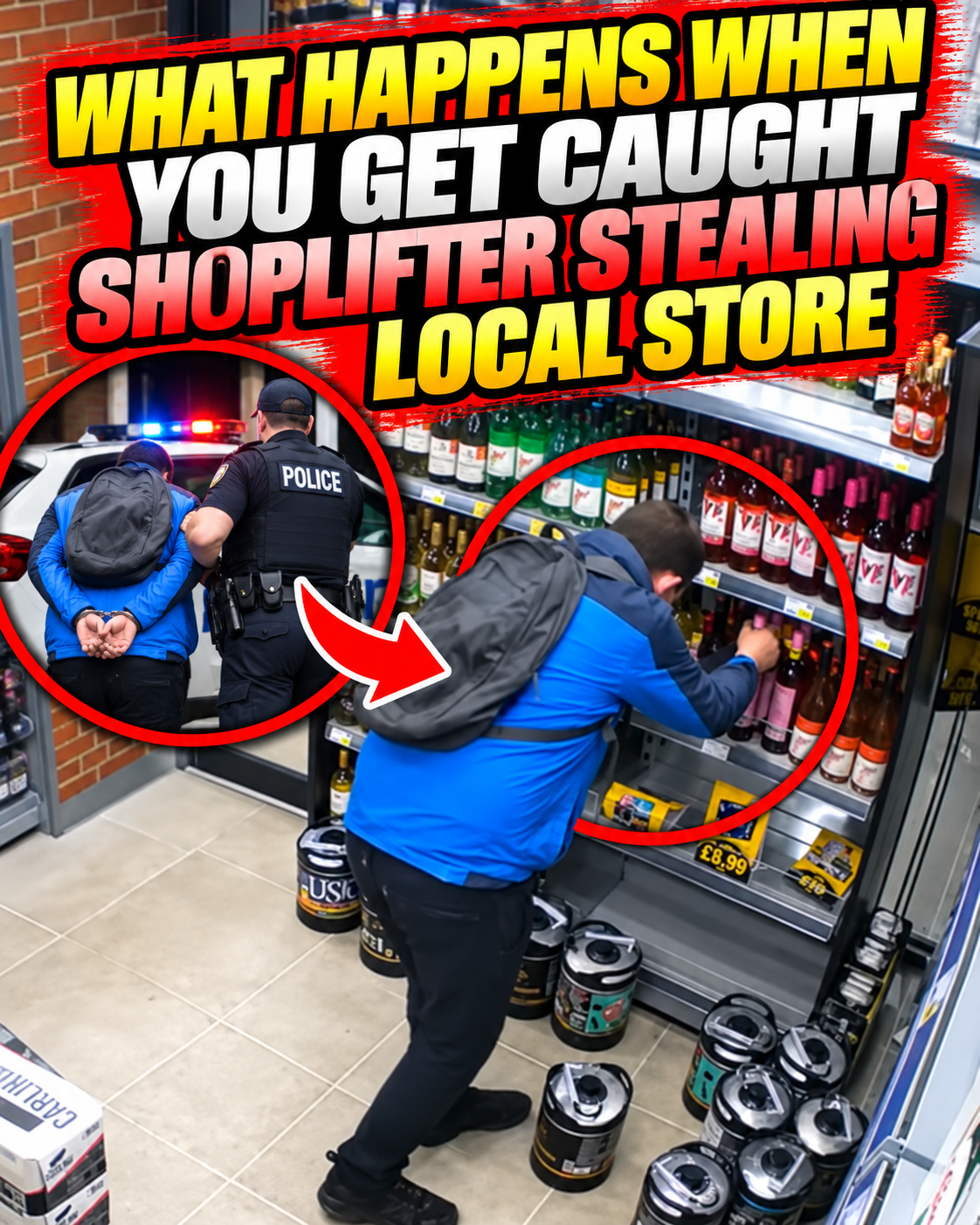
A call might involve a disturbance between neighbors, suspicious activity outside a business, a welfare check, a reported theft, a vehicle crash, an argument in a parking lot, or someone behaving unusually in public.
Some calls are resolved almost entirely through conversation.
Others become complicated because officers arrive with incomplete or conflicting information.
A person described by a caller may not actually be involved.
Witnesses may disagree about what happened.
Someone may be experiencing distress.
A suspect may already have left the scene.
Or officers may encounter something completely different from what the original dispatcher information suggested.
THE FIRST VERSION OF A CALL IS NOT ALWAYS THE FINAL STORY.
That is what makes real police encounters so unpredictable.
The viewer is discovering information at nearly the same time as the responding officer.
You hear the initial explanation.
Then another person tells a different version.
New evidence appears.
The officer asks another question.
Suddenly the situation makes more sense — or becomes even more confusing.
This gradual discovery is often more compelling than the confrontation itself.
WHY THE MOMENTS BEFORE AND AFTER THE VIRAL CLIP MATTER

Social media naturally favors the most dramatic portion of an incident.
The pursuit.
The takedown.
The crash.
The confrontation.
The arrest.
But those moments may represent only a tiny fraction of an encounter lasting several minutes — or much longer.
Imagine seeing only the final fifteen seconds of a traffic stop.
You might know what happened, but not why it happened.
Now add the previous five minutes.
You hear the initial conversation. You learn why the vehicle was stopped. You see the driver's behavior change. You hear the officer repeatedly asking a question. Then you reach the dramatic moment.
Suddenly, the same footage has much more context.
The minutes after an incident can be equally important.
Did officers immediately provide medical assistance?
Was another person detained?
What did investigators later discover?
Were criminal charges filed?
Did prosecutors or a court later reach a different conclusion?
Did the police department release additional footage?
THE END OF THE BODYCAM RECORDING IS NOT NECESSARILY THE END OF THE STORY.
BODYCAM + DASHCAM + OFFICIAL RECORDS — BUILDING THE COMPLETE TIMELINE
One camera rarely captures everything.
A bodycam follows the officer but may point away from an important action.
A dashcam provides a stable view from the patrol vehicle but cannot follow events occurring elsewhere.
Surveillance cameras may capture something both police cameras missed.
Helicopter footage can show a pursuit from above.
911 audio can explain why officers were originally dispatched.
Court documents and official reports can explain what happened days, months, or even years afterward.
When these pieces are combined, an incident that initially appeared confusing can become much easier to understand.
That is why responsible viewing means looking beyond the most dramatic frame.
THE CAMERA STARTS RECORDING — BUT YOU STILL DON'T KNOW HOW THE STORY WILL END
That is ultimately what makes police footage so compelling.
You may see an officer walking toward a vehicle and have absolutely no idea what will happen thirty seconds later.
The driver might receive a warning and leave.
The officer might discover an outstanding warrant.
The vehicle might suddenly accelerate away.
A pursuit might begin.
Someone might run.
Backup might arrive.
Or the entire encounter might end peacefully.
THE UNCERTAINTY IS REAL BECAUSE THESE ARE NOT SCRIPTED SCENES.
Each traffic stop, pursuit, arrest, and police encounter develops according to the decisions made by the people involved.
And sometimes those decisions happen incredibly quickly.
So when watching bodycam footage, don't focus only on the moment everyone is sharing online.
Watch what happened before it.
Watch how the situation changed.
Watch what officers and civilians said and did.
And, whenever possible, find out what happened after the cameras stopped recording.
Because the most shocking five seconds might get millions of views.
BUT THE FULL VIDEO IS WHERE YOU FIND THE STORY.
WATCH THE FULL ENCOUNTER BELOW
The clip may begin like an ordinary police interaction, but circumstances can change without warning.
WATCH THE FULL VIDEO BELOW TO SEE EXACTLY HOW THE ENCOUNTER UNFOLDS FROM THE FIRST MOMENT TO THE FINAL OUTCOME.
DON'T STOP AT THE VIRAL MOMENT — SEE WHAT HAPPENED BEFORE, DURING, AND AFTER. https://www.youtube.com/watch?v=2aAaulI4vwg
Comments (0)
Loading comments...
May You Like
Entitled Driver Skips the Line and Gets Instant Karma3
Her Dad Is a Lawyer — Then He Shows Up After Her Arrest | Bodycam US
911 Call Leads Police to a Disturbing Family Situation