Neighborhood Grocery Store Suddenly Erupts Into Chaos
She Pulled Into a Store for a Cigarette, Then Two Women Rushed Her Car and Everything Exploded
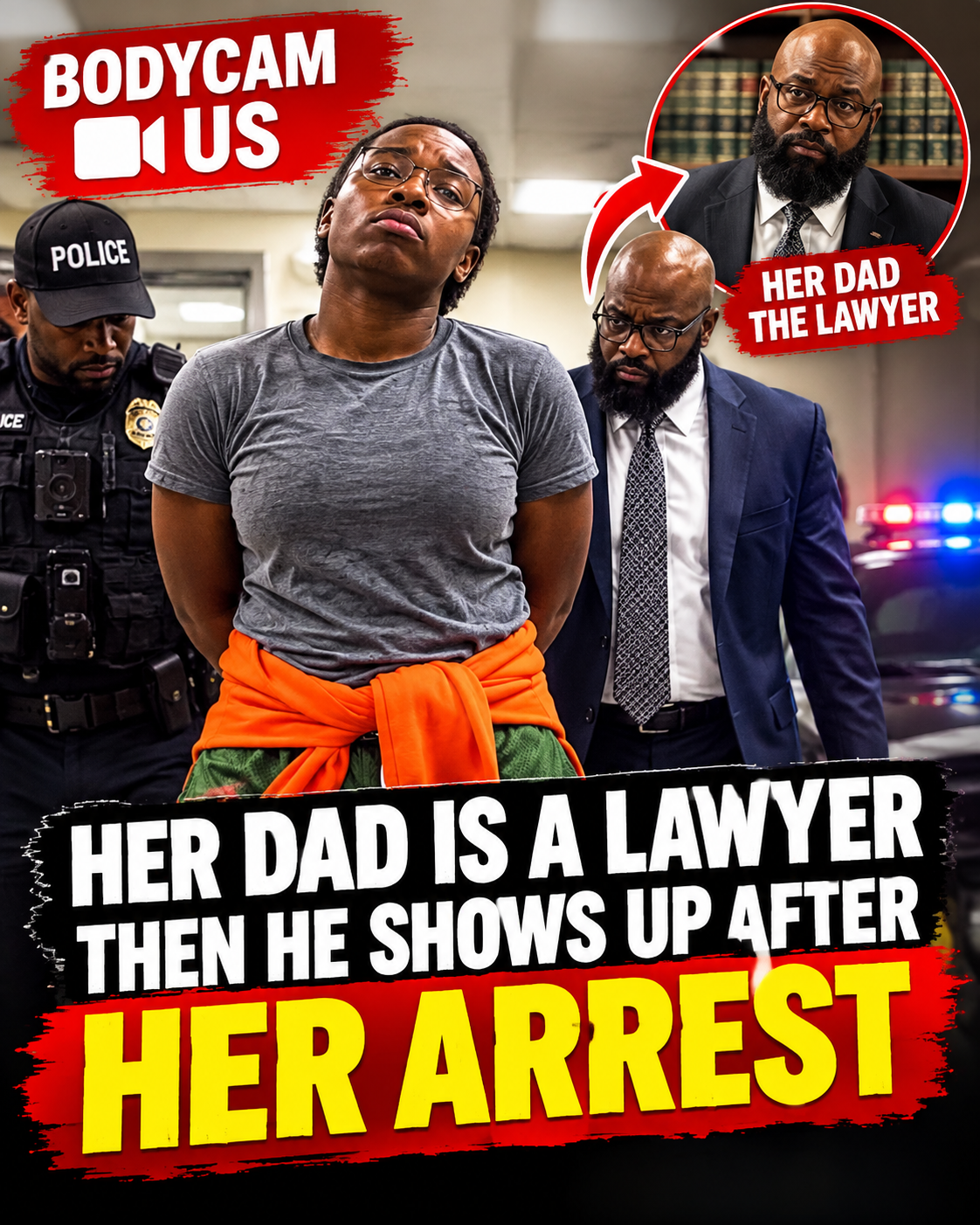
I remember how ordinary the beginning sounded. A woman had pulled into a store because she said she was trying to get a cigarette and then pick up her husband from work. That was it, at least from her version of the story. But by the time we arrived on March 29, 2025, there were three women involved in a fight, a damaged vehicle, accusations flying in every direction, and one woman screaming that people had been attacking her through the window of her car. The first thing we heard was that someone had kicked the vehicle. Then another voice insisted the whole thing had been caught on camera. Everybody seemed to have a different explanation, and everybody wanted us to believe theirs was the only version that mattered. One woman was shouting that the others had run up on her parked car. Another was warning people to watch their mouths. Someone was telling someone else to go back to the car and calm down. And underneath all of it was the kind of anger that makes a simple investigation difficult because nobody wants to wait long enough for the facts to catch up with their emotions. We had to separate people before we could even begin to understand what had happened. One woman was extremely agitated, yelling and cursing, and despite being told repeatedly to calm down, she continued arguing. Eventually, she was detained. She immediately protested that she had been attacked first. She kept pointing toward her vehicle, telling us to look at the damage and insisting that the other women had chased her. She wanted us to watch her live video because, according to her, she had been recording the entire encounter before her phone died. She wasn't asking us to take her word for it. She was asking us to look at the evidence. And that distinction became important, because at that moment, none of us had the whole story. We had a woman in handcuffs saying she had been attacked, two other women who were involved in the confrontation, witnesses nearby, and a vehicle that appeared to have become part of the fight. I told her we were going to work through all of it. We were going to get everyone's statement. We were going to find out what happened. But first, she needed to calm down enough for us to investigate.
She didn't see it that way. From her perspective, being detained felt like punishment for defending herself. She kept saying, in different ways, that somebody had tried to hit her and that she had only tried to get away. She told us the other women had run toward her vehicle, one had reached through the window and struck her, and another had climbed onto the car and kicked it. She said her transmission was malfunctioning, her vehicle kept locking up, and her window would not stay rolled up. That detail about the window became one of the strangest recurring pieces of the story because she kept returning to it. She said she was trying to close the window while simultaneously trying to get the vehicle into gear, but the window would roll back down. According to her, that left an opening for one of the women to reach inside the car. She said she was trying to reverse and escape the parking area, but the transmission kept slipping. At one point, she said she backed into another man's vehicle because she was trying to get away while the other women were following her. She insisted she wasn't deliberately trying to hit anyone. She was trying to make the car move. But then came the part that complicated everything. She admitted that there were moments when she had tried to scare the women with the vehicle. Later, while officers were reviewing the video, one of them described what appeared to be several moments when she drove toward the women and stopped short. That meant this was no longer simply a story about two people attacking a woman who happened to be sitting in a car. There was evidence suggesting that after the confrontation began, the woman behind the wheel had also made dangerous choices. The problem was figuring out exactly where self-defense ended and retaliation began. She kept saying, “They ran up on my car.” She kept insisting, “I don't even know this girl.” And she kept explaining that she was trying to get away. From inside that patrol car, she wasn't speaking like someone who believed she had committed a crime. She sounded like someone who thought everyone else had forced her into the position she was in. That is one of the hardest parts of police work: people can be completely convinced of their own version of events even when another camera angle may tell a more complicated story.
As officers began reviewing the available footage, the atmosphere changed. Until then, we had mostly been listening to competing stories. One woman said she had been attacked. The others had their own version. But the video gave us something different. It gave us a timeline. According to the officer reviewing the footage, Kimberly pulled into the parking space around 8:04. Two women approached and began striking her through the driver's-side window. The officer reviewing the video said she did not appear to have much opportunity to get out of the car before the confrontation reached her. She then backed the vehicle away from them, and during that maneuver she struck another vehicle. The footage, as described in the transcript, showed the two women continuing after her vehicle and attempting to reach her through the window. They moved around the car, continued kicking it, and continued the confrontation. The officer reviewing the footage described the women as repeatedly preventing her from simply leaving. He also said that the woman behind the wheel appeared to have opportunities to leave the parking lot but instead made several attempts to drive toward the women. That was the moment when the story became more complicated than “they attacked me” or “she tried to run us over.” Both things could be part of the same sequence. The women could have initiated the physical confrontation, while the driver could still have responded in a way that created a separate danger. The officer even told another officer that he wanted the video sent to a detective so it could be reviewed more carefully. He did not simply announce that one side was right and the other was wrong. He said, in effect, look at the video and make the judgment from the evidence. That was important because emotions were running high, and everyone involved wanted the officers to see the situation exactly as they saw it. But our job was narrower. We were not there to decide who had been the better person in the argument. We were there to determine what had happened that day.
The woman in custody still wanted us to understand the history behind it. She said the conflict was connected to a man and a relationship, that one of the women had been involved with someone she had been with, and that the hostility had been going on for a long time. She repeatedly told us that this was not some random encounter that started in the store parking lot. She claimed she had been followed, picked on, and harassed before. She talked about a previous restraining order and said she had moved because of problems involving the other woman. She talked about having children and grandchildren. She talked about being fifty years old and not wanting trouble. She said she had high blood pressure. She kept returning to the same sentence in different forms: “I don't bother nobody.” To her, the store parking lot was simply the newest chapter in something she said had been happening for years. But there was an important distinction we had to make. A person's history may explain why emotions are high, but it does not automatically determine what happened in a particular incident. We could not charge someone for an entire history we had not independently established. We had to investigate what happened on that day. One of the officers told her exactly that: “That's all we're investigating is this day.” She didn't like hearing it. She wanted the whole history considered. She wanted us to know about the alleged stalking, the relationship conflict, and everything that had happened before she arrived at the store. But an investigation has to start somewhere. And that day, the starting point was a parking lot, a damaged vehicle, multiple women involved in a confrontation, and video evidence that could potentially show what happened. The more we listened, the more obvious it became that the argument had emotional roots. But emotional roots are not the same thing as legal conclusions. The footage still mattered. The witness statements still mattered. The physical evidence still mattered. And so did the driver's own words, because at one point investigators heard her on the live stream telling the other woman to get in front of the vehicle and threatening to run her over.
That statement changed the weight of the investigation. It wasn't just somebody saying, “I was scared.” It was a statement apparently captured on her own live stream. The officer reviewing the video specifically pointed it out: after the vehicle had already backed into another car, the woman could be heard telling the other person to get in front of it and saying she was going to run her over. That doesn't erase what happened before it. The same footage was described as showing the two other women approaching the vehicle, striking at the woman through the window, following her vehicle, and continuing the confrontation. But the video also gave investigators reason to examine whether the driver had crossed a line when she used the vehicle against them. That was why one officer mentioned the possibility of simple assault with the vehicle and said the final decision might require someone higher up to review the evidence. In other words, the patrol officers were not treating the case as simple as the shouting at the scene made it appear. The woman in custody wanted the officers to see the people she believed had attacked her. The other side wanted their own actions understood. The video showed pieces of both. At one point, the woman kept saying, “If I really wanted to run her down, I could have.” But that argument itself revealed the danger. A vehicle can become a weapon even when the driver says she only wanted to scare somebody. The difference between frightening someone and striking them can be measured in inches and seconds. The officers reviewing the video described several moments when the driver appeared to move toward the women and stop before hitting them. That was something the investigators had to take seriously. At the same time, the officers also acknowledged that the two women had initiated the confrontation. One officer explicitly said they were not victims in the sense that they had started the entire encounter. That did not automatically excuse the driver's later actions, but it mattered to understanding the sequence.
The woman kept asking why she was the one being taken away. She said, essentially, “They came at me, and I'm the one getting locked up.” She wanted someone to look at her damaged car. She wanted someone to see the window that would not stay closed. She wanted her phone charged so she could retrieve her live stream. And one of the officers actually offered a charger. That small moment stood out to me because the scene had become so hostile that it would have been easy to forget there was still a person sitting in front of us who was trying to preserve evidence she believed would prove her side. She had been detained, but we were still trying to investigate fairly. She wanted her car towed. She wanted her daughter contacted. She wanted to know whether she could make bond. She wanted to know how to get a restraining order. She wanted answers to everything immediately. But we could not solve every problem she had in the parking lot. We could only deal with the incident in front of us. The other women were also being processed. Officers discussed keeping the involved parties separated and making sure they did not end up together. There was talk about citations, transportation, and where the vehicles would go. The initial charge discussed for the woman in custody was disorderly conduct. Later, the officers discussed disorderly conduct citations for the other women as well. That is another detail worth preserving because the video does not support a simplistic ending where one side was declared completely innocent and the other completely guilty. The investigation appeared to recognize that multiple people had contributed to the disorder. The driver was detained because of her conduct at the scene, including the agitation and behavior officers observed, while the other women were also dealt with through citations. The transcript does not establish a final court disposition beyond those immediate enforcement actions, so I would not turn those citations into conclusions that the source does not provide.
By then, the woman was exhausted. Anger had taken her as far as it could, and underneath it was fear. She told us she believed she had been in danger. She said she had been trying to get away. She said one woman reached into the vehicle and struck her. She said another tried to open the passenger-side door. She kept describing the transmission, the window, the other car, the women following her, and the moment she backed into the vehicle. Every time someone asked her to calm down, she seemed to hear it as another accusation that she was the problem. But eventually, the practical questions began to take over. Where would her vehicle go? Who would retrieve it? Could her daughter get the key? Would she be able to make bond? Could she get a restraining order? Could someone help her document what had happened? That transition was almost surreal. A few minutes earlier, everyone had been yelling. Now officers were discussing how to secure the vehicles and separate the women. The same parking lot that had sounded like a battlefield was becoming a paperwork scene. And yet the underlying conflict had not disappeared. She told us the woman had been stalking her for a long time. She talked about an old relationship and said that was what everything was really about. She said she had five children and grandchildren and that she did not want her life consumed by this kind of conflict. But the lesson was not that one person had a perfect story and everyone else was lying. The lesson was that prolonged personal conflict can spill into a public place and become dangerous in seconds. A dispute that began somewhere outside the parking lot eventually involved vehicles, windows, physical contact, threats, and police intervention. Once a car enters the confrontation, the consequences can become much more serious.
The final part of the incident was almost quieter than the beginning. Officers were coordinating with each other about which woman was going where, who would receive which citation, and how to keep the involved people apart. The woman in custody was still talking, still trying to explain, still saying that if she had really wanted to hit the other woman, she could have done it. But the investigation had already moved beyond what any single person wanted us to believe. There was video. There were witnesses. There was a damaged vehicle. There was the woman's own live stream. There were statements from people at the scene. There were also competing accounts about who started the confrontation and what happened afterward. The source ultimately describes disorderly conduct citations for the involved women, while officers also considered whether the driver's use of the vehicle could warrant something more serious. The transcript does not provide a definitive later court outcome, so the story has to stop where the available evidence stops. What I remember most, though, is how easily the entire incident could have gone somewhere far worse. A woman drove into a parking lot for what she described as a cigarette. Two women approached her vehicle. They allegedly struck at her through the window and kicked the car. She tried to reverse and escape. The transmission malfunctioned according to her account, and she struck another vehicle. The women continued after her. Then, according to the video review, she made several attempts to move the vehicle toward them and at one point threatened to run them over. By the time police arrived, everyone believed they were defending themselves. That is what made the scene so difficult. Every person seemed to have a reason. Every person believed the other side had crossed the line first. And once everyone starts responding to the previous person's aggression, the original cause becomes almost impossible to separate from the retaliation.
I left that incident thinking about the difference between being right about what happened to you and being safe in what you do next. The woman may have genuinely believed she was being attacked. The officers reviewing the footage said the two women had indeed approached her vehicle, struck at her, followed her, and prevented her from simply leaving at certain points. Those details matter. But the same footage also raised concerns about the driver using her vehicle against the women and making statements about running them over. Those details matter too. One does not erase the other. A person can be frightened and still make a dangerous decision. A person can be attacked and still respond in a way that creates a new offense. A person can have a long history of conflict with someone and still be responsible for what they choose to do today. And sometimes the most important thing an officer can do is refuse to decide the entire story in the first thirty seconds. We have to slow it down. We have to look at the video. We have to listen to the witnesses. We have to separate what someone says from what can actually be established. On March 29, 2025, that meant taking a woman into custody while she continued insisting she had been attacked, while also investigating the conduct of the women she said attacked her. It meant hearing her explanation about the broken transmission and the window that would not stay up. It meant reviewing the live video she had been recording before her phone died. It meant considering the damage to the vehicles. It meant hearing the allegation that the conflict had been going on for years. And it meant remembering that none of us could change the past by shouting louder than the person standing across from us. By the end, the women were separated, citations were being prepared, and the immediate fight was over. But the deeper conflict was still there. That is the part people rarely see in body-camera footage. The camera captures the explosion, but not always the years of resentment behind it. It captures the shouting, but not everything that happened before the officers arrived. And sometimes the most important evidence is not the loudest voice in the parking lot—it is the quiet video that keeps playing after everyone stops talking.
Comments (0)
Loading comments...
May You Like

💨 High-Speed Police Pursuits Caught on Dashcam | Intense Moments Across the USA 🇺🇸

High-Speed CHP Chase Ends When Spike Strips Stop Suspect
Police Pull Over Paralyzed Driver With Blind Passenger