
Motorcyclist Pushes Past 150 MPH During Arkansas Police Pursuit
Motorcyclist Pushes Past 150 MPH During Arkansas Police Pursuit
A motorcycle pursuit on an Arkansas highway reaches speeds above 150 mph before the rider moves across the median and the chase ends with patrol-car contact. Federal court records later turned the dashcam into key evidence in a civil-rights case.
A Motorcycle Blasts Past an Arkansas Trooper
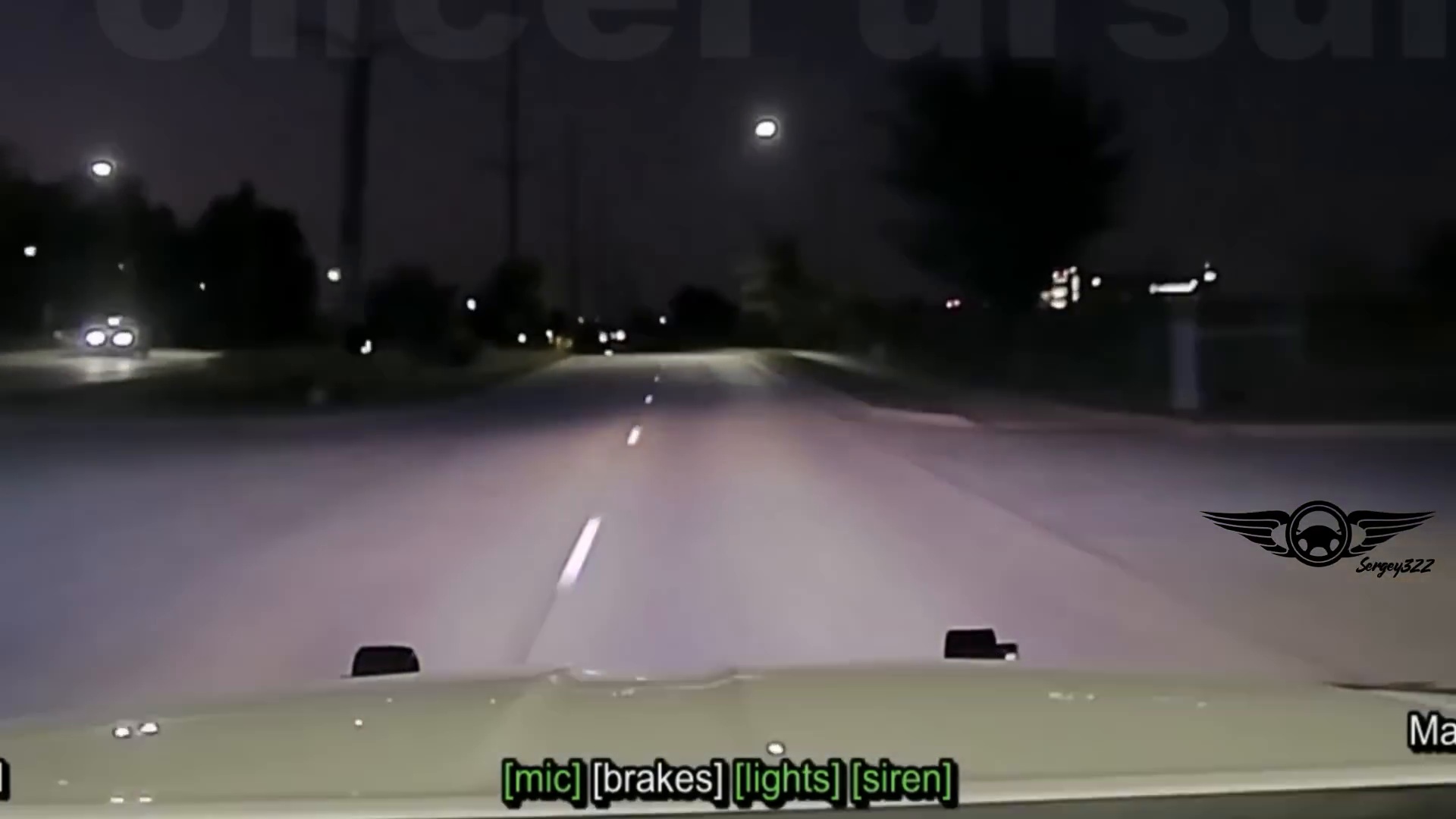
The supplied dash-camera footage captures a nighttime Arkansas State Police pursuit involving a motorcycle traveling at extreme speed. The encounter begins after a trooper observes the motorcycle moving rapidly along a divided highway and initiates a pursuit. Almost immediately, the speed becomes the defining feature of the incident.
The original upload labels the motorcycle as stolen. Public research located several Arkansas cases involving stolen motorcycles, but the strongest court record matching the 150-plus-mph dashcam sequence is the 2009 pursuit involving Gabriel Coker and Arkansas State Police Trooper Brad Cartwright. Because the “stolen” detail is not established in the federal court opinions describing that pursuit, the rewritten title deliberately leaves that claim out.
The Court Record Describes a 102 MPH Initial Observation
In Coker v. Arkansas State Police, the Eighth Circuit said that at approximately 2:30 a.m. on February 12, 2009, Trooper Brad Cartwright was monitoring traffic when he saw Gabriel Coker traveling at high speed on a motorcycle. Cartwright clocked the motorcycle at 102 mph and also observed that it did not have a license plate.
Cartwright activated his emergency lights and siren and began following. The dashcam footage became unusually important years later because federal judges relied on the recording when resolving factual disputes about what happened during the pursuit.
The Speed Climbs Beyond 150 MPH
The federal appellate opinion states that Coker's speed exceeded 150 mph during the approximately three-minute pursuit. A district-court order was even more specific, saying Cartwright clocked the motorcycle at 152 mph and noting that Coker himself estimated during a deposition that he probably reached about 150.
At those speeds, the distance covered every second is enormous. A rider has little time to react to another vehicle changing lanes, debris, a curve or a change in pavement. The pursuing trooper faces the same compressed reaction window while also trying to maintain visual contact and operate emergency equipment.
The Rider Appears to Stop, Then Accelerates Again
One of the unusual details documented by the court is that Coker slowed several times as though he might surrender, only to accelerate again. The district court described the patrol car pulling alongside the motorcycle twice while emergency lights and siren were operating.
That pattern can make a pursuit especially difficult to read. An officer may prepare for a stop, only to have the fleeing vehicle accelerate again. Each apparent surrender can therefore become another sudden transition back to highway speed.
The Motorcycle Moves Toward the Median
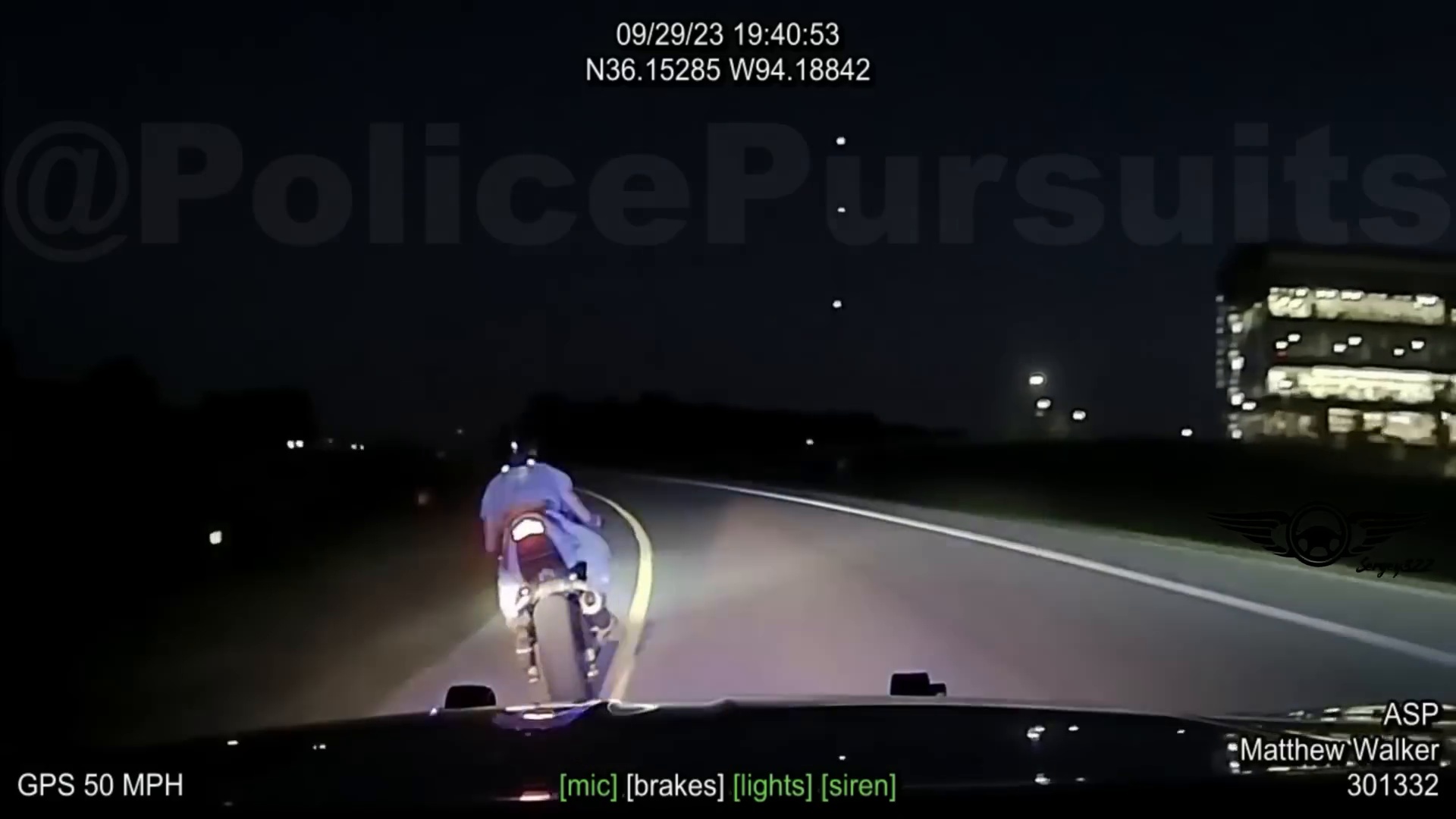
Eventually, the motorcycle slows and moves toward the left side of the highway. According to the court record, Coker then enters the median in an apparent effort to cross to the opposite roadway. The maneuver changes the danger dramatically because traffic on the other side is traveling in the opposite direction.
The appellate opinion later emphasized that the dashcam clearly captured this part of the incident. Where Coker's later account conflicted with what the recording visibly showed, the court relied on the video for the events that remained within the camera's view.
The Trooper Makes Contact With the Motorcycle
As Coker attempts to move across the highway area, Cartwright's patrol vehicle makes contact with the motorcycle. The district court described the first contact as a low-speed bump to the rear tire that did not immediately cause Coker to lose control.
The pursuit then continues into an even more dangerous position. The appellate court said Coker began traveling the wrong direction on an on-ramp. Cartwright again used the patrol vehicle, and the motorcycle tipped over, sending Coker to the ground.
The Dashcam Captures the Crash and Immediate Aftermath
The Eighth Circuit specifically noted that the events through the motorcycle going down and Coker moving toward the roadside were captured by the patrol-car camera. That makes the video more than an internet pursuit clip. It later became evidence in federal litigation over what happened during and after the arrest.
The recording shows why courts often give clear video evidence substantial weight when parties later provide conflicting descriptions of an event. A camera may not answer every question, but it can establish movements, positions and timing that are otherwise difficult to reconstruct years later.
What Happens Off Camera Becomes Legally Important
After Coker leaves the camera's clear view, the accounts of the arrest diverge. Coker alleged that Cartwright used excessive force, including kicking him and striking him with a metal flashlight. Cartwright described force used while trying to subdue a resisting suspect.
Because the key post-crash actions were outside the dashcam's visual field and the audio did not clearly resolve what happened, the federal appellate court concluded that genuine factual disputes remained regarding portions of the arrest.
The Lawsuit Reaches the Eighth Circuit
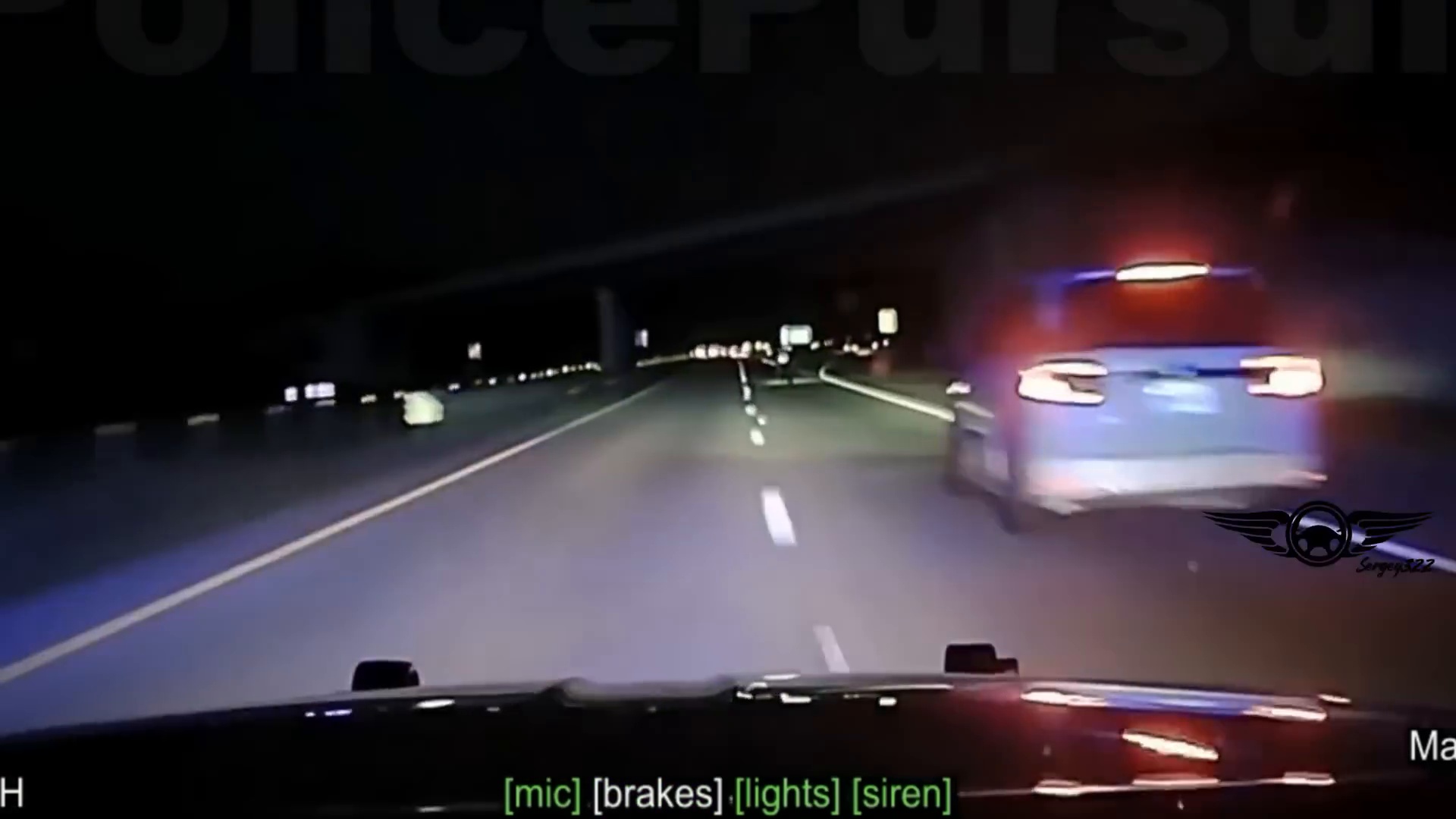
Coker sued the Arkansas State Police and Trooper Cartwright under federal civil-rights law. The district court initially granted summary judgment for the defendants. On appeal, the Eighth Circuit affirmed some parts of that ruling but reversed in part and sent portions of the case back for further proceedings.
The appellate court's 2013 opinion is valuable for verifying the pursuit because it provides a detailed chronology: the 2:30 a.m. observation, 102 mph initial speed, missing license plate, pursuit exceeding 150 mph, repeated apparent attempts to stop, median crossing and the patrol-car contact with the motorcycle.
Why the Stolen-Motorcycle Claim Is Treated Carefully
The title attached to the supplied upload adds the word “stolen.” However, the Coker federal opinions describing the 150-plus-mph pursuit focus on the motorcycle being untagged and do not identify it as stolen. Separate Arkansas news reports exist about stolen motorcycles, but they do not provide enough matching detail to safely merge those incidents with this dashcam sequence.
For that reason, this article does not state as fact that the motorcycle in the verified Coker pursuit was stolen. Matching a viral upload requires more than repeating its caption, particularly when court records provide a more precise account.
Extreme Speed Changes the Stakes
A motorcycle traveling around 150 mph covers roughly the length of a football field in well under two seconds. At that pace, even a small steering input or unexpected vehicle movement can have severe consequences.
The danger also extends beyond the rider. Other drivers may see emergency lights but have almost no time to understand where the motorcycle is coming from. Crossing a median and moving toward opposing traffic multiplies that risk. The court record repeatedly referenced the danger created by Coker's speed and manner of travel.
Pursuit Video Can Become Courtroom Evidence
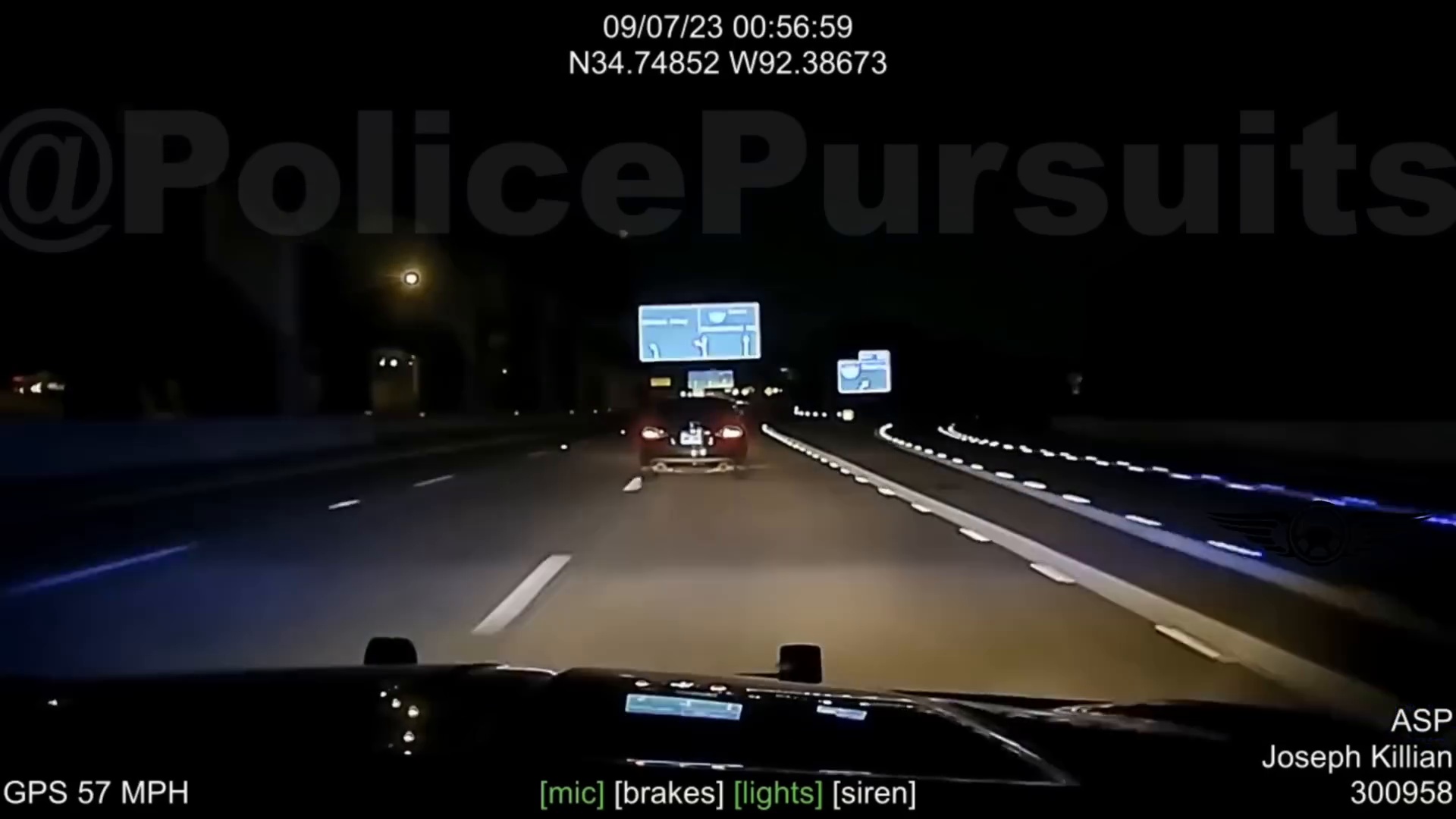
Police dashcam footage is often consumed as entertainment online, but this case demonstrates its evidentiary role. The federal courts used the recording to evaluate factual assertions from both sides. The Eighth Circuit specifically invoked the principle that a court need not accept a version of events that is clearly contradicted by reliable video evidence.
At the same time, the case also demonstrates the limits of cameras. Once the arrest moved outside the camera's useful view, the video could no longer settle the competing accounts. The court then had to treat those disputed events differently.
The Chase Is Short but Exceptionally Intense
The verified pursuit lasted only about three minutes, according to the appellate record. Yet within that short period the motorcycle moved from 102 mph to more than 150 mph, appeared to slow for police more than once, accelerated again, crossed toward the opposite highway and ultimately went down after contact with the patrol vehicle.
That compressed sequence explains why the footage feels so intense despite its relatively short duration. There is almost no period in which the risk remains stable.
A Viral Upload and a Legal Record Tell Different Stories
The online title emphasizes spectacle: 150 mph, a stolen motorcycle and Arkansas State Police. The federal court record provides a more disciplined chronology. It identifies the rider and trooper, gives the date and initial speed, describes the lack of a plate and explains the maneuvers that eventually ended the pursuit.
Where those two versions overlap, the evidence is strong. Where the viral title adds a detail that the matched court record does not establish, the responsible choice is to leave that detail unconfirmed.
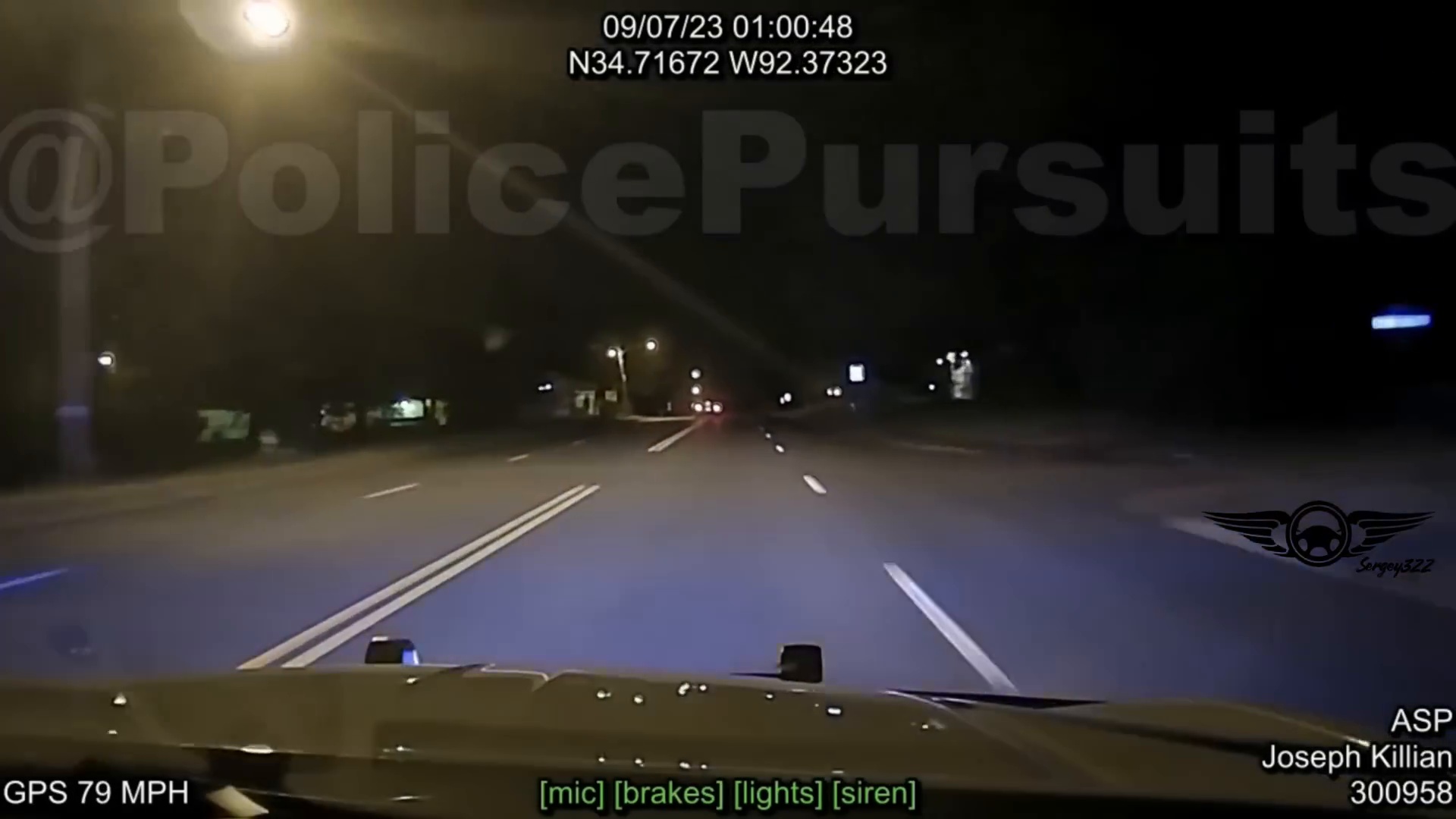
The Full Pursuit Gives the Speed Context
A speed figure such as 150 mph is difficult to appreciate in isolation. The dashcam makes it tangible. Highway signs, other vehicles and lane markings disappear behind the motorcycle at a rate that makes the limited reaction time obvious.
The footage also shows that the pursuit is not simply a straight-line race. The repeated slowing, acceleration and final movement across the highway create additional hazards beyond raw speed.
Watch the Complete Pursuit
The headline number is extraordinary, but the complete recording shows why the chase became dangerous long before it ended. From the first high-speed observation to the median maneuver and final contact, each stage narrows the margin for error.
Comments (0)
Loading comments...
May You Like

A Late-Night Escape Attempt Ends With Officers Making an Arrest

Chrysler 300 Gapped Cops at 150+ MPH | Police Dashcam

Police Chase Ends as Driver Hits Stoplight, Crashes Into West Towne Mall












