
Mother Discovers the Horrifying Truth About Her Daughter
Mom Learns Her Daughter Is Behind a Double Killing
Current case status: Julia Egler pleaded guilty on September 25, 2026 to two counts of second-degree murder in the deaths of Kelley McCollom and Matthew Szejnrok. She was sentenced to 50 years in Florida state prison, with parole eligibility reported after 25 years.
A 911 Call That Presented a Terrifying Story
Just after midnight on July 7, 2024, Palm Bay police received a frantic 911 call from 16-year-old Julia Egler. She reported that an unknown man had broken into the family home on Benchor Road NW. According to the probable-cause affidavit, Egler said the intruder smashed a rear sliding-glass door with a hammer, while she hid in her bedroom with the dogs. Her account sounded like the beginning of a home-invasion investigation.
When officers arrived, however, they encountered a scene that immediately made the call far more serious. Inside the home were the bodies of Egler's mother, Kelley McCollom, and McCollom's boyfriend, Matthew Szejnrok. Investigators said both had suffered gunshot wounds, and Szejnrok had also been stabbed. A silver .38-caliber revolver was later found outside, beneath the window of Egler's bedroom.
The supplied video combines body-worn-camera material, interview footage, family images and later explanatory material. It captures an extraordinary transformation in the investigation: officers initially speak to Egler as a surviving family member who says an intruder killed two people, but inconsistencies gradually turn police attention toward the person who made the emergency call.
The original upload title describes a mother discovering that her daughter is a “psycho killer.” That phrase is sensational and implies a psychiatric conclusion that neither a video title nor body-camera footage can establish. This article therefore uses the documented criminal conduct and court record instead. As of September 25, 2026, the case is no longer merely an allegation: Egler pleaded guilty to two counts of second-degree murder and received a 50-year prison sentence.
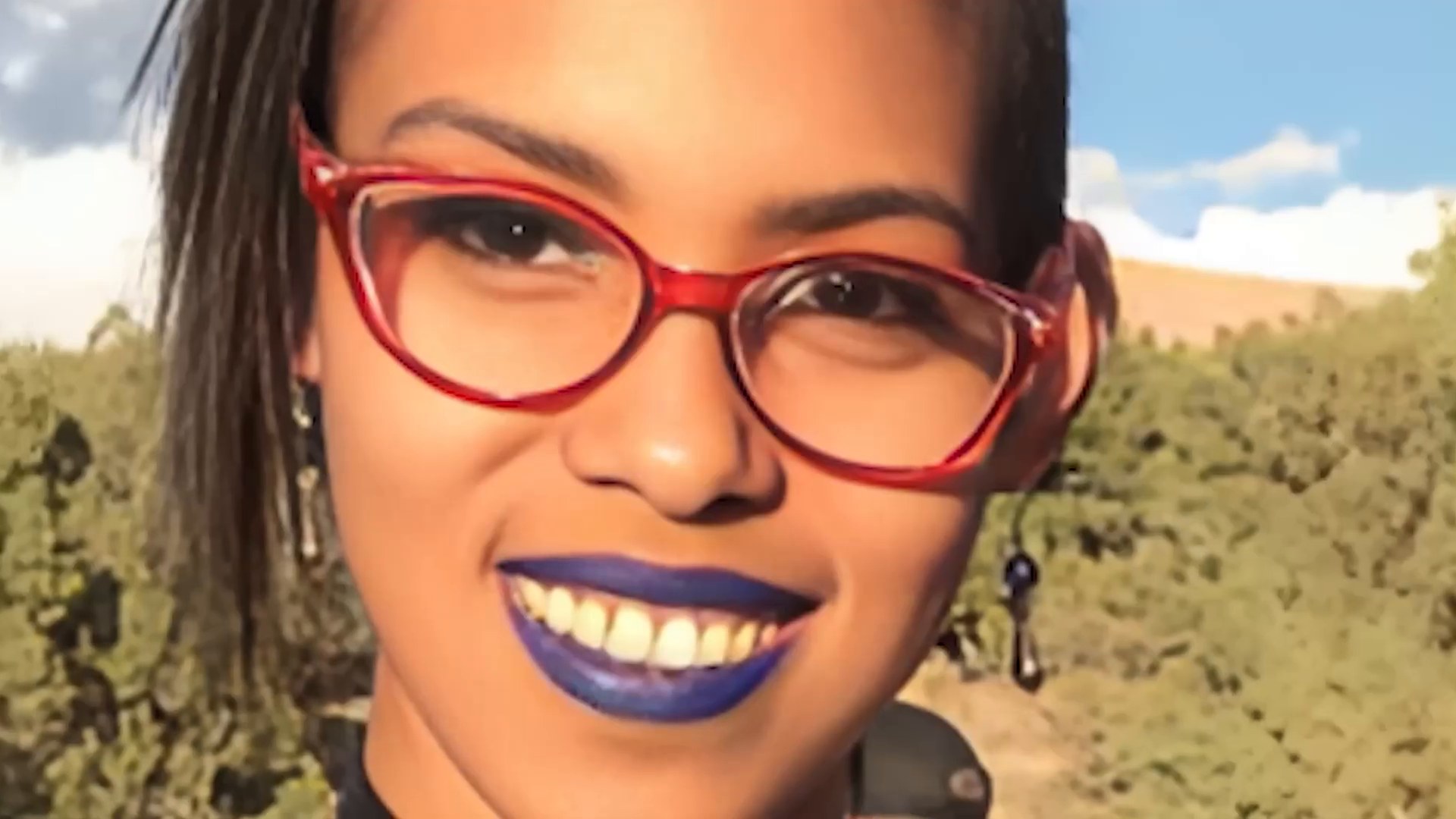
The Story Egler Initially Gave Police
The probable-cause affidavit provides a detailed version of the story Egler initially told investigators. She claimed she had been home alone when an unknown man began breaking into the residence. She said she grabbed the dogs, locked herself in her bedroom and left her phone elsewhere in the home.
According to that account, Egler heard noises while remaining behind the bedroom door. She said her mother and Szejnrok later returned and that she heard them talking, followed by screaming and several gunshots. Egler claimed she stayed hidden for a significant period before coming out and discovering the two victims.
On its face, the account positioned Egler as a frightened witness. But homicide investigators do not evaluate a statement only by how emotional it sounds. They compare it with physical evidence, timelines, surveillance footage, blood patterns, weapons, electronic evidence and the internal consistency of the witness's own answers.
The supplied footage shows officers and detectives questioning Egler while trying to understand what happened. At the house, the questions are exploratory. Investigators want to know where she was, what she heard, why doors were damaged and how long she remained hidden. Egler continues to describe an outside intruder.
News 6 later reported that the body-camera footage captures Egler saying she and her mother had argued frequently and expressing regret that she had not told her mother she loved her. At that stage, officers were still working through the story she had presented.
Evidence Begins to Challenge the Intruder Account
The home itself became a source of contradictions. Investigators documented a shattered rear sliding-glass door and damage inside the residence, but they also found evidence that did not fit comfortably with Egler's version of events.
The probable-cause affidavit states that bloody footwear impressions were found at the scene and that investigators developed evidence connecting those impressions to Egler's shoes. The gun was recovered outside beneath her bedroom window. Detectives also examined the exterior security-camera system and the timing of events.
A staged scene can initially resemble the crime it is meant to imitate. Broken glass suggests forced entry. A damaged door suggests someone searched or forced access to a room. But investigators examine the direction of breakage, where objects land, whether valuables are actually missing, and whether the supposed intruder appears on cameras or leaves other evidence.
The supplied footage shows how the investigation moves from accepting information to testing it. Questions become more specific. Detectives return to details and ask Egler to explain the same sequence from different angles. This is not unusual in a major-crime interview. Repetition can reveal whether a person's account remains consistent when the interviewer changes the order or focuses on a detail that previously received little attention.
According to Palm Bay police and the later charging documents, the intruder story did not survive that scrutiny.
What Investigators Say Actually Happened
The State Attorney's Office later summarized the case after a Brevard County grand jury indicted Egler on two counts of first-degree premeditated murder. Prosecutors said Egler fabricated the burglary account and ultimately admitted that she had killed both victims after they returned home.
Investigators alleged that Egler entered her mother's bedroom while McCollom and Szejnrok were away, obtained a .38-caliber revolver and a kitchen knife, and waited for them. According to the arrest affidavit, when they returned, Egler greeted them and opened fire.
Police said McCollom was shot first. Szejnrok was also shot and fled toward the bathroom. Investigators said Egler followed him and, after the ammunition was exhausted, stabbed him. The affidavit described multiple shell casings and injuries consistent with the violent sequence investigators reconstructed.
These details should be distinguished from what the body camera itself directly shows. The camera records the aftermath and the questioning. It does not provide a visual recording of the killings. The reconstruction comes from physical evidence, Egler's statements to investigators and the probable-cause affidavit.
That distinction mattered while the case was pending because an affidavit describes the prosecution's evidence, not a final verdict. The legal status changed dramatically on September 25, 2026, when Egler entered guilty pleas to two reduced counts of second-degree murder as part of a plea agreement.
A Family Conflict Becomes Part of the Investigation
Investigators also examined conflict inside the household. Public reporting based on police records said there had been disputes between Egler and McCollom, including conflict over Egler's gender identity and McCollom's relationship with Szejnrok, who was considerably younger than McCollom.
Those issues became part of the prosecution's description of motive, but motive should not be oversimplified into a single argument. Family relationships can contain years of conflict, and the existence of a disagreement does not explain by itself why someone commits homicide. Police records and later reporting describe Egler as reaching a “boiling point,” but that phrase reflects investigators' reconstruction rather than a simple cause-and-effect formula.
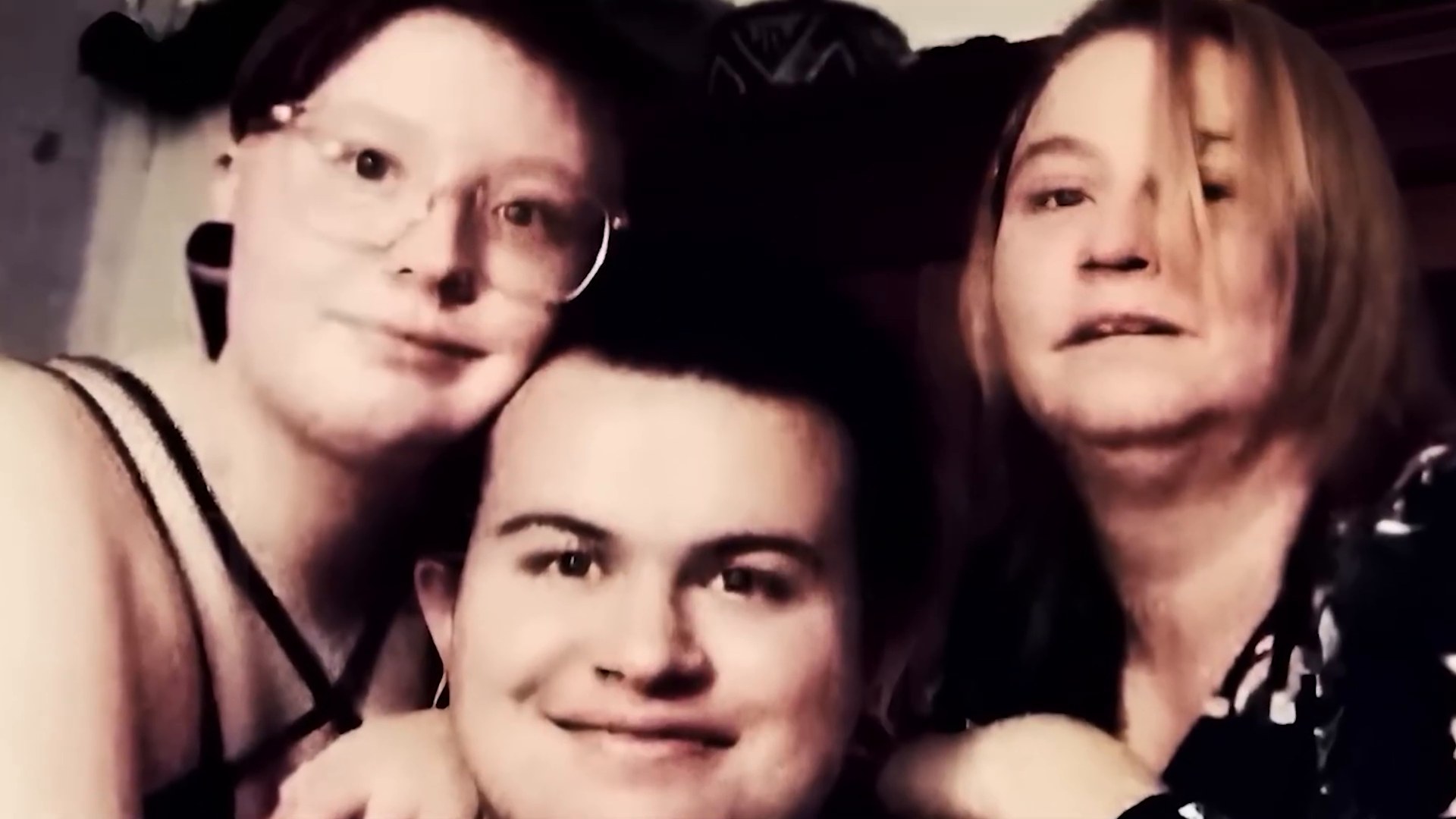
The video includes family photographs that make the case especially unsettling. They show ordinary moments that existed before the crime: people standing together, posing for pictures and occupying the same family world. Those images contrast sharply with the interview-room footage that follows.
For readers, it is important not to turn identity issues into a generalized explanation for violence. Nothing about being transgender predicts violent behavior. The relevant facts are specific to this defendant, this household and the conflicts investigators documented. The criminal responsibility rests on the acts Egler ultimately admitted in court.
From Witness to Suspect in the Interview Room
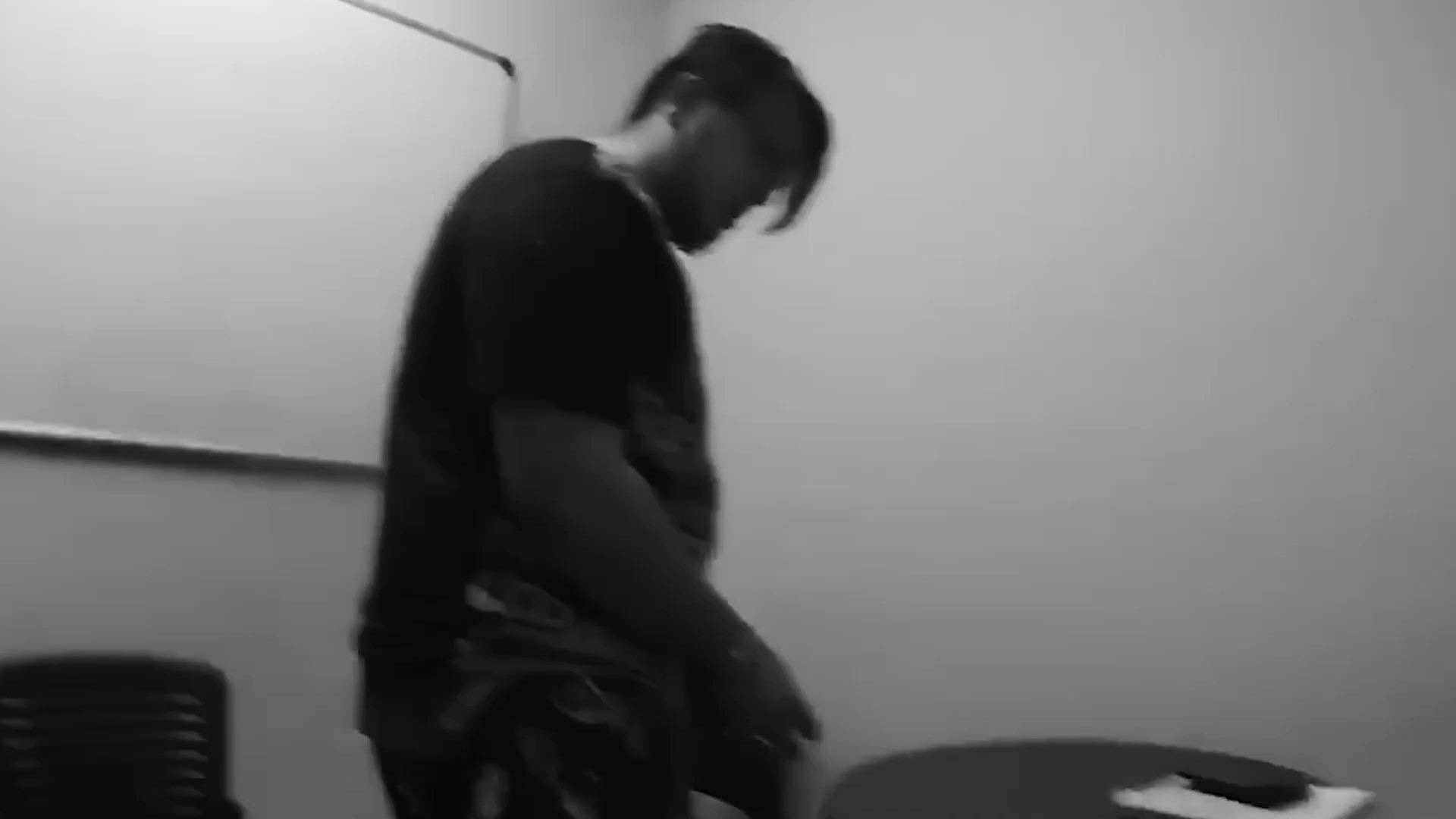
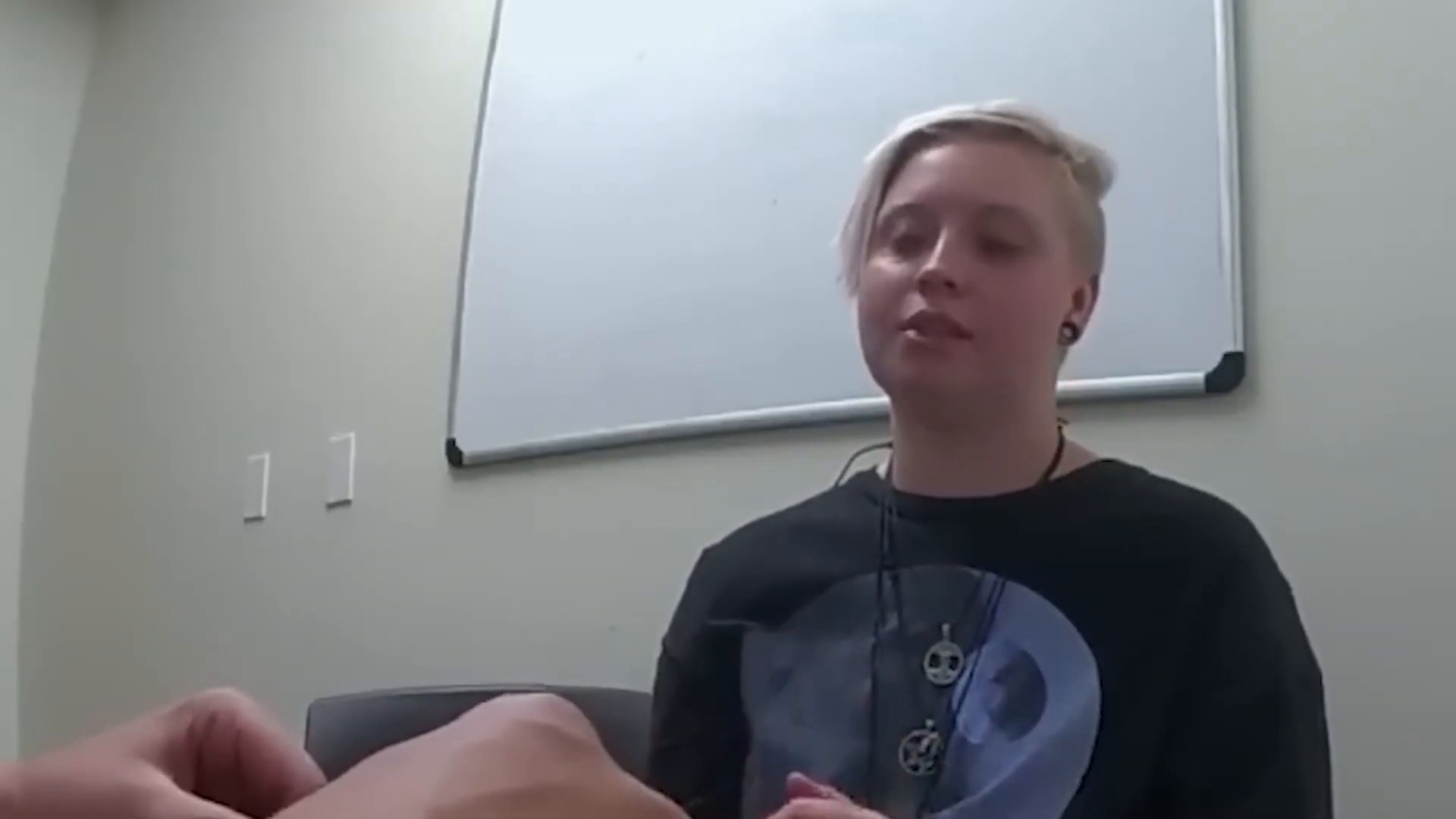
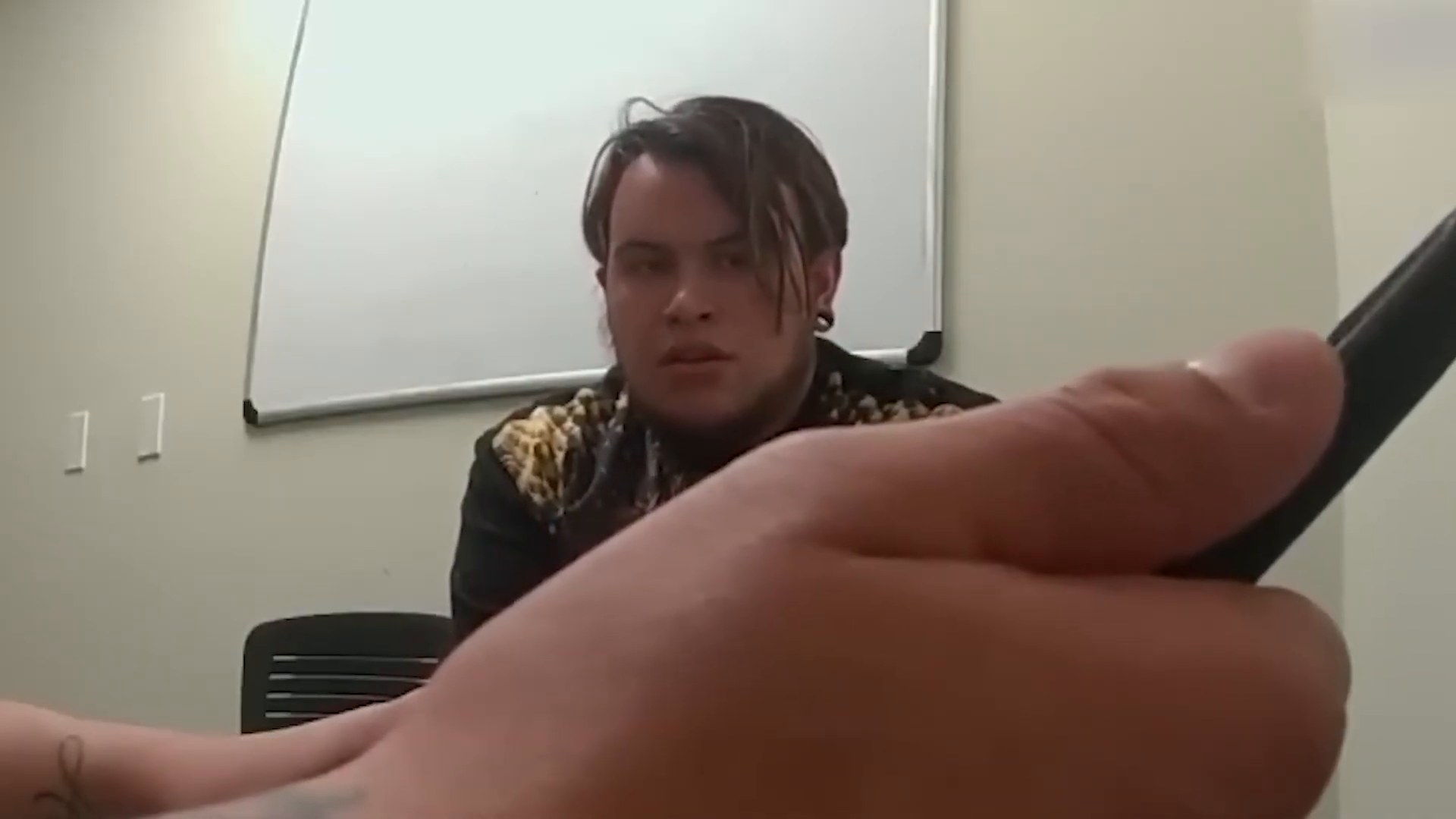
The interview-room portions of the supplied video show the investigation entering a different phase. The setting is plain: a table, chairs, neutral walls and detectives working through the account. Egler is no longer simply standing outside the house answering immediate questions about what she saw.
Interrogations often become decisive when investigators already possess facts the interviewee does not realize they know. Rather than reveal every contradiction immediately, detectives may allow a person to repeat an account, then introduce evidence gradually. The goal is to determine whether the story changes when confronted with facts that cannot be easily explained away.
News 6 reported in 2026 that Palm Bay police released body-camera and interrogation footage showing the questioning. The defense later objected strongly to the public release of those recordings before trial, arguing that widespread exposure could make it harder to seat a fair jury.
The defense also challenged the circumstances surrounding Egler's waiver of rights. Attorneys argued that detectives improperly influenced a 16-year-old suspect by discussing the different consequences associated with juvenile proceedings. Those arguments became part of pretrial litigation in 2026.
A judge rejected at least one effort to move the case back to juvenile court. Egler continued to face prosecution as an adult, and prosecutors maintained two first-degree premeditated murder charges until the plea agreement reached in September 2026.
Why the Legal Distinctions Matter
For more than two years, descriptions of the case needed to use words such as “accused,” “charged” and “police say.” A grand-jury indictment is a formal criminal accusation, not a conviction. Even a detailed confession described in an affidavit does not eliminate a defendant's right to challenge evidence and require the state to prove its case.
That is why the latest court outcome matters so much. On September 25, 2026, Egler, then 18, pleaded guilty to two counts of second-degree murder. The plea agreement reduced the charges from the two first-degree premeditated murder counts on which she had originally been indicted.
Brevard Circuit Judge Michelle Naberhaus adjudicated Egler guilty and imposed a total sentence of 50 years in state prison. Contemporary reporting states that the plea structure allows for the possibility of parole after 25 years. If parole were eventually granted, supervision and continuing mental-health requirements would follow.
The sentencing happened only one day before this article was prepared, making it the most current confirmed legal development in the case. It replaces the earlier status reflected in much of the 2024, 2025 and early-2026 reporting, when Egler still faced trial and a potential life sentence.
The Sentencing Hearing Changes the Story's Ending
At sentencing, Egler addressed the court and expressed regret. FOX 35 and Florida Today reported that she told the judge she had not planned what she did and described herself as a child who made a devastating decision. She said she remained haunted by the faces of the people she killed.
The victims' family members also addressed the court. Their statements focused on the future that had been taken away, particularly from Szejnrok, who was 22. Sentencing hearings often bring together two narratives that criminal filings keep separate: the defendant's explanation and remorse, and the long-term impact on the people left behind.
The court's sentence does not erase those competing experiences. It establishes the legal consequence. Egler will spend decades in prison under the agreement. Because she was a juvenile at the time of the offenses, the sentencing framework differs from the punishments available for an adult offender in a comparable first-degree murder case.
The plea also means there will be no jury trial testing the prosecution's original first-degree premeditation theory. Instead, the case ends through negotiated guilty pleas to second-degree murder. That difference should be reflected accurately in any current account: Egler was initially indicted for first-degree premeditated murder but ultimately pleaded guilty to second-degree murder.
The Mother at the Center of the Case
The viral title frames the story around a mother discovering something terrible about her daughter. In reality, Kelley McCollom never lived to experience the investigation's conclusion. She was one of the two people killed inside the Palm Bay home.
The “mom finds out” framing is therefore more accurately understood through the family photographs and the broader revelation surrounding the case, rather than as a literal moment in which McCollom is shown learning that Egler is responsible. The footage documents police discovering the truth and confronting Egler's account after McCollom's death.
That correction matters because online titles often compress chronology for emotional effect. A compelling headline should not create a scene that did not occur. The factual story is already powerful: a teenager called 911 claiming an intruder had killed two people, investigators found contradictions, and police concluded that the caller herself had committed the killings.
The family images in the video provide context but should not be treated as evidence of what happened inside the home on July 7. They show relationships before the crime. The probable-cause affidavit, forensic evidence, police interviews and eventual guilty pleas establish the criminal case.
What the Footage Shows and What the Records Confirm
The supplied video provides visual access to the aftermath of the crime and the investigative process. It shows police at the residence, Egler interacting with officers, later questioning in an interview room, family photographs and material illustrating communications and relationships.
Official and reliable external sources provide the facts that cannot be established from a frame alone. The Palm Bay Police investigation and probable-cause affidavit identify the victims, location and evidence. The State Attorney's Office confirms the original grand-jury indictments. Local reporting documents the release of body-camera and interrogation footage and the defense challenges that followed.
Most importantly, September 2026 court reporting establishes the final current outcome: guilty pleas to two second-degree murder counts and a 50-year sentence.
Using both sources prevents two common errors. The first is treating a dramatic video edit as though every narration choice is a proven fact. The second is relying on old reporting that still describes charges as pending even after the case has been resolved.
The court outcome is particularly fresh. Earlier articles saying Egler “faces” two first-degree murder charges are historically accurate for the period in which they were written, but they no longer describe the case's present legal status.
A Case That Took More Than Two Years to Resolve
The killings occurred in July 2024. The grand-jury indictments followed, and Egler was prosecuted as an adult despite being 16 at the time of the crime. For much of the next two years, the case moved through pretrial litigation.
When police video became public in 2026, the case gained renewed attention. Viewers could see portions of the questioning that had previously existed mainly in written police records. That publicity became a legal issue of its own when the defense argued that the release threatened Egler's ability to receive a fair trial.
Those disputes never reached a jury verdict. The September 2026 plea agreement changed the trajectory. By accepting second-degree murder convictions and a 50-year sentence, Egler avoided the uncertainty of trial on two first-degree murder counts and the possibility of a life sentence.
For the victims' families, however, the legal endpoint does not restore what was lost. Kelley McCollom and Matthew Szejnrok remain at the center of the case, even when the public focus shifts toward the unusual circumstances of the suspect, interrogation footage or plea negotiations.
Why the Full Sequence Is More Revealing Than the Headline
The supplied video is most effective when watched as an investigation unfolding rather than as proof of a sensational label. The opening police response establishes the supposed home-invasion story. The questioning reveals the details Egler wants officers to believe. Later material exposes contradictions and shows investigators applying pressure to the account.
Family photographs make the case personal. Interview footage shows how a story can change once detectives have physical evidence. The later court developments provide the conclusion that the body camera itself could never supply.
Calling someone a “psycho killer” may attract attention, but it adds little factual value. The verified record is stronger: Egler fabricated a home-invasion story, investigators concluded she killed her mother and her mother's boyfriend, she was indicted on two first-degree murder counts, and on September 25, 2026, she pleaded guilty to two counts of second-degree murder and was sentenced to 50 years.
That sequence needs no invented diagnosis and no exaggeration. It is a documented double homicide followed by a lengthy investigation, contested pretrial proceedings and a plea that finally establishes the current legal outcome.
The Final Chapter, for Now
The body-camera footage begins with uncertainty. Officers enter a home where two people are dead and listen to a teenager describe an unknown intruder. They do not yet have the complete story. Their job is to preserve the scene, test the account and follow the evidence.
The evidence eventually pointed back toward the caller. What began as a reported burglary became a double-homicide investigation centered on Julia Egler. The state initially pursued first-degree premeditated murder charges, while the defense challenged aspects of the interrogation and the public release of police recordings.
More than two years later, the legal uncertainty has largely ended. Egler's September 25, 2026 guilty pleas mean the central question of criminal responsibility is no longer pending. The 50-year sentence gives the case a definitive court outcome, even though future parole proceedings could eventually determine how much of that term she serves.
The footage remains valuable because it captures the stage before anyone outside the investigation knew how the case would end. Viewers can watch detectives encounter the original story, compare it with the scene and move toward the truth that later became part of the court record.
It is a reminder that the most dramatic moment in a homicide investigation is not always the arrest. Sometimes it is the gradual collapse of a story that initially seemed to explain everything.
Comments (0)
Loading comments...
May You Like

West Virginia Man Laughs at Police Officer and Ends Up Arrested

UCF Student’s Pronoun Dispute With Campus Police Escalates Into an Arrest

Neighborhood Grocery Store Suddenly Erupts Into Chaos












