Jadd Sarah Case Examined After Nurse Abused Incapacitated Patient
A documentary from EWU Bodycam examines the case of Jadd Gebrial Sarah, a former Tucson emergency-room nurse who sexually abused an incapacitated patient, according to public reporting. The video focuses on the investigation, the law-enforcement response and the consequences of the case.
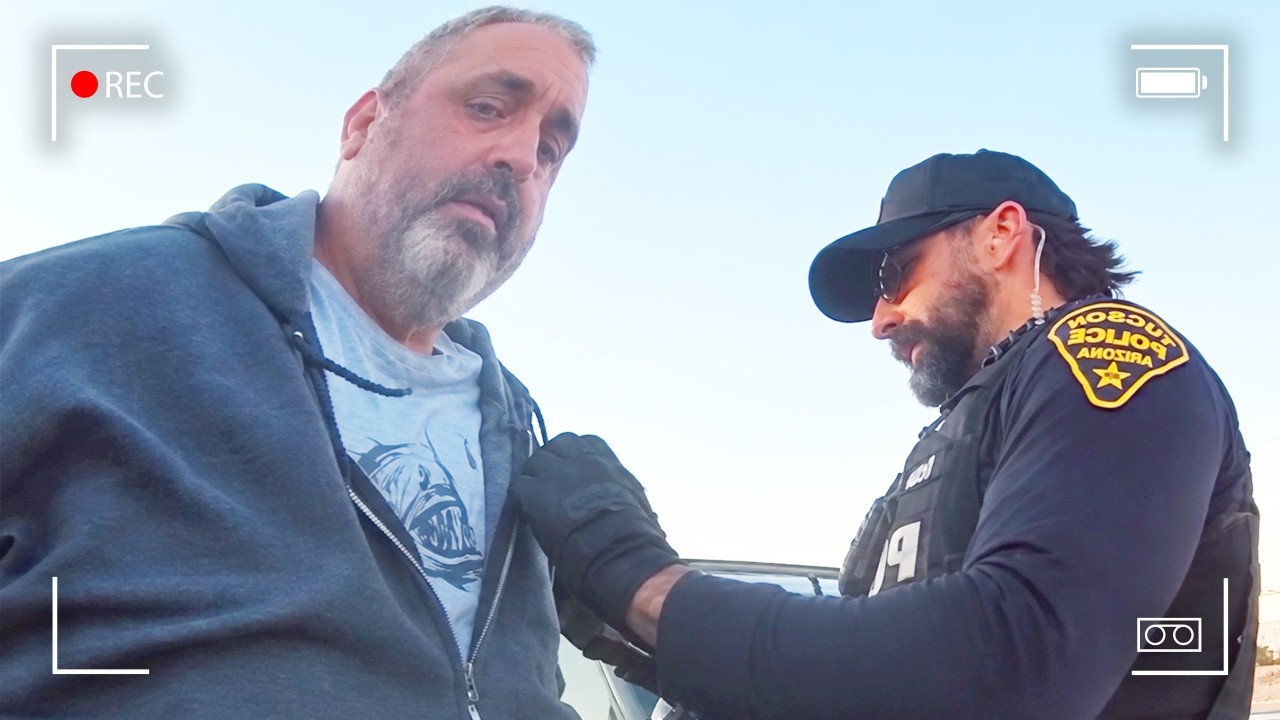
A Hospital Abuse Case Under Investigation
A new documentary examines the case of Jadd Gebrial Sarah, a former emergency-room nurse accused of sexually abusing an incapacitated patient at Banner–University Medical Center Tucson. The video follows the investigation into an incident that was discovered through hospital monitoring equipment and later reported to law enforcement.
The case drew attention because the patient was receiving treatment for seizures and was unable to protect herself or clearly communicate what was happening. Public reporting says Sarah entered the patient’s room while she was under medical care and was captured on camera engaging in abusive conduct.
How the Conduct Was Discovered
According to accounts of the investigation, the patient was connected to an electroencephalogram monitoring system, commonly known as an EEG, because of her seizures. Such systems record brain activity and may also include cameras that allow medical personnel to watch patients remotely for signs of distress or medical changes.
That monitoring system became central to the case. A staff member reportedly observed activity in the patient’s room and alerted hospital officials, who contacted police. Investigators later reviewed the footage and gathered additional evidence, including information from the patient and material collected during the investigation.
The Charges and Plea Agreement
Sarah faced charges including sexual abuse, aggravated assault and abuse of a vulnerable adult. The allegations involved a patient who was affected by seizures, medication and the medical circumstances that had brought her to the emergency department.
Public reporting says Sarah ultimately pleaded guilty to a single sexual-abuse charge. In June 2026, he was sentenced to 30 days in jail, three years of probation and 50 hours of community service. He also surrendered his nursing license, ending his ability to continue practicing as a nurse.
Why the Case Matters to Patients and Hospitals
The case raises basic questions about the safeguards hospitals use when patients are unconscious, sedated, confused or otherwise unable to consent. Emergency departments routinely care for people who cannot independently monitor their surroundings, making staff access and observation procedures an important part of patient protection.
Those protections generally include controlled access to patient rooms, supervision of vulnerable patients, electronic records of staff activity and procedures for reporting suspected abuse. Monitoring technology can help identify misconduct, but it does not replace the need for clear rules, trained personnel and prompt action when a concern is raised.
What the Documentary Offers Viewers
EWU Bodycam presents the case as a documentary about public safety, investigations and law-enforcement procedures. Its intended audience includes viewers interested in criminal cases, hospital oversight and the way investigators respond when alleged abuse occurs inside a medical facility.
The program is built around the arrest and investigation rather than a broader examination of nursing practice. Viewers should distinguish between the video’s documentary presentation and the underlying court record, especially when assessing what was alleged, what investigators documented and what was resolved through the guilty plea.
The Broader Trust at Stake
Patients enter hospitals expecting medical workers to protect them at moments when they may be frightened, medicated or unable to speak for themselves. A criminal case involving a caregiver can therefore affect more than the people directly involved; it can also influence how patients and families view hospital safety.
For hospitals, allegations of abuse require two separate responses: protecting the patient immediately and preserving evidence for investigators. Reporting concerns quickly, separating the accused employee from patients and cooperating with law enforcement can determine whether misconduct is uncovered and whether a victim receives a meaningful path to justice.
Comments (0)
Loading comments...
May You Like

Everything Changed When Cops Asked About Weapons

911 Call Leads Police to a Disturbing Family Situation

High-Speed CHP Chase Ends When Spike Strips Stop Suspect