
Hospital Bathroom Discovery Leads to a Major Criminal Case
Hospital Bathroom Discovery Leads to a Major Criminal Case
A Late-Night ER Visit Takes an Unthinkable Turn
Around midnight on January 26, 2023, 19-year-old Alexee Trevizo arrived at the emergency department of Artesia General Hospital in Artesia, New Mexico, complaining of severe lower-back pain. According to court records, she denied being pregnant. Hospital staff nevertheless ordered laboratory testing, and a pregnancy test came back positive.
The supplied video focuses on the hospital response and the investigation that followed. It includes surveillance footage, police body-camera material and interviews with hospital employees. Those visual details correspond to the incident described in New Mexico court records, allowing the footage to be matched confidently to the Trevizo case.
The case has since become much more complicated than the first viral clips suggested. Trevizo was charged with first-degree murder and tampering with evidence, pleaded not guilty, and became the subject of years of litigation over what evidence prosecutors may use. In July 2026, the New Mexico Supreme Court issued a major ruling excluding statements she made to her physician while police were present.
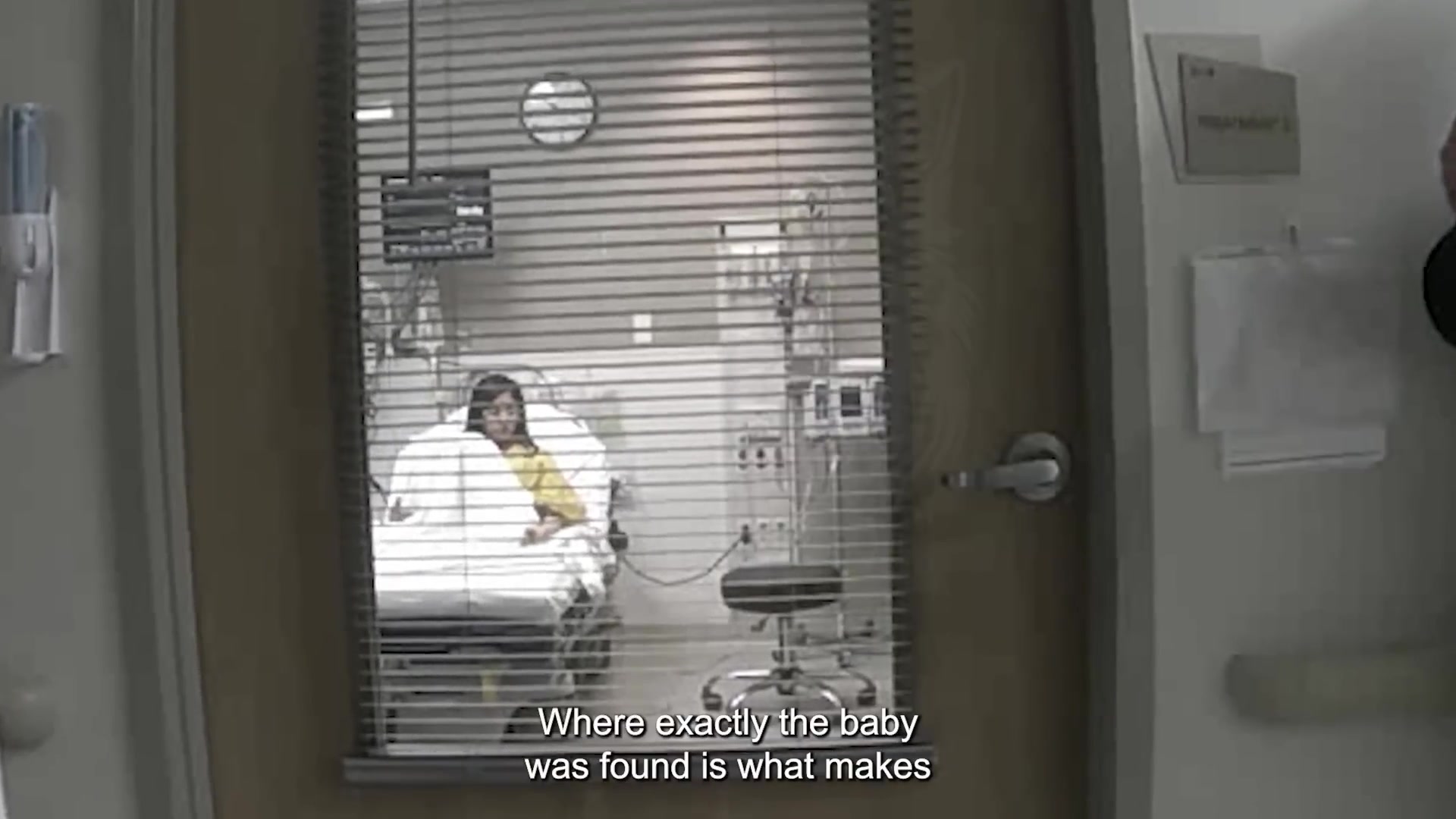
A Positive Pregnancy Test Changes the Medical Picture
Court filings state that hospital personnel ordered a serum pregnancy test after Trevizo arrived with severe pain. The test was positive. The exact sequence of what staff knew, when they knew it, and how they responded later became important not only to the criminal prosecution but also to separate civil litigation.
The defense has argued that the hospital's treatment and decisions contributed to the outcome. A wrongful-death lawsuit filed on behalf of the infant's estate alleged medical negligence by the hospital and physician. Those are allegations in a separate civil case and should not be confused with findings of criminal guilt or innocence.
What is undisputed in the Supreme Court record is that Trevizo went to a public emergency-room bathroom shortly before 1:39 a.m. on January 27. She remained inside for roughly 18 minutes before returning to her treatment room.
At that moment, hospital personnel still did not fully understand what had occurred behind the locked bathroom door.
Hospital Staff Make a Disturbing Discovery
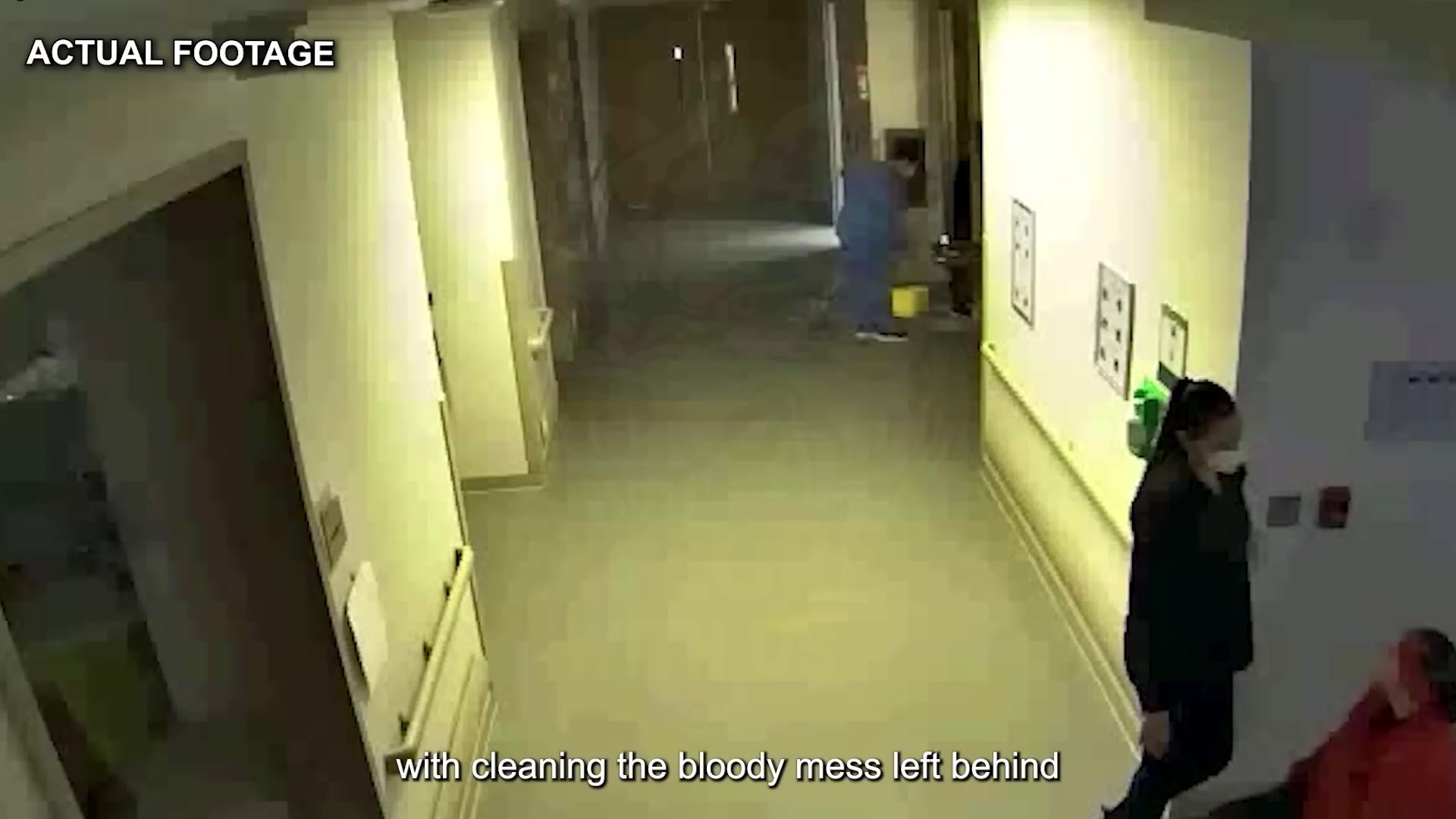
After Trevizo left the restroom, hospital staff noticed that the room required cleaning. According to the arrest-affidavit account later discussed in court proceedings and news coverage, a housekeeper encountered a trash bag that was unusually heavy.
The bag led staff to discover a newborn. Medical personnel were summoned, and the situation immediately changed from an emergency-room treatment case into a death investigation.
The infant was later identified in court records as Alex Ray Fierro. The discovery triggered contact with Artesia police and a series of conversations among medical personnel, officers, Trevizo and her mother.
Because this article concerns a death and a pending criminal prosecution, it is important not to treat the prosecution's account as a final verdict. Trevizo has pleaded not guilty, and key evidence in the case has been contested through New Mexico's appellate courts.
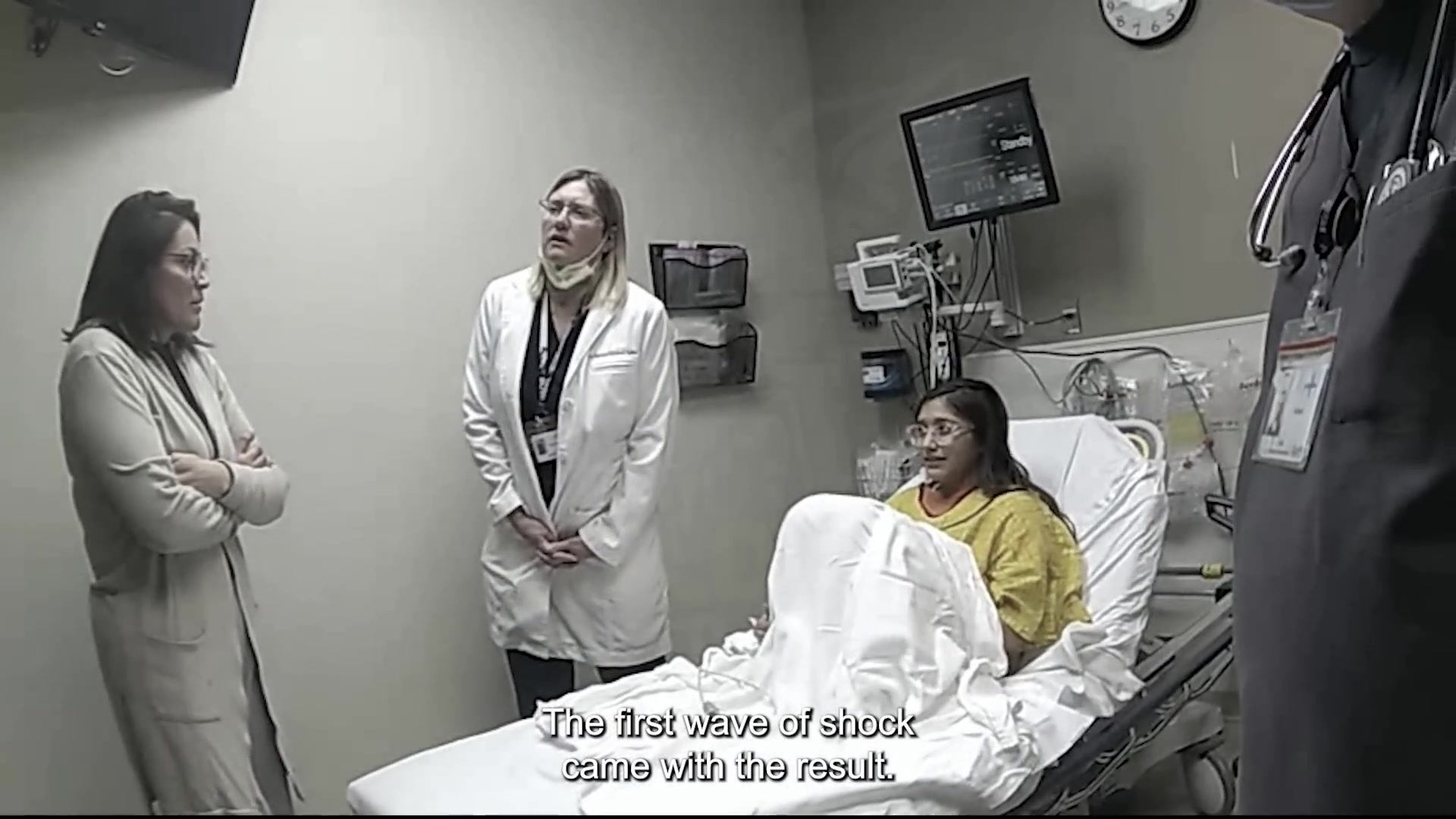
Police Arrive as Doctors Continue Treating Trevizo
The body-camera footage shows officers inside the hospital while Trevizo is still receiving medical care. That setting would later become central to one of the most consequential legal disputes in the case.
A treating physician confronted Trevizo about the newborn while police officers were present. The exchange was recorded on police body cameras. For millions of viewers who later encountered edited versions online, those statements appeared to be among the most direct pieces of evidence in the case.
But evidence that appears powerful on video is not automatically admissible in court. The defense argued that Trevizo's statements were protected by New Mexico's physician-patient privilege and that the presence of police did not amount to a voluntary waiver of that confidentiality.
The trial judge agreed with the defense on major portions of the evidence. Prosecutors appealed, sending the dispute to the New Mexico Supreme Court.
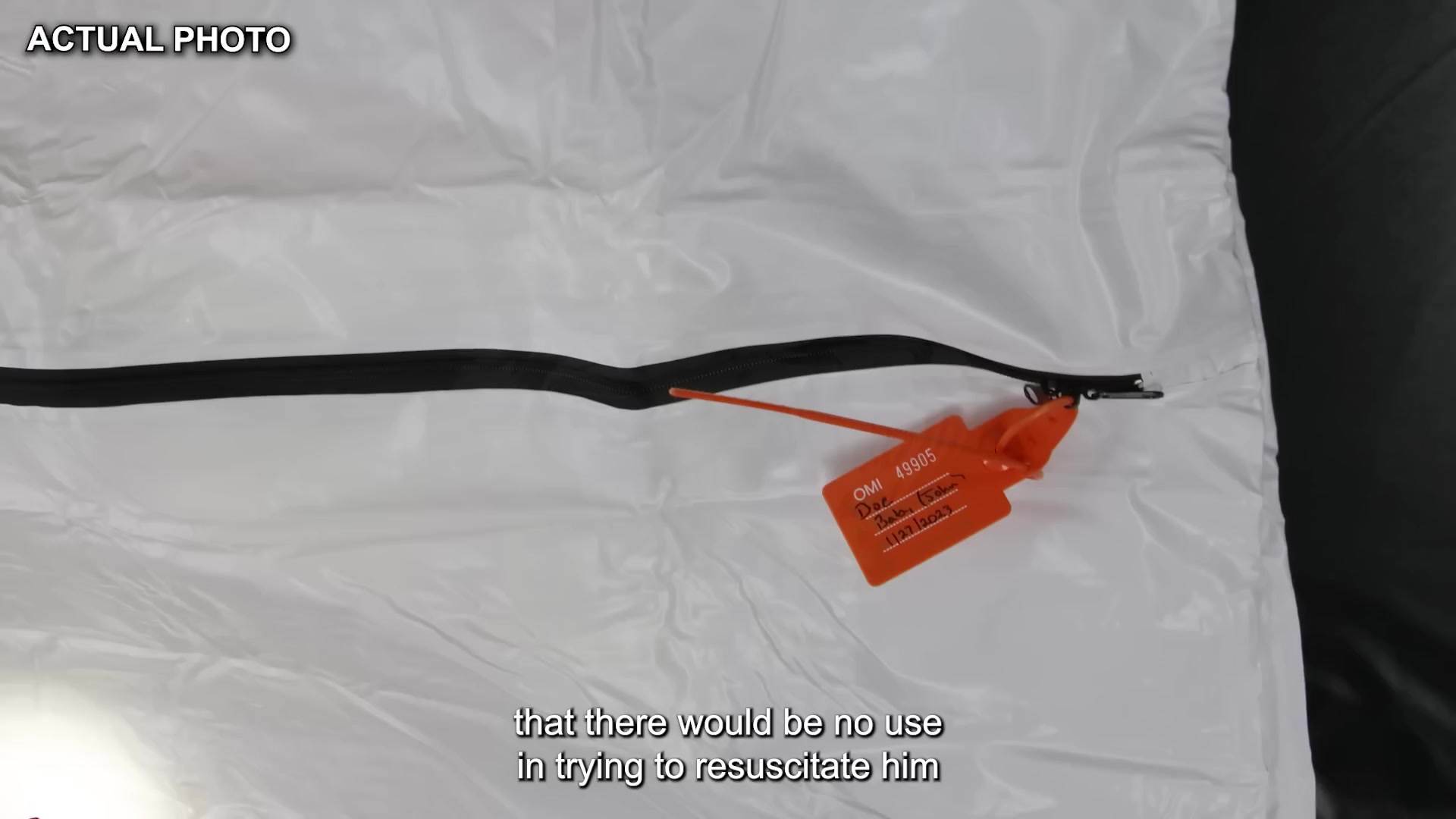
The Autopsy Becomes Central to the Criminal Allegations
An autopsy later concluded that the newborn had air in his lungs and listed the manner of death as homicide, according to reporting and court filings. Prosecutors relied on medical evidence as part of their theory that the infant had been born alive.
Trevizo's defense has disputed the prosecution's interpretation of what happened and has maintained that the baby was not viable or was stillborn. The civil lawsuit filed on behalf of the infant's estate also advanced allegations concerning hospital treatment and medication.
Those competing claims are precisely why a blog about an unresolved criminal case must distinguish between established events and disputed conclusions. It is established that Trevizo delivered in the bathroom and that hospital staff later found the newborn in a trash receptacle. Criminal responsibility remains a matter for the court process.
The case therefore cannot responsibly be summarized as though a jury has already decided the disputed medical and legal questions.
Trevizo Is Arrested Months Later
Authorities did not arrest Trevizo at the hospital that night. She was arrested in May 2023, several months after the January incident, and prosecutors charged her with first-degree murder and tampering with evidence.
She entered a not-guilty plea and was released pending trial under court-imposed conditions. The prosecution initially appeared likely to rely heavily on hospital surveillance, medical evidence and the statements captured while officers were present.
The defense challenged that evidence, arguing that medical confidentiality and constitutional protections had been violated. Those arguments eventually delayed the trial and transformed the case into a significant dispute over the boundary between emergency medical treatment and criminal investigation.
The procedural history matters because older coverage may describe a trial date or evidence posture that is no longer current.
The Hospital Statements Become the Center of an Appellate Fight
The most important recent development arrived in 2026. New Mexico's highest court considered whether statements Trevizo made to her physician could be used by prosecutors when police officers were standing in the hospital room.
The State argued that confidentiality had been waived because other people, including officers and Trevizo's mother, were present. The defense argued that there was no voluntary waiver and that the conversation remained part of medical treatment.
On July 30, 2026, the New Mexico Supreme Court unanimously affirmed the district court's suppression of those statements. The court concluded that physician-patient confidentiality remained in effect and that Trevizo had not voluntarily waived the privilege.
That ruling does not declare Trevizo innocent. It determines what evidence prosecutors are permitted to present. The distinction between an evidentiary ruling and a verdict is crucial.
Why the 2026 Supreme Court Ruling Matters
The ruling substantially affects the prosecution because the hospital-room exchange became one of the most widely circulated pieces of footage associated with the case. A statement can be publicly known yet still be legally excluded from a criminal trial.
The Supreme Court's decision focused on medical confidentiality and the circumstances in which the statements were made. Trevizo was still a patient experiencing an unresolved medical emergency when the physician confronted her in the presence of law enforcement.
The justices rejected the idea that simply having police in the room automatically destroyed the privilege. According to the court's official announcement, there was no voluntary waiver allowing prosecutors to use the statements.
For viewers, this is an important reminder that body-camera footage and courtroom evidence are not the same category. Cameras can record an event accurately while rules of evidence still restrict whether a jury may hear or see particular material.
The Case Also Produced a Wrongful-Death Lawsuit
Separate from the criminal prosecution, litigation was filed against Artesia General Hospital and medical personnel concerning the newborn's death. The lawsuit alleges that medical negligence and medication decisions contributed to the outcome.
Those claims are disputed. They do not erase the criminal charges against Trevizo, just as the criminal charges do not establish that the hospital bears no responsibility. Civil and criminal cases use different legal standards and answer different questions.
The existence of parallel litigation has made the public narrative especially complicated. Prosecutors, defense attorneys, hospital representatives and civil litigants have advanced sharply different interpretations of the same night.
A careful account therefore has to resist the temptation to turn one side's filing into a settled fact.
The Video Shows Only Part of a Much Larger Legal Record
The supplied video is powerful because it allows viewers to see the hospital corridors, officers speaking with staff and the confusion that followed the discovery. But even a long video cannot contain the complete medical record, autopsy evidence, motions, appellate briefs and court rulings that now define the case.
The original title uses the word “teen,” but Trevizo was 19 at the time, a legal adult. For the rewritten title, this article avoids emphasizing age and instead focuses on the hospital discovery and the criminal case that followed.
That wording is also more appropriate for an unresolved prosecution. Trevizo is accused of first-degree murder and evidence tampering, but she has pleaded not guilty. No responsible account should describe those allegations as a final conviction.
The July 2026 Supreme Court decision makes that caution even more important because the evidence available to a future jury may differ substantially from the material that millions of people have already watched online.
A Case Still Defined by What a Jury May Be Allowed to Hear
The core timeline begins with a late-night emergency-room visit on January 26, 2023. Trevizo complained of severe back pain, denied pregnancy, and underwent testing that returned a positive result. Early the next morning she entered an emergency-room bathroom and delivered a baby while alone.
Hospital personnel later found the newborn in a trash receptacle. Police responded, and a physician confronted Trevizo while officers stood in the room with body cameras recording. Months later, Trevizo was arrested and charged with first-degree murder and tampering with evidence.
From there, the case moved beyond the disturbing circumstances inside the hospital and into a complex legal fight over privacy and admissibility. A district judge suppressed important evidence, prosecutors appealed, and in July 2026 the New Mexico Supreme Court upheld the exclusion of Trevizo's statements to her physician.
The criminal allegations remain allegations unless and until resolved through the judicial process. The Supreme Court ruling did not decide whether Trevizo committed the charged crimes; it decided that protected medical statements cannot be used by the State under the circumstances presented.
That leaves the prosecution facing a very different evidentiary landscape from the one suggested by early viral coverage. The hospital video remains part of the public story, but the courtroom story is governed by evidentiary rules, medical privilege and due process.
For anyone watching the footage now, the most important context is therefore not simply what was captured on camera. It is understanding that the case has continued evolving for more than three years and that New Mexico's highest court has now placed significant limits on some of the most recognizable evidence.
Comments (0)
Loading comments...
May You Like

One Driver’s Decision to Flee Brings Police Racing After Him

I CAN’T WALK! — BODYCAM PROVES OTHERWISE DURING ARREST

What Happens when you get Caught Shoplifter Stealing Local Store












