He Kept Testing the Officer’s Patience—Until the TASER Ended the Argument
He Kept Testing the Officer’s Patience—Until the TASER Ended the Argument
A morning police call begins with conversation at a home. Minutes later, the argument has moved into the street, commands are getting sharper and an officer reaches for a TASER.
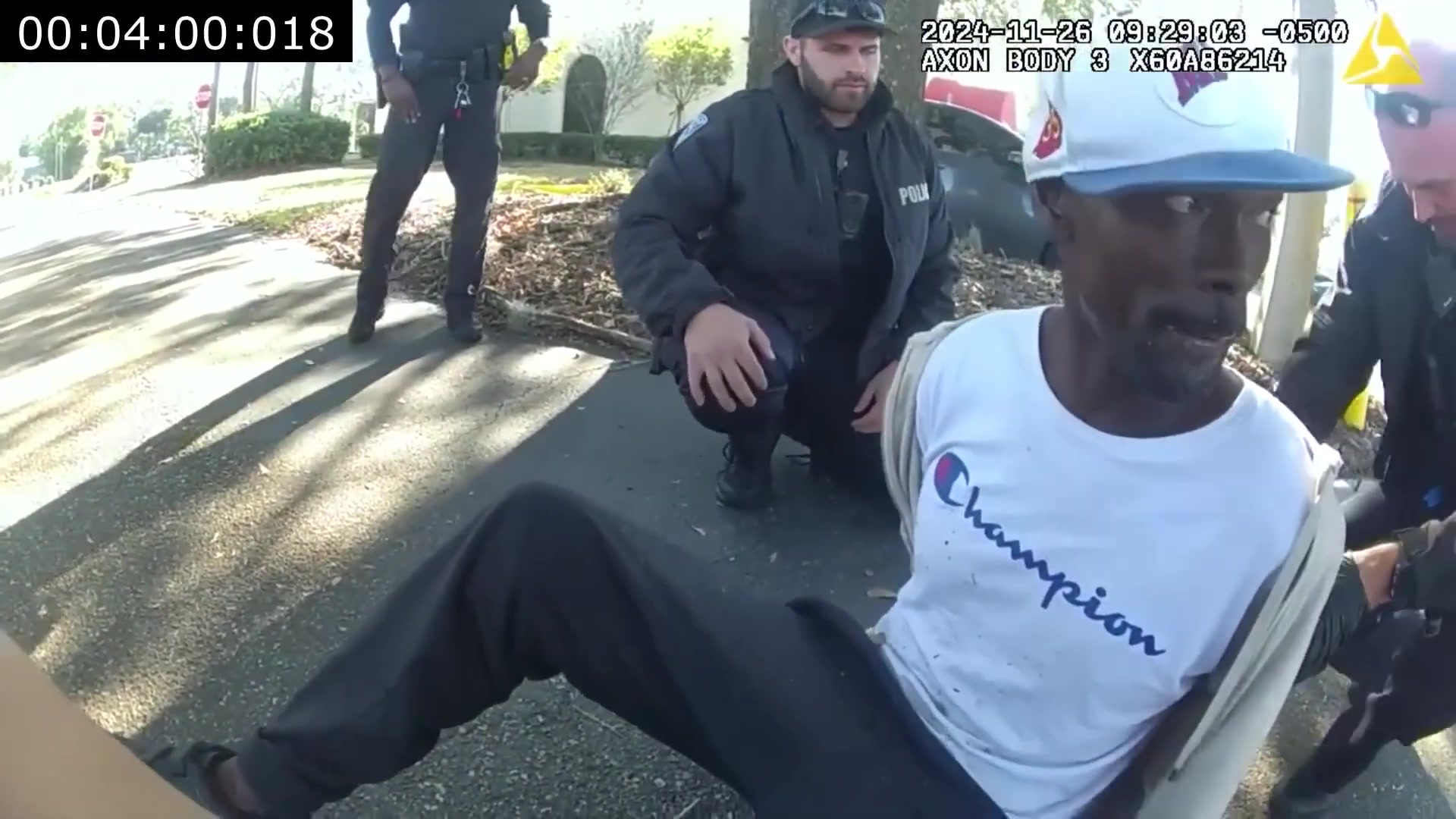
A Morning Call Moves From the Doorway to the Street
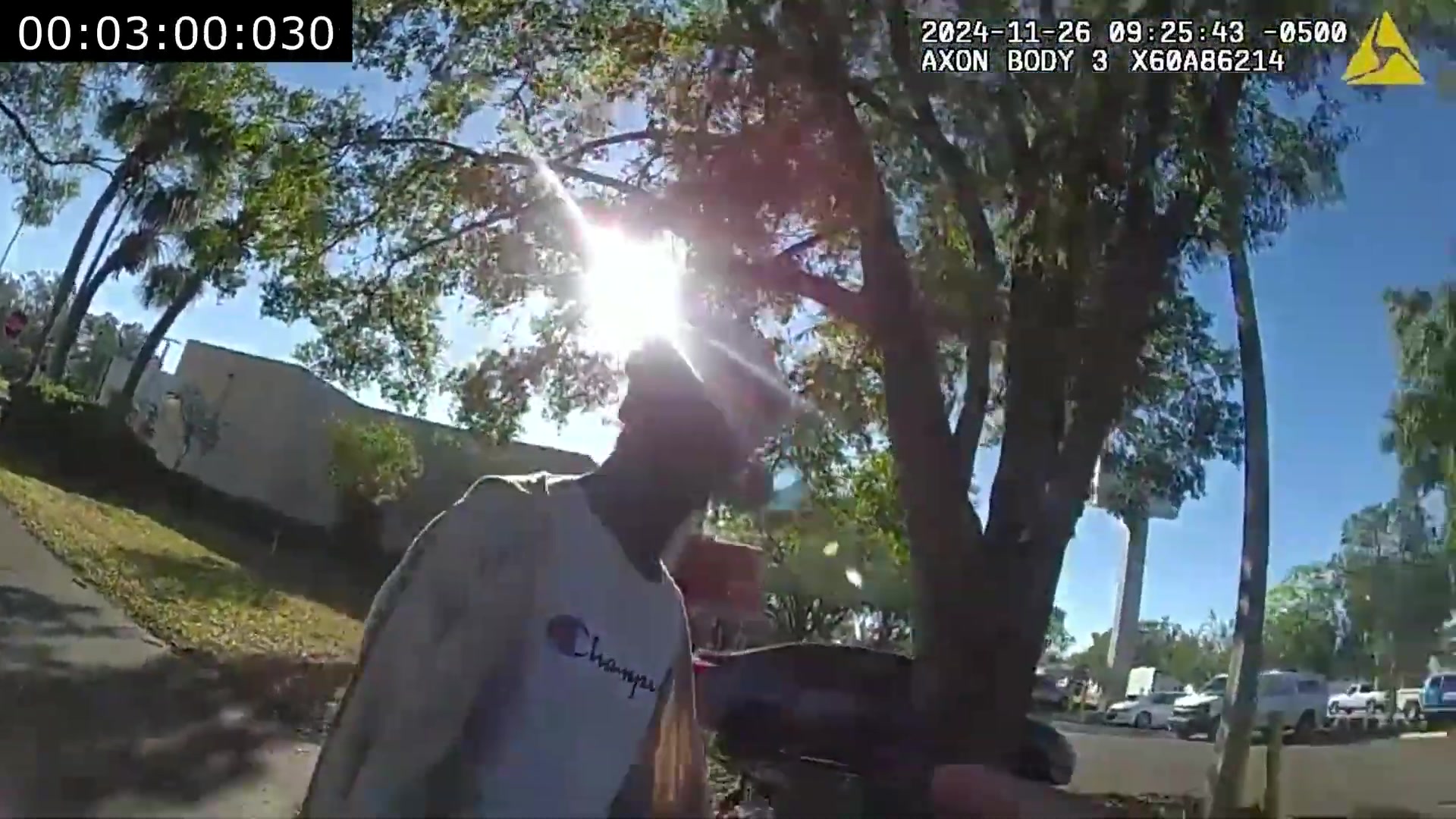
The body-camera overlay places this encounter on November 26, 2024, shortly after 9:19 a.m. An officer arrives at a residential property and begins dealing with a man inside or near the home. The setting looks ordinary: daylight, a quiet residential street and a conversation that initially appears capable of ending without force.
That expectation does not last. The man becomes increasingly argumentative and the officer’s instructions become more direct. What begins around the doorway gradually moves outside, where the encounter becomes more public and more difficult to control.
The footage is a useful example of why seemingly low-level calls can escalate. There is no high-speed pursuit and no dramatic crime scene at the beginning. Instead, the tension is built through conversation, resistance to instructions and a growing disagreement over what the man is expected to do.
The original title focuses on the TASER, but the electrical weapon is only the final turning point. The more revealing story is everything that happens before it comes out.
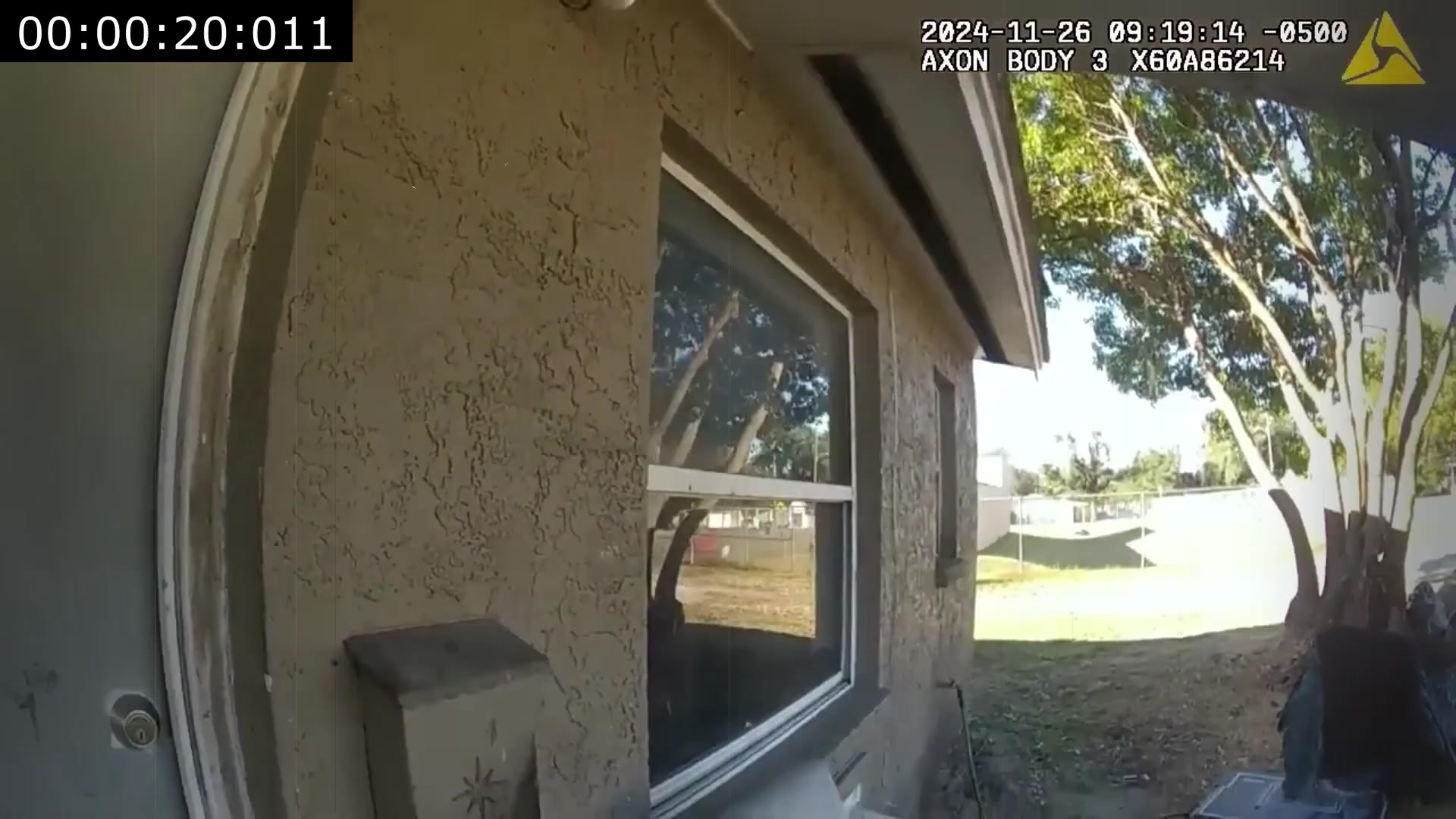
The Officer Spends Time Trying to Keep the Encounter Verbal
One of the clearest features of the recording is how long the interaction remains conversational. The officer asks questions, gives directions and allows the man opportunities to respond. The man, meanwhile, continues challenging the situation rather than bringing the encounter to a quick conclusion.
Police de-escalation is often misunderstood as simply speaking softly. In practice, it can include creating distance, explaining expectations, repeating commands and giving a person time to make a voluntary choice. Those techniques can work only while the subject continues to leave room for a safe resolution.
Here, the conversation becomes circular. The man appears increasingly unwilling to accept the officer’s direction, and the officer has to repeat himself. Every repetition adds another layer of frustration.
The body camera captures that progression better than a short viral clip ever could. A viewer who sees only the TASER deployment misses the minutes in which the officer attempts to resolve the encounter without using it.
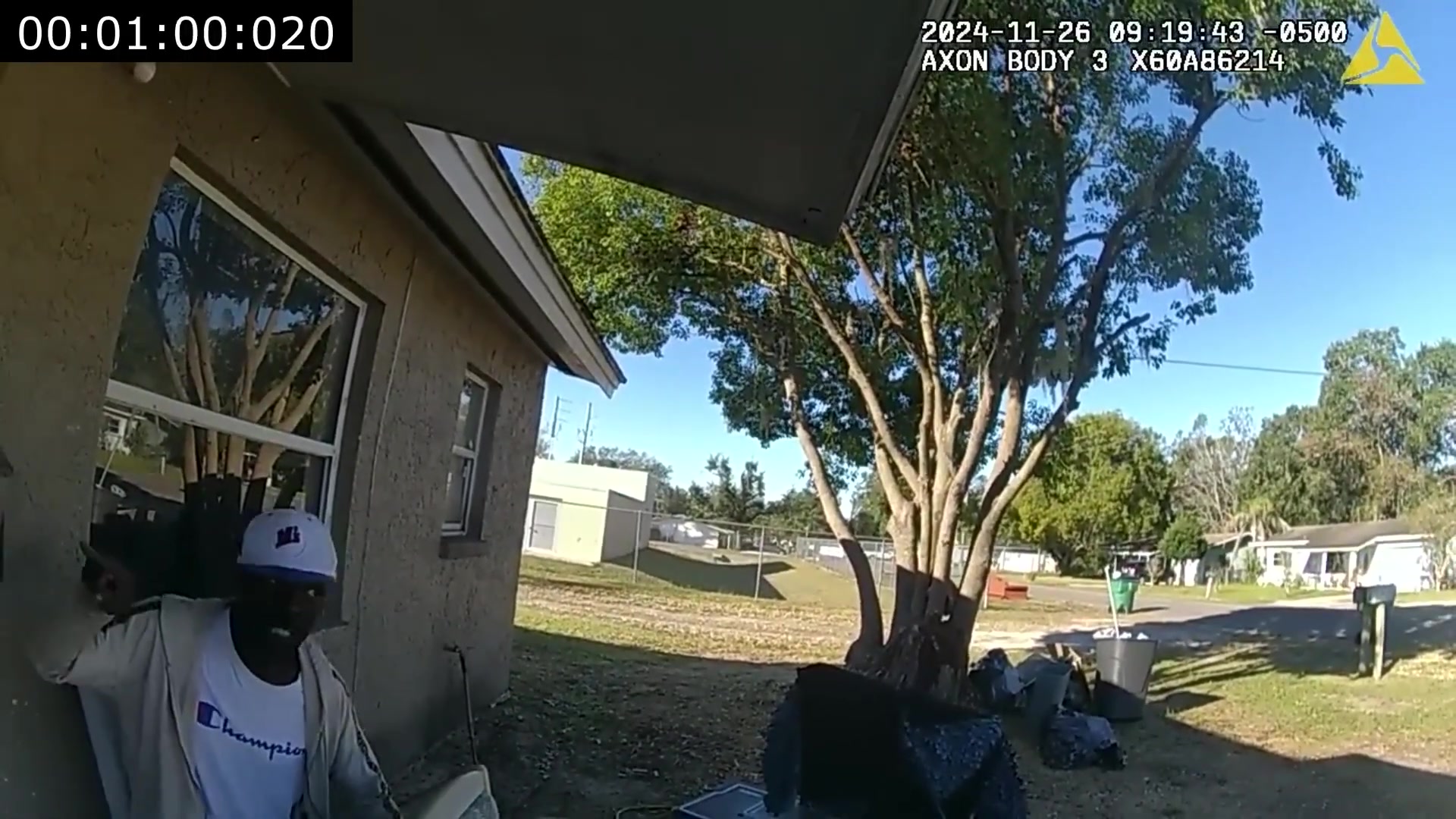
Once the Encounter Moves Outside, the Dynamic Changes
The transition from the home to the sidewalk is important. Outdoors, the officer has more room to move, but the man also has more room to walk away, reposition himself or refuse to stay where instructed.
The supplied footage shows the man in a white Champion shirt standing close to the officer while the conversation continues. His posture and movements become increasingly important because the officer must now evaluate not only what he is saying but also whether he is going to comply physically.
This is a recurring issue in body-camera encounters. Verbal disagreement is not automatically resistance, and criticism of police is generally not a reason by itself for force. The crucial change comes when officers believe conduct is preventing them from completing a lawful detention or arrest.
Without a verified matching police report, this article does not invent the exact offense that brought officers to the property or the precise legal basis for every command. The footage itself, however, clearly documents the deterioration of voluntary cooperation.
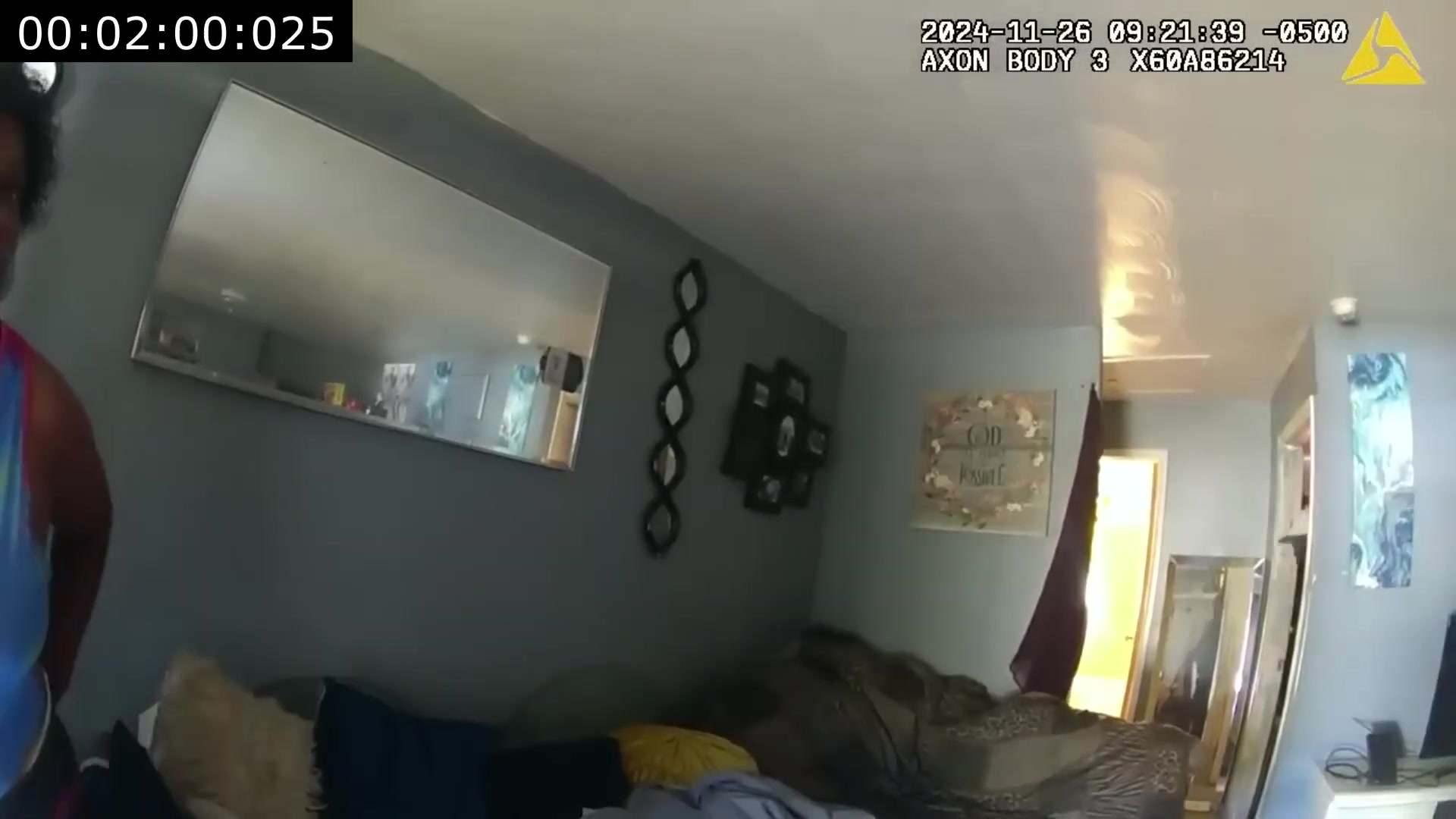
Warnings Become Shorter as the Situation Tightens
As the encounter continues, the officer’s language becomes more concise. That change in tone is often a signal that an interaction has moved from discussion to enforcement.
Long explanations are useful while someone is deciding whether to cooperate. Once an officer believes a subject is actively resisting or preparing to leave, lengthy debate can become counterproductive. Commands tend to become simpler: stop, stay there, turn around, put your hands behind your back.
The man does not appear ready to end the disagreement on the officer’s terms. His movements keep the officer’s attention fixed on him, and the distance between them remains small.
This is where the title’s phrase “pushed this cop too far” should be understood carefully. Force is not legally justified merely because an officer loses patience. The relevant question is what conduct the officer reasonably perceives and what level of force is appropriate to gain control. The bodycam allows viewers to examine that sequence rather than treating frustration itself as the justification.
The TASER Becomes the Turning Point
Eventually, the encounter reaches the moment promised by the original title. The officer deploys a TASER during the attempt to gain control of the man.
A conducted-energy weapon is designed to create temporary neuromuscular incapacitation or pain compliance, depending on how it makes contact. It is intended to provide officers with an option between empty-hand control and more dangerous levels of force, but it is still a use of force with real risks.
The deployment changes the scene immediately. The man goes down and additional officers move in. The argument that dominated the first portion of the video gives way to a coordinated effort to secure his arms and place him in handcuffs.
The camera becomes chaotic at close range, which is typical during a physical arrest. Arms and uniforms block parts of the lens, and the officer wearing the camera is moving rather than observing from a stable position.
Yet the outcome is clear: the TASER ends the standoff and allows officers to complete the restraint.
Additional Officers Move In to Secure the Arrest
After the deployment, the footage shows several officers around the man on the ground. Their focus shifts from persuasion to restraint and post-force control.
This phase matters because force does not end the moment a subject falls. Officers still have to secure the hands, assess whether the person is continuing to resist, account for TASER probes when applicable and monitor for medical distress.
The man remains vocal as officers work around him. His white shirt and light-colored outer layer are visibly marked from contact with the ground, emphasizing how quickly the encounter has moved from an indoor conversation to a physical arrest on the pavement.
Bodycam footage is especially valuable during this stage because it preserves the timing. Reviewers can examine how quickly officers transition from the TASER to handcuffing and whether force continues after control is established.
Those details are important in any use-of-force review, regardless of whether the initial deployment is ultimately judged reasonable.
Why TASER Deployments Are Reviewed as Uses of Force
TASERs are sometimes described casually as harmless alternatives to firearms. That description is too simple. Conducted-energy weapons are less lethal tools, not risk-free tools.
A person can be injured by falling after incapacitation. Probes can strike sensitive areas. Certain medical conditions or environmental circumstances can increase risk. Departments therefore train officers on when a TASER is appropriate, target considerations, warnings when feasible and post-deployment procedures.
The exact policy governing this officer depends on the agency, which I could not reliably identify from public sources matching this specific footage. For that reason, the article does not claim that a particular departmental policy was followed or violated.
What can be said is that the footage provides the type of evidence supervisors commonly use in reviewing force: the subject’s behavior before deployment, the warnings or commands given, distance, available alternatives, the moment of deployment and what officers do immediately afterward.
The Date and Camera Data Are Clear, but the Case Identity Is Not
The AXON BODY 3 overlay gives several strong anchors. The recording date is November 26, 2024. The initial footage begins around 9:19 a.m. local time, and the encounter takes place in a warm-climate residential area.
I searched public sources using the date, TASER deployment, residential setting and descriptions matching the uploaded title. I did not find a police release or credible local report that matched the man, the house, the exact body-camera sequence and the timestamp closely enough to responsibly identify the subject or department.
That matters because TASER incidents are common enough that matching only by date can easily attach the wrong arrest to a video. A different November 26 police incident may involve a TASER but have nothing to do with this footage.
Accordingly, this article does not invent the man’s name, charges or court outcome. The visible footage remains the primary source for the narrative, and uncertainty is kept explicit rather than filled with a convenient but potentially false case.
The Most Important Moment Happens Before the TASER
The electrical deployment is the dramatic payoff, but it is not the most informative part of the recording.
The crucial period is the minute before it. That is where viewers can assess whether the man is moving toward compliance or away from it, whether the officer is still trying to communicate and how quickly the distance between conversation and force disappears.
This is also why full-length bodycam matters. Social clips often begin only seconds before a use of force. That editing can make an officer’s decision appear sudden because the warnings and failed attempts at cooperation have been removed. The opposite can also happen: an edit can omit subject compliance or officer escalation and make force appear more clearly justified than the complete footage would support.
Watching the whole sequence is the only responsible way to evaluate what the camera actually captured.
One Argument, One Deployment, and a Completely Different Ending
By the end of the recording, the encounter looks nothing like it did at the doorway.
The man who was standing and arguing with an officer is now seated or restrained on the pavement with several officers around him. The TASER has been deployed, handcuffs are in place and the immediate confrontation has ended.
That transformation gives the footage its narrative power. Nothing in the opening setting announces that force is inevitable. The escalation is gradual and therefore easier to study.
The new title—“He Kept Testing the Officer’s Patience—Until the TASER Ended the Argument”—keeps the curiosity of the original while making the progression clear. It does not claim that an officer may lawfully use force simply because patience runs out; instead, the article focuses on the visible sequence of repeated directions, continued resistance and the eventual decision to deploy a less-lethal weapon.
The larger lesson is that police encounters can change faster than either side expects. A person may believe he is still arguing his position while the officer believes the interaction has already moved into detention or arrest. Once those understandings diverge, every movement becomes more consequential.
For viewers, the footage is most useful not as a celebration of the TASER but as a record of escalation. It shows the point at which words stop resolving the encounter, the moment officers decide physical control is necessary and the aftermath once the man is finally restrained.
That complete timeline is what gives the video meaning beyond its most dramatic few seconds.
The TASER lasts only a moment. The real story is the buildup—the repeated instructions, the shrinking distance between the two men and the decision that finally turns a verbal standoff into a physical arrest.
See what happened in the minutes before the TASER was fired—open the full footage and decide for yourself where this encounter crossed the point of no return.
Comments (0)
Loading comments...
May You Like

What Happens when you get Caught Shoplifter Stealing Local Store

Police Chase Ends as Driver Hits Stoplight, Crashes Into West Towne Mall