
Georgia Traffic Stop Turns Into a Violent Struggle on I-95
Georgia Traffic Stop Turns Into a Violent Struggle on I-95
A high-speed traffic stop near the Georgia-Florida line became a deadly roadside struggle. The released dashcam and body-camera footage documents the escalation from an arrest for alleged reckless driving to a physical fight and a single gunshot.
A Morning Stop on Interstate 95
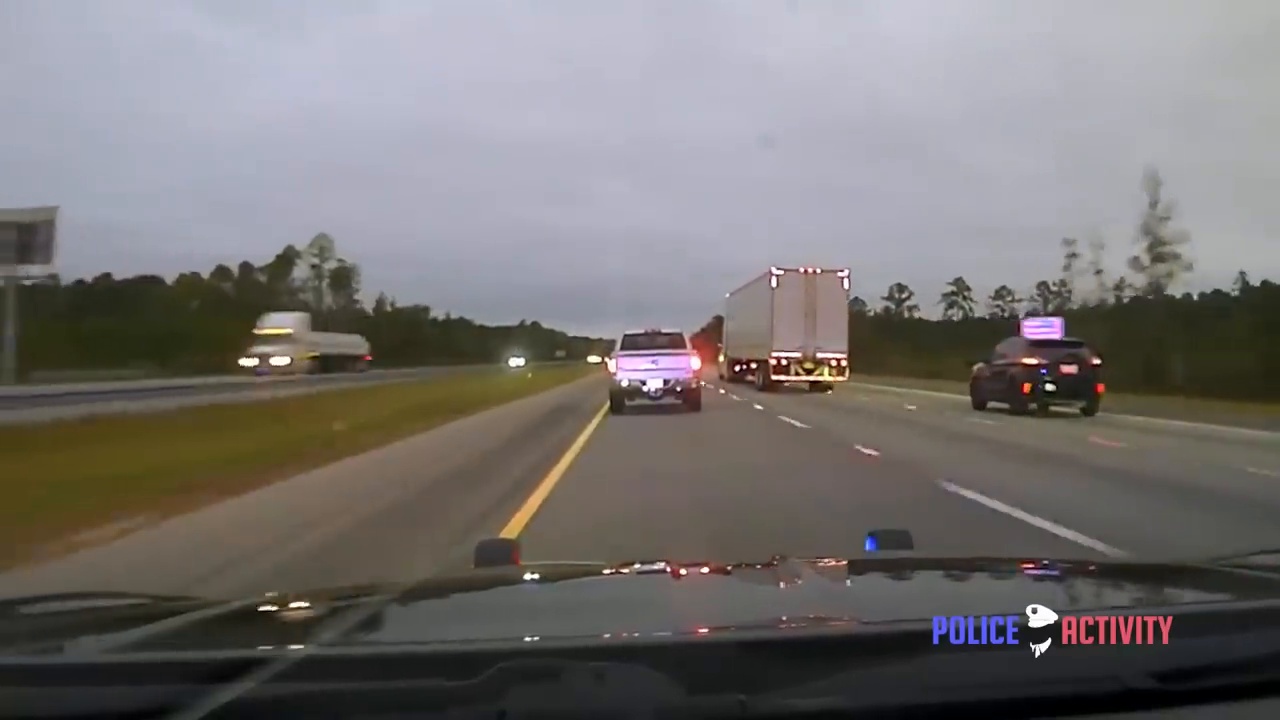
On October 16, 2023, at about 7:30 a.m., Camden County Sheriff's Office Staff Sgt. Buck Aldridge stopped 53-year-old Leonard Cure on Interstate 95 near the Georgia-Florida line. Authorities said Cure had been traveling at more than 100 mph. The deputy told him he was being arrested for speeding and reckless driving. Dashcam footage shows the pickup on the shoulder while highway traffic continues nearby.
Commands at the Rear of the Pickup
Cure exits after repeated commands and questions why he is being arrested. Aldridge directs him toward the rear of the pickup and orders him to put his hands behind his back. Cure initially resists those instructions, then places his hands on the truck after the deputy warns that a Taser may be used. The exchange is tense, but the physical struggle has not yet begun.
The Taser Changes the Encounter
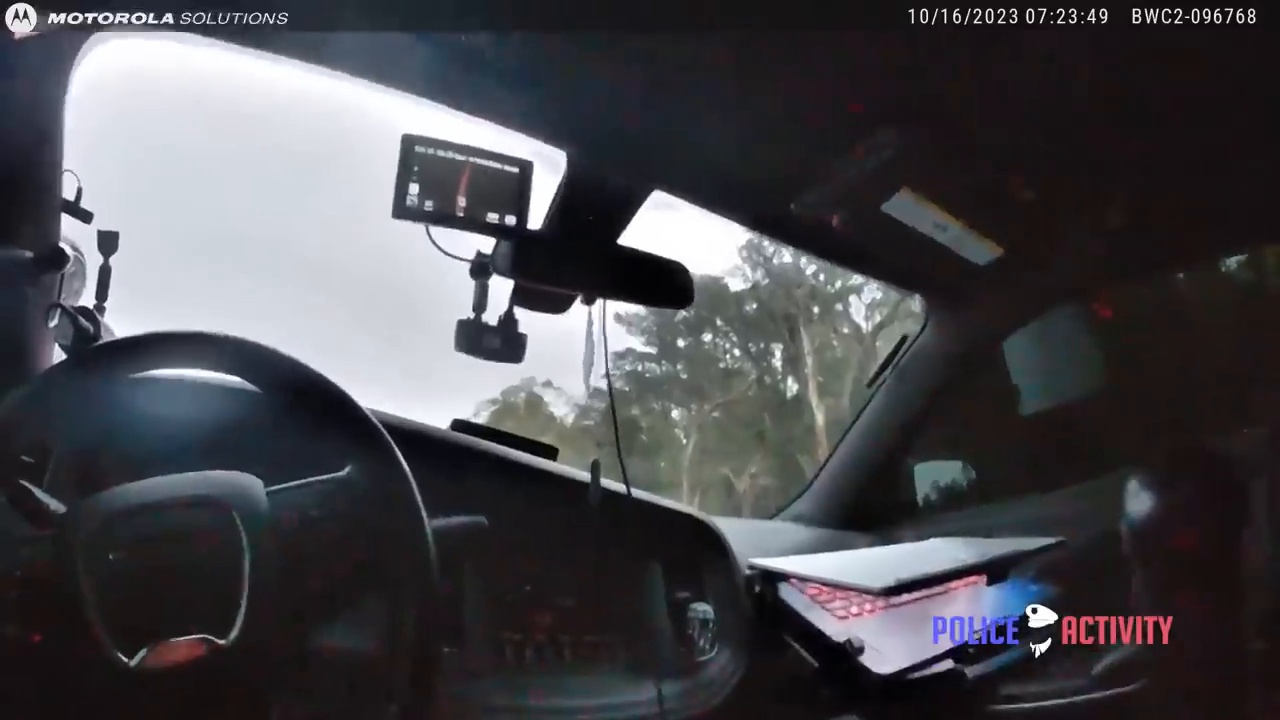
When Cure does not put his hands behind his back, Aldridge deploys his Taser. Cure turns and begins moving his arms as the probes remain connected. Within seconds the encounter changes from verbal resistance to a close physical confrontation. The body camera becomes unstable during the struggle, while the dashcam provides a wider view of both men beside the pickup.
A Struggle Beside Moving Traffic
The released footage shows Cure and Aldridge grappling on the highway shoulder. Cure gets a hand around the deputy's lower face and neck area and forces his head backward. Aldridge attempts to break the hold, uses the Taser again and strikes Cure with a baton. The struggle continues only a short distance from fast-moving interstate traffic.
The Final Seconds
As the physical fight continues, Aldridge draws his firearm and fires one shot at close range. Cure falls, and the deputy radios that shots have been fired and requests assistance. The shooting cannot be understood from a single frozen frame: it follows repeated commands, a Taser deployment, grappling, another Taser use and baton strikes.
Emergency Aid Arrives
Additional officers and paramedics arrive on the shoulder. The footage shows first responders providing medical assistance, including chest compressions, before Cure is transported by ambulance. He did not survive. The Georgia Bureau of Investigation opened an investigation, and Aldridge was placed on administrative leave during the review.
Leonard Cure's Extraordinary History
Cure's death drew national attention because he had spent roughly 16 years in a Florida prison for an armed robbery he did not commit. His conviction was overturned in 2020 after a review concluded that he had been wrongfully convicted. Florida later compensated him $817,000. At the time of the Georgia stop, he was returning from visiting his mother in Florida to a home he had purchased in the Atlanta area.
His Family's Perspective
Cure's family viewed the footage before its public release. Relatives acknowledged the struggle but questioned whether the stop needed to escalate so rapidly. They said his years of wrongful imprisonment had left psychological trauma and believed the prospect of another arrest may have triggered an intense response. That is the family's explanation; the footage itself cannot establish Cure's internal state.
Questions About De-Escalation
Attorneys for Cure's family argued that additional time and de-escalation could have changed the outcome. The law-enforcement perspective emphasized the immediate physical danger to a lone deputy once Cure gained control around his head and neck. Those competing interpretations became central to public discussion of the case.
How Deadly Force Is Reviewed
A deadly-force investigation examines what the officer reasonably perceived when force was used, including whether there was an imminent threat of death or serious injury. Investigators can also review radio traffic, medical evidence, Taser data, firearm evidence, witness accounts and statements from the involved deputy. Video is powerful evidence, but it is not the entire investigative file.
Two Cameras, Two Perspectives
The body camera captures the words and close-range confrontation, while the dashcam provides distance and spatial context. During the struggle, the body camera shakes and is partly obstructed; the dashcam remains comparatively stable. Together the recordings provide a more complete chronology than either angle alone.
A Case With More Than One Difficult Truth
Cure had endured a profound injustice when Florida imprisoned him for a crime he did not commit. The Georgia footage also shows him physically fighting with a deputy and gaining a dangerous hold around the officer's head and neck. Recognizing one part of the story does not require erasing the other. The full context is what makes the case so difficult and why it generated intense debate.
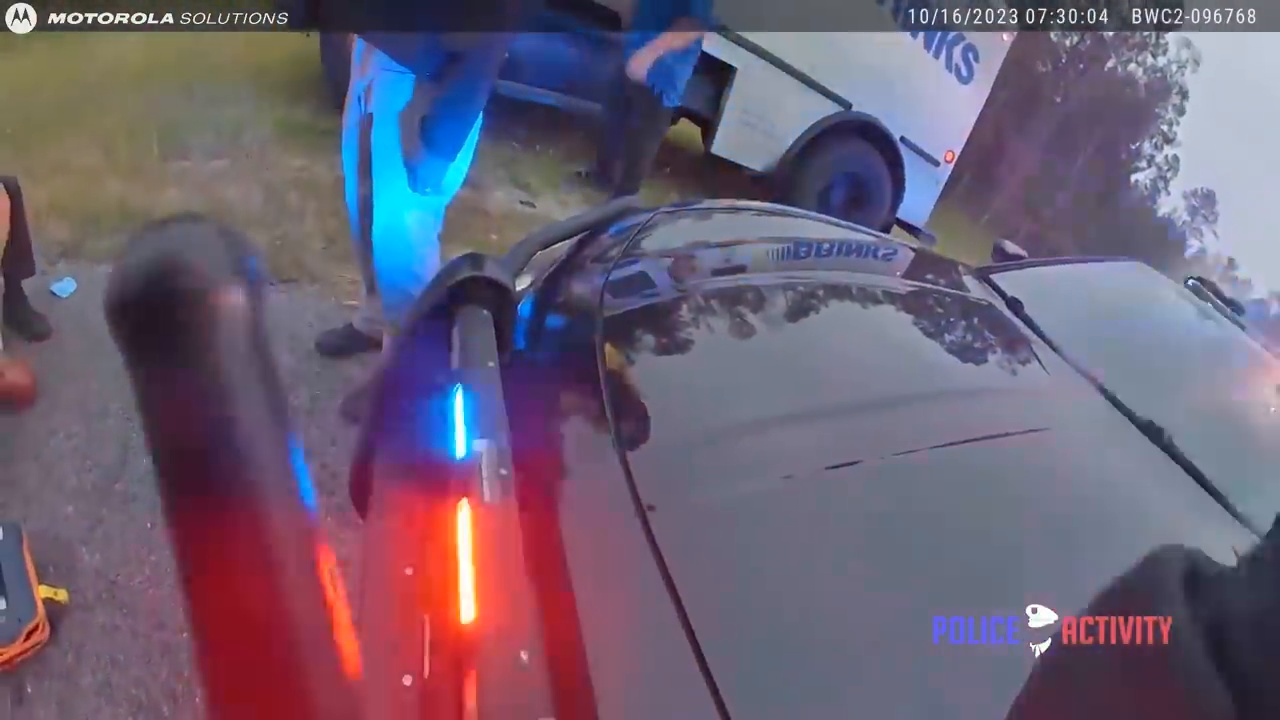
The Full Sequence Matters
Short clips often begin with the physical fight or the gunshot. The complete release begins earlier and shows the traffic stop, disagreement over arrest, repeated commands, the Taser and the struggle before the shooting. Watching the entire sequence does not guarantee viewers will agree about every tactical decision, but it provides essential context.
Comments (0)
Loading comments...
May You Like
The Truth Behind the Suspicious Vehicle and the Standoff with Police

A Suspicious Vehicle Leads Officers Into an Unexpected Chase

Chrysler 300 Gapped Cops at 150+ MPH | Police Dashcam














