Former Nurse Jadd Sarah Sentenced After Patient Abuse Captured on Camera
A documentary from EWU Bodycam examines the case of Jadd Sarah, a former emergency-room nurse accused of abusing an incapacitated patient at Banner University Medical Center. Sarah pleaded guilty to sexual abuse and received 30 days in jail, probation and community service.
A hospital camera became crucial evidence
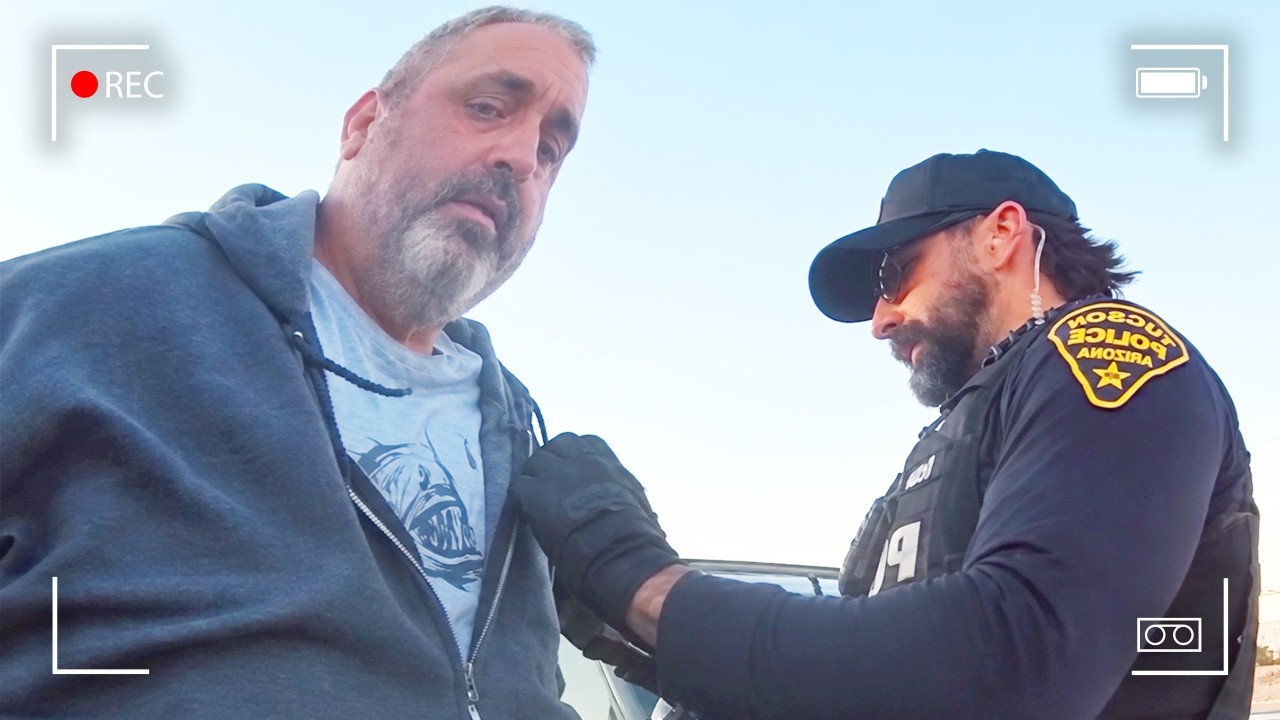
The video centers on the arrest and prosecution of Jadd Sarah, a former registered nurse whose conduct involving an incapacitated patient was captured by a hospital monitoring system. The cover frame depicts Sarah being detained by a Pima County Sheriff's Office deputy, placing the focus on the law-enforcement response that followed the alleged abuse.
According to public reporting on the case, the incident occurred at Banner University Medical Center in Tucson after a woman was admitted to the emergency department because of seizures. She was connected to an electroencephalogram, or EEG, system used to monitor brain activity. The setup also included a camera that allowed staff to observe her from another room.
That camera captured activity inside the patient's room that otherwise might have gone undiscovered. The case illustrates why remote monitoring can serve two purposes in a hospital: tracking a patient's medical condition and documenting conduct by the people responsible for providing care.
What prosecutors said happened
Court documents described the patient as incapacitated by her medical condition and medication. The complaint said Sarah entered the room while she was being prepared for an MRI, removed clothing from the upper part of her body and touched her breasts multiple times.
The documents also alleged that Sarah removed his mask and leaned toward the patient. At one point, according to the complaint, the woman appeared to be experiencing another seizure while he was in the room.
The patient later told investigators she remembered being touched and pinched but was unable to resist. Her condition limited her ability to understand what was happening or protect herself, which prosecutors treated as central to the case.
Sarah initially faced several charges, including sexual abuse, aggravated assault and abuse of a vulnerable adult. The case was ultimately resolved when he pleaded guilty to one count of sexual abuse.
A sentence that drew criticism
Sarah was sentenced in June 2026 to 30 days in jail, three years of probation and 50 hours of community service. He also surrendered his nursing license, ending his ability to continue practicing as a registered nurse.
The sentence prompted criticism from the victim's family and attorney, who questioned whether the punishment reflected the seriousness of abusing a patient who was unable to protect herself. The Pima County attorney's office defended the sentence, saying Sarah faced a potentially longer punishment had the case gone to trial on the original charges.
The criminal case is separate from any civil claim. The victim's attorney has indicated that legal action against Banner Health was being considered, though public reporting said no lawsuit had been filed at the time of the latest coverage.
Sarah's guilty plea also distinguishes the case from an unresolved allegation. A plea is not the same as a trial verdict, but it is a formal admission to the charge used to resolve the prosecution.
Why the case matters beyond one hospital
Patients who are sedated, unconscious, confused or suffering from seizures depend on medical staff for nearly every aspect of their safety. That dependence creates a heightened duty for nurses and other caregivers to maintain professional boundaries, follow treatment protocols and protect patients from exploitation.
Hospitals use video monitoring selectively because patient rooms are highly private spaces. When cameras are installed for medical observation, access, storage and review of the footage must be handled carefully. The technology can help clinicians respond to emergencies, but it can also become evidence when a staff member is accused of misconduct.
The case also shows how several systems can intersect: bedside care, remote monitoring, hospital investigations, police interviews, criminal court proceedings and professional licensing. Each system addresses a different question. Medical staff must determine what happened, investigators collect evidence, prosecutors pursue charges and licensing authorities decide whether a person remains eligible to practice.
For viewers, the EWU Bodycam documentary offers a condensed account of those stages, from the alleged conduct inside the hospital room to the law-enforcement response and the eventual sentence. It is aimed at people interested in body-camera footage, public-safety investigations and cases involving failures of trust in institutional settings.
The limits of the available video description
The channel describes its production as a documentary about the Jadd Sarah case and says it is intended to provide factual information about investigations, public safety and law-enforcement procedures. The available description does not provide a full transcript or establish every detail presented in the video itself.
The most firmly documented facts are the criminal charge to which Sarah pleaded guilty, the sentence imposed by the court and the role of the hospital camera in bringing the conduct to investigators' attention. Other details should be evaluated against court records and reporting from local news organizations rather than assumed from the video title alone.
Comments (0)
Loading comments...
May You Like

Female Driver Destroys Three Lives in a Matter of Minutes

🚨⛽ Man Caught in a Disturbing Incident at a Gas Station | Police Respond US

Woman Refuses Repeated Orders to Exit Her Car Before Officers Move In