
Family Dispute Erupts Into a House Fire and a Bizarre Fire-Truck Escape
Family Dispute Erupts Into a House Fire and a Bizarre Fire-Truck Escape
A Family Dispute Ends With Flames
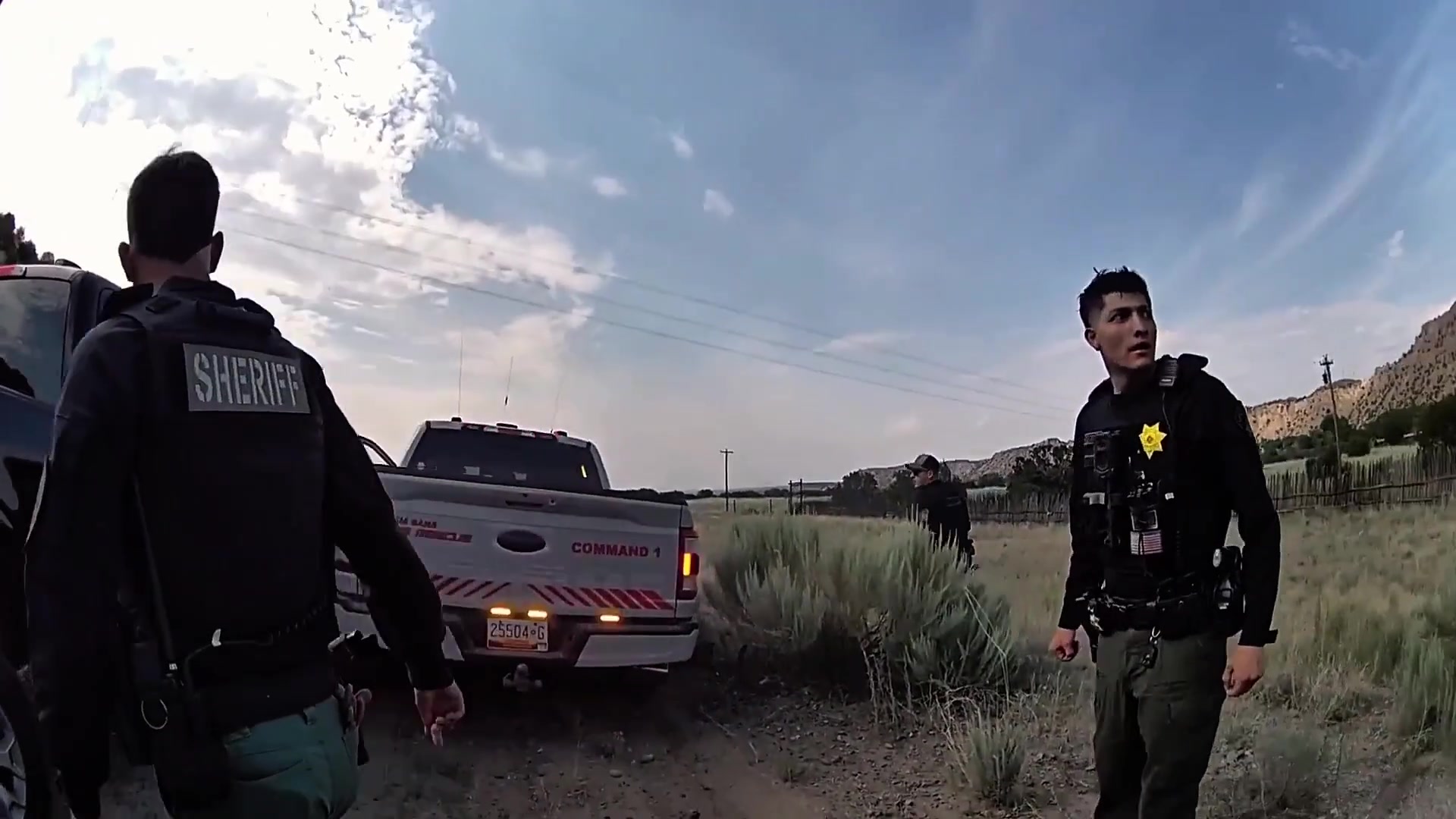
The supplied footage opens into the aftermath of a destructive residential fire in a dry, open landscape. Fire engines, firefighters, deputies and family members crowd the property while smoke and emergency activity dominate the scene. The most important accusation comes directly from a man at the property, who tells responders that his son is the person who set the house on fire. That statement gives the incident its emotional center. This is not presented in the footage as a random structure fire. Family members describe an intentional act connected to a conflict inside the family, and responders are forced to deal simultaneously with the burning property, the people affected by it and the search for the person being blamed. The uploaded title adds an even stranger allegation: after the fire, the son allegedly fled in a fire truck. The video contains emergency vehicles and later medical/responder scenes, but the public-source research available for this article did not produce an official police or fire report that could be matched to this exact footage with enough confidence to publish a suspect name, precise location, charges or court outcome. For that reason, this article treats the father’s accusation and the sequence visible on camera as the primary evidence. It does not turn an online title into a verified criminal conviction.
Firefighters Arrive to a Complicated Scene
Structure fires already require rapid coordination. Crews have to establish a water supply, identify hazards, determine whether anyone remains inside and keep civilians away from areas where roofs, walls, fuel containers or electrical systems may become dangerous. Here, those responsibilities are complicated by an alleged intentional fire and an ongoing family dispute. Fire apparatus fills the property while responders move between the structure and the people nearby. Deputies are also present, indicating that the incident is being treated as more than a routine accidental blaze. The footage captures the confusion that written summaries often flatten. Family members are emotional. Responders are receiving information in fragments. Some people know the history behind the dispute while firefighters arriving at the scene initially know only that a structure is burning and lives or property may be at risk. When arson is suspected, the scene can eventually become both an emergency site and a potential crime scene. Firefighters still prioritize life safety and extinguishment, but investigators may later examine burn patterns, ignition points, accelerants, witness statements and other evidence to determine how the fire started.
The Father Points Directly at His Son
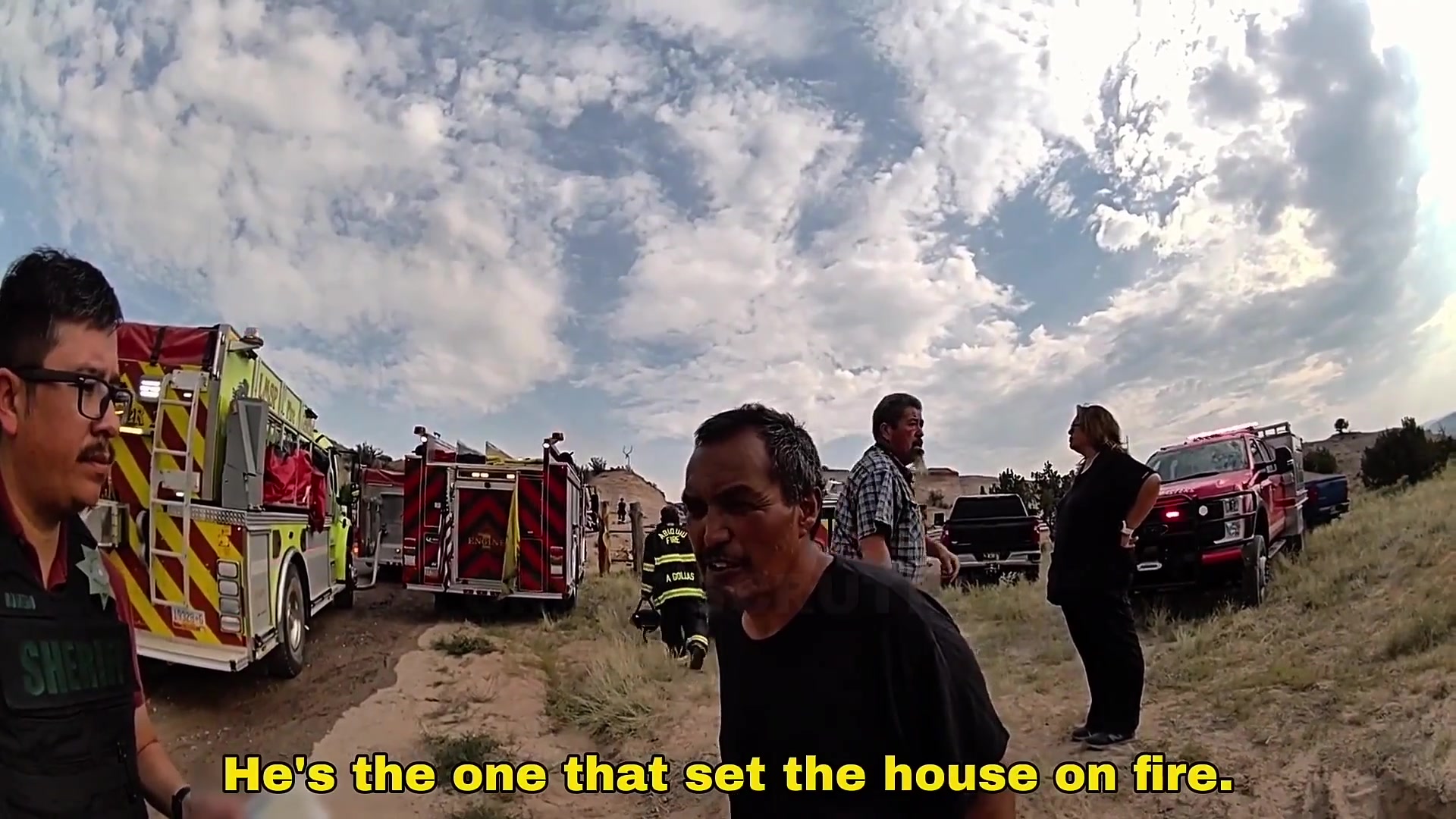
One of the clearest moments in the supplied video is the father’s statement to responders: “He’s the one that set the house on fire.” The line is significant because it is a direct allegation from someone at the scene rather than a conclusion invented from the images. A witness accusation, however, is not the same thing as a proven arson case. Investigators would normally need to compare the statement with physical evidence, other witnesses and the suspect’s own account. Intentional-fire cases can involve complex questions about where a fire began and whether the person accused actually caused it. The emotional context also matters. When a home is burning and relatives believe another family member caused it, anger and shock can shape the way people communicate. Officers have to gather information without assuming every allegation is automatically established fact. The body-camera perspective is valuable precisely because it preserves those early statements. Investigators can later compare what people said in the first chaotic minutes with subsequent interviews and physical findings.
A Fire Truck Becomes Part of the Story
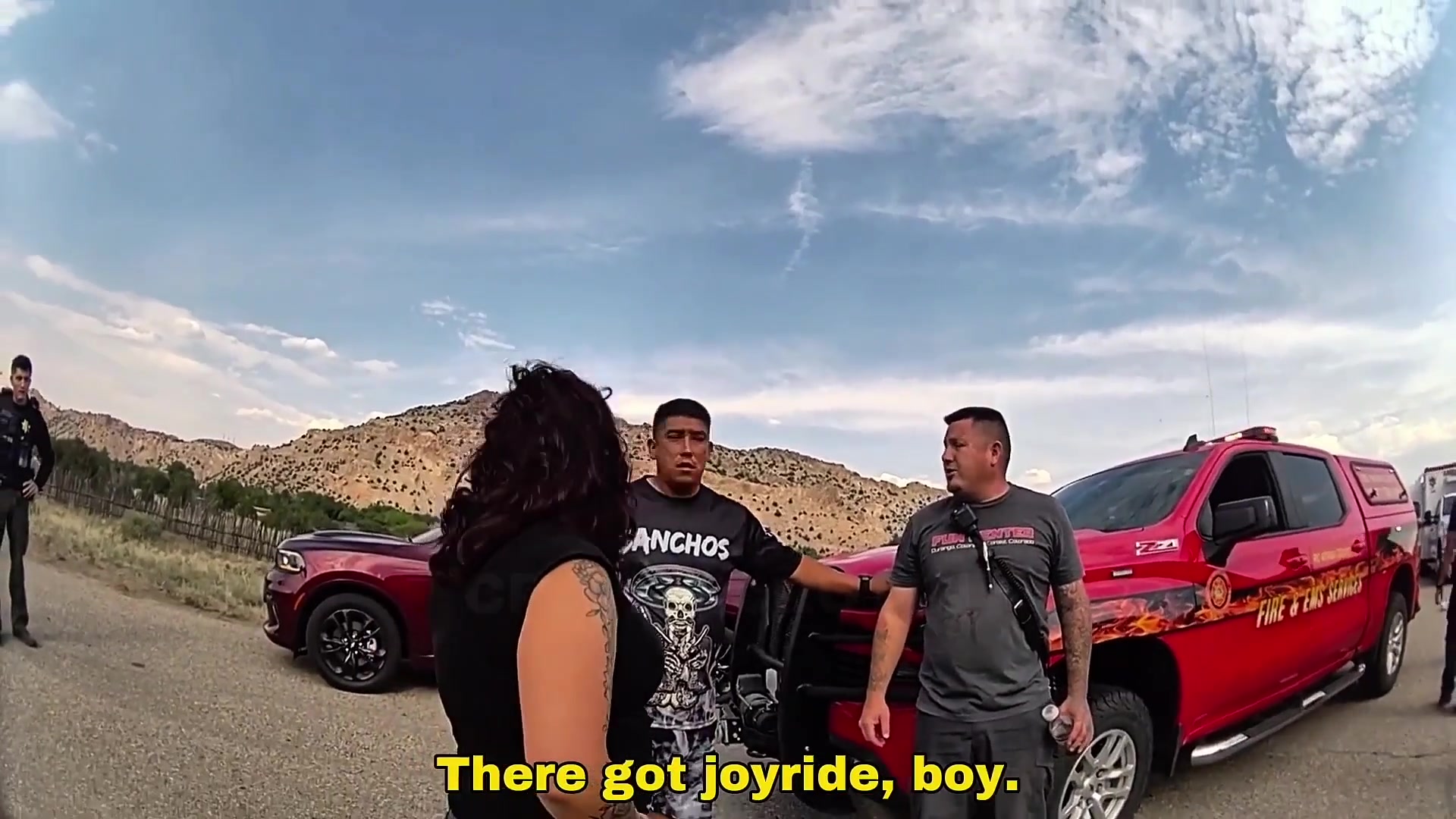
The uploaded title describes the suspect fleeing in a fire truck, an extraordinary allegation because emergency apparatus is both expensive and essential to active rescue operations. Taking a fire engine or rescue vehicle during an emergency can create risks far beyond ordinary vehicle theft: crews can lose access to equipment, water lines can be disrupted, and an untrained driver may be operating a very large vehicle around responders and civilians. The footage clearly establishes that multiple pieces of fire apparatus are at the property. What cannot be responsibly supplied without a matching official report are the precise circumstances of any alleged fire-truck theft: which apparatus was taken, how far it traveled, whether it was damaged, and what criminal counts followed. That limitation is important. Similar incidents have occurred elsewhere, including cases in which people have taken fire apparatus during active structure fires, but those unrelated cases cannot be substituted for this one simply because the details sound alike. The article therefore preserves the distinction between the allegation in the supplied title and independently verified facts. The video supports the broader emergency context; an exact law-enforcement report would be needed to responsibly add the missing legal details.
Medical Care and the Human Cost
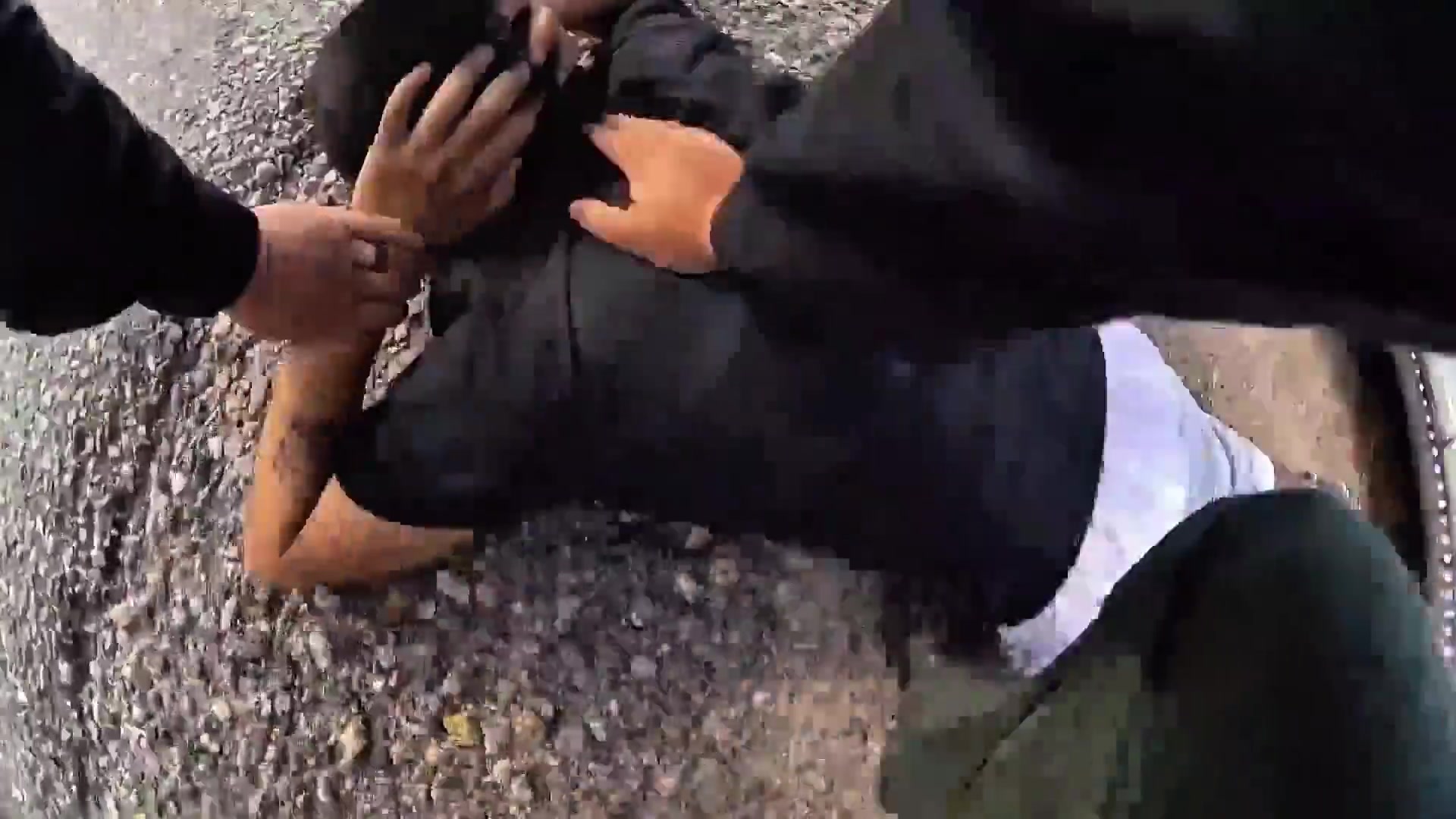
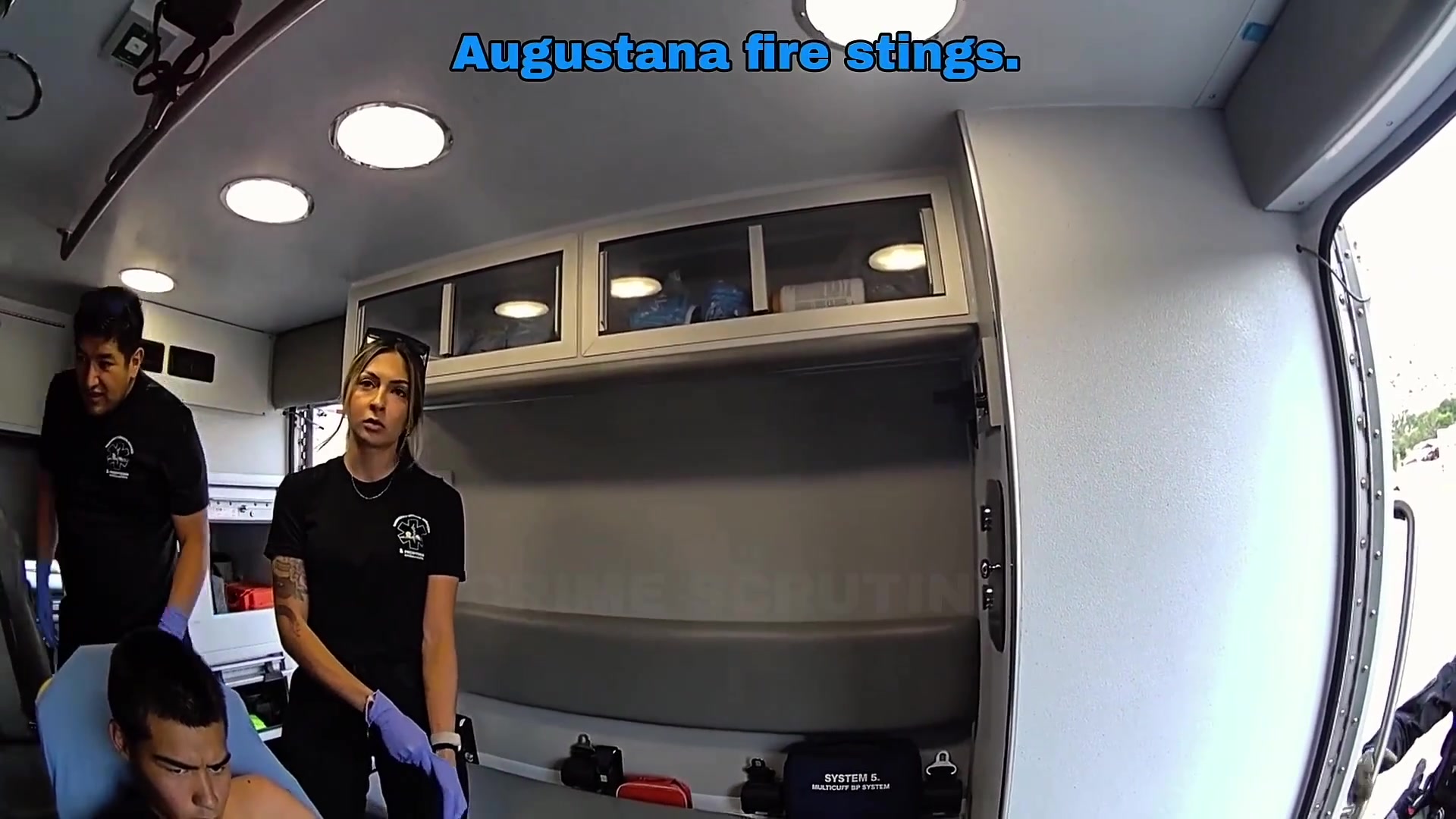
Later footage moves into a medical-response environment. The transition is a reminder that major fire scenes can produce injuries, smoke exposure, exhaustion and acute stress even when the most visible damage is to property. Emergency medical personnel have to evaluate patients independently of whatever criminal investigation is occurring around them. A person can be a witness, victim or suspect and still require medical treatment. Fire and police scenes often overlap in this way, with one group of responders focused on evidence and public safety while another focuses on immediate health concerns. The destruction of a family home also creates consequences that continue long after the fire is extinguished. Important documents, clothing, tools, photographs and other personal property can disappear in minutes. When relatives accuse one another of intentionally causing the loss, the psychological damage can be as severe as the physical destruction. Those consequences are visible in the reactions of the people at the scene. The video is not merely about flames or an unusual alleged getaway. It is about a family conflict reaching a point where firefighters, deputies and medical personnel all become involved.
What the Footage Establishes and What Remains Unverified
The video supports a number of concrete observations. A residential structure has suffered a serious fire. Multiple fire crews and law-enforcement personnel respond. A man at the scene explicitly accuses his son of setting the house on fire. The emergency response continues into later medical scenes. The exact identity of the alleged son, the jurisdiction, the motive described in the upload title, the precise details of the alleged fire-truck escape, formal charges and the final court outcome could not be matched to a reliable official source during research for this article. Those details are therefore not presented as independently established facts. This approach matters because dramatic police and fire footage is frequently reposted with rewritten titles. Each repost can introduce new wording, and eventually a catchy description can be mistaken for an official account. Verification requires more than finding a different incident with a similar fire truck or family dispute. The strongest article is therefore the one that does not pretend to know more than the available evidence supports. The supplied footage already tells a striking story: firefighters battling the aftermath of a destructive blaze while a father openly blames his son and responders manage an increasingly complicated emergency. If an exact agency report or case record later becomes available, details such as names, location and charges can be added. Until then, the visible sequence and the directly recorded statements provide the most defensible account. The final result is an incident that begins as a family crisis and rapidly becomes a multi-agency emergency involving fire suppression, law enforcement and medical response. Whatever ultimately happened in court, the footage shows the immediate cost of the confrontation in a way that a short headline cannot.
Watch the complete footage to follow the fire scene, the father’s accusation and the unusual emergency response from beginning to end.
Comments (0)
Loading comments...
May You Like

🚔⚠️ 911 Call Comes Hours Later After a Troubling Bath Incident | Ohio, USA

Woman Refuses Repeated Orders to Exit Her Car Before Officers Move In
Female Driver Destroys Three Lives in a Matter of Minutes














