
El Mencho Raid Triggers a Shootout and Unleashes Total Chaos
THE RAID ON EL MENCHO THAT ERUPTED INTO CHAOS: INSIDE THE 2015 BATTLE THAT CHANGED MEXICO’S WAR WITH CJNG
WHEN A MANHUNT TURNED INTO A SHOW OF FORCE
The operation was supposed to put enormous pressure on one of Mexico's fastest-rising criminal organizations.
Instead, the morning of May 1, 2015 became one of the most dramatic demonstrations of cartel firepower Mexico had seen.
Federal forces were launching Operation Jalisco, a coordinated security campaign involving the Mexican Army, Navy, Federal Police, federal prosecutors and intelligence authorities. The objective was broader than one arrest: the government intended to weaken the criminal organization operating across Jalisco and neighboring Colima.
But at the center of the confrontation was a name that would become increasingly familiar on both sides of the U.S.-Mexico border:
NEMESIO OSEGUERA CERVANTES — “EL MENCHO.”
And when security forces closed in on territory controlled by the Jalisco New Generation Cartel, or CJNG, the organization did not simply disappear.
It fought back.
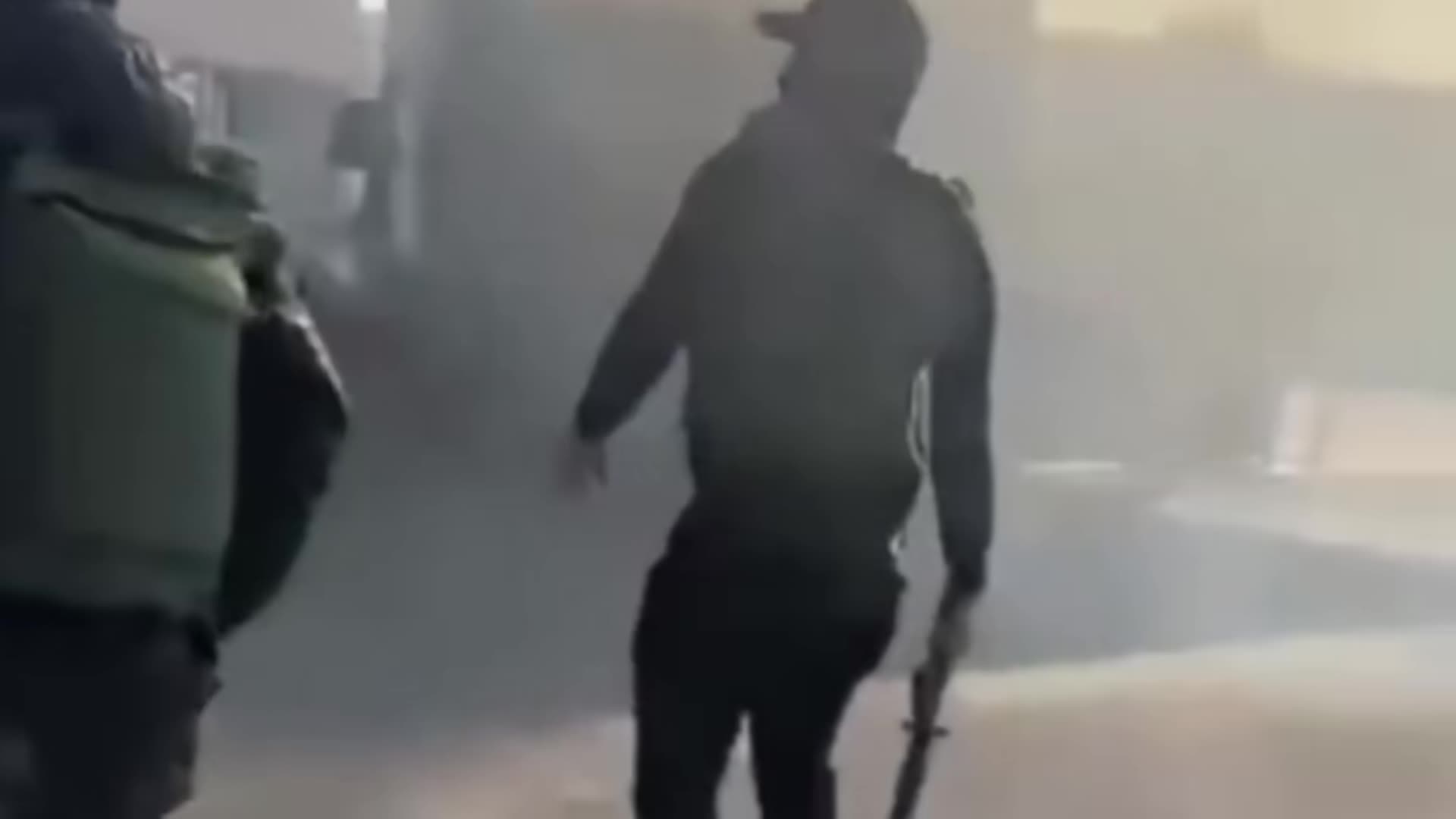
Within hours, a military helicopter had gone down, roads were blocked, vehicles were burning and attacks were being reported across western Mexico.
WHAT STARTED AS A FEDERAL OPERATION HAD BECOME A REGIONAL SECURITY CRISIS.
More than a decade later, the events of May 1 remain crucial to understanding how CJNG established its reputation as one of Mexico's most heavily armed and confrontational criminal organizations.
And remarkably, the story did not truly end in 2015.
It would take almost eleven more years before Mexican forces finally reached El Mencho again.
THE GOVERNMENT MOVES INTO JALISCO
By 2015, CJNG was no longer a minor regional criminal group.
Its influence was expanding rapidly.
Mexican authorities responded by launching Operation Jalisco on May 1. According to Mexico's Ministry of National Defense, the campaign brought together the Army, Navy, Attorney General's Office, Federal Police and national intelligence apparatus.
Mixed-operation bases, security checkpoints, eradication units and surveillance posts were planned across Jalisco and Colima. A centralized command structure was also established.
The scale of the deployment tells us something important.
AUTHORITIES WERE NOT TREATING CJNG AS AN ORDINARY LOCAL CRIMINAL NETWORK.
The organization had developed the personnel, territorial influence and firepower necessary to pose a much more serious challenge.
The danger became obvious almost immediately.
During aerial reconnaissance along the route between Casimiro Castillo and Villa Purificación, military personnel spotted vehicles carrying armed individuals.
Then the shooting began.
According to the Mexican Defense Ministry's May 1 statement, gunfire struck a Mexican Air Force Cougar helicopter, forcing the aircraft to make an emergency descent. There were 18 people aboard: five crew members, eleven military passengers and two Federal Police agents.
The initial government report underestimated the eventual death toll.
Subsequent forensic work confirmed six soldiers had died in connection with the helicopter's emergency descent. Additional personnel later died from their wounds.
It was an extraordinary escalation.
Criminal organizations had attacked police and soldiers before.
But bringing down a military helicopter sent a completely different message.
THE HELICOPTER BECAME THE SYMBOL OF THE BATTLE
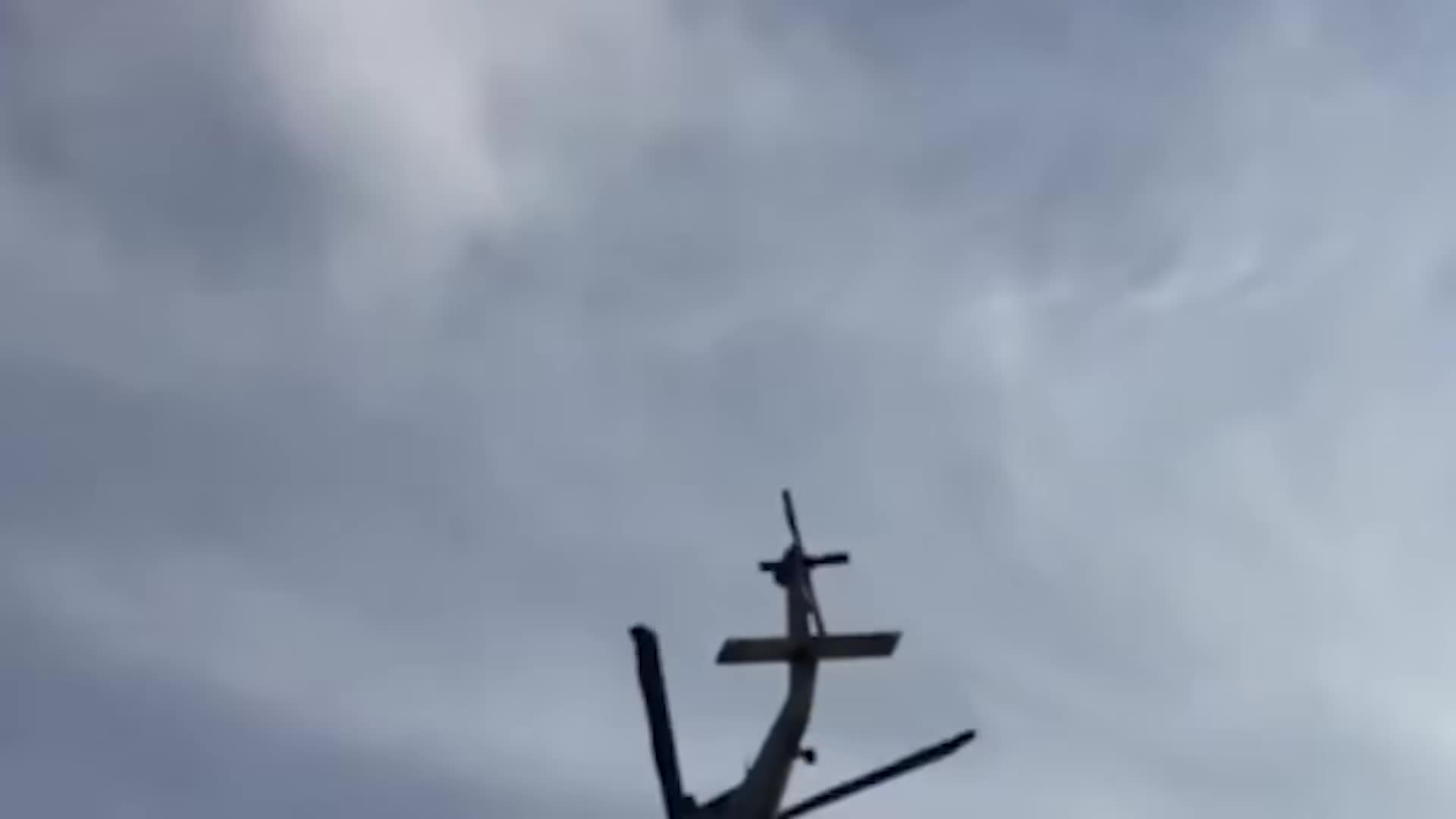
The helicopter attack became the defining image of the May 1 confrontation.
And over time, investigators developed a clearer picture of the weaponry CJNG possessed.
Later Mexican government reporting concerning a CJNG arrest specifically referred to the recovery of an RPG rocket of the same type used against the military helicopter on May 1, 2015.
Years later, U.S. prosecutors would also place the helicopter attack at the center of cases against senior CJNG figures.
The significance was psychological as well as tactical.
A helicopter gives security forces mobility, surveillance and the ability to reach terrain difficult to approach by road.
Successfully attacking one demonstrates that an armed group is prepared to challenge government forces not merely on the ground, but in the air.
CJNG HAD SHOWN THAT ITS ARMED WING POSSESSED MORE THAN ASSAULT RIFLES.
And the confrontation was about to spread far beyond the crash site.
THE RESPONSE SPREAD ACROSS JALISCO
As federal forces carried out the operation, coordinated disruptions began appearing elsewhere.
Roads were blocked.
Vehicles were seized.
Some were set on fire.
Businesses, banks and gas stations were attacked.
Contemporary reporting by La Jornada documented 39 road and street blockades, dozens of destroyed vehicles and attacks affecting numerous municipalities.
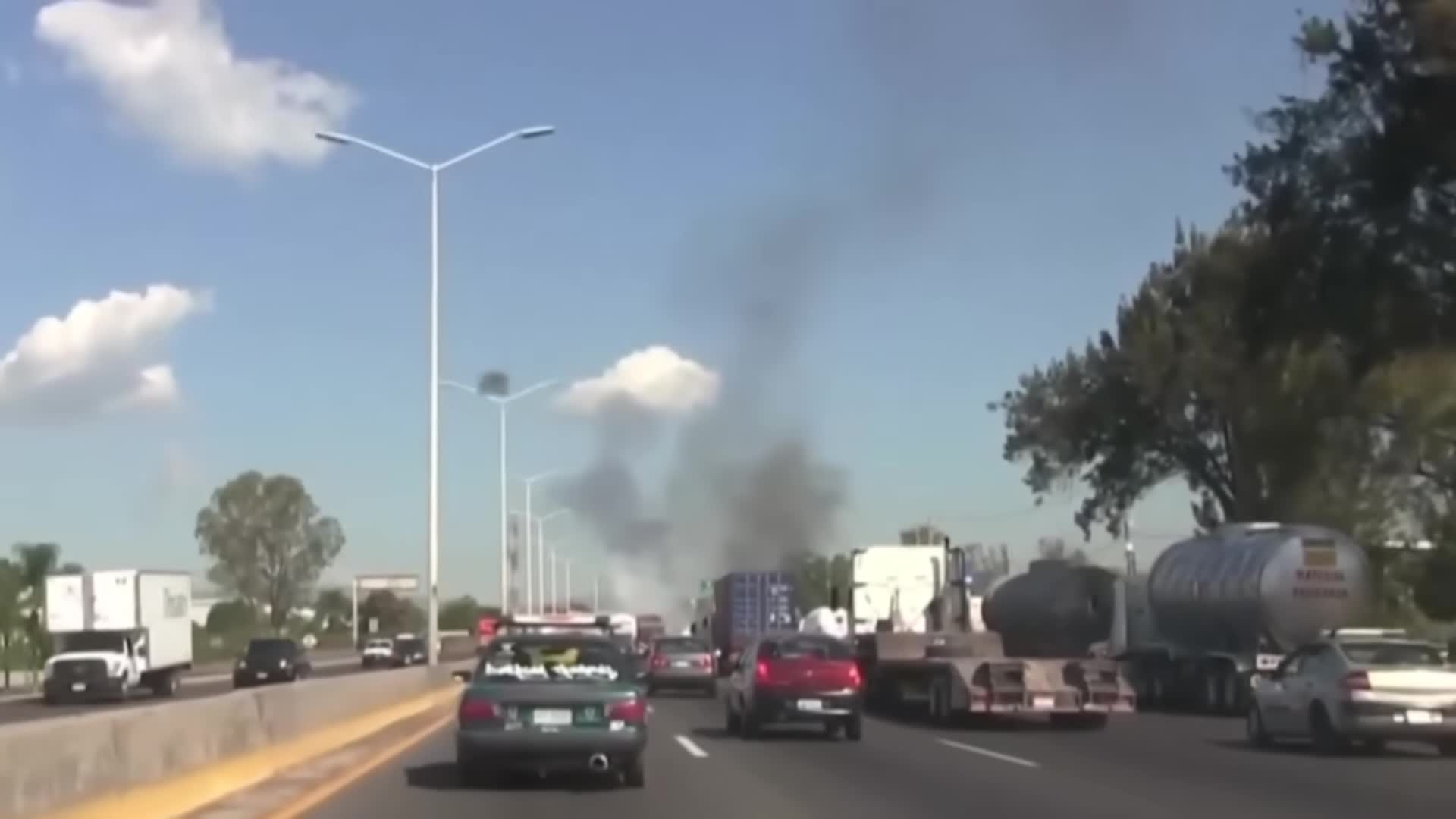 The strategy was brutally effective at creating confusion.
A security operation concentrated in one area suddenly forced authorities to respond to incidents scattered across a much wider region.
For ordinary residents, the distinction between the original operation and the retaliation mattered little.
Their immediate reality was blocked roads, smoke and uncertainty.
Drivers encountered disrupted highways.
Businesses shut down.
Emergency services and security forces were forced to respond simultaneously to multiple incidents.
THE CARTEL'S RESPONSE TURNED TRANSPORTATION INFRASTRUCTURE INTO PART OF THE CONFRONTATION.
Burning a vehicle across a highway does not merely destroy property.
It prevents movement.
It diverts police.
It slows reinforcements.
It creates panic.
And because such incidents can be repeated in many locations with relatively few people, they can make a criminal organization appear to be everywhere at once.
That became one of the defining characteristics of the chaos on May 1.
EL MENCHO WAS STILL OUT OF REACH
Despite the enormous security operation, the man at the center of the hunt was not captured.
Nemesio Oseguera Cervantes remained free.
That outcome mattered enormously.
El Mencho had already emerged as a central figure in CJNG's expansion, but the events of May 2015 strengthened the mythology surrounding both the leader and his organization.
Authorities had mobilized significant resources.
A military aircraft had been attacked.
Western Mexico had been thrown into chaos.
And El Mencho was still at large.
That did not mean Operation Jalisco accomplished nothing.
The government continued pursuing the organization's leadership and logistical structure.
In June 2015, authorities announced the capture of Rubén Oseguera González, El Mencho's son, as part of the continuing Operation Jalisco effort. Officials described the broader mission as an attempt to neutralize priority targets while restricting the cartel's operational, logistical and financial capabilities.
Other CJNG figures were also targeted.
But capturing El Mencho himself proved far more difficult.
HOW CJNG TURNED INTO A TRANSNATIONAL TARGET
The significance of the 2015 confrontation becomes even clearer when viewed from the years that followed.
CJNG continued expanding.
American authorities increasingly described it not merely as a Mexican security problem but as a major transnational drug-trafficking organization.
The DEA later characterized CJNG as one of Mexico's fastest-growing transnational criminal organizations and said it had become one of the world's most prolific methamphetamine producers.
U.S. investigators built cases against senior members.
Financial sanctions targeted individuals and businesses associated with the organization.
Rewards for El Mencho increased.
By December 2024, the United States was offering up to $15 million for information leading to his arrest or conviction.
 For years, the same question remained:
How had a man pursued by both Mexican and American authorities managed to stay out of custody for so long?
Part of the answer was the protection surrounding him.
CJNG operated across difficult terrain and relied on armed personnel, intelligence networks and local connections.
The 2015 helicopter attack had already demonstrated what could happen when security forces entered territory where the cartel was prepared to defend its leadership.
2015 BECAME A WARNING FOR EVERY FUTURE OPERATION
The events of May 1 had another long-term consequence.
Any future attempt to capture El Mencho would have to account for the possibility of an immediate armed response.
That was no theoretical concern.
CJNG had already demonstrated an ability to attack security forces and generate simultaneous disturbances across a wide area.
The cartel's reputation for heavy weaponry became increasingly important.
When Mexican authorities finally located El Mencho again in 2026, they would find weapons that echoed the threat seen eleven years earlier.
According to the Mexican government, the February 2026 operation recovered seven long guns and two rocket launchers, including an RPG.
The symbolism was difficult to miss.
During the government's official briefing after the operation, Defense Minister Ricardo Trevilla specifically connected the RPG to the weapon used against the military helicopter in 2015.
The two operations were separated by more than a decade.
But they formed bookends to the same manhunt.
THE MANHUNT FINALLY REACHED TAPALPA
By February 2026, Mexican military intelligence had been tracking people close to El Mencho.
The breakthrough came through surveillance of his personal network.
Mexican officials said intelligence personnel identified a trusted associate of one of El Mencho's romantic partners. That woman was followed to a facility near Tapalpa, Jalisco, where authorities concluded she had met with him.
After she left, intelligence indicated El Mencho remained at the property.
The operation began during the night and early hours of February 22.
Special forces moved toward the location.
Aircraft supported the mission.
The plan, according to Mexican authorities, was to establish a perimeter and arrest him.
But the security detail surrounding El Mencho opened fire.
Mexican special forces returned fire.
The confrontation quickly became intense.
Authorities later said eight cartel gunmen were killed in the initial phase and weapons and vehicles were seized.
El Mencho and members of his security detail escaped toward wooded terrain.
Special forces pursued them.
A second confrontation followed.
This time, the man who had escaped capture for years was wounded.
Two bodyguards were also wounded.
El Mencho was evacuated by air but died while being transported. Mexico's government subsequently confirmed the operation and his death.
THE MANHUNT THAT HAD SURVIVED THE CHAOS OF 2015 WAS FINALLY OVER.
But once again, the story did not end with the raid.
HISTORY REPEATED ITSELF AFTER THE 2026 OPERATION
The similarities were immediate.
After the Tapalpa operation, violent reactions erupted across Mexico.
Vehicles were burned.
Roads were blocked.
Gas stations and businesses were attacked.
Authorities were forced to mobilize nationally.
Mexico's Security Cabinet initially reported hundreds of disruption incidents as information arrived from different jurisdictions. By the following day, the government reported 85 blockades on federal highways across 11 states, saying all had been cleared and that 70 people had been detained in seven states.
The pattern was strikingly familiar.
A high-level operation in Jalisco.
An armed confrontation.
Then coordinated disruption far from the immediate scene.
ELEVEN YEARS AFTER THE 2015 CHAOS, THE SAME BASIC STRATEGY APPEARED AGAIN.
The scale and political environment had changed.
The organization had changed.
Mexico's security institutions had changed.
But the logic of retaliation—disrupt roads, burn vehicles, stretch authorities across multiple locations—remained recognizable.
WHY THE 2015 FOOTAGE MATTERS MORE AFTER 2026
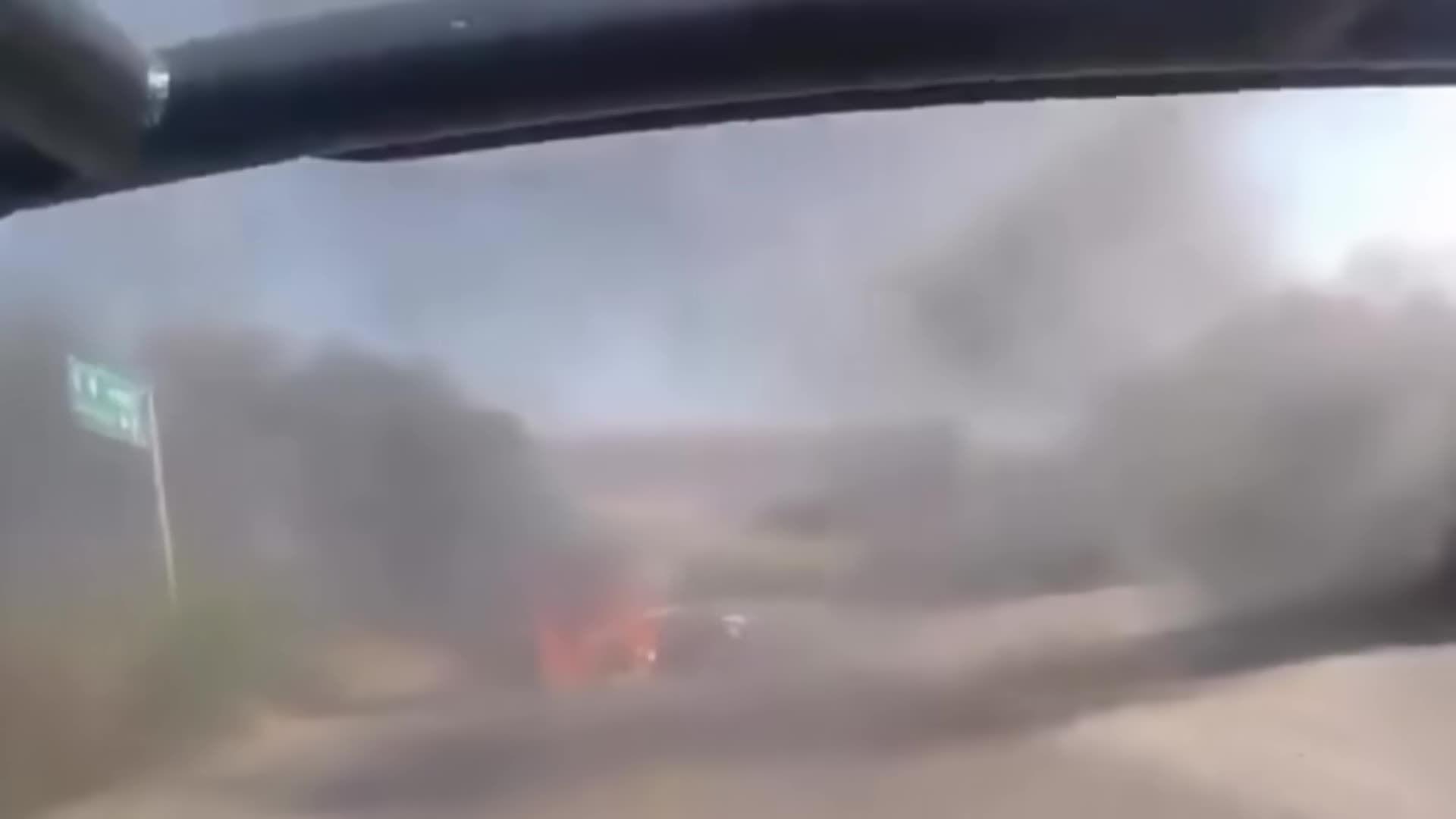
Watching footage of the 2015 operation after El Mencho's death changes its meaning.
At the time, May 1 looked like a spectacular failure to capture an elusive cartel leader combined with an extraordinary display of CJNG firepower.
Today, it looks like the beginning of a much longer confrontation.
The helicopter attack revealed how far the organization was prepared to go.
The roadblocks revealed its capacity for coordinated disruption.
El Mencho's escape demonstrated the difficulty of penetrating the protection around senior cartel leadership.
And the following decade demonstrated that one high-profile operation could not dismantle the organization.
The lesson is uncomfortable but important.
REMOVING A LEADER AND DISMANTLING AN ORGANIZATION ARE TWO VERY DIFFERENT THINGS.
CJNG developed networks, commanders, financial structures and trafficking routes that extended far beyond one individual.
That is why the death of El Mencho in 2026 did not automatically mean the disappearance of CJNG.
Indeed, authorities and analysts immediately began watching for leadership struggles and potential fragmentation after his death. Reuters reported that experts warned the removal of the cartel's dominant leader could trigger competition inside the organization.
THE COST WAS NOT LIMITED TO CARTEL MEMBERS
It is easy for a story about a notorious cartel leader to become focused entirely on the personalities involved.
That would miss the human cost.
Soldiers died in the 2015 helicopter attack.
Federal personnel were injured.
Civilians experienced roadblocks, burning vehicles and attacks on businesses.
The Defense Ministry eventually reported that eight military personnel and one Federal Police agent had died from injuries connected to the May 1 events.
 That number transforms the helicopter from a dramatic piece of footage into something much more serious.
People were inside it.
Families lost relatives.
Other personnel survived with injuries.
The same principle applies to the chaos on the ground.
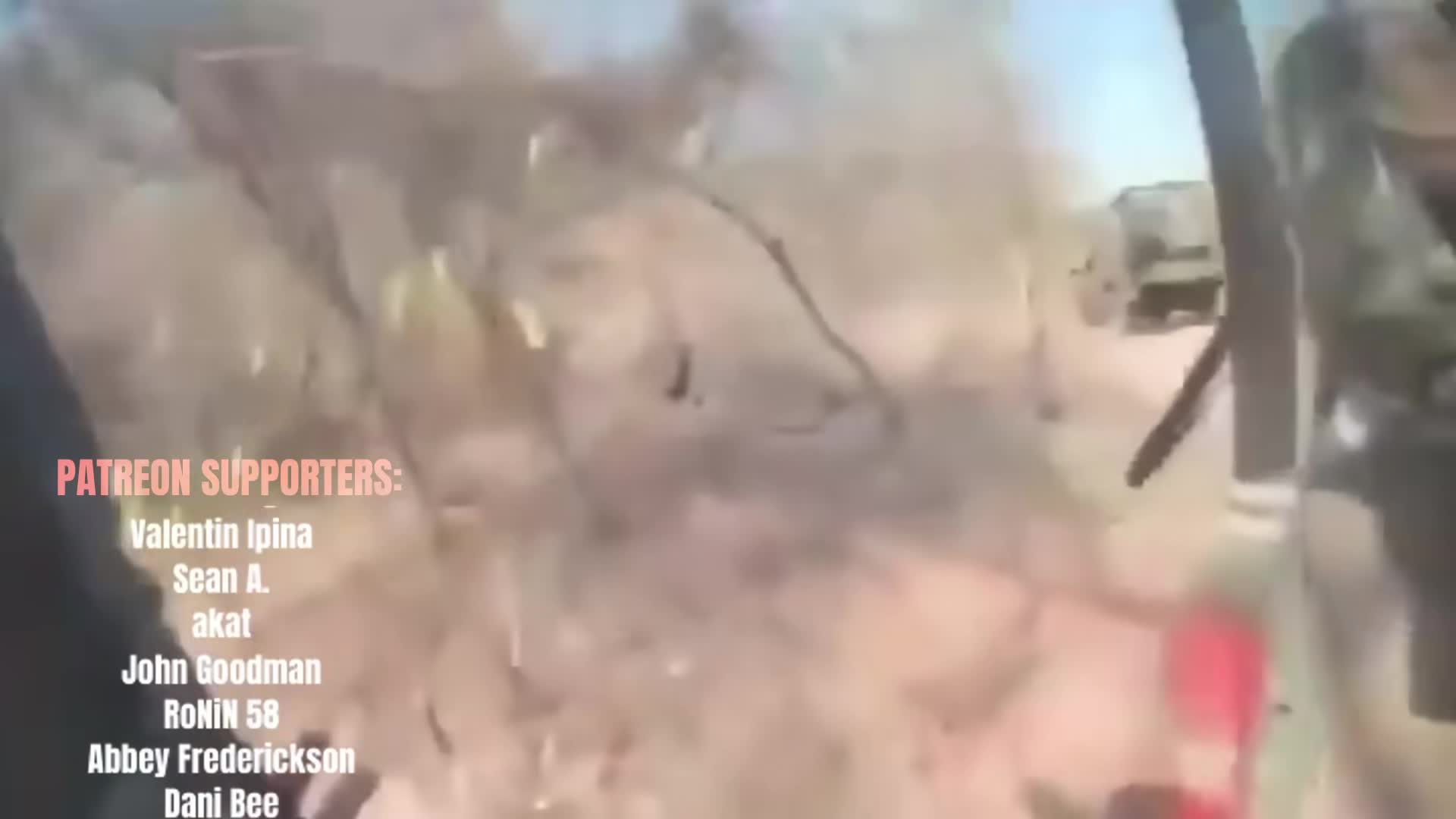
A burning truck on a highway may look spectacular on video, but for the people trapped nearby it represents danger, disrupted transportation and uncertainty about where the next confrontation might occur.
THE REAL CONSEQUENCES OF ORGANIZED CRIME ARE FELT MOST DIRECTLY BY PEOPLE WHO HAVE NOTHING TO DO WITH THE ORGANIZATION ITSELF.
That is why context matters when using footage this dramatic.
The images should not become spectacle detached from what happened.
FROM A FAILED 2015 MANHUNT TO THE END OF EL MENCHO
The historical arc is remarkable.
On May 1, 2015, Mexican forces entered Jalisco as part of a massive interagency operation.
They encountered an organization prepared to fight.
A military helicopter went down.
Roads were blocked.
Vehicles burned.
El Mencho escaped.
For years afterward, Mexican and American authorities continued applying pressure.
CJNG members were arrested.
Assets and businesses were sanctioned.
Federal indictments accumulated.
The reward for El Mencho eventually reached $15 million.
Yet he remained outside custody.
Then, in February 2026, military intelligence finally located him near Tapalpa.
Once again, armed men resisted.
Once again, aircraft became involved.
Once again, cartel-linked violence erupted after the operation.
But this time El Mencho did not escape.
He died from injuries sustained during the attempted arrest.
The contrast between the two operations provides perhaps the clearest way to understand the scale of the story.
2015 SHOWED THE POWER OF THE ORGANIZATION PROTECTING HIM.
2026 SHOWED HOW LONG THE STATE WAS WILLING TO KEEP HUNTING HIM.
THE CHAOS AFTER THE RAID WAS PART OF THE STORY
The most memorable image from May 2015 may be the helicopter.
But focusing only on that attack misses what made the day strategically important.
CJNG demonstrated that violence did not have to remain concentrated around the target of a police or military operation.
It could be distributed.
A roadblock somewhere else forces authorities to respond there.
A burning vehicle creates another emergency.
An attack on a business creates fear among civilians.
Do this repeatedly and a localized security operation becomes a regional crisis.
That was the real power of the reaction.
The cartel did not need to defeat Mexico's armed forces conventionally.
It needed to create enough simultaneous disorder to complicate the government's response.
That lesson helps explain why the events remain relevant more than a decade later.
The same basic concern—how criminal organizations react when leadership is threatened—was visible again following the 2026 operation.
And that is why the footage in this video is more than dramatic archival material.
It documents an important stage in the evolution of the conflict between the Mexican state and CJNG.
THE END OF EL MENCHO DID NOT ERASE THE ORGANIZATION
El Mencho's death closed one chapter.
It did not automatically close the CJNG story.
In August 2026—six months after the Tapalpa operation—Mexico's Defense Ministry announced another major operation against alleged CJNG members in Michoacán.
Authorities reported nine arrests and seizures including dozens of vehicles, machine guns, long guns, grenade-launching equipment, improvised explosive devices and a drone.
Meanwhile, U.S. authorities continued targeting senior CJNG figures after El Mencho's death, announcing new charges and major rewards for remaining leaders.
That continuation underscores the fundamental challenge.
A cartel is a network.
Leadership matters enormously, but the infrastructure beneath it can survive.
Trafficking routes remain.
Weapons remain.
Money remains.
Regional commanders remain.
Rivalries over succession can even create new instability.
THE DEATH OF A CARTEL BOSS CAN BE A MAJOR VICTORY WITHOUT BEING THE END OF THE CARTEL.
CONCLUSION — THE DAY CJNG SHOWED WHAT IT COULD DO
May 1, 2015 began as a government offensive.
By the end of the day, it had become a demonstration of just how formidable CJNG had grown.
The helicopter attack shocked the country.
The roadblocks demonstrated coordination.
The burning vehicles demonstrated the cartel's ability to disrupt civilian infrastructure.
And El Mencho's escape ensured that the confrontation would continue for years.
What followed was one of the longest and most consequential cartel manhunts of the modern era.
The United States increased rewards.
Mexico arrested members of El Mencho's family and organization.
CJNG expanded internationally.
And El Mencho remained one of the most sought-after fugitives in the hemisphere.
Until February 22, 2026.
That morning in Tapalpa, Mexican forces finally reached him.
He was wounded during the operation and died during evacuation. The resulting retaliation once again produced roadblocks, fires and widespread disruption.
It was an ending that strangely echoed the beginning.
A RAID.
A SHOOTOUT.
HEAVILY ARMED CARTEL MEMBERS.
AIRCRAFT.
AND CHAOS SPREADING FAR BEYOND THE LOCATION OF THE ORIGINAL OPERATION.
Eleven years separated the two confrontations.
Together, they tell the story of the rise, survival and eventual death of one of Mexico's most notorious cartel leaders—and of an organization powerful enough to continue operating after him.
WATCH THE FULL STORY
The helicopter attack was only the beginning. The full footage shows how the operation unfolded, how the violence spread beyond the original raid, and why the failed hunt for El Mencho became one of the defining confrontations in Mexico's battle with CJNG.
👉 CLICK THE LINK BELOW TO WATCH THE FULL VIDEO AND SEE HOW THE RAID TURNED INTO CHAOS—AND WHY THE EVENTS OF 2015 WOULD ECHO MORE THAN A DECADE LATER:
Comments (0)
Loading comments...
May You Like

Stolen Charger Flees Police During Highway Traffic Stop

Cop thinks sandwich is phone

Karen Entitled’ Woman Gets Tased After Allegedly Ramming Police Cars












