Driver Takes Control of the Traffic Stop and Speeds Away From Police
Driver Takes Control of the Traffic Stop and Speeds Away From Police
A Traffic Stop That Refuses to Follow the Usual Script
Most traffic stops have a predictable rhythm. An officer signals a vehicle to pull over, approaches the window, explains the reason for the stop and asks for documents. The driver may disagree, but the vehicle normally remains stationary while the officer completes the investigation. The supplied footage begins in that familiar setting and then steadily breaks away from it.
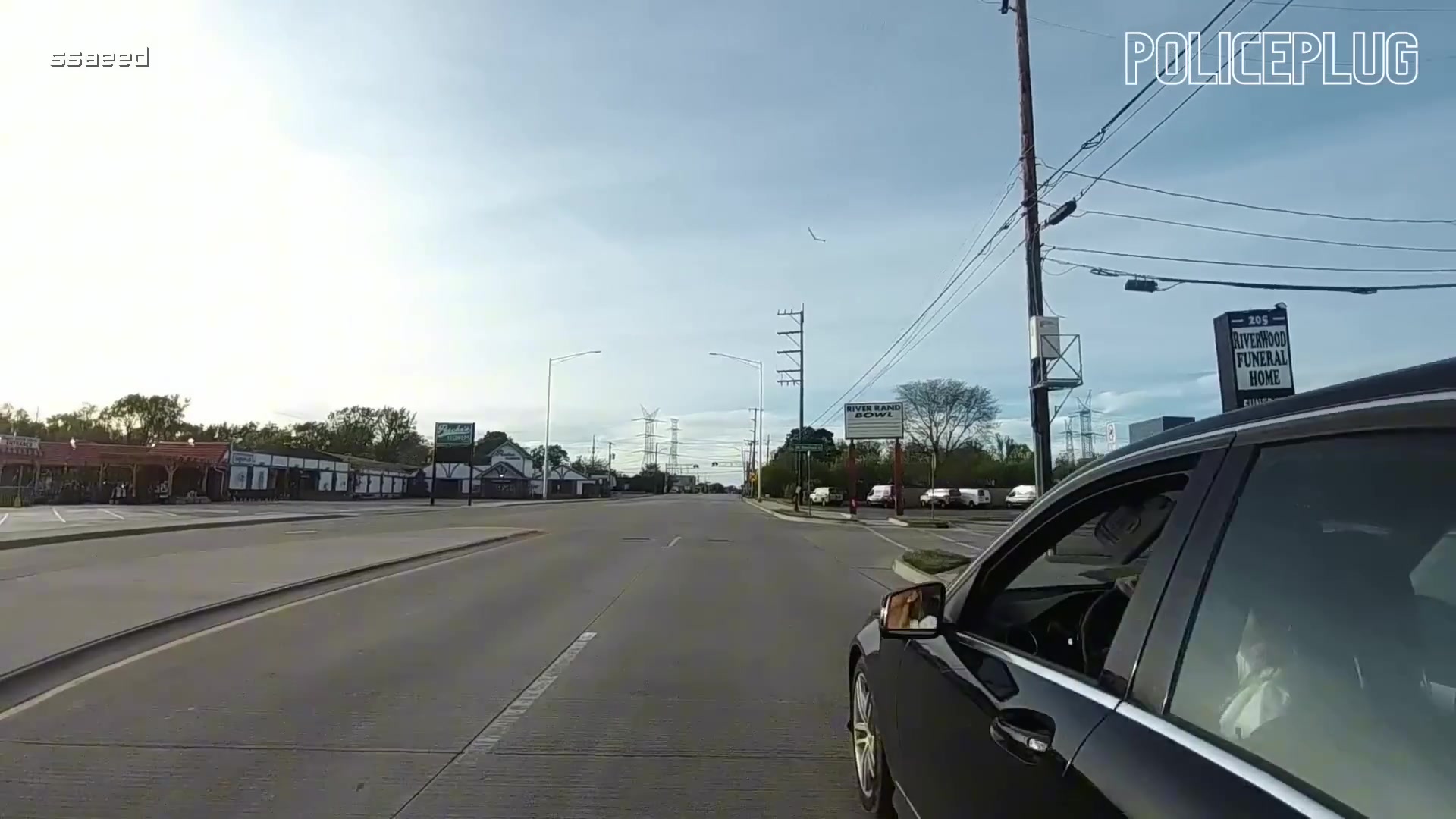
The driver is stopped on a broad commercial roadway in daylight. A sign for River Rand Bowl is visible nearby, providing a strong geographic clue. River Rand Bowl's official site places the business at 191 South River Road in Des Plaines, Illinois. That visual landmark makes Des Plaines the strongest verified location for the encounter. Publicly available Des Plaines Police crime reports also confirm that officers routinely conduct traffic enforcement along South River Road, although research did not locate a report that could be conclusively tied to this exact stop.
Because the exact police report could not be verified, this article does not invent the driver's name, the date of the encounter, the initial traffic violation, citation numbers or final criminal charges. The analysis instead separates what the video itself shows from what can be independently verified about the location.
That restraint matters because the footage becomes dramatic enough without adding unsupported details. The driver repeatedly tries to control the direction of the conversation, resists the officer's effort to keep the stop orderly and eventually drives away while the encounter is still active.
The Driver Begins Challenging the Officer's Control of the Stop
A traffic stop is a temporary detention, not simply a voluntary conversation at the side of the road. Once an officer lawfully initiates the stop, the driver generally cannot decide that the interaction is finished and leave whenever she wants. The officer must be able to complete the tasks reasonably connected to the stop, such as identifying the driver, checking license and registration information and addressing the suspected violation.
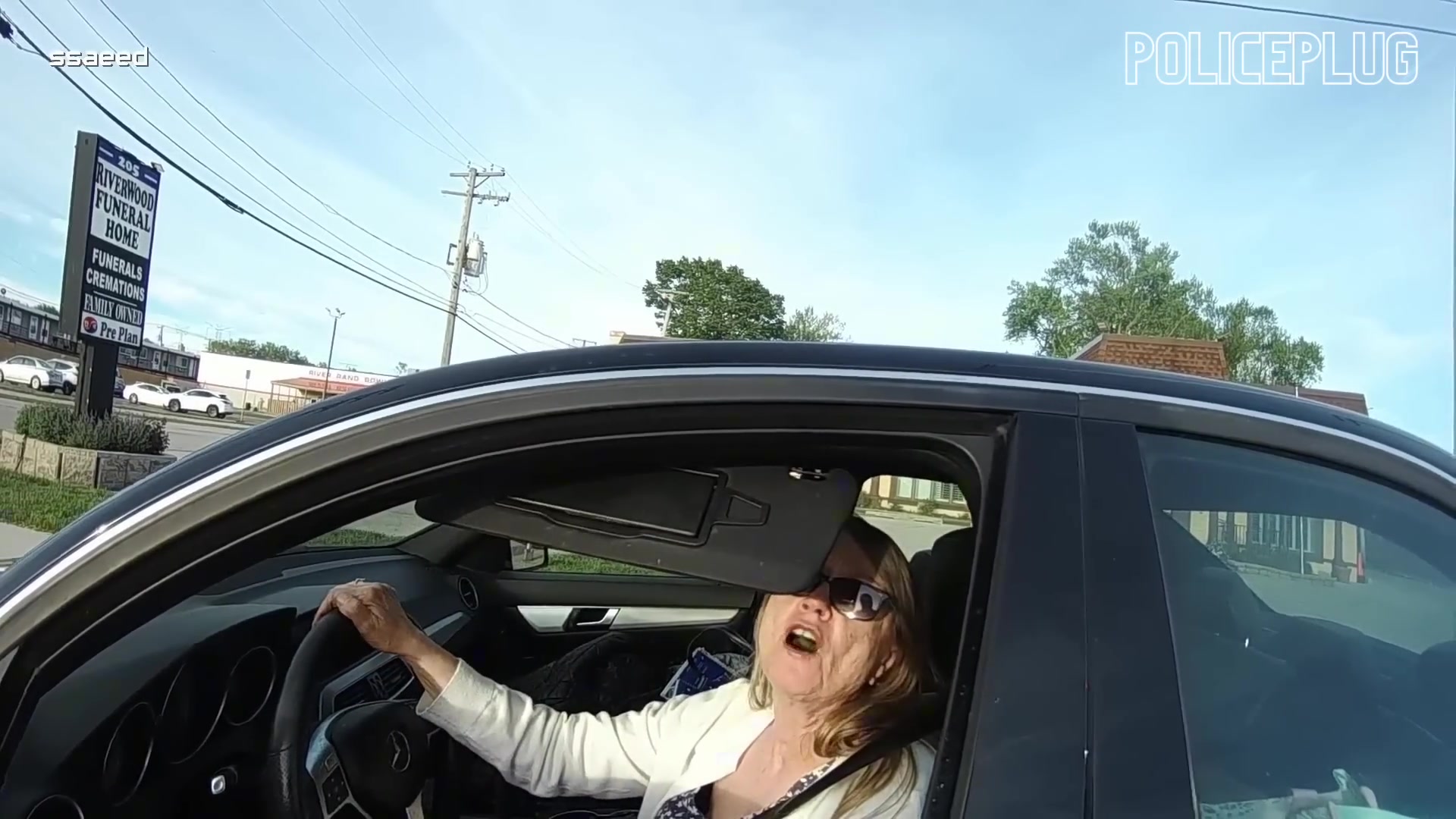
In the footage, the woman does not remain a passive participant. She speaks over the officer, disputes what is happening and attempts to dictate how the contact should proceed. That is the dynamic captured by the original title's phrase “takes over the traffic stop.” It does not mean she literally gains legal authority over the officer; it describes the way she tries to seize control of the interaction.
The officer continues trying to communicate rather than immediately escalating the encounter. That approach is significant. A disagreement during a traffic stop does not automatically require physical force. Officers can repeat instructions, clarify expectations and give a driver an opportunity to comply. The footage shows the officer continuing the conversation even as the driver's frustration becomes increasingly obvious.
For viewers, this part of the video is a reminder that verbal resistance and physical danger are not the same thing. A motorist can be argumentative without posing an immediate physical threat. Police still have to respond to what is actually happening rather than treating irritation alone as justification for a higher level of force.
The Roadside Conversation Becomes a Test of Patience
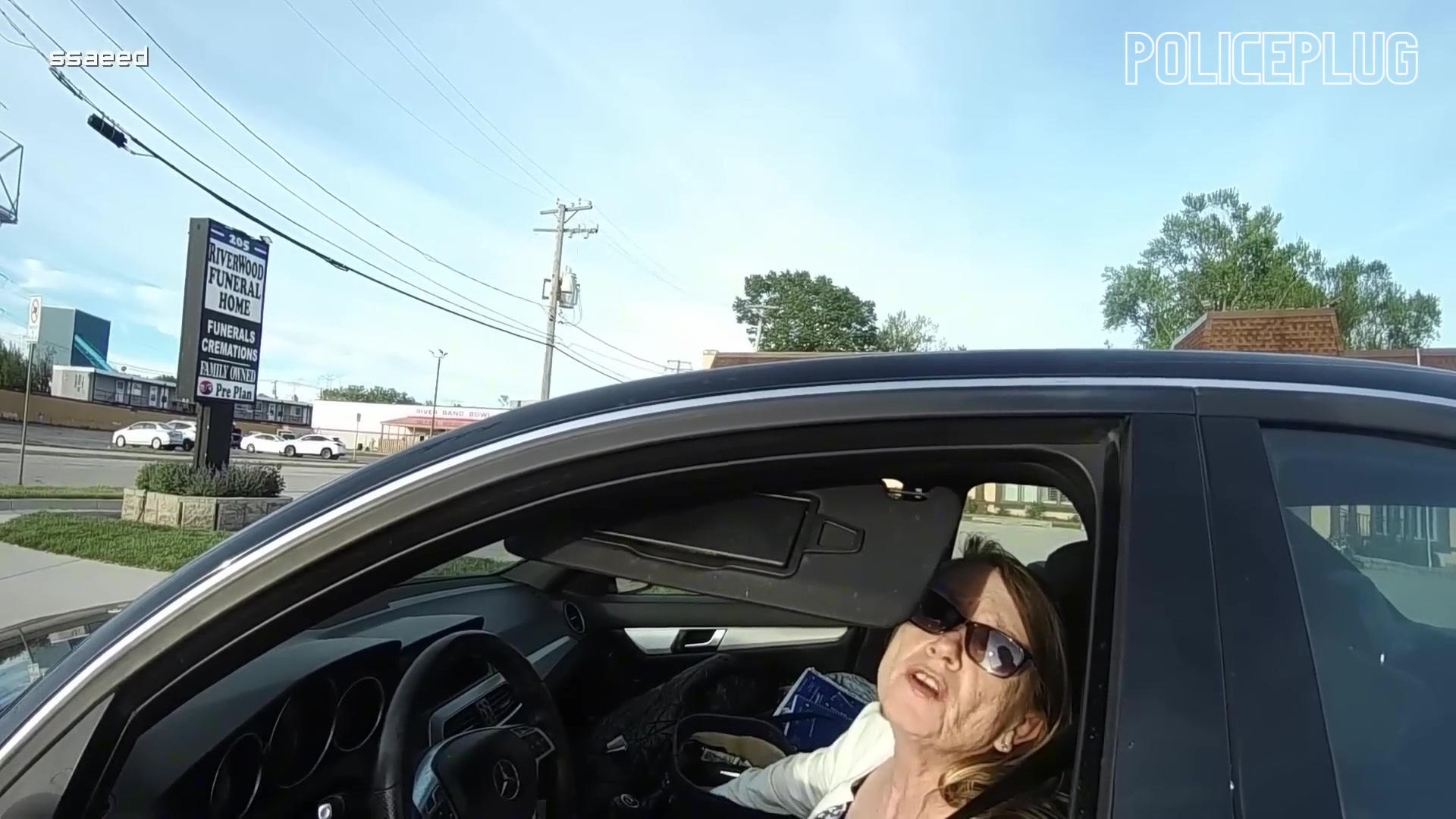
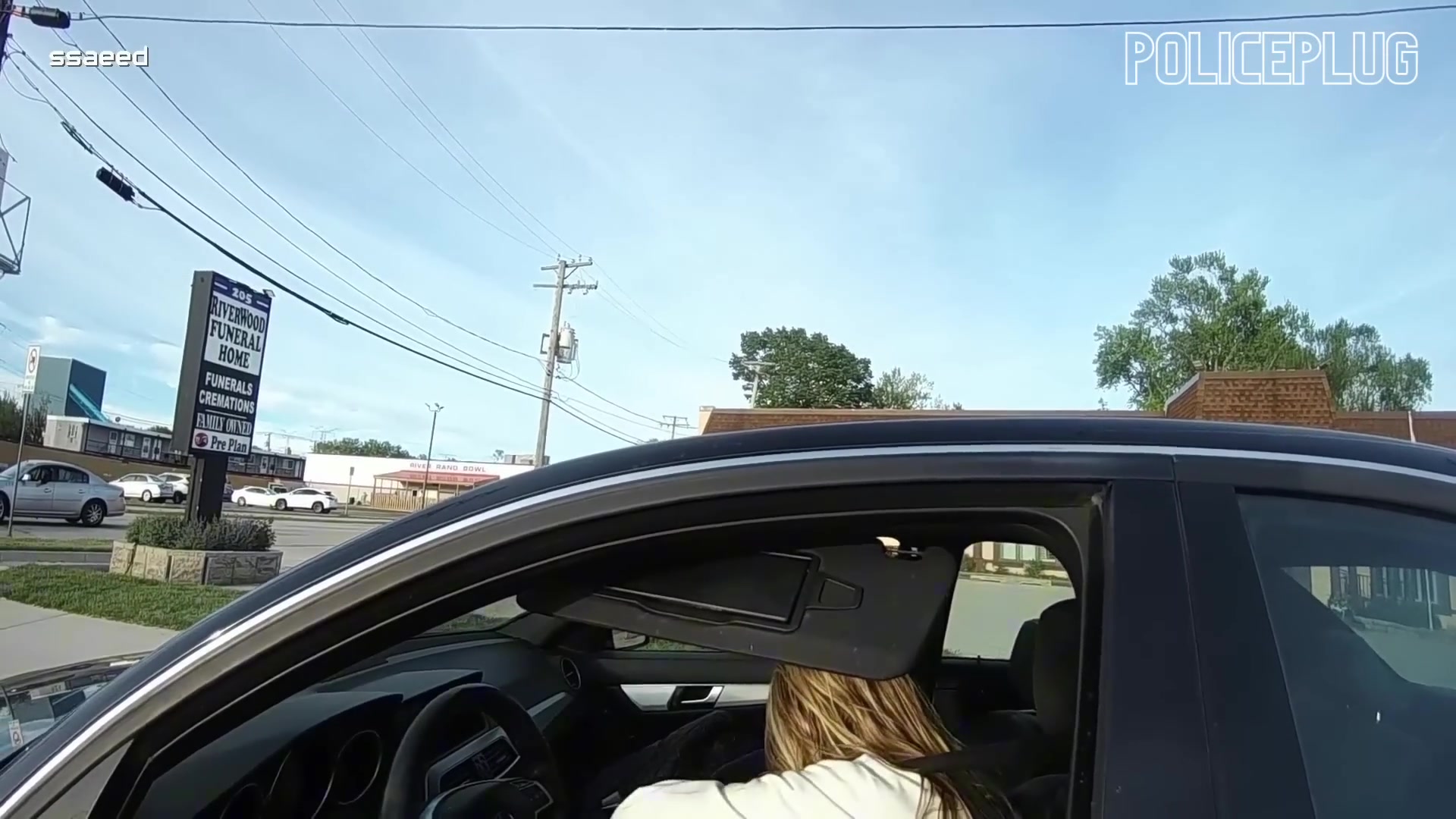
As the stop continues, the driver's posture and tone make clear that she wants the encounter to end on her terms. She reaches around the interior, talks through the open window and continues challenging the officer. The body-camera perspective places the viewer only a few feet away, making the exchange feel more personal than a distant dash-camera recording.
The setting is also unusually visible. River Rand Bowl and neighboring businesses provide fixed landmarks while normal traffic continues nearby. The stop is not occurring on an isolated road. Other drivers pass within view, and the officer must remain aware of the traffic lane while focusing on the person inside the car.
That environmental awareness is an overlooked part of roadside policing. Officers frequently stand only a few feet from moving vehicles. Their attention is divided between the driver they are speaking with and the traffic approaching from behind. A driver who suddenly moves the stopped vehicle can therefore create an immediate safety problem even before reaching high speed.
The footage does not provide enough verified information to say exactly what prompted the initial stop. It would be easy to fill that gap with assumptions about insurance, registration or another common traffic issue, but doing so would turn a plausible guess into a false fact. What matters for the visible sequence is that the stop is active and the officer has not released the driver when she begins preparing to leave.
She Decides the Stop Is Over Before the Officer Does
The critical turning point arrives when the woman moves the vehicle despite the officer's continued presence and instructions. At that instant, the nature of the encounter changes. The officer is no longer dealing only with a difficult roadside conversation. He is dealing with a driver who is leaving an active police detention.
The footage makes the change easy to understand. One moment the officer is standing beside the driver's window. The next, the car is moving away. The officer has to step back, reassess and transition from face-to-face communication to a vehicle response.
That transition is one reason officers are cautious about reaching deeply into a vehicle or standing where a sudden acceleration could trap them. A car can move faster than a person can disengage. Even if a driver is not deliberately trying to strike an officer, pulling away while an officer is beside the window can create a serious risk of being knocked down, dragged or pinned.
The officer does not have the luxury of debating the driver's reasoning once the car leaves. The immediate question becomes whether to follow and how to communicate the vehicle's direction of travel. A routine stop has now become an evasion event, and the risk extends beyond the original driver and officer to everyone using the road ahead.
The Encounter Moves From Bodycam to the Road
After the woman drives away, the visual character of the video changes. The close body-camera view gives way to a broader pursuit perspective. The same car that had been stationary beside the officer is now traveling ahead on the roadway while a police vehicle follows.
This is the point where a viewer can see why fleeing a traffic stop can create consequences far beyond the original reason for the stop. Whatever the initial violation may have been, leaving forces police to make a new set of decisions. Officers must consider traffic density, speed, road conditions and the danger created by continuing the pursuit.
Police pursuit policies vary by department and by the seriousness of the underlying circumstances. Agencies commonly require officers and supervisors to balance the need to apprehend a fleeing driver against the danger a pursuit may create for the public. The supplied footage alone does not establish which specific Des Plaines policy applied or what supervisory decisions were made, so those details should not be invented.
What the video clearly shows is continued movement after the driver leaves the stop. The car remains ahead of the police vehicle on a multi-lane road. At one point the video explicitly notes that no audio is available, limiting what can responsibly be said about radio traffic or commands during that portion of the pursuit.
Why Leaving a Traffic Stop Changes Everything
A driver's frustration with an officer does not legally terminate a detention. In general, a motorist who believes a stop or citation is improper has safer avenues for challenging it later through a complaint process or court. Driving away while the stop is still active can transform a minor encounter into a much more serious investigation.
That principle is visible here even without knowing the final charge sheet. Before the car moves, the disagreement is contained to the roadside. After the car moves, a police vehicle is following it through public traffic. The physical scale of the incident expands immediately.
There is also a practical reason officers emphasize remaining in place. The roadside environment is already unpredictable. A sudden departure can force the officer to move away from the car, can surprise other motorists and can lead to rapid acceleration or unsafe lane changes. What was previously a controlled location becomes a moving problem.
None of that requires assuming the driver's motive. The footage cannot tell us whether she believed she was legally free to go, was acting impulsively or had some other reason for leaving. Motive is different from observable conduct. The observable fact is that she drives away before the officer has clearly ended the stop.
The Des Plaines Location Can Be Verified Even Though the Case Cannot
One of the strongest pieces of evidence in the video is not a badge or a license plate. It is the surrounding commercial landscape. River Rand Bowl is clearly visible in the footage. The bowling center's official website lists its address as 191 South River Road, Des Plaines, Illinois 60016. That places the roadside encounter on South River Road in Des Plaines.
This kind of geographic verification is valuable when researching reposted police footage. Social-media uploads often remove original descriptions, dates and agency information. Businesses, road signs, intersections and distinctive buildings can restore part of that missing context.
But location alone is not enough to identify a specific arrest. Des Plaines Police publishes crime reports containing numerous traffic stops, arrests and fleeing incidents. None of the searchable public reports reviewed for this article provided enough matching details to connect one named driver to the exact footage with confidence.
That is why no identity appears in this article. A similar traffic stop on the same road is not the same incident. Exact identification would require additional matching evidence such as the date, report number, vehicle description, officer narrative and final disposition.
This distinction is especially important for criminal-justice content. Incorrectly attaching another person's name or charges to a video can turn a research error into a serious false allegation. When the evidence stops, the article should stop with it.
Bodycam Shows the Limits of a Viral Headline
“Woman Takes Over Traffic Stop & Flees From Officer” is an effective short description because it captures the video's central reversal. The officer begins the encounter in the conventional position of directing the stop. The driver increasingly challenges that structure and ultimately makes the unilateral decision to leave.
But the headline cannot communicate the gradual build-up. The body-camera footage shows that the flight does not appear out of nowhere. It follows a prolonged exchange in which the woman repeatedly pushes back against the officer's instructions. That progression is what gives the departure its context.
The video also demonstrates why body-camera footage is not a complete case file. It can show tone, movement, timing and physical position better than a written report. It cannot necessarily tell viewers the result of a database check, the contents of later charging documents or what happened in court. Those facts require independent records.
Likewise, the later pursuit perspective can show that police followed the vehicle, but without complete audio and verified records it cannot establish every tactical decision made over the radio. The responsible approach is to use each source for what it can actually prove.
A Routine Stop Becomes a Moving Police Incident
The central lesson of the footage is how little time it takes for a controlled roadside encounter to become something much harder to manage. At first, one officer is speaking with one driver through an open window. The disagreement is verbal. Traffic passes normally. The vehicle is stationary.
Then the driver decides to move. From that moment, the officer has to abandon the original conversational approach and respond to a vehicle leaving the scene. The roadway, other motorists and the speed of the car all become part of the incident.
There is no need to exaggerate what the video shows. The footage is compelling precisely because the escalation is so ordinary at first. There is no dramatic opening confrontation. Instead, frustration accumulates until the driver makes one decision that changes the entire encounter.
Research confirms the Des Plaines location through the River Rand Bowl landmark, but it does not provide enough reliable evidence to name the woman or state her final charges. Those details remain unverified and are intentionally omitted.
For viewers, watching the complete sequence is more informative than seeing only the moment the car pulls away. The earlier conversation explains how the tension develops, while the later road footage shows the immediate consequence of leaving before the officer has finished the stop.
The result is a clear example of why traffic stops depend on predictable behavior from both sides. Officers need to communicate what they are doing and avoid unnecessary escalation. Drivers can dispute police actions without turning a stationary disagreement into a moving public-safety problem.
Comments (0)
Loading comments...
May You Like
Her Dad Is a Lawyer — Then He Shows Up After Her Arrest | Bodycam US

Neighborhood Grocery Store Suddenly Erupts Into Chaos