
Cop Gets a Wake-Up Call Over How He Treats the Chef’s Grandson
Cop Gets a Wake-Up Call Over How He Treats the Chef’s Grandson
Source note: No official case record could be confidently matched to this footage. The article therefore relies on observable details from the supplied April 16, 2023 AXON Body 2 recording and does not invent identities, charges or a court outcome.
A Simple Encounter Turns Into a Five-Minute Argument
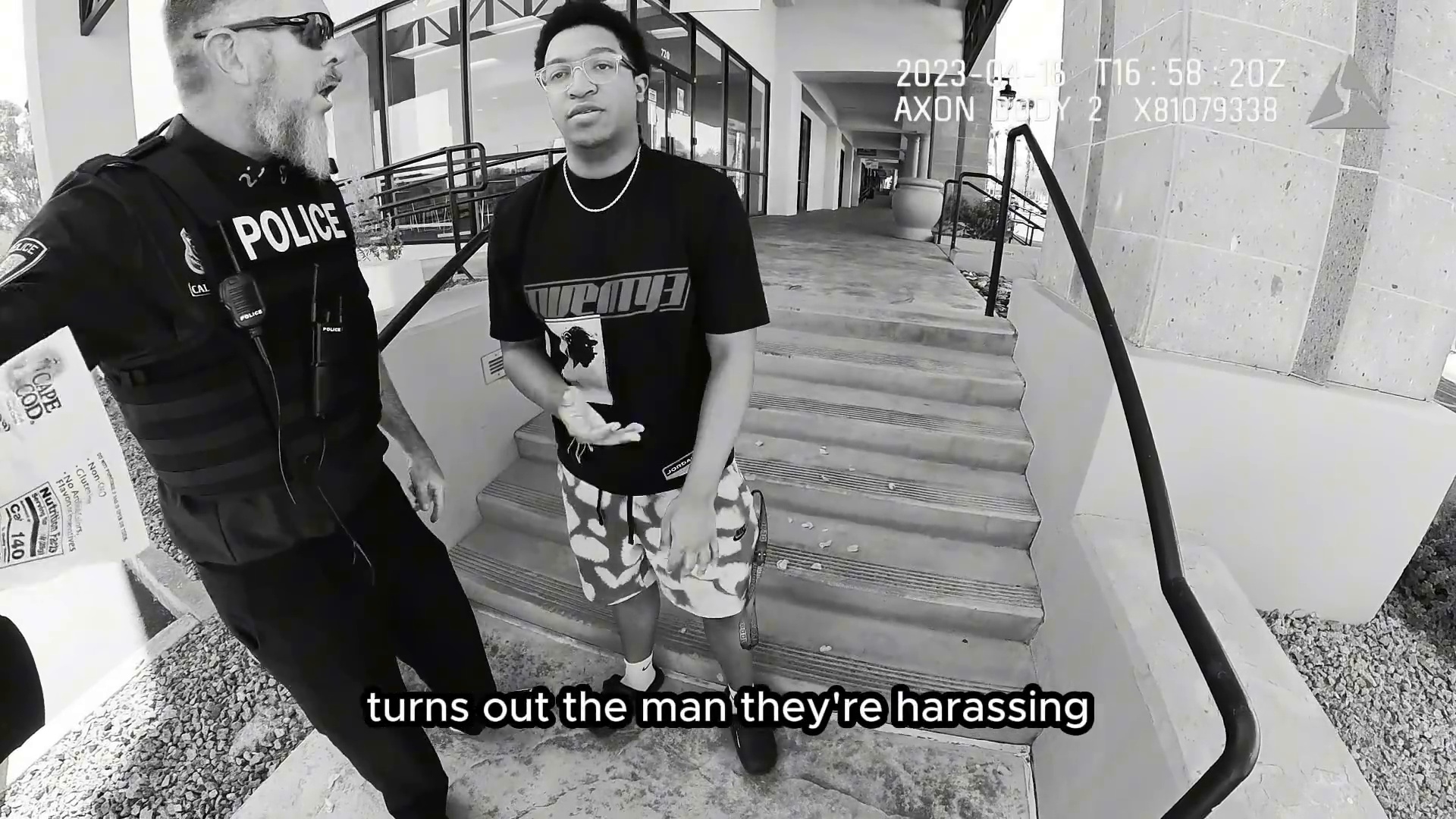
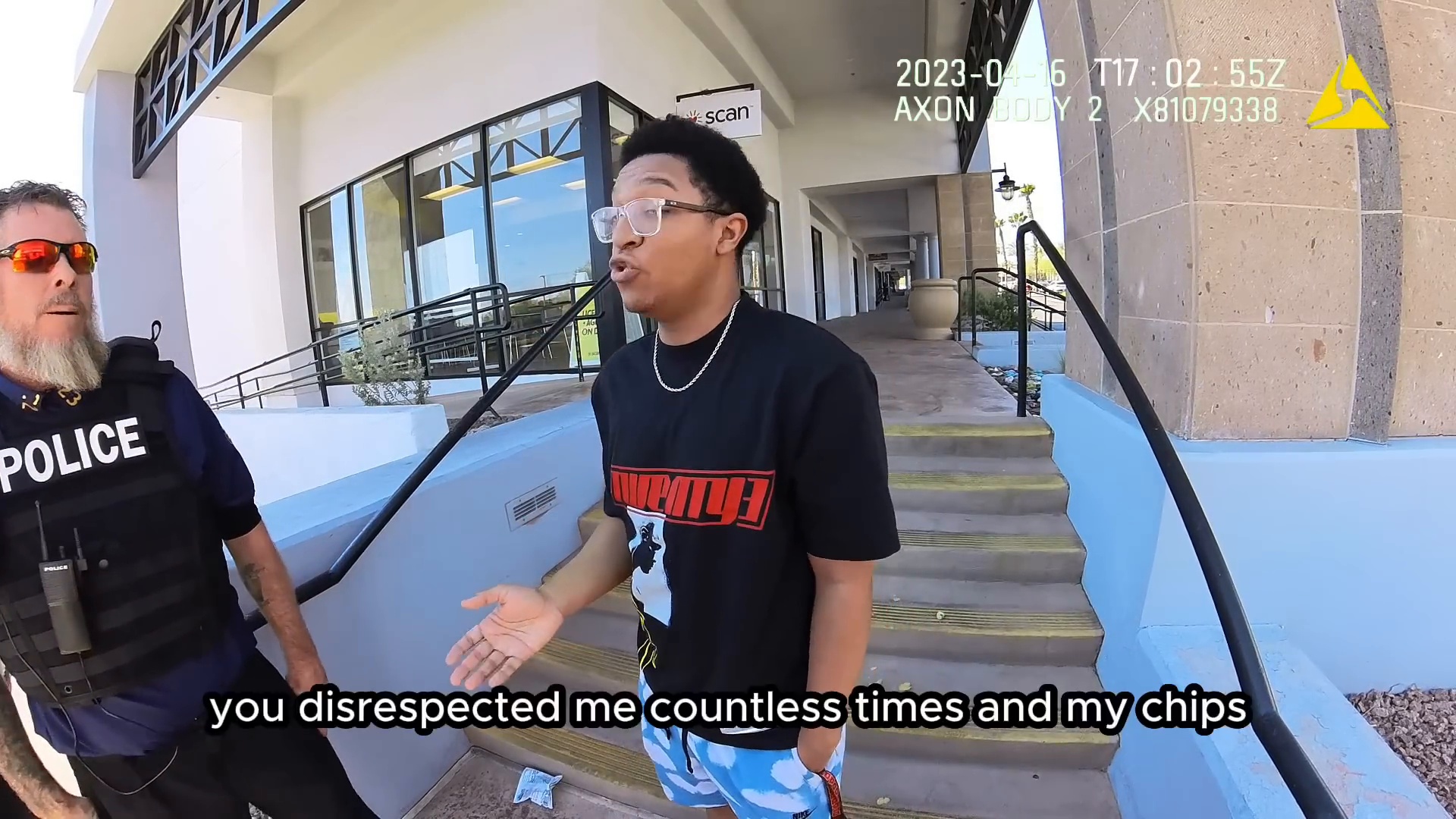
The supplied body-camera video records an encounter on April 16, 2023, beginning shortly before 5:00 p.m. What starts as an officer approaching a young man outside a commercial area quickly becomes a sustained disagreement about identification, authority and the way the officer is speaking to him.
The young man repeatedly asks why the officer needs his identification. One of the clearest lines in the footage is, “What do you need my ID for?” That question becomes the center of the encounter. The officer continues trying to obtain information while the young man pushes back and asks for an explanation.
The original online title describes the young man as “the Chef’s grandson” and says the officer receives a wake-up call over how he treats him. The footage itself does not provide enough independently verifiable information to establish who “the Chef” is, the young man’s identity, or the officer’s department with publication-grade certainty. Public research also did not produce a police report or reliable news article that could be matched to every visual detail in the recording.
For that reason, this article does not invent names, charges or a location. Instead, it follows the body-camera sequence itself and focuses on what viewers can actually see and hear.
The Question of Identification Drives the Dispute
The young man does not simply hand over identification when the officer asks. Instead, he wants to know why the request is being made and what legal basis the officer has for demanding it.
That distinction matters. Police officers can always ask someone for identification, but whether a person is legally required to provide it depends on the jurisdiction and the circumstances. A consensual encounter is different from an investigative detention, and a detention generally requires an articulable legal basis.
Because the department and jurisdiction cannot be independently confirmed from the available material, it would be irresponsible to claim that a particular stop-and-identify statute governed this exact encounter. The video is more useful as a record of the disagreement itself.
The officer appears to expect cooperation. The young man expects an explanation first. Neither side immediately abandons that position, and the conversation becomes increasingly tense.
Tone Becomes Almost as Important as the Original Issue
As the exchange continues, the disagreement is no longer only about a piece of identification. It becomes a dispute over tone, respect and control of the conversation.
The young man objects to the way the officer is handling the contact. The officer continues questioning him. Each new response creates another opportunity for the conversation either to settle down or become more confrontational.
This is a common feature of body-camera encounters that go viral. The underlying issue can be relatively ordinary, but the interaction becomes compelling because both participants are negotiating authority in real time.
The footage does not show a dramatic pursuit or a major use of force. Its tension comes almost entirely from dialogue. That makes the exact words, pauses and changes in demeanor more important than they would be in a fast-moving chase video.
It also means viewers should resist assigning motives that the camera cannot prove. The officer’s internal reasoning and the young man’s private intentions are not visible. What can be evaluated is their observable conduct and what they say to each other.
The Young Man Refuses to Be Intimidated
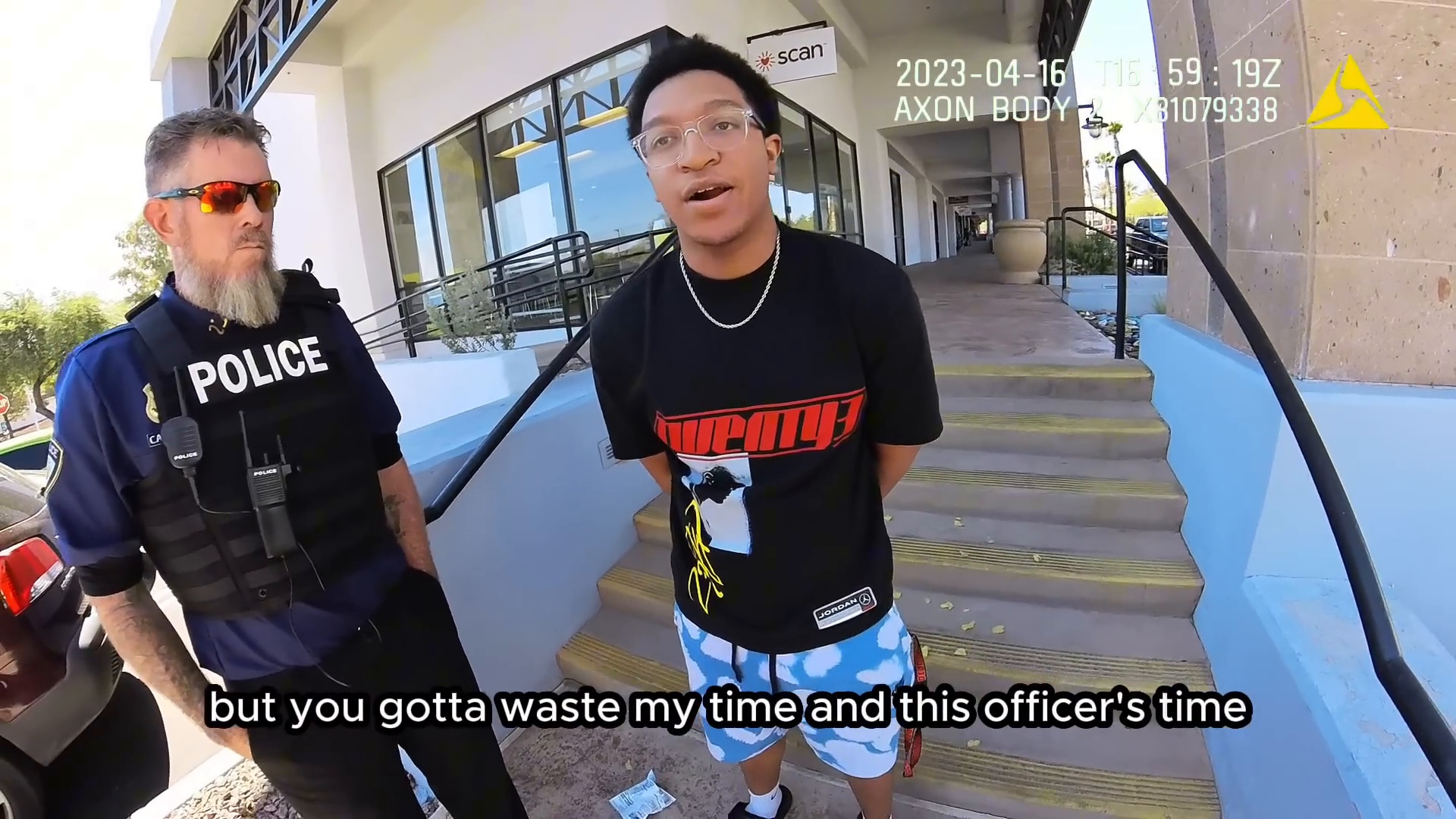
The young man remains verbally assertive throughout much of the encounter. He continues asking questions rather than simply accepting the officer’s demands.
That confidence is central to the original title. The “wake-up call” framing suggests that the officer initially expects an easy interaction and later discovers that the person he is dealing with is willing to challenge his assumptions.
The footage should not be turned into a claim that family connections automatically give someone special legal protection. Being related to a prominent chef, official or community figure would not by itself change the law governing a police encounter.
What can change an interaction is information. If another person arrives, clarifies the situation, knows the parties involved or provides context the officer did not initially have, the officer may reassess what is happening.
The video’s narrative appeal comes from that change in confidence. The young man never behaves as though the officer’s uniform alone ends the discussion.
A Body Camera Preserves the Entire Exchange
The AXON Body 2 recording runs for a little over five minutes. That is long enough to show that the encounter is not accurately represented by one angry sentence or one screenshot.
Body cameras are valuable in this kind of dispute because the central question is often not what physically happened but how the interaction developed. The recording preserves the sequence of requests, questions and responses.
It also protects against exaggeration in either direction. A short social-media clip can make an officer appear more aggressive by removing the conversation that came before a particular command. It can also make a civilian appear unreasonable by starting only after frustration has already built.
The full supplied file allows the encounter to be followed from its early stage through the later change in tone. That chronology is more informative than the viral title alone.
Asking Questions Is Not the Same as Resisting
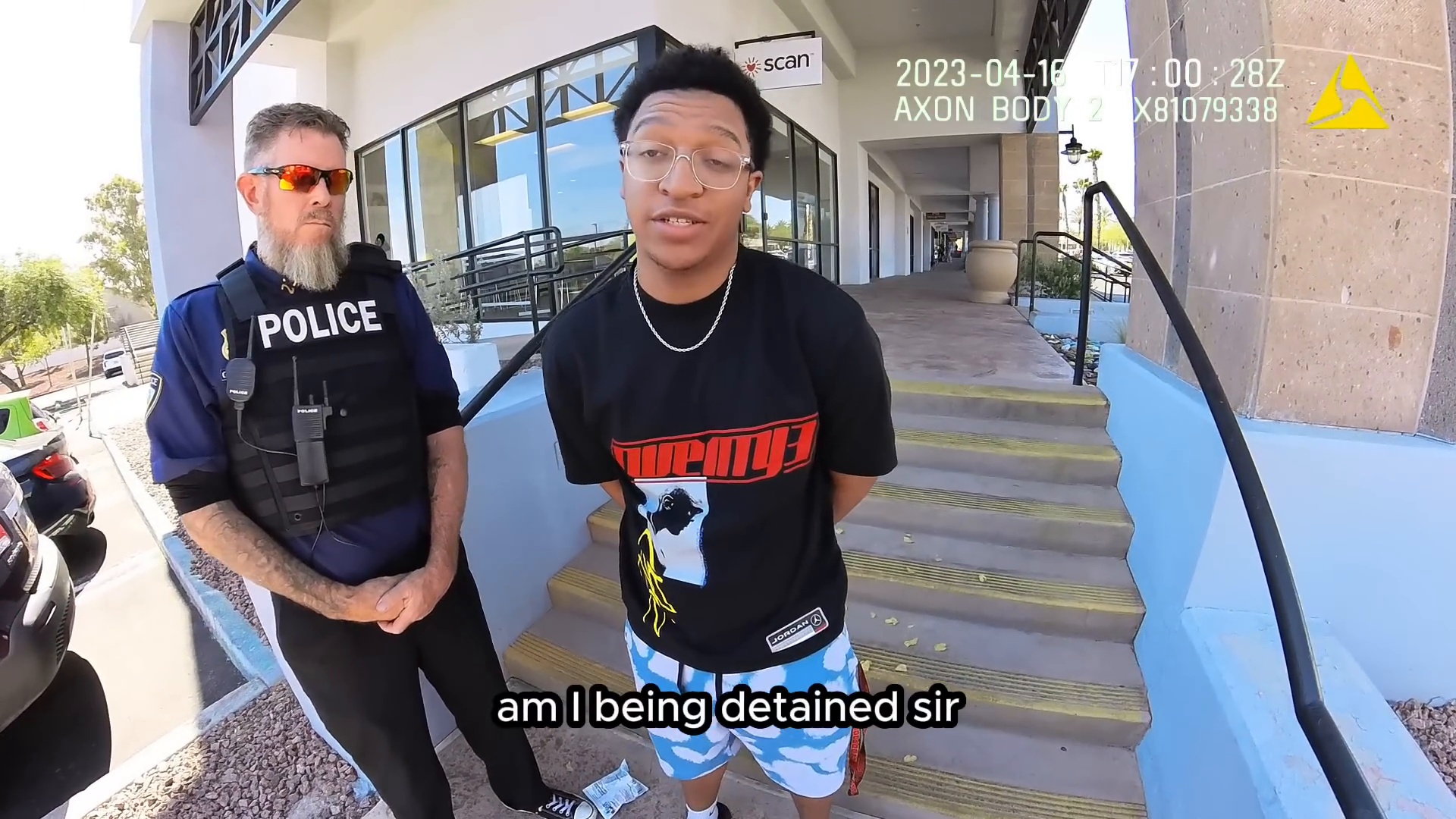
One of the broader issues raised by the footage is the difference between verbally questioning an officer and physically interfering with police activity.
American courts have generally recognized significant constitutional protection for verbal criticism of police. A person does not automatically commit an offense merely by asking an officer to explain a demand or by disagreeing with the officer.
At the same time, constitutional protections do not give someone a right to physically obstruct a lawful investigation or ignore every lawful command. The exact boundary depends on the circumstances and applicable state law.
That legal context is useful here because the encounter is driven largely by speech. The video does not need invented criminal charges to become interesting. The dispute itself is enough.
Without a verified report showing that the young man was cited or arrested, this article does not imply that his questioning constituted a crime.
The Officer Has to Decide Whether the Contact Is Worth Escalating
Police officers make constant decisions about proportionality. Not every disagreement requires handcuffs. Not every refusal to immediately answer a question needs to become a prolonged confrontation.
The footage shows the officer continuing to engage while the young man keeps pressing for justification. That creates a practical question: what is the objective of the contact, and how much escalation is necessary to achieve it?
De-escalation is sometimes misunderstood as simply speaking softly. More often, it involves deciding which objectives actually matter, creating distance, slowing the pace and avoiding unnecessary contests of ego.
The supplied recording is useful because the conflict remains mostly verbal. Viewers can watch the choices being made before the kind of physical escalation that dominates many police videos.
The fact that the scene does not turn into a violent arrest is itself part of the story.
The ‘Chef’s Grandson’ Detail Changes the Social Dynamic
The title attached to the supplied video emphasizes the young man’s relationship to “the Chef.” That description appears to be important to the creator’s interpretation of what happens later in the encounter.
However, the footage and available public sources do not establish enough identifying information to responsibly name that chef. The article therefore preserves the wording only as part of the source video’s framing.
More importantly, the encounter should not be interpreted as proof that police must treat someone differently because of a famous or influential relative. Equal treatment under the law means the opposite.
What the detail can explain is the social shift suggested by the video. An officer who initially sees an unknown young man may later receive context from another person that changes his understanding of the situation.
That is a more defensible reading of the “wake-up call” than claiming that the young man wins the encounter because of status.
No Verified Arrest or Charge Was Found
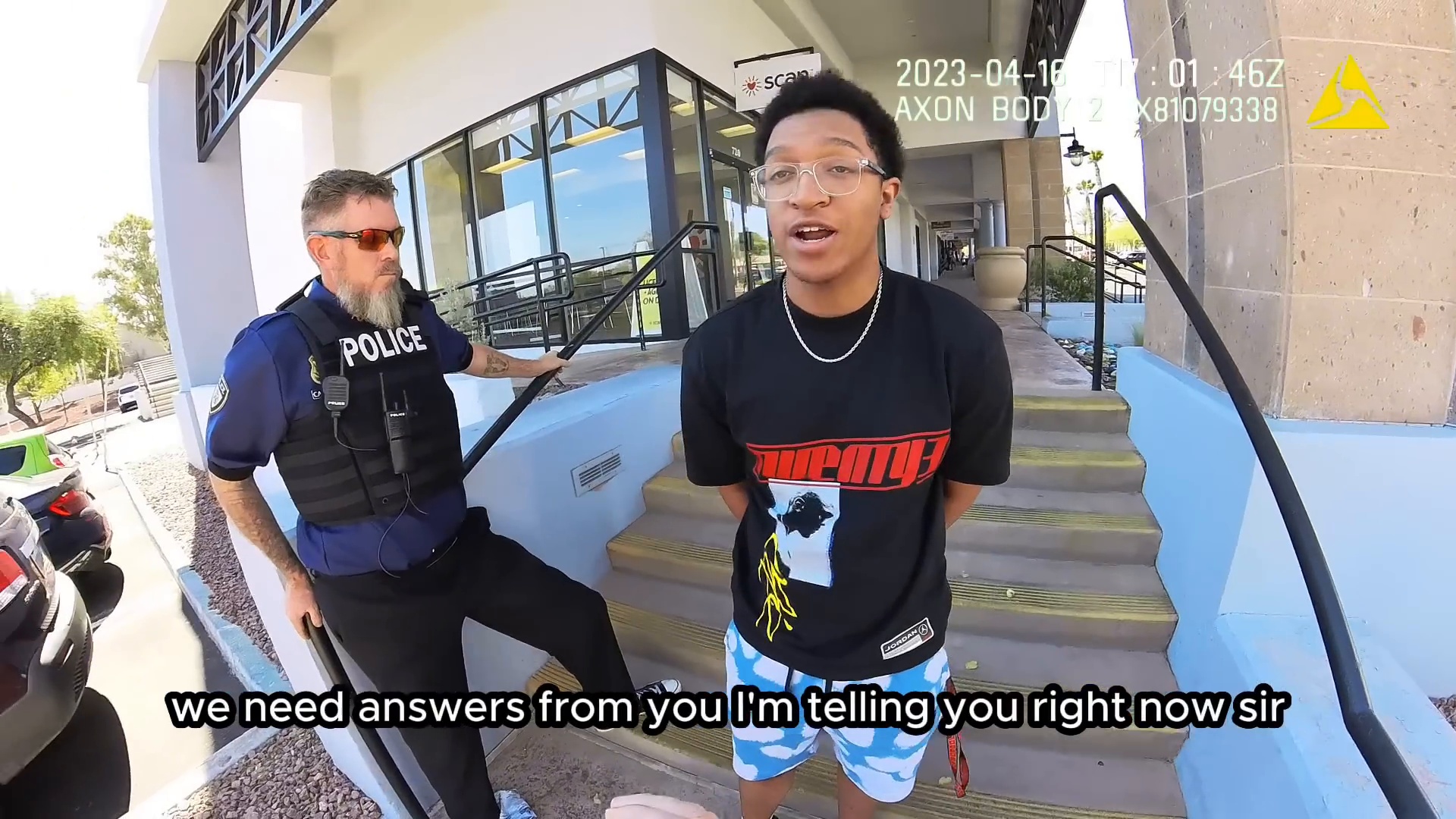
Research was conducted using the April 16, 2023 AXON date, the wording of the viral title, the visible commercial setting and the dialogue about identification. No official police release, arrest record or local news report was located that could be matched to the footage with sufficient confidence.
That means several details remain deliberately unstated: the young man’s name, the officer’s name, the department, the city, any alleged offense and any later court result.
This is preferable to attaching the video to a superficially similar police encounter. Body-camera videos are frequently reposted with altered titles, missing descriptions and little information about their origin.
A factual article should not fill those gaps simply to make the story appear more complete.
The strongest source in this case remains the video itself.
What the Footage Clearly Establishes
There are still several things the recording establishes directly.
The encounter was recorded on an AXON Body 2 camera on April 16, 2023. It occurs in daylight outside a commercial property. An officer speaks with a young man and seeks identifying information. The young man repeatedly questions why that information is necessary.
The discussion becomes tense but remains primarily verbal. The young man does not simply accept the officer’s position, and the officer continues engaging rather than immediately ending the conversation.
Those facts are sufficient to explain why the clip became popular. It is a confrontation built around confidence, authority and an unexpected change in the social balance of the encounter.
No invented criminal backstory is necessary.
Why the Full Five Minutes Matter
A title such as “Cop Gets a Wake-Up Call” naturally encourages viewers to wait for one dramatic reversal. The actual footage is more gradual.
The important part is watching the relationship between the two participants change over the course of the conversation. The officer begins from a position of institutional authority. The young man responds with persistent questions. As more context enters the interaction, the tone evolves.
That progression is easy to lose in a thirty-second edit.
The full video also allows viewers to judge whether either participant is being accurately represented by the viral title. Instead of relying on a creator’s summary, the audience can hear the questions and responses in sequence.
That is one of the strongest arguments for publishing complete body-camera footage alongside commentary whenever possible.
A Small Encounter With a Larger Lesson
The video does not document a major criminal case. There is no verified homicide, pursuit or felony prosecution attached to the material reviewed here. Its value comes from something more ordinary: a citizen and an officer disagreeing about what police can demand during an encounter.
Those smaller interactions matter because they happen far more frequently than the dramatic incidents that dominate headlines.
Citizens benefit from understanding when they are being asked for something voluntarily and when police are issuing a lawful command. Officers benefit from clearly explaining the basis for a detention when circumstances permit.
Confusion about those distinctions can turn a short contact into an argument very quickly.
The young man’s repeated request for an explanation is therefore the most important thread running through the footage.
The Wake-Up Call Is Really About Assumptions
The strongest interpretation of the video is not that a young man has a powerful grandfather who can make police back down. It is that assumptions can shape an encounter before all of the facts are known.
The officer approaches with one understanding of the situation. The young man has another. Their disagreement becomes increasingly visible as neither immediately accepts the other’s position.
Eventually, the encounter develops in a way that inspired the creator to describe it as a wake-up call for the officer.
Without a verified police report, it would be wrong to claim more than the camera shows. But the footage still tells a coherent story: an officer expects cooperation, a young man demands justification, and a routine contact becomes a prolonged debate about authority and respect.
That is enough to make the complete video worth watching, especially because the unedited sequence is more nuanced than the provocative title suggests.
Comments (0)
Loading comments...
May You Like

Entitled Driver Learns Why You Must Obey Lawful Orders During Traffic Stop

The Truth Behind the Suspicious Vehicle and the Standoff with Police

Traffic Stop Turns Deadly After Man Steps Out of Stolen Car













