
Bodycam Shows Fatal Police Shooting of Ethan Freeman in Thornton, New Hampshire
Bodycam Shows Fatal Police Shooting of Ethan Freeman in Thornton, New Hampshire
Verified case: Ethan Freeman, 37, was fatally shot by Thornton Police Officer Matthew Yao on October 19, 2020 at a residence on Four Wheel Drive in Thornton, New Hampshire. Following a criminal investigation, the New Hampshire Attorney General's Office concluded in March 2021 that Yao's use of deadly force was legally justified.
One Officer, Three Encounters, and a Day That Changed Completely
The fatal encounter between Thornton Police Officer Matthew Yao and 37-year-old Ethan Freeman on October 19, 2020 cannot be understood from the final seconds alone. The body-camera video released by the New Hampshire Attorney General's Office documents a day in which the same officer encountered Freeman under dramatically different circumstances.
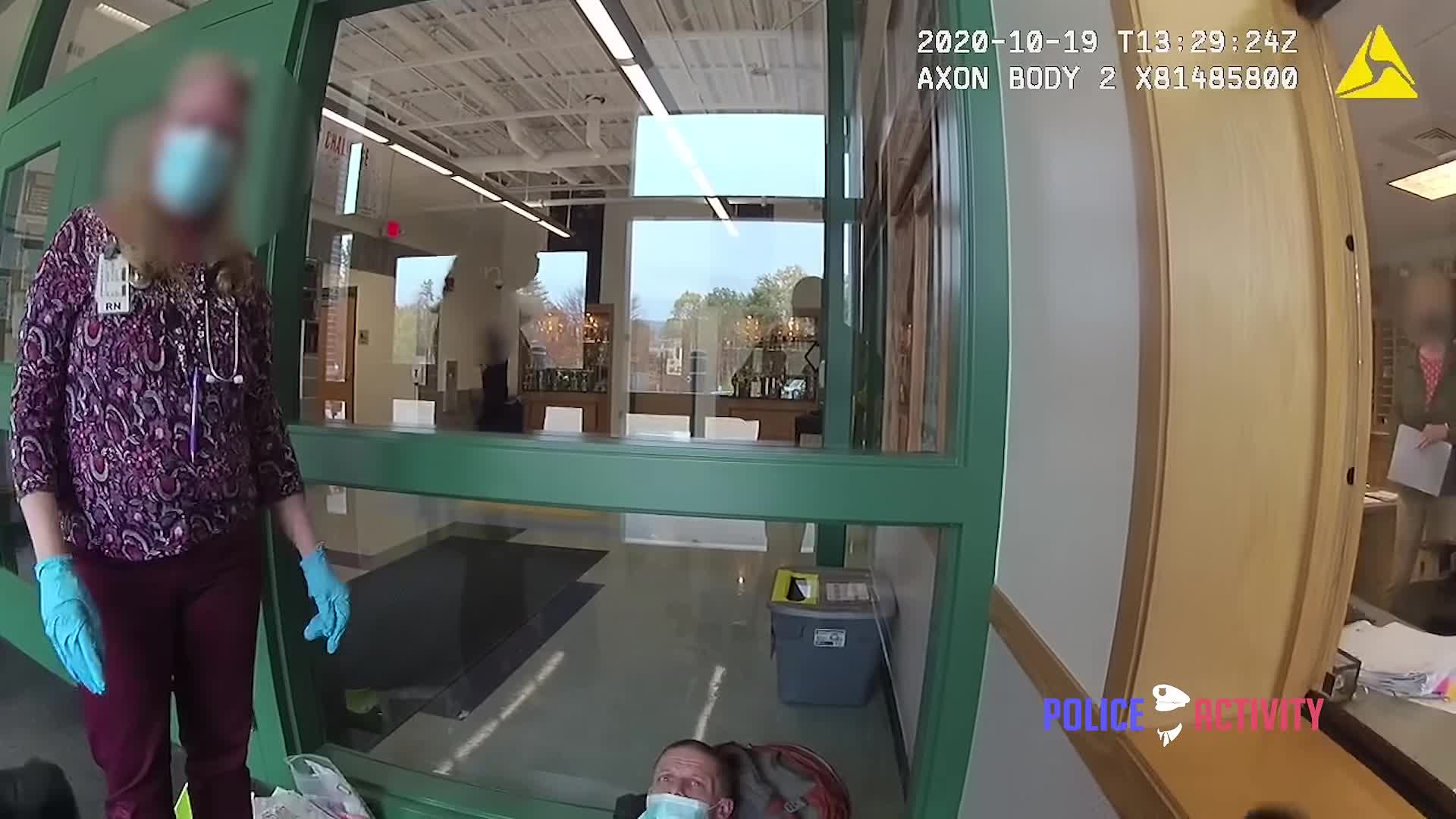
Earlier that day, Freeman appeared at a local school and asked for medical assistance. Officer Yao responded. The interaction was calm and nonconfrontational. Freeman complained of chest pain, and emergency medical personnel transported him for treatment. The footage shows Yao speaking with him in a reassuring manner and helping with practical details before the ambulance left.
Hours later, the situation was completely different. A homeowner on Four Wheel Drive called 911 seeking help for Freeman, who rented a walk-out basement apartment at the residence. Freeman was bleeding, reported chest pain and needed an ambulance. Yao was again sent to assist him.
This time, Yao arrived alone. Within only a few minutes, the call moved from an attempt to provide medical assistance to repeated death threats, a retreat across the property and a fatal police shooting.
The New Hampshire Attorney General's Office later conducted a full criminal investigation. In March 2021, it concluded that Yao's use of deadly force was legally justified and that no criminal charges would be filed against him.
The First Contact Shows a Very Different Ethan Freeman
The released video begins well before the shooting. That editorial choice is important because it gives viewers a comparison point.
At the school earlier on October 19, Freeman was cooperative. Officer Yao recognized him and spoke with him without hostility. Freeman sought an ambulance, and Yao helped facilitate medical care.
According to the Attorney General's report, Yao had also encountered Freeman on two occasions before the day of the shooting, and those earlier interactions had been nonconfrontational.
Nothing about those prior contacts gave Yao a simple reason to expect that the later welfare call would become a deadly encounter. That matters when evaluating what the officer knew as he approached Freeman's apartment.
Police officers routinely respond to medical and mental-health-related calls. Many end without force. The fact that someone is distressed does not automatically make that person dangerous. Officers must respond to what unfolds in front of them.
At Four Wheel Drive, what unfolded was substantially different from Yao's earlier interactions with Freeman.
A 911 Call Sends Yao Back to Freeman
Late that afternoon, the homeowner called 911 about his tenant. Freeman had injured himself, was bleeding and was complaining of chest pain. The homeowner sought police and medical assistance.
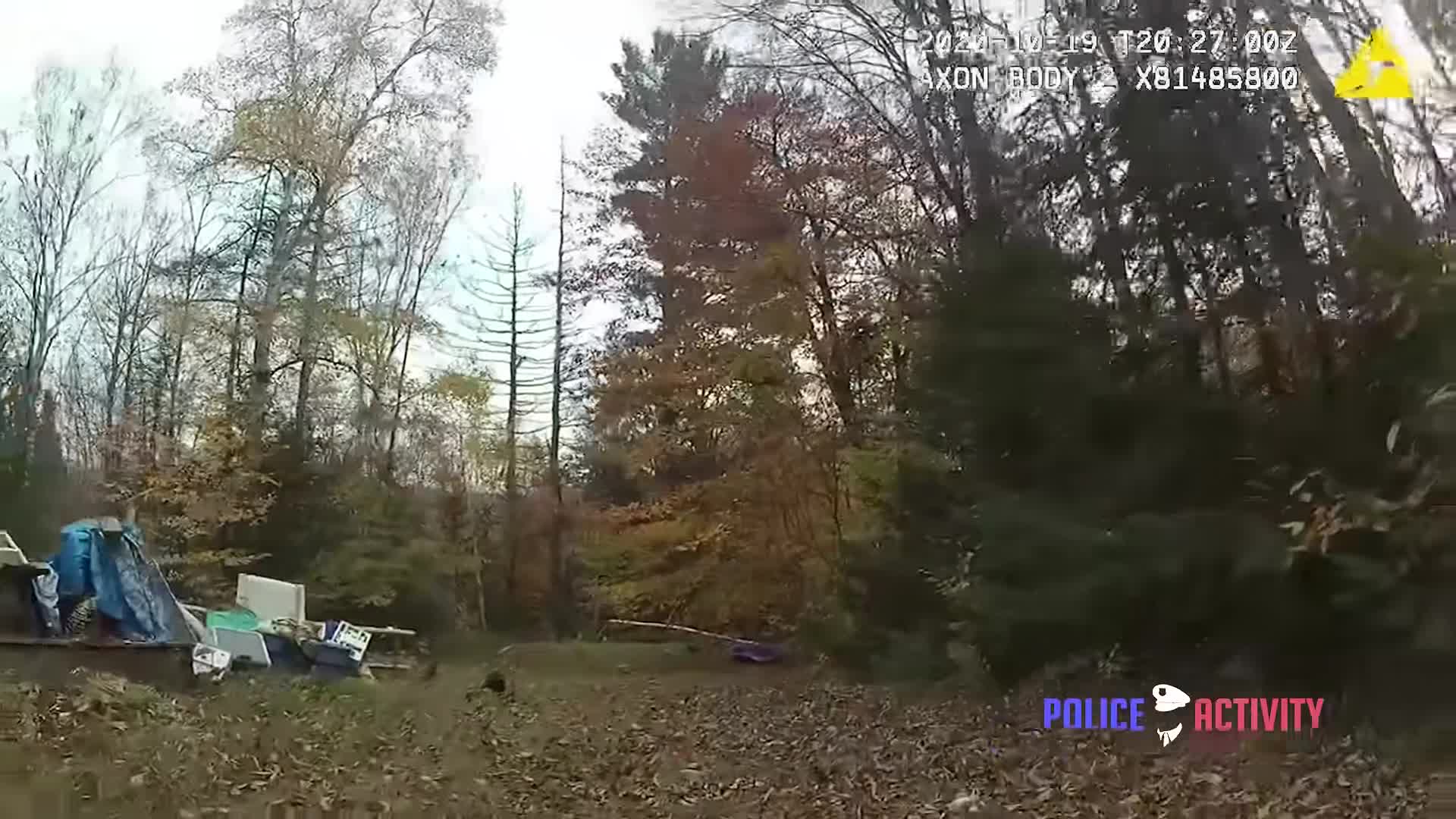
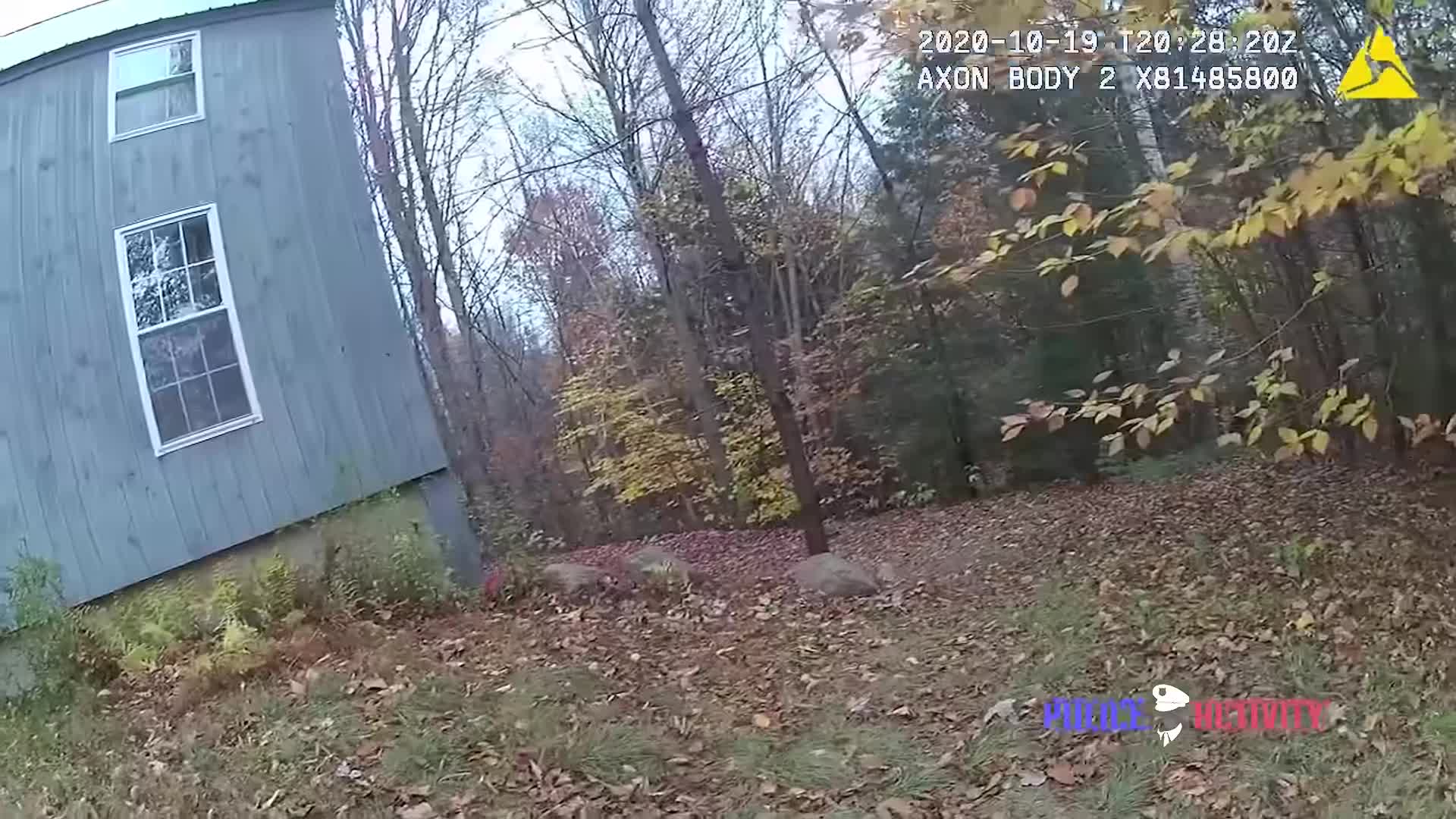
Yao drove to the residence and walked around the house toward Freeman's basement apartment. His service pistol was not initially drawn. The Attorney General's investigation notes that he approached without anything in his hands.
The body camera captures Yao announcing himself and trying to make contact. He calls Freeman by name and asks what is happening.
Freeman responds from inside the apartment. The situation immediately sounds more serious than the school encounter. He says he is suicidal and demands emergency assistance.
Yao is therefore dealing with overlapping concerns: a medical problem, a possible self-harm crisis and an increasingly agitated person inside a residence.
The officer continues trying to communicate rather than rushing into the apartment.
What Yao Sees Inside Changes His Risk Assessment
According to Yao's account to investigators, when he looked into the apartment he saw Freeman naked and visibly bleeding from the head. Freeman was highly agitated.
The Attorney General's report states that Freeman held a wooden piece of furniture in one hand during part of the encounter. Yao also described Freeman's demeanor as intensely hostile.
Freeman began directing threats at the officer. The body camera records repeated statements that Yao understood as threats to kill him.
Yao responded by moving away from the apartment rather than entering it. He drew his service pistol and radioed that his life had been threatened.
This withdrawal is a central part of the later legal analysis. Yao was not moving toward Freeman when the confrontation escalated. He was creating distance and attempting to communicate from outside.
The sounds coming from inside suggested that objects were being broken. The situation remained unstable, and Yao could no longer clearly see everything Freeman was doing.
The Officer Keeps Talking While Waiting for Help
The encounter at the residence lasted only about two and a half minutes from Yao's first words to Freeman until the shots were fired. Yet the body-camera footage shows several distinct tactical decisions within that short period.
Yao retreats. He communicates over the radio. He continues talking to Freeman. He repeatedly tries to slow the situation down.
The Attorney General's investigation also considered the homeowner's observations. The landlord described Yao's tone as calm while Freeman was aggressive.
That witness account was important because it came from a person who was not physically participating in the confrontation. The landlord could hear the exchange and later saw portions of the final approach from inside the residence.
Body-camera evidence and witness testimony therefore gave investigators more than one perspective from which to reconstruct the final minutes.
Freeman Comes Through a Broken Window
About a minute after Yao withdrew from the front of the apartment, Freeman exited through a broken window.
He was naked and covered in blood. The body camera captures the sudden transition from a contained threat inside the apartment to a person moving directly into the officer's space outside.
The Attorney General's report states that Freeman continued threatening Yao as he approached.
At this stage, the physical geometry of the encounter becomes critical. Yao is backing away. Freeman is moving toward him. The distance between them continues to shrink.
The officer repeatedly orders Freeman to stay back.
Those commands are audible on the recording and became an important part of the Attorney General's legal analysis. The report concluded that Freeman did not stop and that he was closing the distance faster than Yao could retreat.
Why Yao Did Not Switch to a Taser
A natural question after any fatal police shooting involving an apparently unarmed person is why the officer did not use a less-lethal option.
Yao carried several alternatives, including a Taser, pepper spray and a baton. The Attorney General's report directly addressed this issue.
Yao explained that by the time Freeman was approaching him, his service pistol was already drawn because Freeman had repeatedly threatened to kill him. The distance was closing quickly. Yao believed he did not have enough time to safely holster or lower the firearm, draw another tool and deploy it before Freeman reached him.
Less-lethal tools also do not guarantee immediate incapacitation. Tasers can fail because of probe placement, clothing, distance or incomplete electrical contact.
The Attorney General's criminal review did not ask whether another tactic might look preferable with unlimited time for reflection. It asked whether Yao reasonably believed deadly force was necessary to defend himself from an imminent threat of deadly force or serious bodily injury.
The Final Seconds
Freeman continued advancing while Yao moved backward and repeatedly ordered him to stay away.
When Freeman was approximately ten feet from Yao, the officer fired twice in quick succession.
Freeman fell to the ground.
Yao then approached and began dealing with the immediate aftermath. Freeman died from the gunshot wounds.
The New Hampshire medical examiner performed an autopsy the following day. Authorities determined that Freeman had been struck twice in the chest.
The shooting was captured not only by Yao's body camera but also by cameras mounted in his patrol vehicle. The homeowner witnessed the final confrontation from the residence.
That combination of evidence allowed investigators to compare Yao's later account with contemporaneous recordings and an independent eyewitness.
Freeman Was Not Holding a Weapon at the Instant He Was Shot
One of the most important facts in the Attorney General's report is that Yao did not claim Freeman visibly possessed a weapon when the shots were fired.
Yao told investigators that he believed Freeman would reach him within seconds and carry out his repeated threats to kill him, including by taking the officer's firearm.
This point is essential because it prevents the incident from being inaccurately summarized as a conventional armed-suspect shooting.
The legal question was whether an officer can reasonably perceive an imminent deadly threat from an unarmed person under the totality of the circumstances.
Investigators considered Freeman's repeated threats, his behavior inside the apartment, his emergence through the broken window, his continued advance despite commands, the rapidly shrinking distance and Yao's retreat.
The Attorney General ultimately concluded that those circumstances gave Yao a reasonable belief that Freeman posed an imminent threat of death or serious bodily injury.
The Landlord's Account Corroborated the Officer
The homeowner who called 911 witnessed significant portions of the confrontation.
According to the Attorney General's report, he heard Freeman speaking aggressively and threatening the officer. He described Yao as comparatively calm.
From a window, the homeowner saw Freeman moving toward Yao while Yao backed away. He heard the officer repeatedly order Freeman to stop or stay back.
The landlord believed Freeman was holding an object as he approached, although Yao himself later said he did not believe Freeman was holding anything at the instant he fired.
That difference is useful rather than problematic. Independent witnesses do not always perceive fast events identically. Investigators can compare those differences against video evidence.
What remained consistent across the accounts was the core sequence: Freeman threatened Yao, advanced toward him, ignored repeated commands and continued closing the distance while the officer retreated.
The Attorney General Conducts a Criminal Use-of-Force Review
Officer-involved shootings in New Hampshire receive review by the Attorney General's Office, the state's chief law-enforcement authority.
The purpose of the review is narrower than a departmental tactical critique. Investigators examine whether the officer's use of deadly force violated criminal law.
The Freeman investigation included body-camera footage, patrol-vehicle video, witness interviews, radio transmissions, scene evidence and the autopsy.
Investigators also interviewed Yao about what he perceived and why he fired. His account was compared against the recordings.
In March 2021, the Attorney General's Office released its findings. It concluded that Yao reasonably believed deadly force was necessary to defend himself and that his actions were legally justified.
No criminal charges were filed against Officer Yao.
Legal Justification Does Not Mean the Outcome Was Inevitable
A finding that a shooting was legally justified answers a specific question. It does not mean every earlier event was inevitable or that the outcome is not tragic.
Freeman had sought medical help earlier in the day. Hours later, another request for emergency assistance ended with his death.
The released footage therefore sits at the intersection of policing, emergency medical response and behavioral crisis.
The Attorney General's conclusion was based on the final confrontation and what Yao reasonably perceived when Freeman advanced toward him after repeated threats.
Broader questions about crisis intervention, access to behavioral-health services and how communities respond to people in extreme distress are policy questions that extend beyond the criminal justification analysis.
Those questions can be discussed without inaccurately claiming that the Attorney General found Yao's shooting unlawful. It did not.
Why the Earlier School Footage Matters
The school footage is one of the most revealing parts of the complete release because it prevents the final encounter from becoming the only image of Freeman.
Earlier that day, Yao and Freeman interact without violence. Yao assists him in obtaining medical care. Their conversation is calm.
Hours later, the same officer faces a radically different situation.
This contrast demonstrates how quickly a person's condition can change and why officers cannot assume that a previously cooperative individual will remain cooperative in a later crisis.
It also shows that Yao did not approach Freeman as a stranger whom he automatically viewed as hostile. He had recent experience with him that had been peaceful.
The final threat assessment developed from what happened at the residence, not simply from Freeman's identity or history.
The Bodycam Preserves the Officer's Retreat
One of the clearest features of the final sequence is movement.
Yao is backing away while Freeman advances.
That fact mattered legally because retreat can demonstrate that the officer was attempting to create space rather than moving forward to force a confrontation.
The video also shows the practical limit of retreat. An officer moving backward cannot see every obstacle behind him, and continued retreat can eventually create a risk of falling or losing control of the firearm.
The Attorney General's report concluded that Freeman was approaching faster than Yao could withdraw.
When the distance fell to roughly ten feet, Yao fired.
That spatial relationship is difficult to appreciate from a written headline but becomes immediately understandable in the body-camera footage.
A Case With a Clear Official Outcome
Unlike many viral body-camera clips whose legal endings remain uncertain, the Ethan Freeman case has a detailed official conclusion.
The New Hampshire Attorney General's Office publicly identified Freeman, identified Officer Matthew Yao, released the body-camera footage and issued a written report explaining the factual findings and legal analysis.
The office found Yao's use of deadly force justified.
That means current reporting should not describe the shooting as an unresolved officer-involved-shooting investigation. The criminal review was completed in 2021.
It is equally important not to overstate the conclusion. The Attorney General did not declare every tactical decision perfect or claim that the outcome was desirable. Its role was to determine whether the deadly force violated New Hampshire criminal law.
The answer was no.
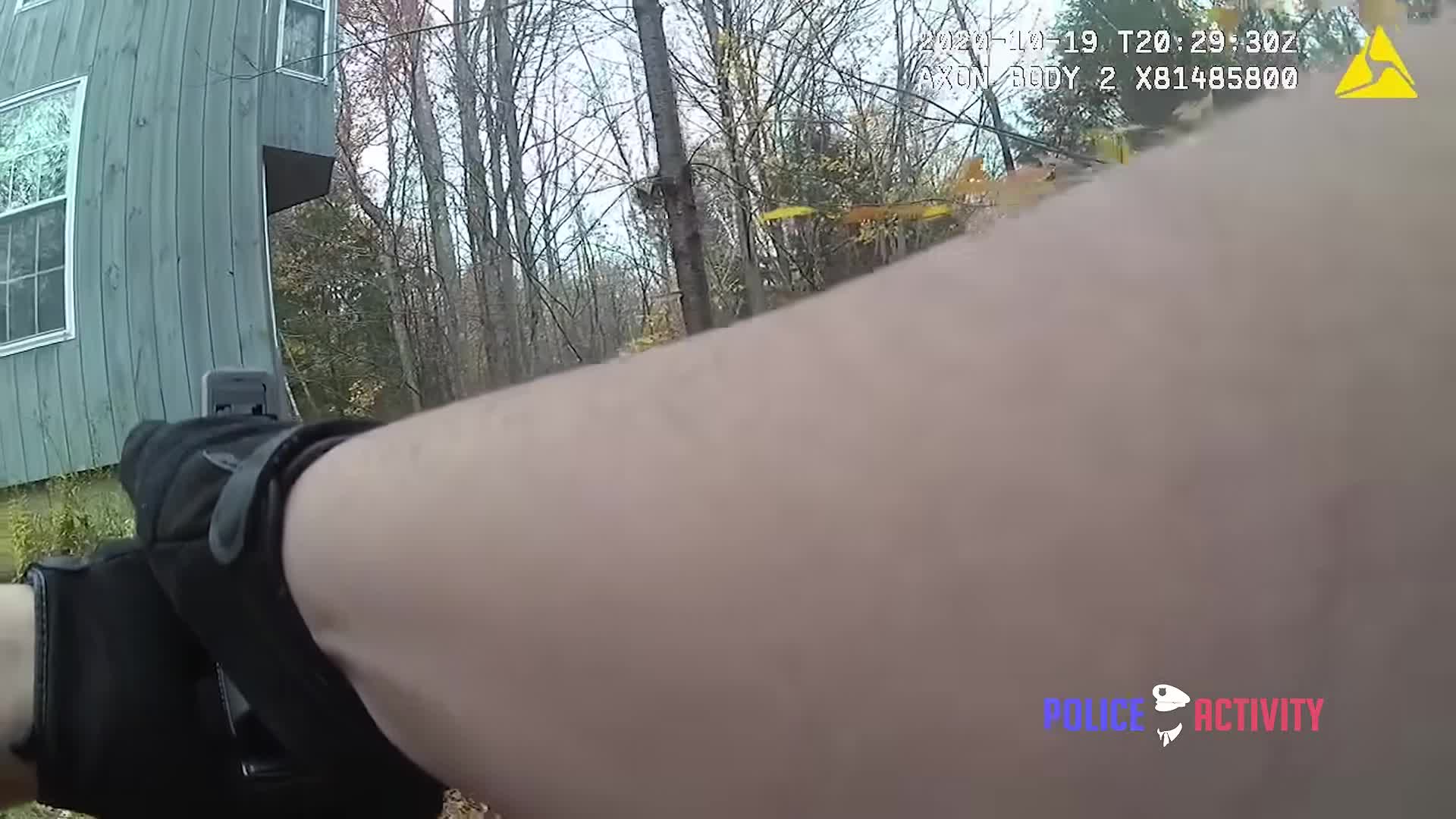
What the Full Video Shows That a Short Clip Cannot
A short clip beginning when Freeman comes through the window would remove the medical call, the earlier peaceful encounter, Yao's attempts to communicate and the threats from inside the apartment.
A clip beginning only at the gunshots would remove almost everything investigators considered.
The full video gives viewers the chronology necessary to understand why the officer's threat perception changed.
It begins with assistance. It moves through a second emergency call. It captures a rapidly deteriorating confrontation, an officer creating distance and repeated verbal threats. Finally, it records Freeman advancing despite commands to stop.
The footage does not make the death less tragic. It does make the decision-making process more visible.
That transparency is why the Attorney General released the recording alongside the investigative findings.
The Final Seconds Were the End of a Much Longer Day
October 19, 2020 began with Ethan Freeman seeking help.
Officer Matthew Yao helped him obtain that assistance.
By late afternoon, another request for help brought the same officer to Freeman's home. This time, Freeman was bleeding, deeply agitated and repeatedly threatening to kill him.
Yao retreated from the apartment and attempted to keep distance. Freeman exited through a broken window and advanced.
The officer repeatedly ordered him to stay back.
At approximately ten feet, Yao fired twice.
Freeman died at the scene.
Months later, after reviewing the body camera, patrol-car recordings, witness testimony, autopsy evidence and Yao's explanation, New Hampshire's Attorney General concluded that the officer reasonably believed he faced an imminent threat of deadly force and that the shooting was legally justified.
The complete body-camera release is difficult to watch, but it provides something a headline cannot: the progression from a calm medical encounter to a fatal confrontation involving the same two people only hours apart.
Comments (0)
Loading comments...
May You Like

Cops Arrive for a Medical Emergency and Walk Into Drunken Chaos
🚔⚠️ 911 Call Comes Hours Later After a Troubling Bath Incident | Ohio, USA

911 Call Leads Police to a Disturbing Family Situation














