
Bodycam Documentary Examines Alleged Abuse of Sedated Patient by Nurse
A documentary from EWU Bodycam examines the case of Jadd Sarah, a nurse accused of sexually abusing a sedated patient. The report combines law-enforcement footage with an account of the investigation and the broader safeguards intended to protect patients who cannot advocate for themselves.
What the documentary examines
A new EWU Bodycam documentary focuses on the case of Jadd Sarah, a nurse accused of fondling a sedated patient while the patient was unable to respond or protect themselves. The video presents the case as an investigation involving alleged abuse, law-enforcement activity and questions about how the conduct was detected.
The material supplied for the documentary identifies Sarah by name but does not provide a complete account of the allegations, the location of the medical facility, the patient’s identity or the final legal outcome. Those details matter because an accusation is not a conviction, and the available description does not establish whether the case ended in charges, a plea, a trial or another disposition.
The documentary is aimed at viewers who follow real-world investigations, public-safety cases and police procedures. Its approach is built around recorded evidence and a chronological explanation rather than a fictionalized retelling.
Why sedation changes the stakes
A sedated patient occupies one of the most vulnerable positions in a hospital. Depending on the medication and medical condition, the patient may be unable to speak clearly, recognize what is happening, move independently or later recall events. That dependence places unusual responsibility on nurses and other caregivers who have access to the patient during treatment.
Nursing care is governed by duties that include protecting patient dignity, maintaining professional boundaries, documenting care and reporting suspected abuse. Physical contact can be medically necessary, but it is expected to serve a legitimate treatment purpose and to occur within established procedures. Contact that is sexual, secretive or unrelated to care can trigger internal investigations, licensing reviews and criminal scrutiny.
Hospitals generally rely on multiple safeguards, including staffing protocols, patient observation, chart documentation, access controls and complaints from patients, relatives or co-workers. Security cameras may also become important when investigators need to reconstruct what happened in a room or hallway. The presence of a recording does not by itself answer every legal question, but it can help establish timing, opportunity and the conduct investigators are examining.
The role of recorded evidence
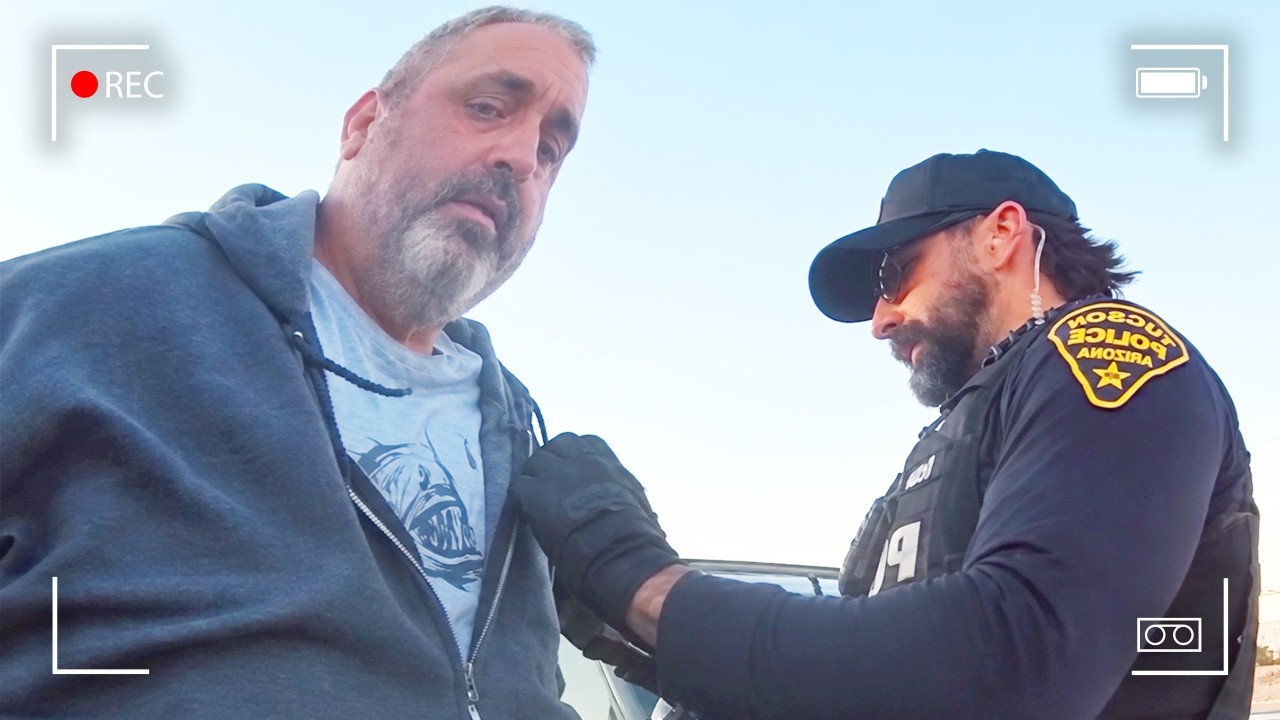
The cover material associated with the video features a detained man alongside a Pima County Sheriff's Office deputy, with recording graphics framing the scene. That visible law-enforcement setting signals that the documentary extends beyond the hospital allegation and into the response by investigators or officers.
Body-camera footage can show how officers receive information, locate a suspect, conduct an interview or make an arrest. It can also reveal the limits of an early investigation: officers may be working with incomplete information, relying on witness accounts or waiting for medical, forensic and institutional records before making conclusions.
For viewers, the distinction between evidence and narration is important. A documentary may organize events into a clear story, but the legal case depends on the underlying records, witness testimony and decisions made by prosecutors, courts and professional regulators. The supplied description says the program is intended to inform viewers about a real event of public concern; it does not substitute for a court ruling or an official case file.
What viewers should look for
The central question is not simply whether a caregiver was present with a sedated patient. It is what investigators say happened, how they determined that the contact was improper, whether anyone witnessed or recorded it, and what steps followed after the allegation surfaced.
Viewers should also watch for the documentary’s treatment of the patient’s privacy. Cases involving alleged sexual abuse in medical settings often require careful redaction and restrained reporting because the person at the center may be medically incapacitated, unidentified or unable to consent to public discussion. Protecting that person’s identity is separate from determining whether the accused caregiver violated the law or professional standards.
The case also illustrates why allegations involving health-care workers can draw attention beyond a single facility. Patients and families must trust that clinical access will not be misused, while hospitals and investigators must balance transparency with privacy, due process and the need to preserve evidence. Any final judgment about Jadd Sarah’s conduct should rest on verified records and the formal legal process, not on the video’s headline alone.
Comments (0)
Loading comments...
May You Like

Female Driver Destroys Three Lives in a Matter of Minutes

UCF Student’s Pronoun Dispute With Campus Police Escalates Into an Arrest
Police Pull Over Paralyzed Driver With Blind Passenger














