🔥 Angry Baby Mama CONFRONTS Him After Discovering He Replaced Her With Another Woman | Legal Analysis
OHIO DOMESTIC VIOLENCE BODYCAM: A PLAYSTATION 5 DISPUTE ESCALATES INTO AN ARREST
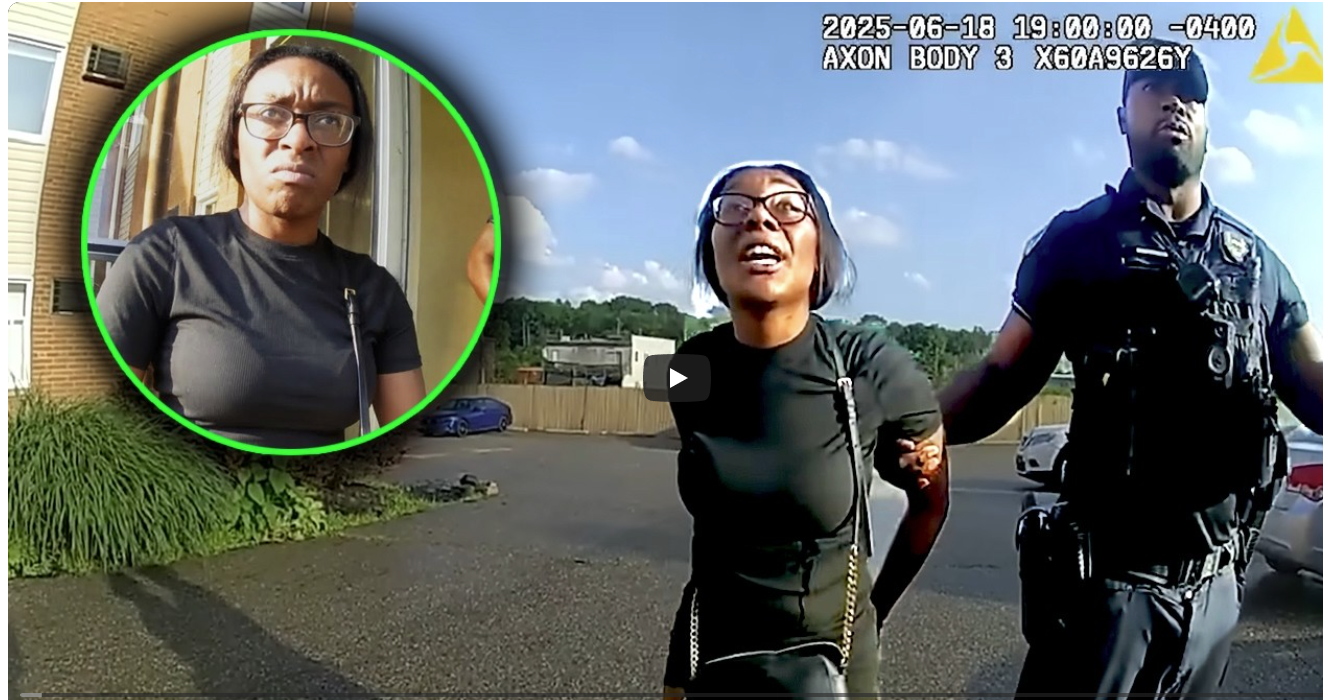
On June 18, 2025, an Ohio domestic dispute involving co-parents Ashley and Charles reportedly began with a seemingly simple disagreement over a PlayStation 5. What followed was a confrontation that brought police officers to the scene, allegations of physical contact and property damage, and ultimately an arrest.
The incident is particularly relevant because the POLICE BODYCAM FOOTAGE captures the interaction from the officers' perspective, allowing viewers to examine not only what happened during the confrontation, but also how officers assessed the situation after arriving.

FROM A PROPERTY DISPUTE TO A POLICE RESPONSE
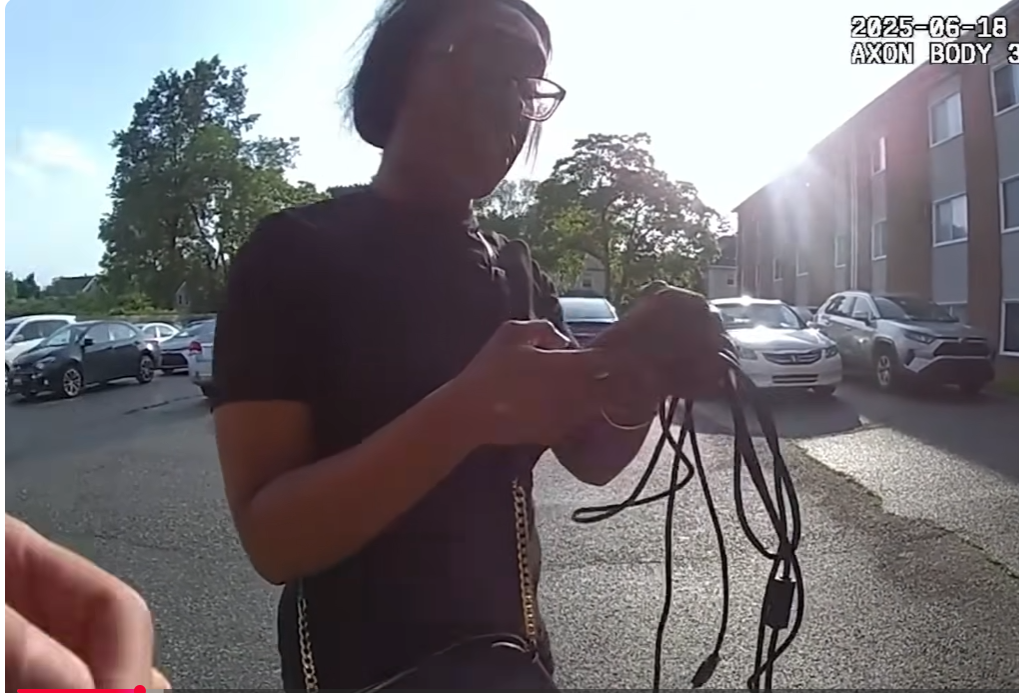
According to the case description provided with the footage, Ashley and Charles are co-parents. The original purpose of the encounter was reportedly connected to retrieving a PLAYSTATION 5.
What appeared to be a property dispute then escalated into a physical confrontation and damage to property. Once officers arrived, the situation became a law-enforcement investigation rather than simply a disagreement between two people.
For officers responding to domestic violence calls, the immediate challenge is determining WHAT HAPPENED, WHO WAS INVOLVED, WHETHER ANYONE WAS IN DANGER, AND WHETHER AN OFFENSE OCCURRED.
Ohio law specifically addresses this type of situation.
Under Ohio Revised Code §2919.25, a person may commit domestic violence by knowingly causing or attempting to cause physical harm to a family or household member. The statute also covers certain threats of imminent physical harm.
WHY THE ARREST DECISION MATTERS
One of the most important legal issues in this footage is Ohio's PREFERRED ARREST POLICY.
Ohio Revised Code §2935.03 provides that when an officer has reasonable grounds to believe domestic violence occurred and reasonable cause to believe a particular person committed the offense, arrest and detention are the state's preferred course of action. When both parties have committed offenses, officers are directed to consider which person was the PRIMARY PHYSICAL AGGRESSOR.
The statute tells officers to consider several circumstances, including previous violence, whether force may have been used in self-defense, each person's fear of physical harm, and the comparative severity of injuries.
That distinction is important in bodycam analysis because THE PERSON WHO CALLED POLICE IS NOT AUTOMATICALLY THE VICTIM, AND THE PERSON WHO IS ARRESTED IS NOT AUTOMATICALLY PROVEN GUILTY. The officer's decision at the scene is based on the information and observations available at that moment.
SELF-DEFENSE AND THE FACTS OFFICERS MUST CONSIDER
Self-defense can become an important issue when both people accuse each other of using force.
Ohio Revised Code §2901.05 provides that a person may act in self-defense, defense of another, or defense of that person's residence under the circumstances established by law. If evidence supporting self-defense is presented at trial, the prosecution has the burden of proving beyond a reasonable doubt that the person did not act in self-defense.
That does not mean an officer arriving at a scene must resolve every legal question before making an arrest. Instead, officers generally evaluate the TOTALITY OF THE CIRCUMSTANCES, including statements, physical evidence, injuries, witnesses and what they personally observe.
A Sixth Circuit case, Thacker v. City of Columbus, is particularly relevant because it involved an Ohio domestic violence arrest. The court discussed Ohio's preferred arrest policy and explained that probable cause concerns whether the circumstances support a probability that an offense was committed, rather than requiring officers to possess proof of every element before making an arrest.
BODYCAM FOOTAGE PROVIDES AN IMPORTANT RECORD
The footage in this case also demonstrates why BODY-WORN CAMERAS HAVE BECOME AN IMPORTANT PART OF MODERN POLICING.
Ohio law defines a body-worn camera as a device worn by a peace officer that records visual and audio information while the officer is performing official duties. Ohio police policies can also address when cameras should be activated, including domestic violence calls and other situations where recorded evidence may be important.
Bodycam footage can preserve statements, officer commands, physical movements and the sequence of events. However, footage should still be viewed in context. A CAMERA RECORDS WHAT ITS LENS AND MICROPHONE CAPTURE; IT DOES NOT NECESSARILY SHOW EVERYTHING THAT HAPPENED BEFORE OFFICERS ARRIVED.

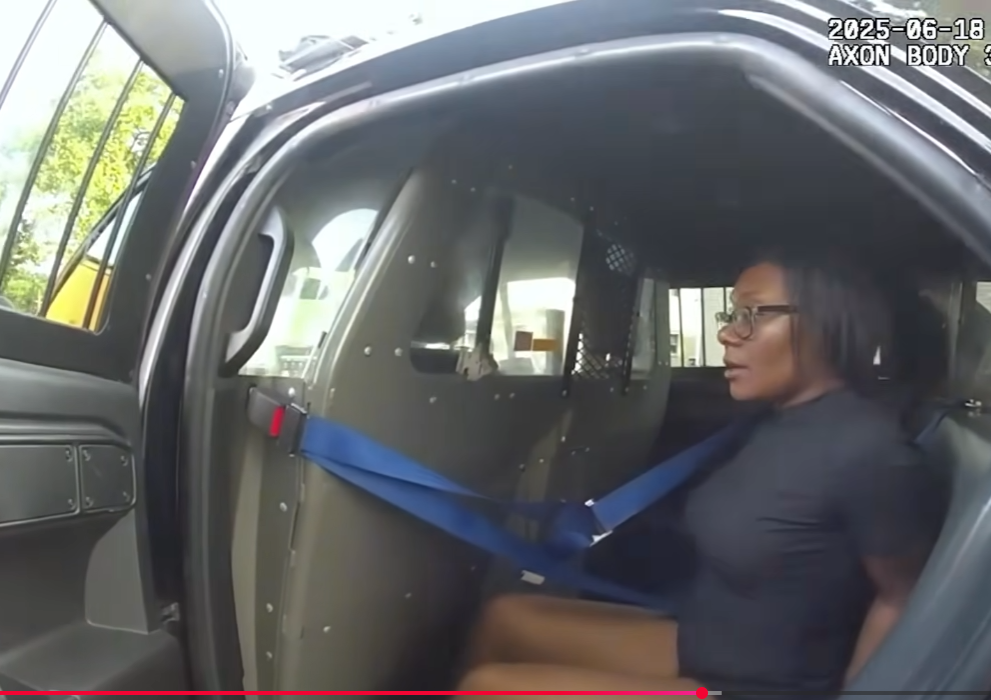

USE OF FORCE AND THE FOURTH AMENDMENT
When officers physically restrain or arrest someone, the amount of force used can also become an important legal question.
In Graham v. Connor, the U.S. Supreme Court established that claims involving police use of force during a seizure are analyzed under the Fourth Amendment's OBJECTIVE REASONABLENESS standard. Courts consider the circumstances confronting officers rather than judging the encounter solely with hindsight.
The footage therefore provides an opportunity to examine the officers' commands, the subject's behavior, the progression of the restraint and the circumstances surrounding the arrest.
WHAT HAPPENED AFTER THE ARREST?
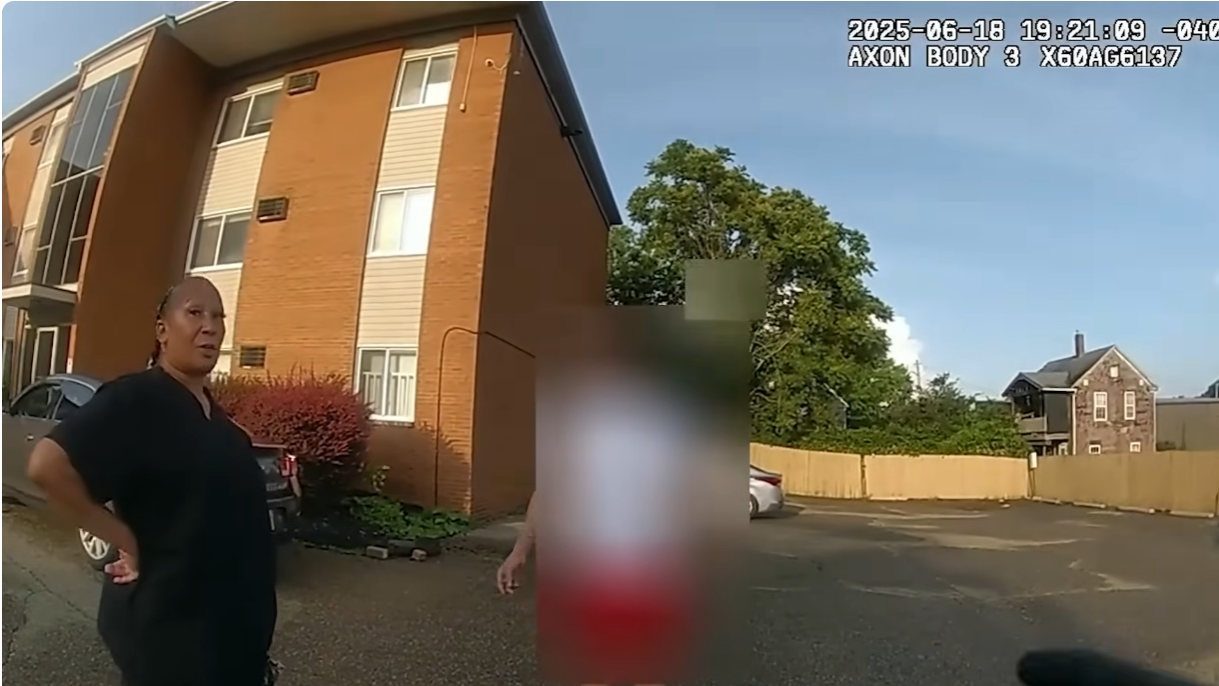
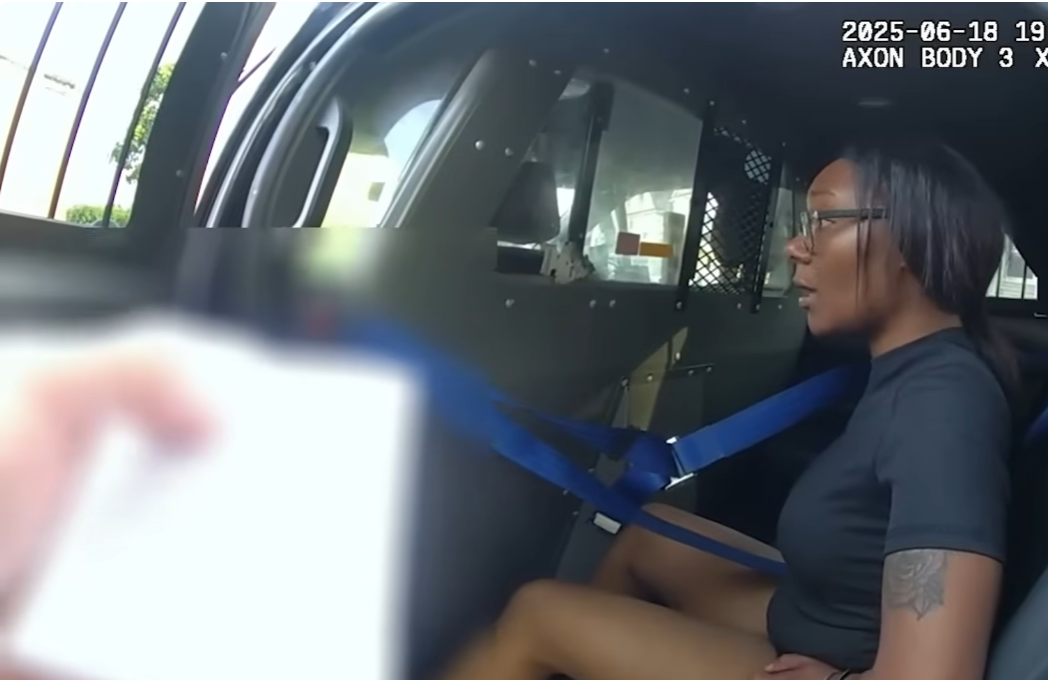
The information supplied with this video states that ASHLEY WAS ARRESTED FOR DOMESTIC VIOLENCE, while the court disposition was unconfirmed at the time of publication.
That distinction matters. AN ARREST IS NOT A CONVICTION. The final legal outcome depends on what prosecutors file, what evidence is admitted, and what happens later in the court process.
For educational bodycam analysis, the most useful approach is to separate WHAT THE VIDEO SHOWS, WHAT OFFICERS REPORTED, WHAT OHIO LAW PROVIDES, AND WHAT A COURT ULTIMATELY DETERMINES.
This Ohio encounter illustrates how quickly a dispute between co-parents can become a police investigation—and why bodycam footage can provide valuable material for understanding DOMESTIC VIOLENCE RESPONSE, ARREST PROCEDURES, SELF-DEFENSE, PROBABLE CAUSE AND POLICE USE OF FORCE.
CONTENT NOTICE: This article discusses an alleged domestic violence incident and includes references to physical restraint and arrest. It is presented for EDUCATIONAL, COMMENTARY AND PUBLIC-INTEREST ANALYSIS and does not establish guilt or innocence.
Continue watching — Part 2 is below 👇https://www.youtube.com/watch?v=6pNFk-8kwos
Comments (0)
Loading comments...
May You Like

Entitled Driver Skips the Line and Gets Instant Karma3

💨 High-Speed Police Pursuits Caught on Dashcam | Intense Moments Across the USA 🇺🇸

Female Driver Destroys Three Lives in a Matter of Minutes